
10 Uses For
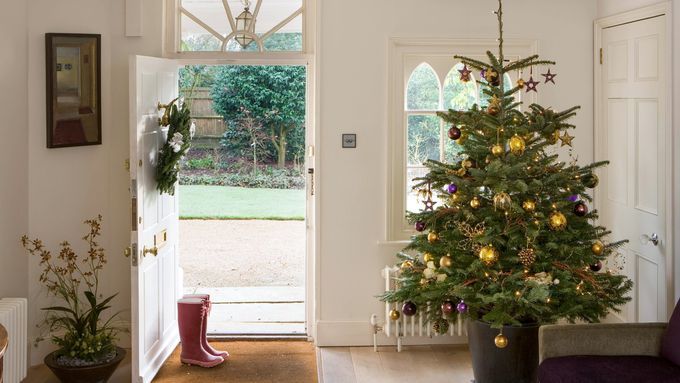
What to Do With an Old Christmas Tree
When the holidays are over, take down the tinsel, but don’t bag the tree. Here are 10 ways to dispose or recycle your Christmas tree.
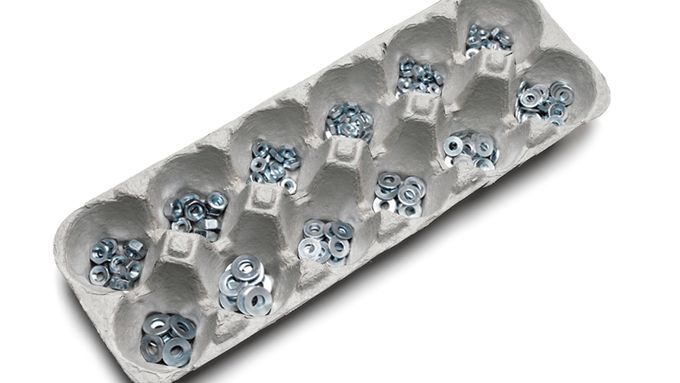
10 Uses for an Egg Carton
Once all the eggs are eaten, read our guide useful home improvement and creative art projects using the egg carton!
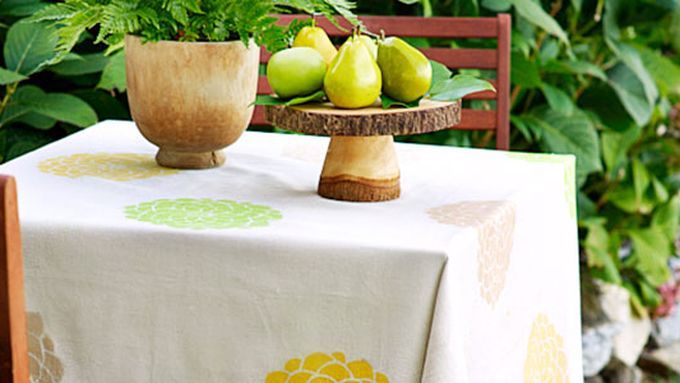
10 Uses for Canvas Drop Cloths
Unexpected ways to use these expansive safeguards
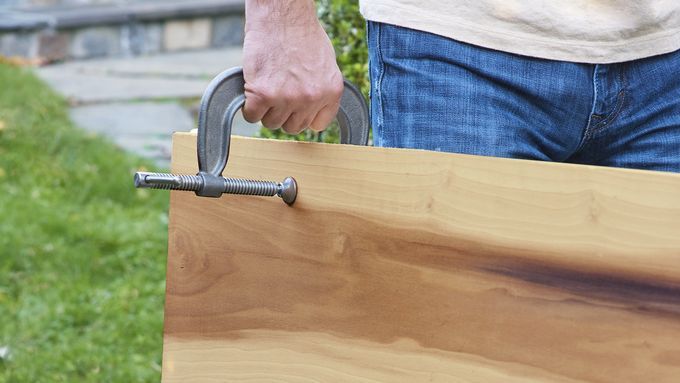
10 Creative Uses for C-Clamps You Can Use in Your Home
C-clamps are a practical tool for more than just workshop clamping. Explore creative ways to make use of C-clamps in your home.
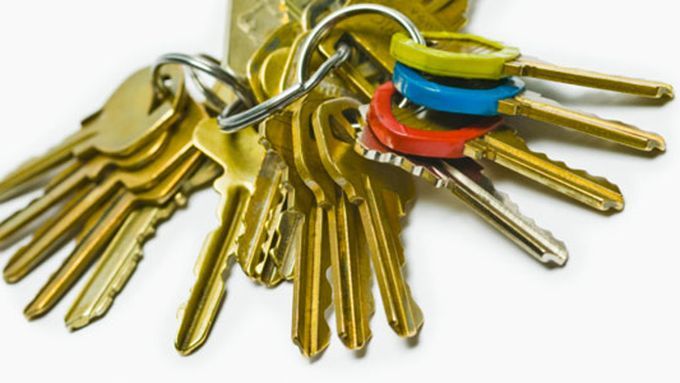
10 Creative and Functional Uses for Keys Around Your House
From practical applications to creative projects, we explore the best ways to use old keys around your house besides opening doors.
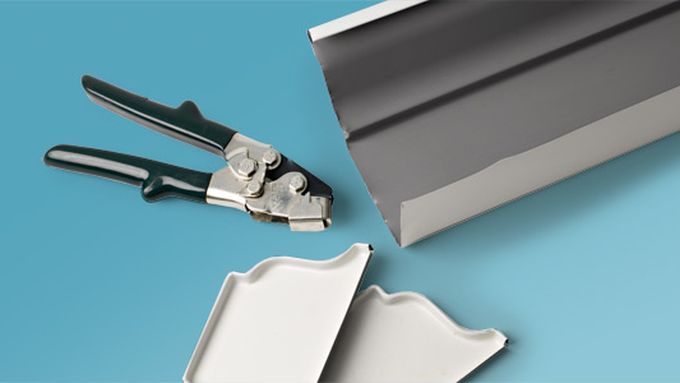
10 Uses for Gutters
Before you consign your metal off-cuts to the recycling pile, consider these clever ways to make use of them

10 Clever Uses for Wallpaper Scraps For Any Home
Instead of discarding these valuable wallpaper scraps from your last project, here are 10 clever ideas to put them to good use.
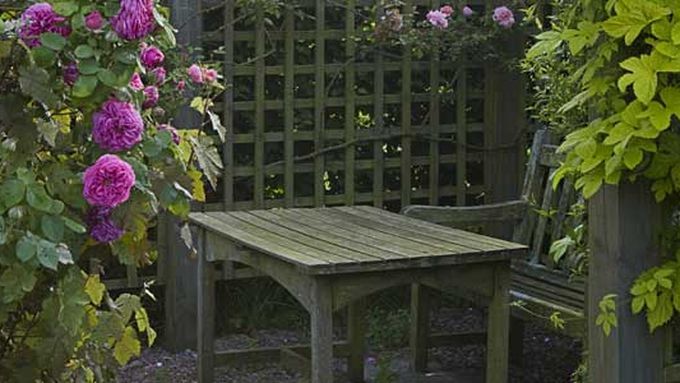
10 Uses for Lattice, Including Flower Beds and Pot Racks
Lattice can be more than just an ornament for your garden. Read about 10 ways you can repurpose lattice, from flower beds to pot racks.
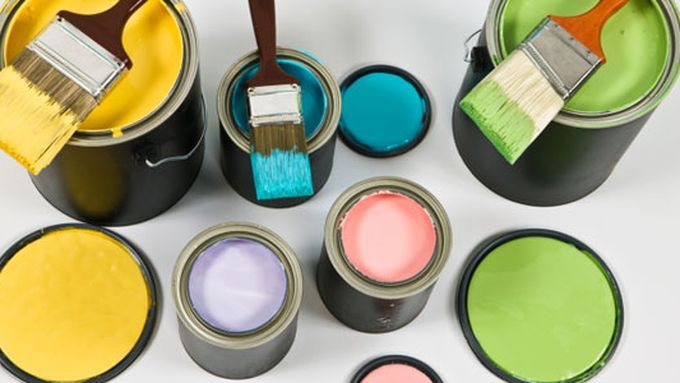
Innovative Ways To Reuse Paint Cans for Your Home
Read our guide on creative ways to reuse paint cans, from unique decor projects to practical storage solutions for your home.
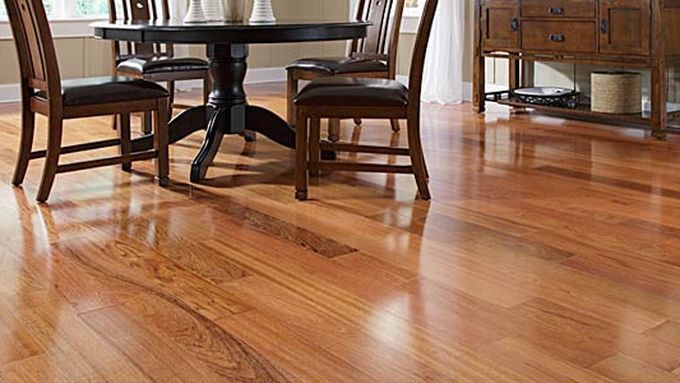
10 Uses for Wood Flooring Scraps
Learn how to make the most of your leftover wood flooring by repurposing it into attractive and functional pieces for your home and toolkit.
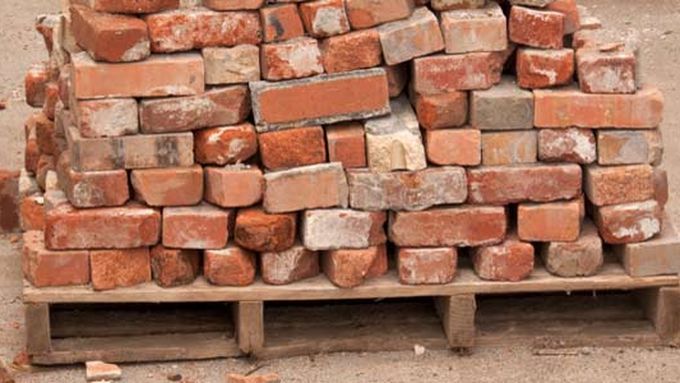
10 Creative Uses for Bricks
You can repurpose leftover bricks into functional and decorative elements for your home with these 10 inventive ideas.
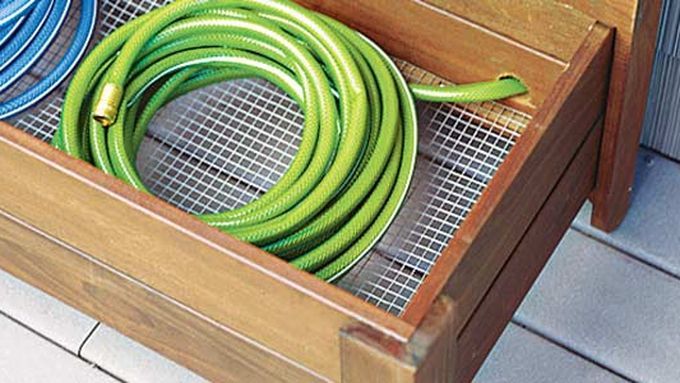
Creative Ways To Use Hardware Cloth Around Your Home
Discover the benefits of using hardware cloth in your DIY projects, including ideas for your home and garden. Read on to learn more.
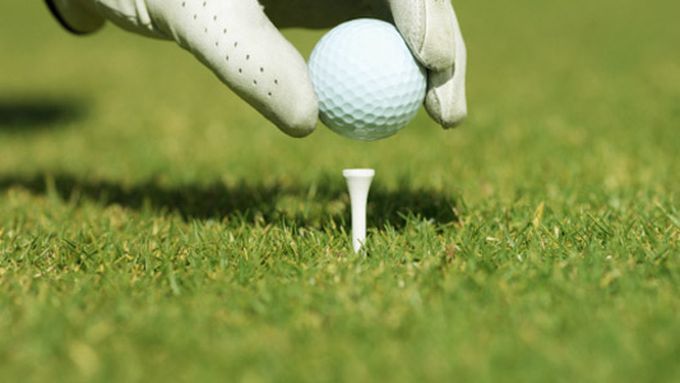
10 Uses for Golf Tees in Home Improvement Projects
Golf tees have numerous applications beyond the fairway, including home improvement projects, gardening, and crafts.

10 Uses for Wine Bottles
Spare yourself heavy recycling bins and repurpose wine bottles with these creative ideas for your home and garden.
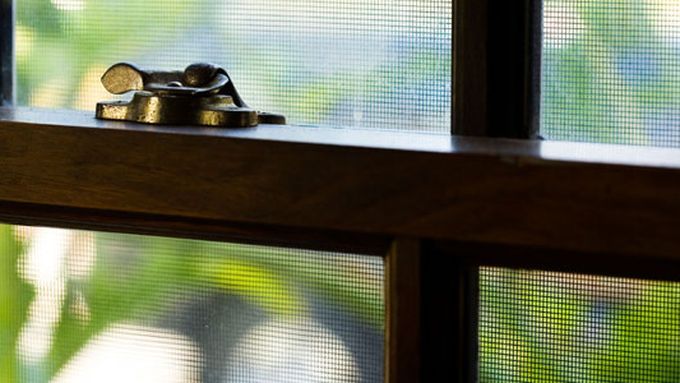
10 Creative and Functional Uses for Window Screens
Don't throw away those old window screens just yet. Here are 10 creative ways you can reuse them for your household projects.
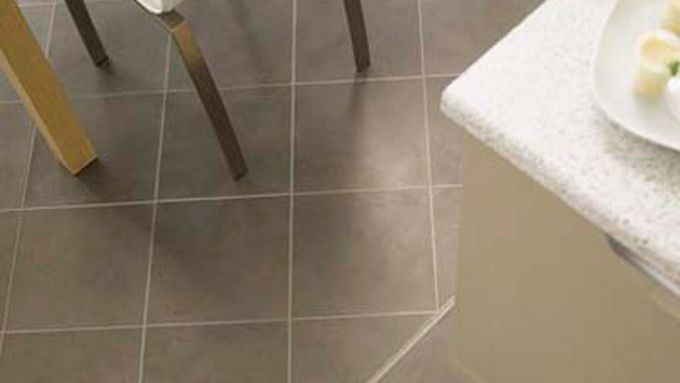
10 Uses for Vinyl Tiles, Including Birdhouse Roofs and Shims
Vinyl tiles aren't just for underfoot use. Check out 10 creative ways you can use vinyl tiles, including birdhouse roofs and shims.
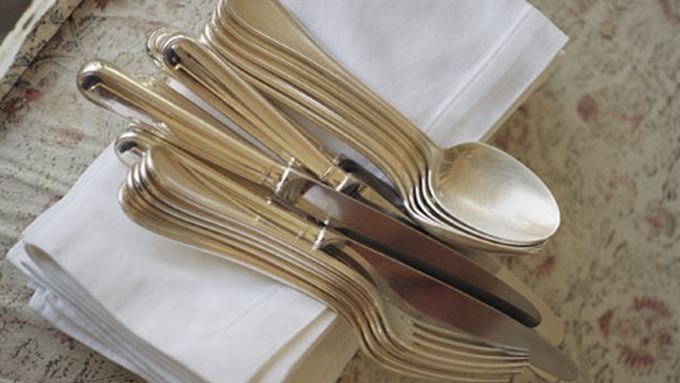
10 Uses for Old Flatware
Old forks, knives and spoons can find new purpose in other household functions, like cleaning paintbrushes or helping spread caulk.
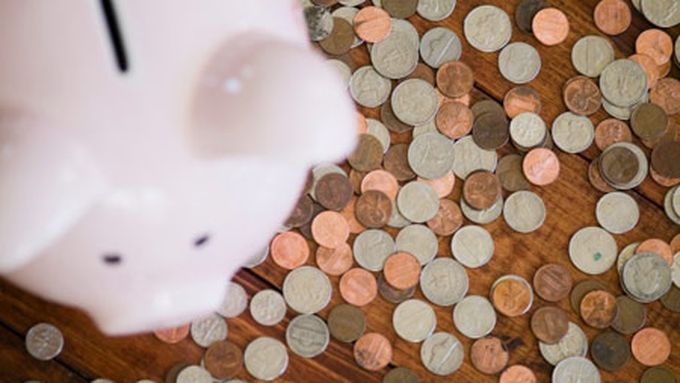
10 Creative Uses for Coins For Your Home Projects
Spare change has a lot more than monetary value. Check out these 10 savvy uses for coins to help your home improvement projects.
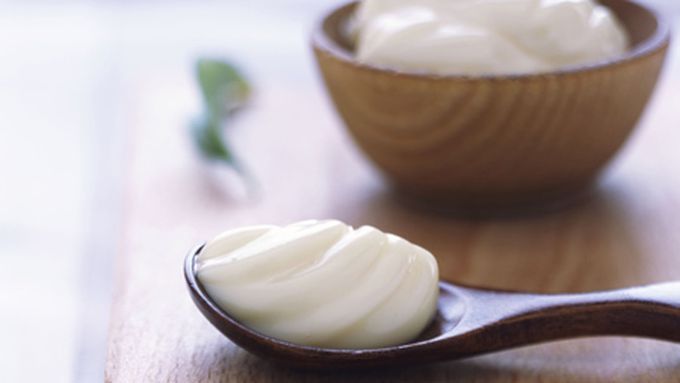
10 Surprising Uses for Mayonnaise Around the House
Here are 10 unexpected ways to use mayonnaise around the house outside of the kitchen, including as a cleaning agent or lubricant.
15 Creative and Helpful Uses For Vodka Around the Home
If you've stumbled upon a bottle of spirits that's not fit for a mixed drink, reuse it as a handy household solution
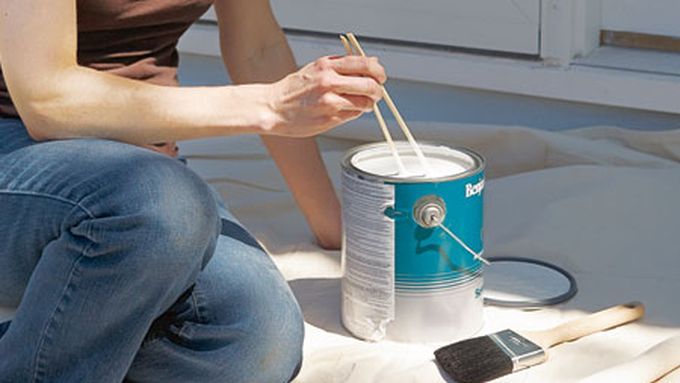
10 Uses for Chopsticks
Even if you prefer a fork, these simple wood utensils are worth saving. Read about a few creative uses for chopsticks around your home.
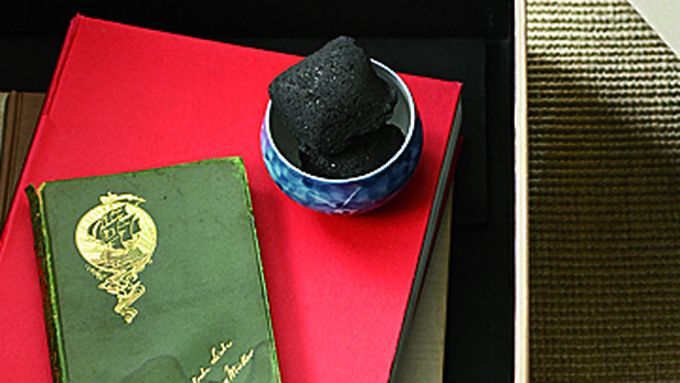
10 Uses for Charcoal
Don't let that half-empty bag from last summer sit around. Charcoal—the natural lump variety made from hardwood—can do more than cook burgers.
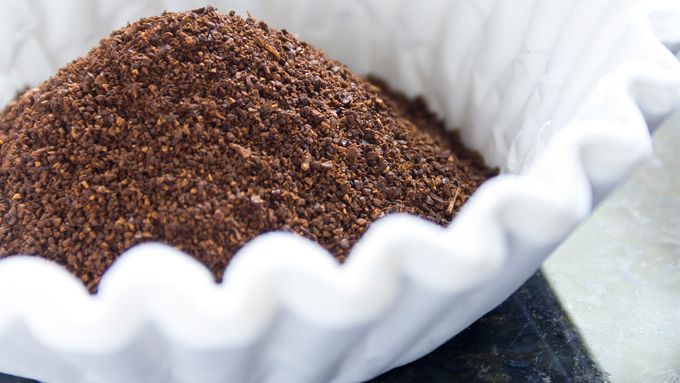
Creative Uses for Coffee Filters
We show you creative ways to use coffee filters in your home, from organizing and cleaning to crafting and skincare.
Innovative and Practical Uses for Car Wax Around Your Home
Car Wax Has Uses Beyond Just Shining up Your Vehicle. Here Are Some Ways You Can Use Car Wax Around Your Home.
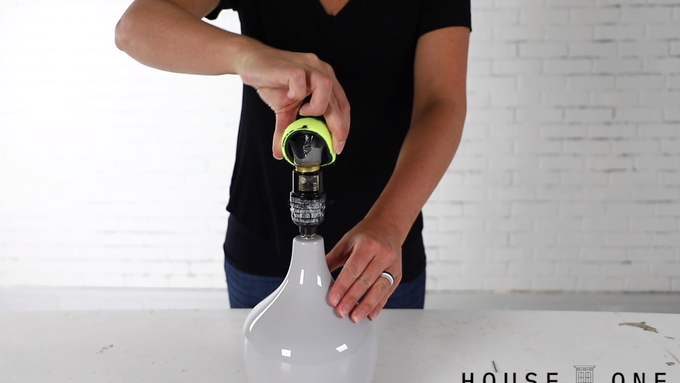
7 Smart Everyday Uses for Old Tennis Balls
This Old House DIY Expert & House One Editor Jenn Largesse shares a few smart ways to put your tennis balls to use without ever hitting the court.
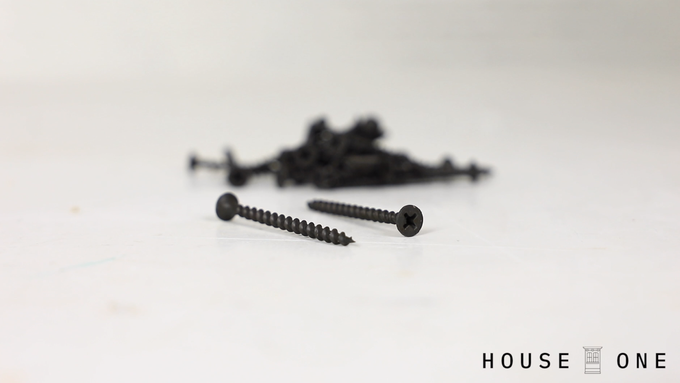
10 Clever Uses for Drywall Screws
Drywall screws can be used to snake drains, hang lights, or silence squeaky floors. Read about 10 clever uses in our guide.
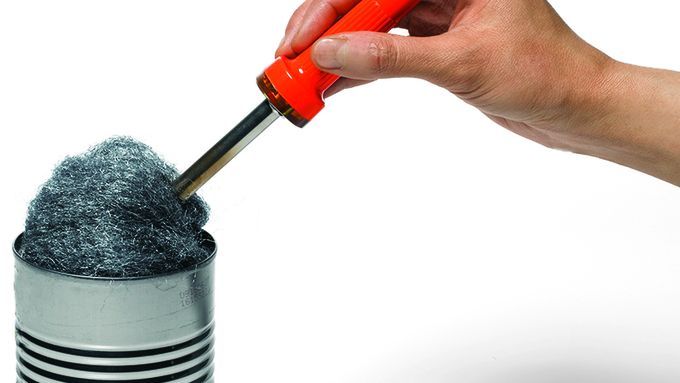
10 Uses for Steel Wool
Our detailed guide explores various uses for steel wool that both improve your day-to-day life and help you in emergencies.
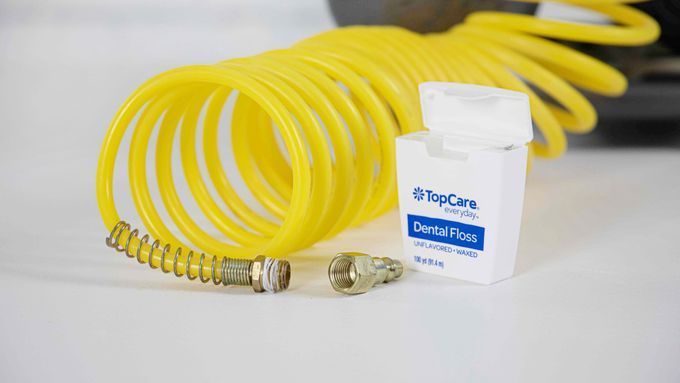
7 Alternative Uses for Dental Floss
Dental floss is a household staple typically confined to the bathroom drawer next to your toothbrush, but here are a few other ways to put it to use.
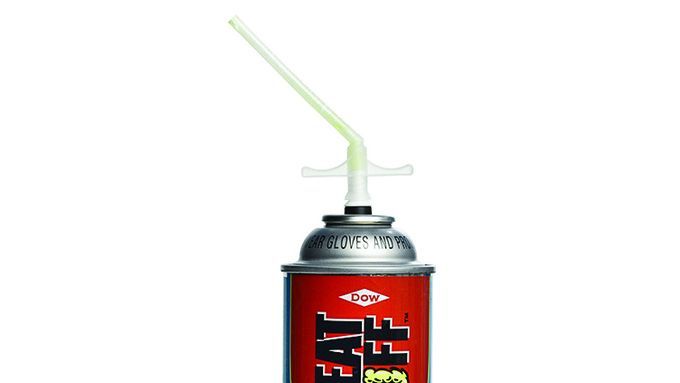
10 Innovative Uses for Foam Spray for DIY Projects
Got Extra Foam Spray From Your Last DIY Project? Here Are Some Creative Ways You Can Use the Rest of That Can for New Projects.
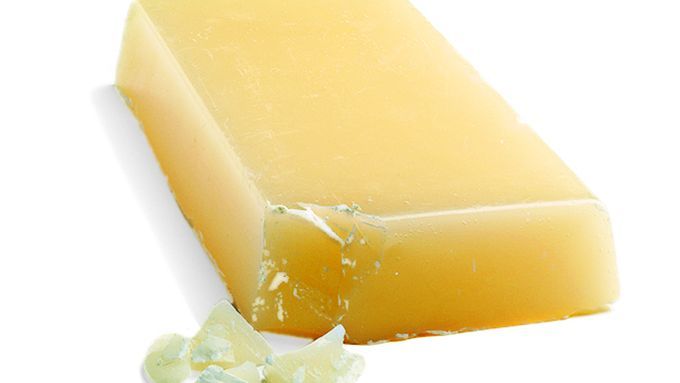
10 Uses for Beeswax
Beeswax is no longer just for candles — put this natural material to work around the house on wood, furniture, and more.
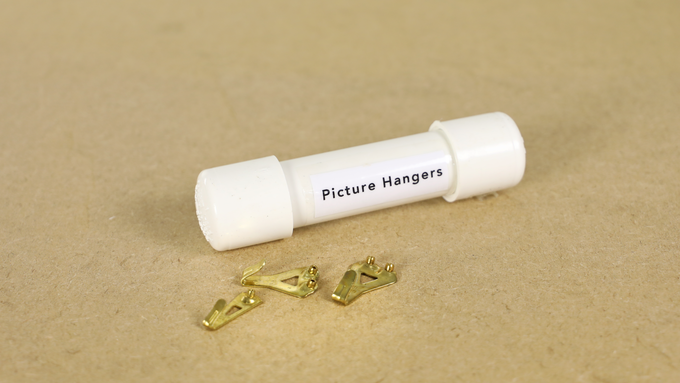
12 Helpful and Creative Uses for PVC Pipes in the Home
Got leftover PVC from your latest plumbing project? House One editor and DIY expert Jenn Largesse shares creative tips for repurposing PVC.
