TLC for Power Tools

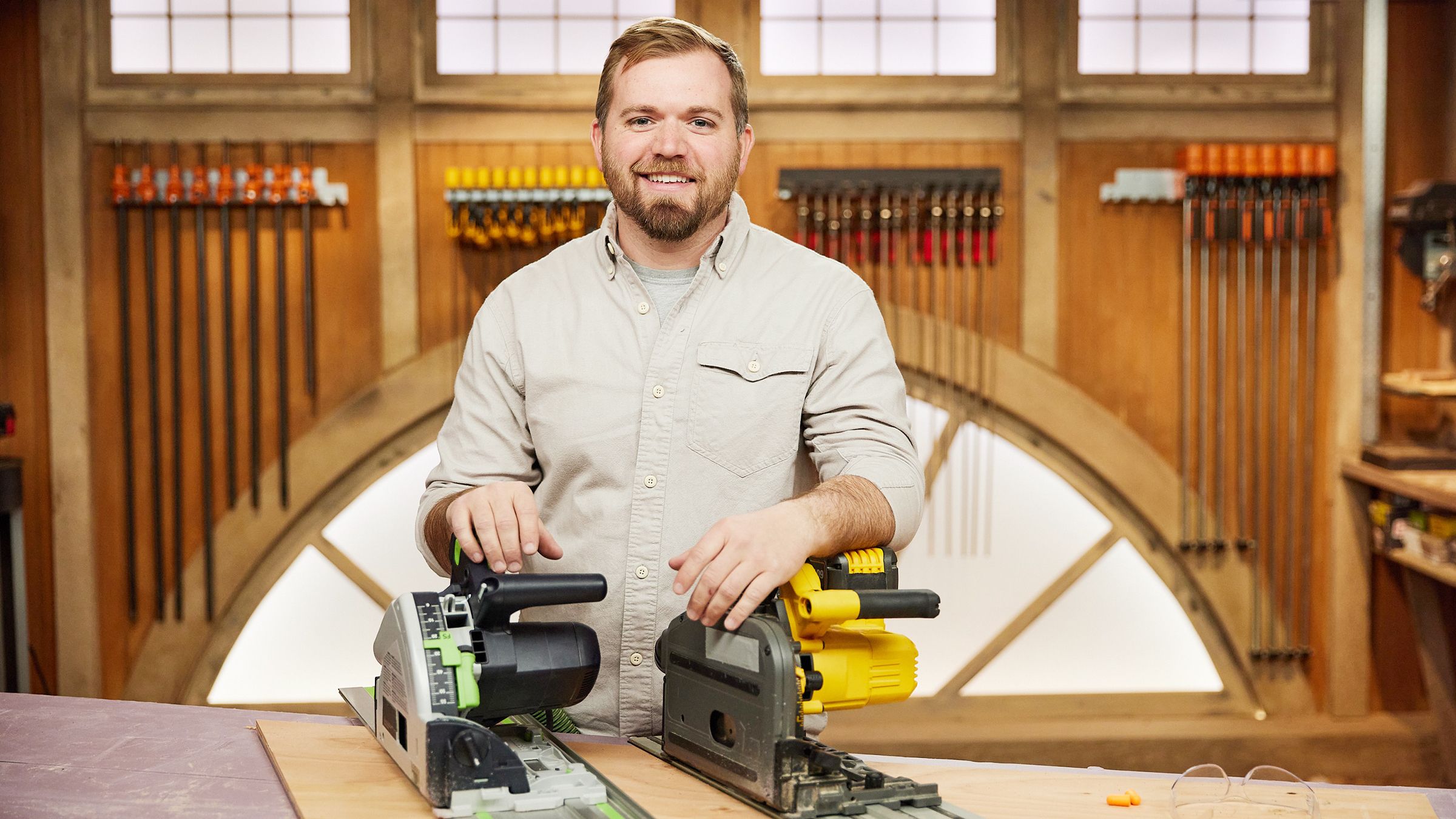
This Old House master carpenter Norm Abram demonstrates circular saw techniques

cleaning contacts for power tools Enlarge this image

Brush away any dust and debris from the brush cover, then unscrew it with a flat-blade screwdriver or coin. As the cap loosens, rest a finger on it; the spring-loaded brush can pop loose suddenly.

pull out power tool brush and attach spring Enlarge this image

Pull out the brush and its attached spring. Vacuum the cap area to remove any sawdust that may have come out with the old brush, then slip the new one in. Tighten the cap against the spring and test the tool.

Browse Images

How-To Video

Browse More

How to Build a Small Deck

In this how-to video, This Old House general contractor Tom Silva shows how to build a simple entry-level deck

On Newsstands Now


In the Magazine


Easy Upgrades That Say Welcome Home

overall kitchen remodel how to build a bar bedroom remodel this old house editor Scott Omelianuk desk and bookshelf

I Remember When...

Old circular saws used to have grease cups and a lubrication schedule you really had to follow if you wanted your saw to last. Power tools these days don't take nearly that much care, but you still need to treat them decently—keep them clean; don't drop them. Here are some other common-sense things I do regularly with my tools so that they'll continue to give me their best work.

Clean Contacts for Motors

Most small power tools have two "brushes," solid blocks of carbon graphite that conduct electricity to the motor's spinning armature. Friction gradually wears these brushes away, and if they're not replaced, the motor loses power and eventually quits. You can tell it's time for new brushes when you see lots of arcing—small, harmless sparks inside the motor housing as the tool is running.

Replacing worn-out brushes is easy if your tool has brush covers—the two black caps on opposite sides of the motor housing. Always replace both brushes at the same time. I buy my replacements from the manufacturer; it's the best way to ensure they're exactly the right fit. If your tool doesn't have brush covers, you'll have to let a repair shop do the work.

Slide 2: Brush away any dust and debris from the brush cover, then unscrew it with a flat-blade screwdriver or coin. As the cap loosens, rest a finger on it; the spring-loaded brush can pop loose suddenly.

Slide 3: Pull out the brush and its attached spring. Vacuum the cap area to remove any sawdust that may have come out with the old brush, then slip the new one in. Tighten the cap against the spring and test the tool.

TOH Tip: Tempting as it is to blow away dust with a blast of compressed air, I don't because it can drive particles into the switch or other sensitive areas."

Page:
1
2
Next
Article: Miter Saws

Add new comment

The rules: Keep it clean, and stay on the subject or we might delete your comment. If you see inappropriate language, report the comment to us.

1000 characters remaining

Need More Info? Ask a question on Power Tools

AMERICA'S MOST TRUSTED HOME IMPROVEMENT BRAND