
Building a fire-resistant home that withstands high temperatures and slows the spread of flames can provide more time for you and your family to evacuate safely. While no home is entirely invincible against fire, you can make your home more fire-resistant by using materials, such as concrete, steel, and specially treated wood products, incorporating strategic design, and installing advanced safety systems. In this guide, we’ll review the elements of fireproof home construction and explain how to build a safer environment for you and your family.
What Are Insulated Concrete Forms?
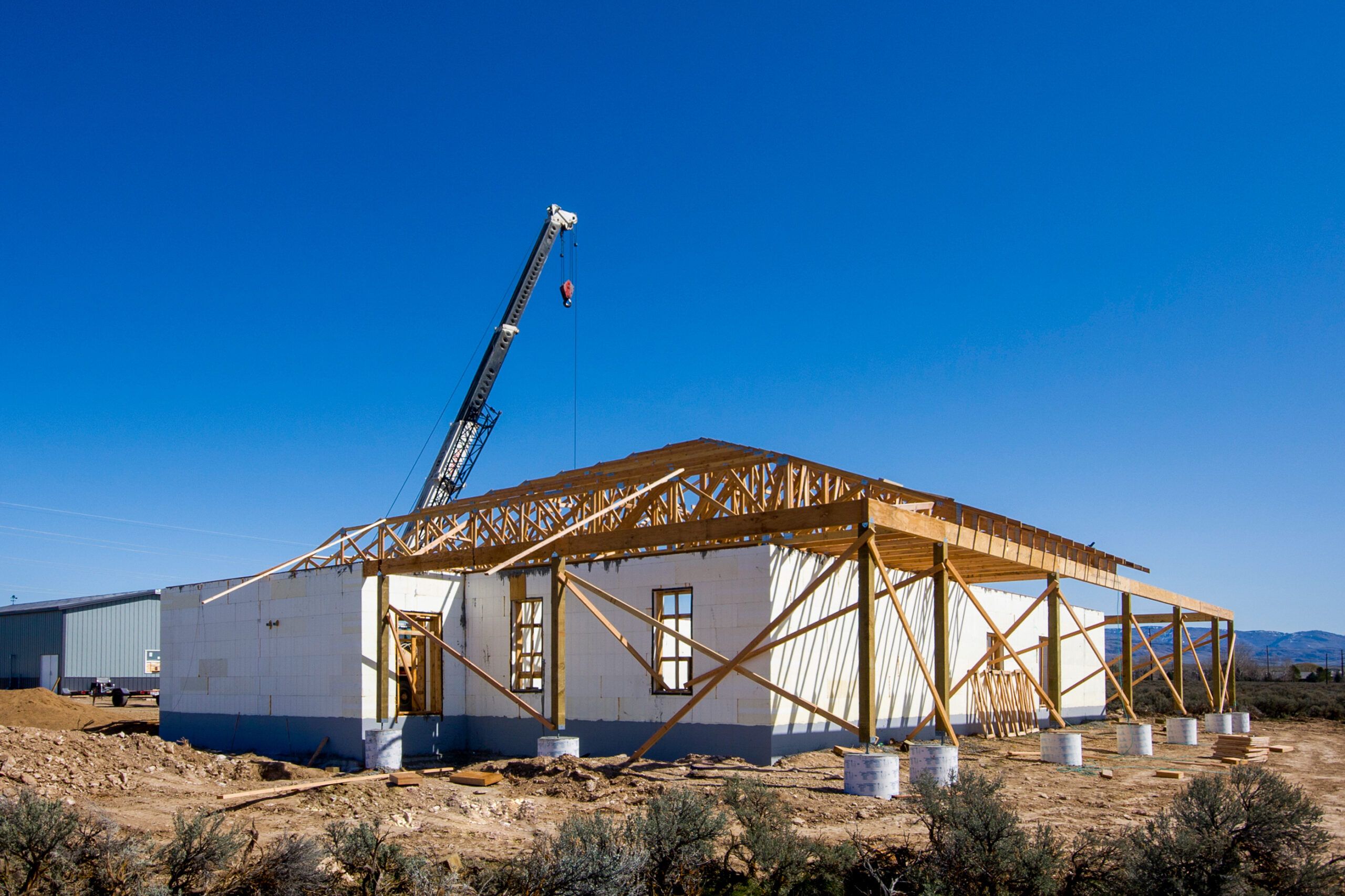
Insulated Concrete Forms (ICFs) are building materials that provide an excellent foundation for fire-resistant structures, offering strength and insulation. These interlocking modular units contain fire-retardant expanded polystyrene foam that connect to form a house’s shell. The shell fills with concrete, creating solid, insulated walls that are highly resistant to fire, sound, and weather.
Benefits of ICFs in Fire-Resistant Construction
ICFs offer several advantages in fireproof home construction:
- Affordability: While initially more expensive than traditional wood framing, ICFs can offer long-term savings through energy efficiency and durability.
- Durability: ICF structures can withstand various natural disasters, such as hurricanes and earthquakes.
- Energy efficiency: The insulation properties of ICFs help maintain indoor temperatures, potentially reducing energy costs.
- Fire resistance: ICF walls can withstand fire for up to four hours, providing extra time for evacuation and firefighting efforts.
Vera Novak, Technical Services Manager for the Insulating Concrete Form Association, says that using ICFs costs 1%–4% more than a bare-bones wood-frame house with no built-in fire protection. However, this investment can pay off in the long run through increased safety and energy savings.
Additional Components of a Fireproof Home
While ICFs form the core of a fireproof home, other components are equally important in creating a fully fire-resistant structure.
Fire-Resistant Roofing Options
The roof is one of the most vulnerable parts of a home during a fire, and having a strong roof ensures better protection against the elements. The following materials can withstand high temperatures and prevent the spread of flames to the rest of the house:
- Concrete or clay tiles
- Fiberglass-based asphalt shingles
- Metal roofing
- Slate
Flame-Resistant Siding Materials
Exterior walls are the first line of defense against encroaching fires. The following fire-resistant materials can improve the overall resistance of your home’s exterior and add a robust layer of protection to the exterior, blending performance with style:
- Brick or stone veneer
- Fiber cement siding
- Metal siding
- Stucco
Fire-Safe Windows and Doors
Windows and doors can be weak points in a fire-resistant structure. Here’s how you can improve safety and prevent fire and heat from entering through openings in your home:
- Add the proper sealing and additional fire-retardant treatments to reinforce entry points.
- Consider buying fire-rated doors for entrances and garage access.
- Install dual-paned or tempered glass windows.
- Use metal frames for windows and doors.
Advanced Fire Protection Techniques
Beyond your house structure, taking additional protection measures can improve your home’s fire resistance.
Implementing Fire-Resistant Landscaping
Firesafe landscaping can help slow the spread of fire and give firefighters a better chance to save your home. Integrating smart irrigation systems can also help maintain moisture levels and reduce fire risk. Here are a few additional landscaping tips to improve fire resistance around your home:
- Install non-combustible hardscaping features, such as stone walls or patios.
- Prune trees to prevent fire from spreading to the canopy.
- Remove flammable vegetation within 30 feet of the house.
- Use fire-resistant plants, such as blue fescue, yarrow, and stone plants, in landscaping.
Installing Sprinkler Systems and Fire Alarms
Install interior fire protection systems for early detection and fire suppression. These systems provide extra time for evacuation and can potentially extinguish small fires before they spread. Here are a few additional safety tips when installing these systems and alarms:
- Consider a monitored fire alarm system for added security.
- Install a whole-house sprinkler system.
- Place smoke detectors in every room and hallway.
- Use carbon monoxide detectors on each floor.
Fireproof Home Design Considerations
When designing a fireproof home, consider creating multiple exit routes from each room, designing wide hallways and staircases for easy movement, placing bedrooms near exits for a quick evacuation, and including a safe room with fire-resistant walls and doors. These design elements can improve the chances of safe evacuation during a fire.
You can also incorporate interior finishes to improve your home’s fire resistance. Use fire-resistant drywall or gypsum board, choose non-combustible flooring materials, such as tile or concrete, install fire-rated doors for interior rooms, and select fire-resistant fabrics, such as Kevlar or Nomex, for curtains and upholstery.
Building Codes and Regulations for Fireproof Homes
Understanding and following local building codes and fire safety requirements can help you stay safe in the event of a fire.
Understanding Local Fire Safety Requirements
Consult with local building authorities to verify compliance with fire safety regulations, and stay updated on these codes to ensure long-term compliance. Here are some factors to keep in mind when building a fireproof home:
- Minimum distances between structures
- Regulations on vegetation management around homes
- Required fire-resistant materials for exterior construction
- Specifications for fire-resistant roofing
Working With Fire Safety Inspectors
Fire safety inspectors can provide valuable insight and help you create the safest possible home. Use their expertise and input to help create a construction plan and make sure your home meets all necessary standards:
- Address any safety concerns or recommendations promptly.
- Obtain final approval before moving into the home.
- Schedule regular inspections during construction.
Cost Considerations for Fireproof Home Construction
While building a fireproof home may have higher upfront costs, there are a few long-term benefits, such as reduced energy costs, lower maintenance expenses, and higher resale value.
Initial Investment vs. Long-Term Savings
The initial cost of fireproof construction materials may be higher than traditional building methods, but there are some cost benefits to going this route:
- Increased durability and longevity of the structure
- Lower maintenance and repair expenses
- Potential savings on insurance premiums
- Reduced energy costs due to better insulation
Insurance Benefits of Fire-Resistant Homes
Many insurance companies offer discounts for homes built with fire-resistant materials and techniques. Check with your insurer and provide documentation of fire-resistant features for additional benefits. Some common insurance benefits of having a fire-resistant home include better policy coverage options, lower annual premiums, and reduced deductibles for fire-related claims.
Maintaining Your Fireproof Home
Regular maintenance can improve the lifespan of your home’s fireproofing. Follow a regular inspection and maintenance schedule for long-term safety, and consider upgrading areas of your home that don’t have strong fire-resistant properties.
Regular Inspections and Maintenance
Here are a few ways you can maintain your home’s fire resistance:
- Check and maintain fire protection systems, including sprinklers and alarms.
- Clean gutters and remove debris from the roof regularly.
- Inspect roofing and siding once a year for damage or wear.
- Trim your landscaping and maintain the plants around your home.
Upgrading Existing Homes for Fire Resistance
While not as complex as building from scratch, upgrading your home in minor ways can improve its fire resistance. Consult with fire safety experts to choose the most impactful upgrades based on your specific home and region. Here are a few methods for improving fire resistance:
- Implement fire-resistant landscaping techniques.
- Install fire-resistant windows and doors.
- Retrofit fire-resistant siding and roofing materials.
- Upgrade to a fire-resistant garage door.
Our Conclusion
Building a fireproof home is a significant investment in safety and peace of mind, especially for those living in fire-prone areas. While the initial costs of creating a fireproof structure may be higher, there are long-term benefits, such as increased safety, improved energy efficiency, and potential insurance savings.
By incorporating fire-resistant materials, such as ICFs, implementing advanced safety features, and following proper design and maintenance practices, homeowners can create a structure that withstands a fire.
