We may be compensated if you purchase through links on our website. Our team is committed to delivering honest, objective, and independent reviews on home products and services.
Installing your own kitchen cabinets can save you some serious cash, whether you’re building a brand-new home or simply remodeling your existing setup. The process might seem daunting at first, but it can be a breeze if you prepare properly and take precautions to keep yourself safe. Read our guide below to learn how to install kitchen cabinets, how to secure them to the wall, and how to add the perfect finishing touches.
Tools and Materials Needed to Install a Kitchen Cabinet
Gather the tools and materials below before you begin installation:
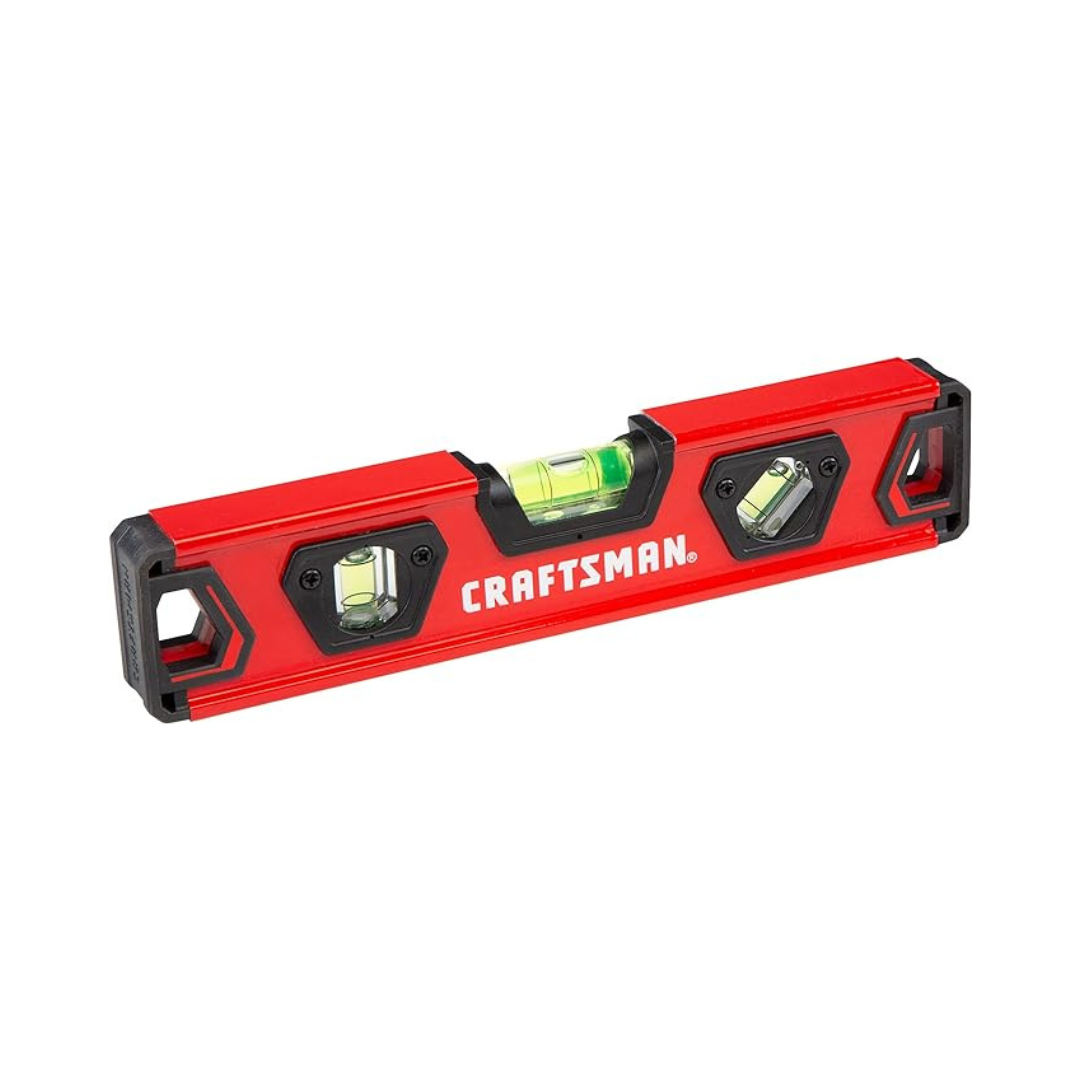
- 6-foot level
- Cabinet jack
- Cabinet screws
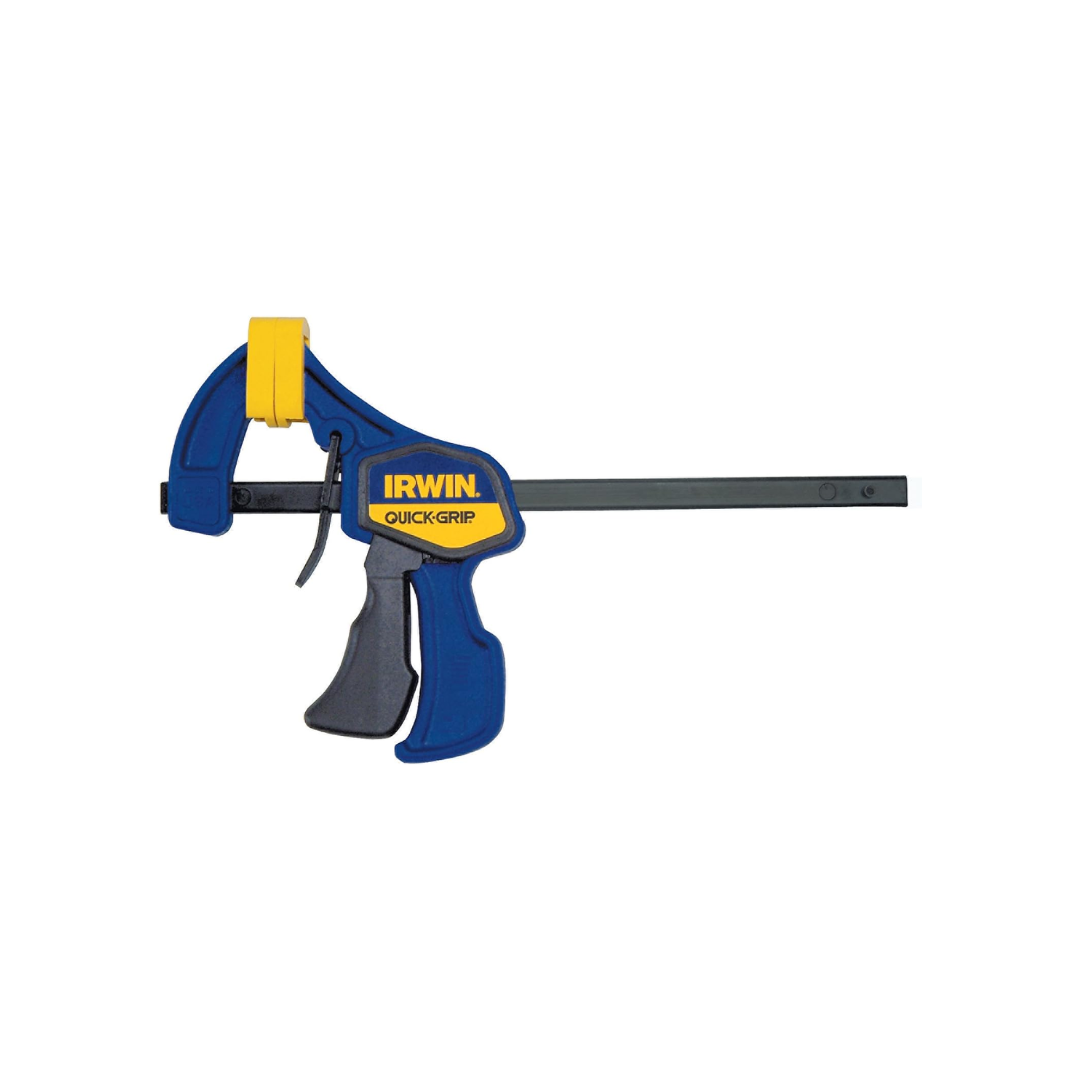
- Clamps
- Drill/driver
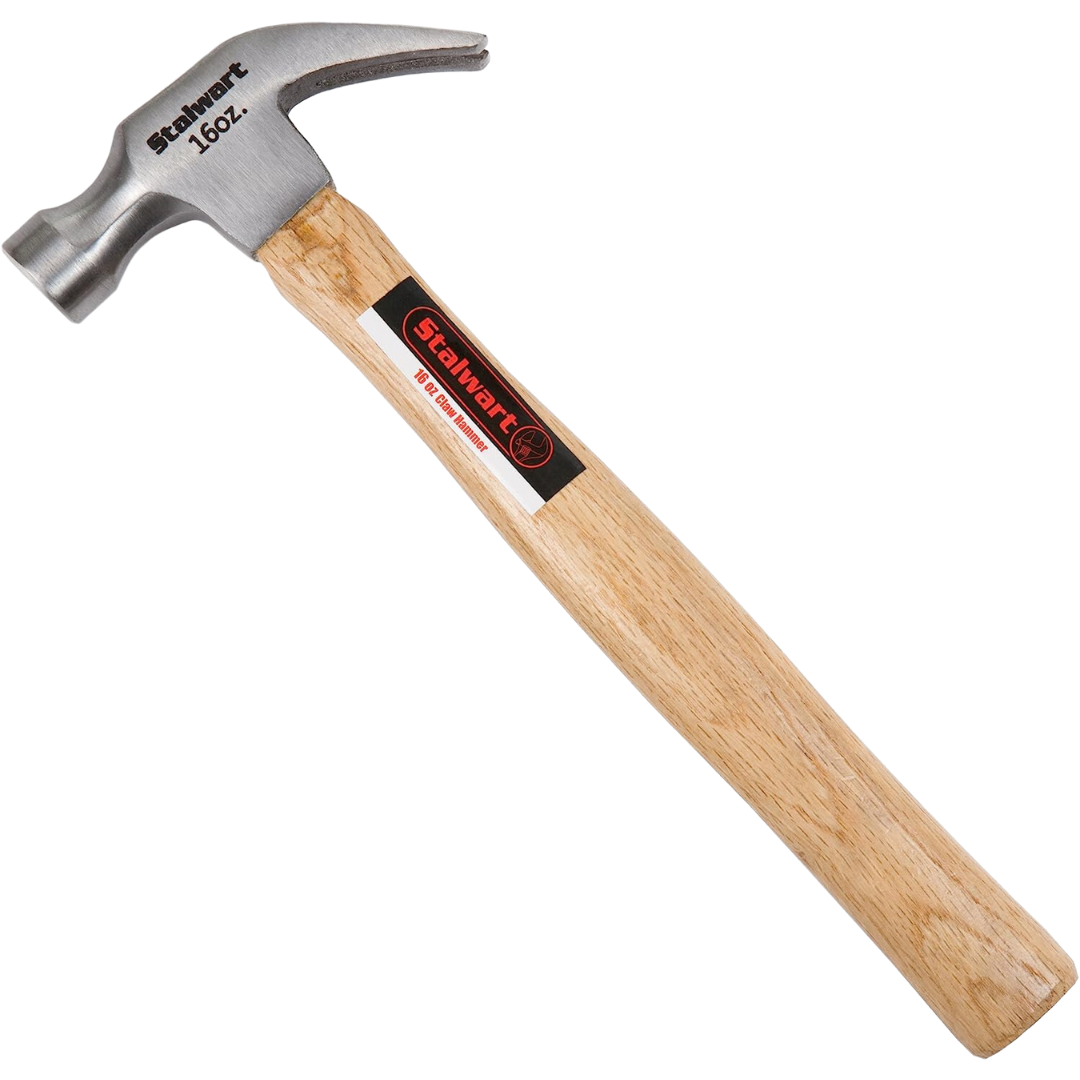
- Hammer
- Jigsaw
- Pencil
- Shims
- Stud finder
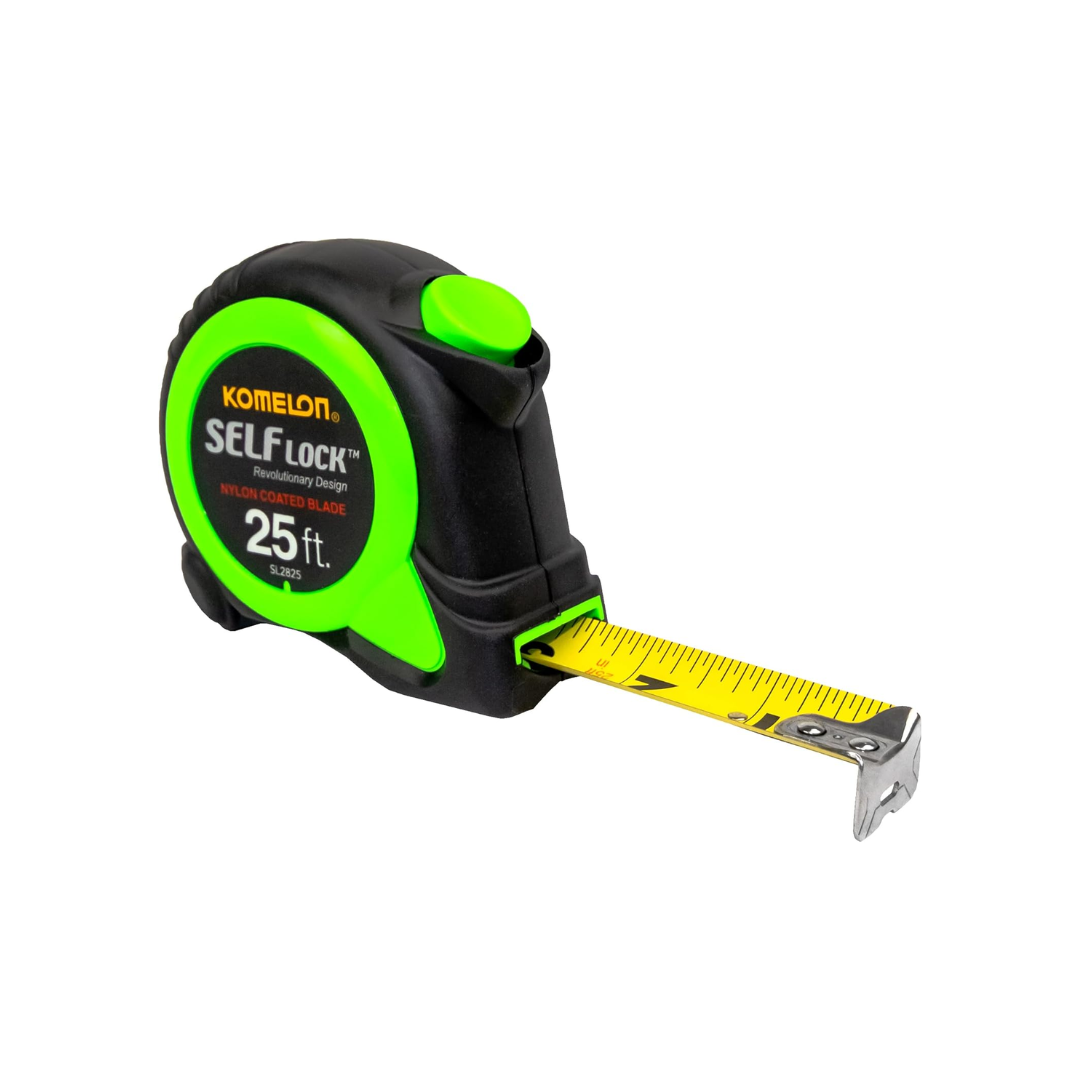
- Tape measure
Measuring and Planning a Kitchen Cabinet Installation
Follow the steps below to prepare your space, and remember that accurate measurements will help you achieve a seamless outcome:
- Measure the total length of your cabinet run, and add up the widths of all of the cabinets.
- Mark a plumb line on the wall to establish the positions of the cabinets.
- Determine the height of your cabinets, and consider factors such as refrigerator height and the clearance you want for your countertop.
- Draw reference lines on the wall with which you can guide your installation.
- Measure the height and width of any appliances you plan to install near the cabinets.
Installing Upper Cabinets
Starting installation with the upper cabinets will simplify your project because lower cabinets won’t be in the way. Follow the steps below.
Locating Wall Studs
You must locate the wall studs before you mount the cabinets. Follow the steps below.
- Use a stud finder to identify the locations of the studs behind the drywall.
- Mark the stud locations on the wall, and transfer these measurements to the backs of the cabinets.
- Pre-drill holes in the backs of the cabinets at the stud locations.
- Double-check your stud locations to make sure you can securely anchor your cabinets.
Mounting the First Cabinet
Once you’ve prepared your project, you can start mounting the first upper cabinet. Follow the steps below.
- Use a cabinet jack to hold the cabinet in place against the wall, or ask someone to assist you.
- Use a small level under the cabinet to make sure your setup is level.
- Secure the cabinet to the wall using 2 1/2-inch deck screws and cabinet washers.
- Use a level on the front of the cabinet to check for plumb alignment.
- Repeat your alignment checks before fully securing the cabinet.
Attaching Additional Cabinets
Once you’ve secured the first cabinet, continue the installation process by following the steps below.
- Clamp adjacent cabinets together.
- Use 1 1/4-inch screws to join the cabinets behind the face frames.
- Use a 6-foot level to check for alignment across the cabinets’ faces.
- Adjust for any bowing in the wall by loosening screws and inserting shims.
- Check for level and plumb alignment after you’ve mounted each cabinet.
Installing Lower Cabinets
After you’ve installed the upper cabinets, you can begin installing the lower cabinets. The process is similar, but there are a few additional variables to consider.
Preparing the Base
You must check for floor unevenness before you install your lower cabinets. Use a long level to see if there are any high spots or low spots. If the floor is uneven, create a level base by installing a filler strip along the floor, and shim it as needed. Then plan the layout of the lower cabinets. Consider the placement of all plumbing and electrical connections.
Joining and Leveling Cabinets
Proceed by joining and leveling cabinets on the floor before you line them up against the wall. Follow the steps below:
- Lay the base cabinets on their backs on a protective surface.
- Join the cabinets using 1 1/4-inch pan head screws.
- Measure across the face and back of the cabinets, and use shims to level them.
- Clamp the cabinets together and secure them with screws.
- Confirm your measurements, and make sure the cabinets are level and aligned.
Securing the Kitchen Cabinet to the Wall
Once you’ve joined and leveled the lower cabinets, you can secure them to the wall by following the steps below.
- Place the cabinet assembly on the prepared base or filler strip.
- Make sure the structure is level and plumb.
- Shim as necessary to achieve proper alignment.
- Secure the cabinets to the wall studs using appropriate screws.
- Make sure you’ve firmly attached all cabinets, and that they do not wobble.
You can make a sturdy base for your countertops and appliances by properly securing the lower cabinets.
Finishing Touches on Your Kitchen Cabinet Installation
Once you’re done installing the cabinets, you can complete your project with a few final steps. Consider the finishing touches below.
- Adjust doors and drawers so that they align properly and work efficiently.
- Attach toe kicks to the base of the lower cabinets.
- Clean the cabinets to remove any dust or debris.
- Install filler strips or panels to cover gaps between cabinets and walls.
- Install any hardware you like, such as handles and knobs.