
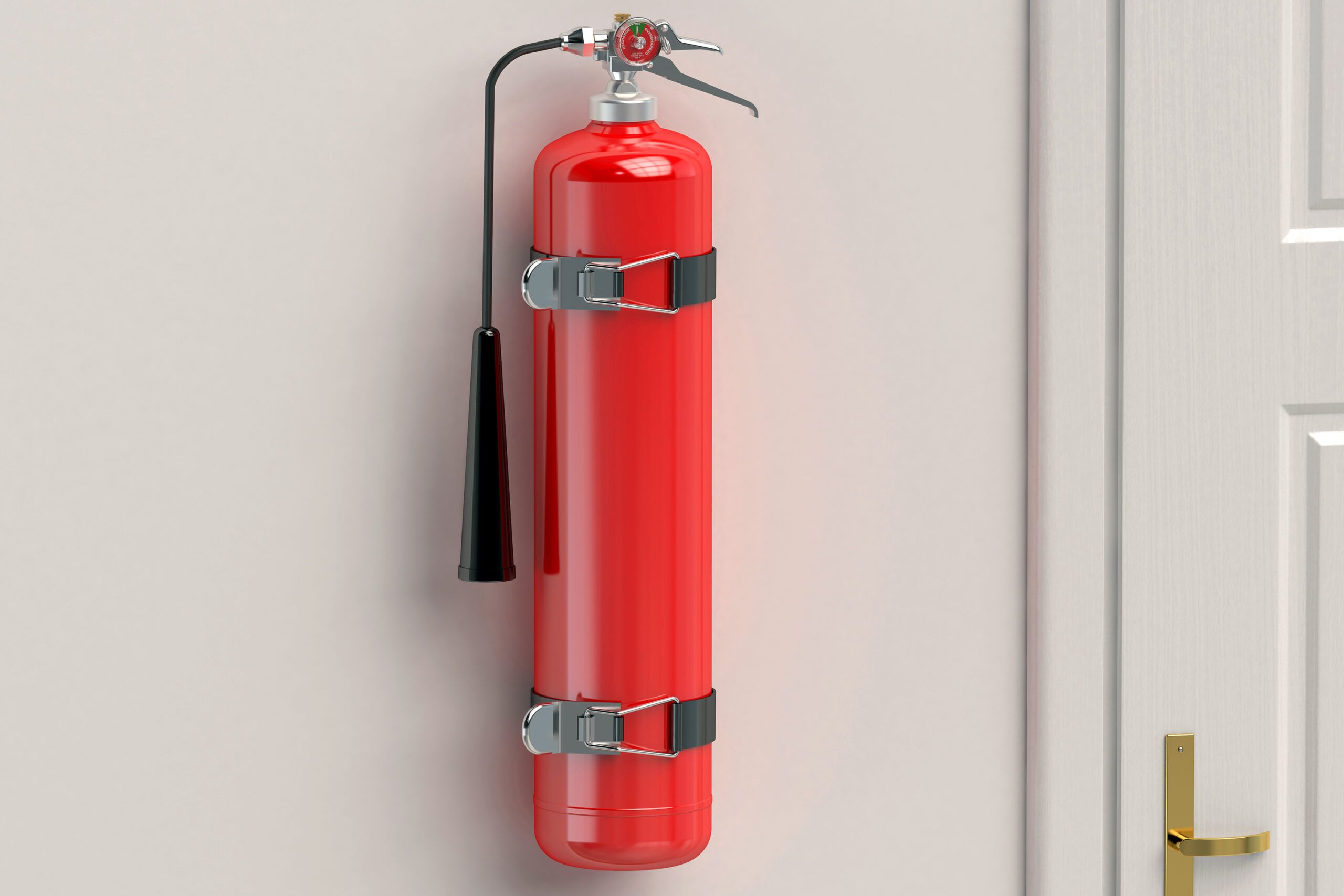
A fire extinguisher can prevent a minor incident from becoming a devastating house fire. Every homeowner should know how to choose the right type, where to place it, and how to use it effectively.
This guide to selecting a fire extinguisher will cover everything you need to know about fire extinguishers, from understanding the different classes to proper maintenance and usage techniques.
Understanding Fire Extinguisher Classes
Fire extinguishers are classified based on the types of fires they can put out. Let’s break down the five main classes of fire extinguishers and what they’re designed to handle.
Most fire extinguishers you find at a hardware store will be rated for multiple classes. The most common is an A:B:C fire extinguisher that can handle the three most common types of fires you’ll want to guard against in your home.
Class A: Ordinary Combustibles
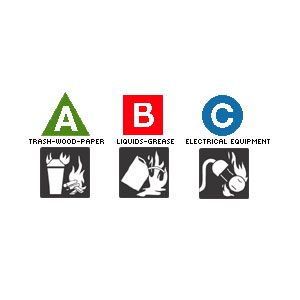
Class A extinguishers are designed to extinguish fires involving ordinary combustible materials such as wood, paper, cloth, and many plastics. These are the most common types of house fires. Class A extinguishers typically use water or foam to cool and quench the fire.
Class B: Flammable Liquids
These extinguishers are effective against fires involving flammable liquids such as gasoline, oil, grease, and some paints. Class B extinguishers often use dry chemicals or carbon dioxide to smother the fire and prevent reignition.
Class C: Electrical Fires
Class C extinguishers are specifically for fires involving energized electrical equipment. They use non-conductive agents like carbon dioxide or dry chemicals to extinguish the fire without risking electrical shock to the user.
Class D: Flammable Metals
While less common in household settings, Class D extinguishers are designed for fires involving combustible metals such as magnesium, titanium, and sodium. These specialized extinguishers use dry powder agents to smother and cool the fire.
Class K: Kitchen Fires
Class K extinguishers are specifically for kitchen fires involving cooking oils and fats. They use a fine mist of potassium compounds to create a soapy foam that cools and smothers the fire, preventing re-ignition.
In the video below, This Old House’s Kevin O’Connor explains how dangerous home fire can become.
Understanding Fire Extinguisher Labels
Fire extinguisher labels provide important information about the extinguisher’s capabilities and effectiveness, but can be confusing at first glance. Let’s break down what these terms mean and how to interpret them.
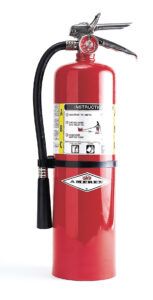
After the letters we just described, you’ll see numbers on fire extinguisher labels. These numbers indicate the extinguisher’s relative effectiveness against each type of fire. For example, a 4-A:80-B:C rating means the following:
- 4-A: Effective against Class A fires, with 4 referring to a measure of water equivalency (a 1 equals 1 ¼ gallons of water)
- 80-B: The number here deals with the size of the fire it can handle. In this case, the extinguisher can put out 80 square feet of Class B fire
- C: Suitable for use on electrical fires (no number is associated with C ratings)
The higher the number, the more effective the extinguisher is for that class of fire.
Underwriters Laboratory (LB) Certification
Look for the Underwriters Laboratory (UL) certification on the extinguisher. This indicates that the extinguisher has been tested and meets safety standards. The UL label also provides information about the extinguisher’s size, type, and proper use.
Selecting the Right Size Fire Extinguisher
Choosing the right-sized fire extinguisher is crucial for effective fire suppression. The size of the extinguisher affects its weight, discharge time, and overall effectiveness. Here’s a guide to help you select the correct size for different areas of your home.
2-Pound Extinguishers
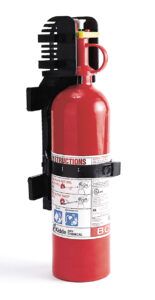
These small, portable extinguishers are ideal for cars, boats, or small areas in your home. They’re lightweight and easy to handle but have limited discharge times and coverage areas.
5-Pound Extinguishers
A 5-pound extinguisher offers a good balance between portability and effectiveness for most household needs. It’s suitable for the following areas:
- Kitchens
- Laundry rooms
- Living areas
- Small workshops
10-Pound Extinguishers
These are intended for larger areas or where a fire might grow before being noticed, including:
- Garages
- Workshops
- Basements
- Commercial kitchens
Although heavier, 10-pound extinguishers offer extended discharge time and greater coverage than smaller ones, making them ideal for high-risk areas.
The Best Fire Extinguishers for Your Home
Once you understand how to best choose a fire extinguisher that’s best for your home, the next step is making a purchase based on the type of extinguisher you think will fit your situation the best. Here are our picks for the top fire extinguishers on the market.
Best Aerosol Spray
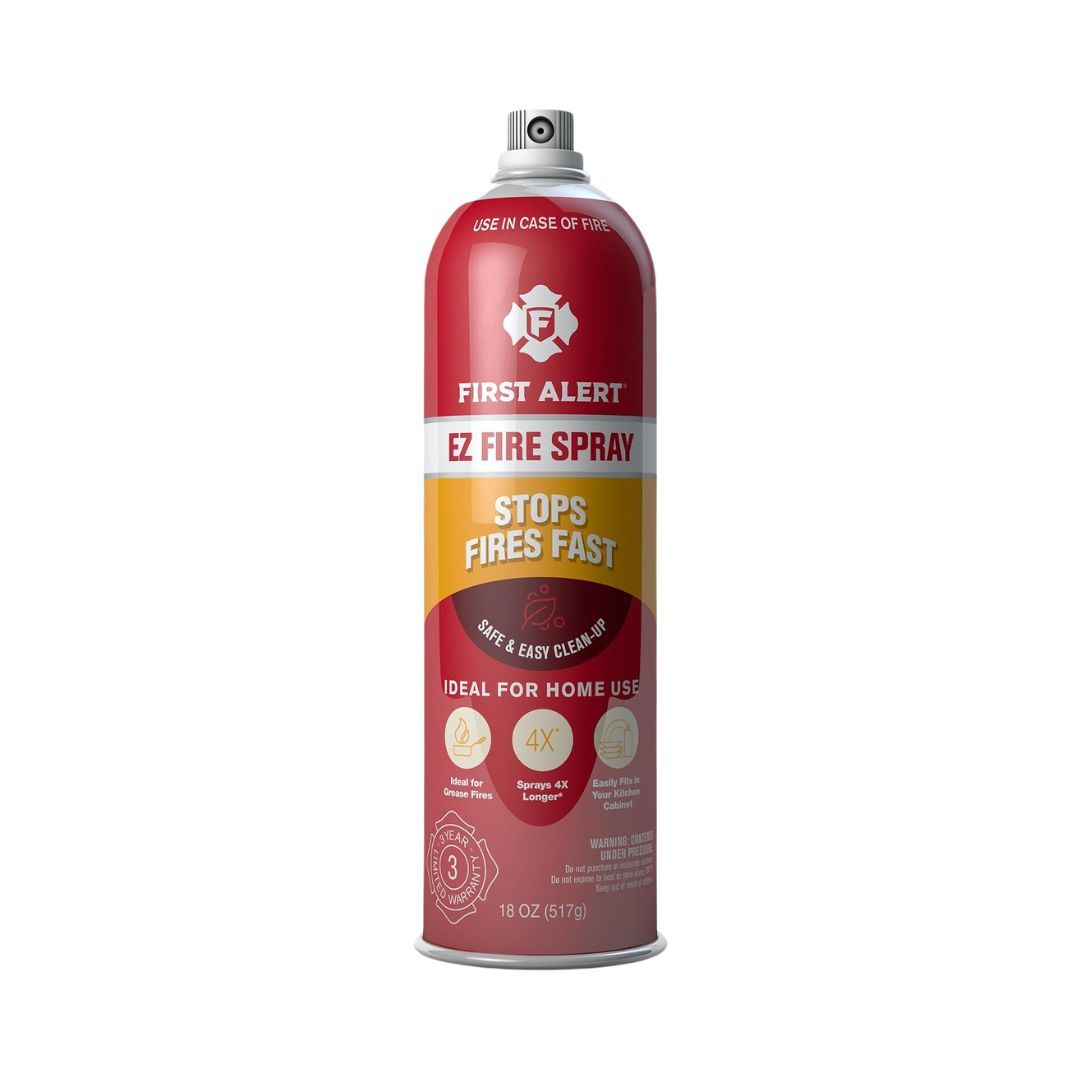
First Alert EZ Fire Spray Fire-Extinguishing Aerosol Spray
- $13.84
- $27.99
- 51% off
Prices taken at time of publishing.
Key Features
- Discharges in 32 seconds
- Weighs 0.15 ounces
- Works on Class A, B, and C fires
- Includes a three-year warranty
- Has an aerosol spray extinguishing agent
- Has an ETL safety rating
What Customers Are Saying
Satisfied customers said that this product worked well on a variety of fires, including those in grills, microwaves, and toaster ovens. They also said that its extinguishing material was easy to clean after discharge. Those who were unsatisfied with their purchase said that the spray was weak or limited, which affected its ability to fully extinguish some fires.
Best Pack
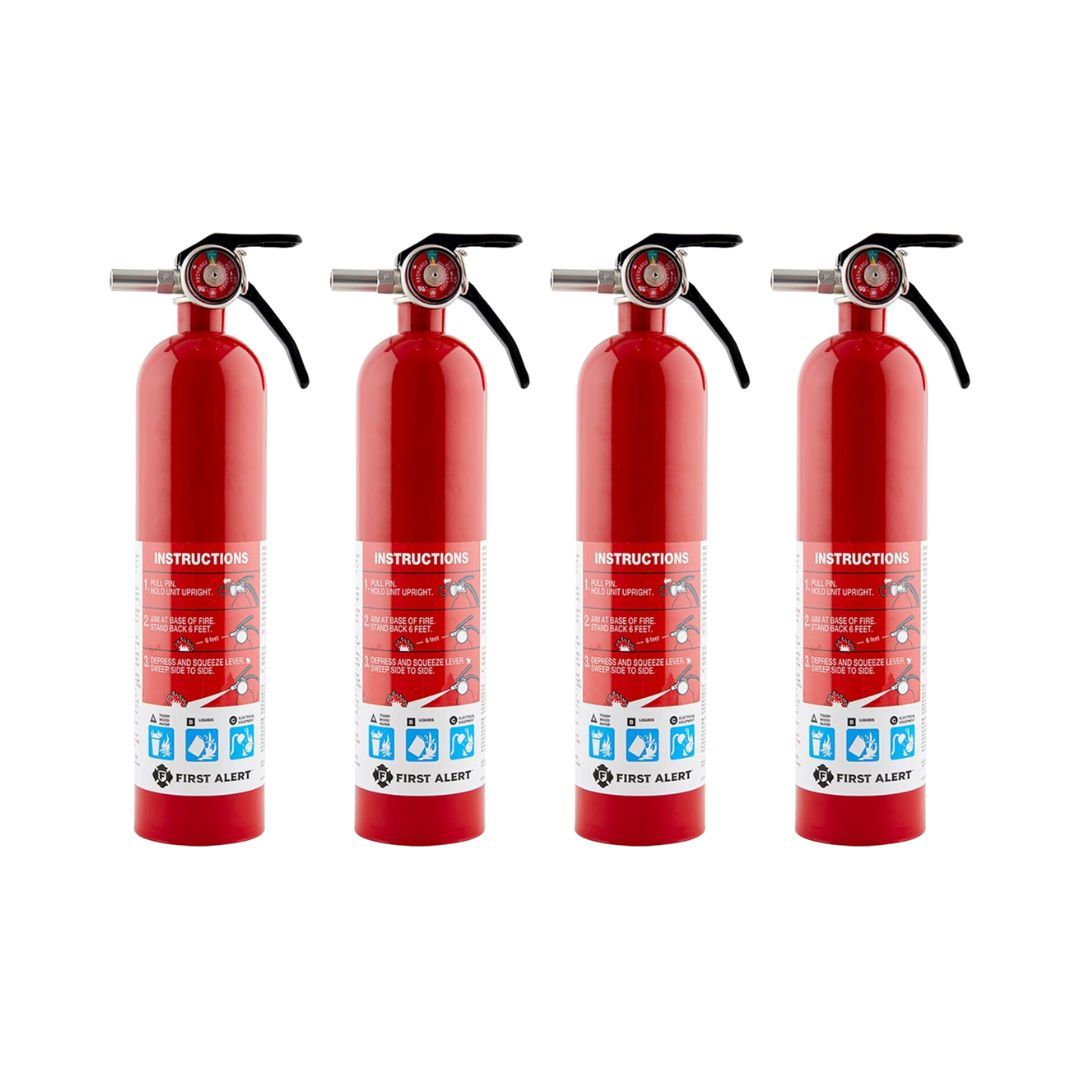
First Alert HOME1 Rechargeable Home Fire Extinguisher
- $79.86
- $99.99
- 20% off
Prices taken at time of publishing.
Key Features
- Weighs five pounds each
- Works on Class A, B, and C fires
- Includes a 10-year warranty
- Approved by the U.S. Coast Guard
- Comes with a mounting bracket and strap
- Has a monoammonium phosphate extinguishing agent
- Has a UL safety rating
What Customers Are Saying
A majority of the reviewers were satisfied with their purchase, noting that the extinguishers were well-made and easy to hang. A handful of reviewers used the fire extinguisher for a stove or dumpster fire and said that it worked as advertised. A couple dissatisfied customers said that they ordered the four-pack and only received one extinguisher.
Best 10-Pound Extinguisher
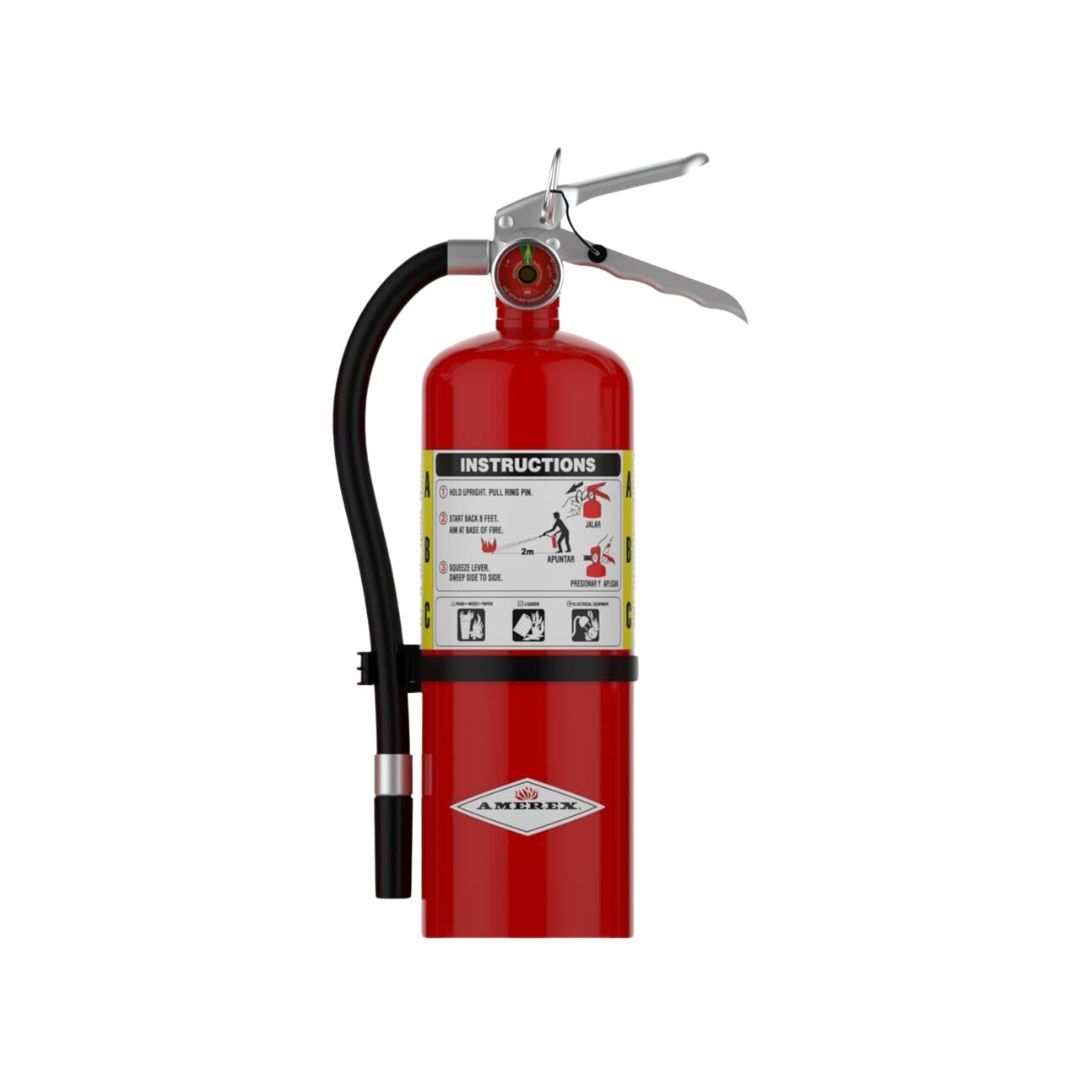
Amerex B402 Fire Extinguisher
- $73
- $95.99
- 24% off
Prices taken at time of publishing.
Key Features
- Discharges in 14 seconds
- Weighs 10 pounds
- Works on Class A, B, and C fires
- Includes a 10-year warranty
- Approved by the U.S. Coast Guard
- Comes with a mounting bracket
- Has a dry chemical extinguishing agent
What Customers Are Saying
Customers who used the extinguisher said that it worked well, and those who had issues said that the vendor provided fast and professional responses and solutions. A handful of dissatisfied customers said that their canister arrived with a broken seal, which caused the powder contents to leak in the box.
Best Five-Pound Extinguisher
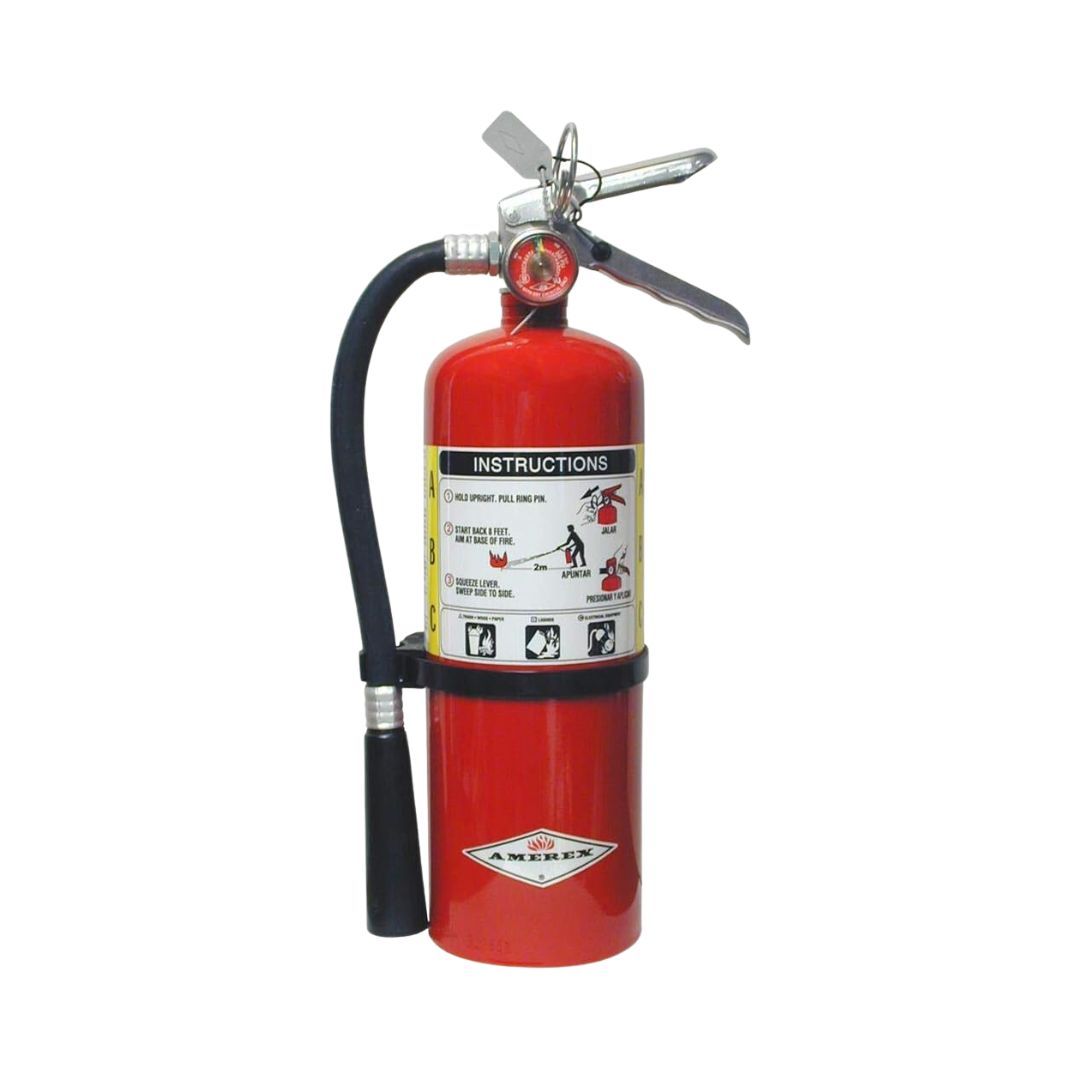
Amerex B500 Fire Extinguisher
- $69
Prices taken at time of publishing.
Key Features
- Discharges in 14 seconds
- Weighs five pounds
- Works on Class A, B, and C fires
- Comes with a mounting bracket
- Has a monoammonium phosphate extinguishing agent
What Customers Are Saying
Customers who were satisfied with their purchase liked the medium size and high quality of this product. Those who gave this product a low rating said that the item arrived already discharged and that the company wouldn’t give them a refund.
Best Lightweight Extinguisher
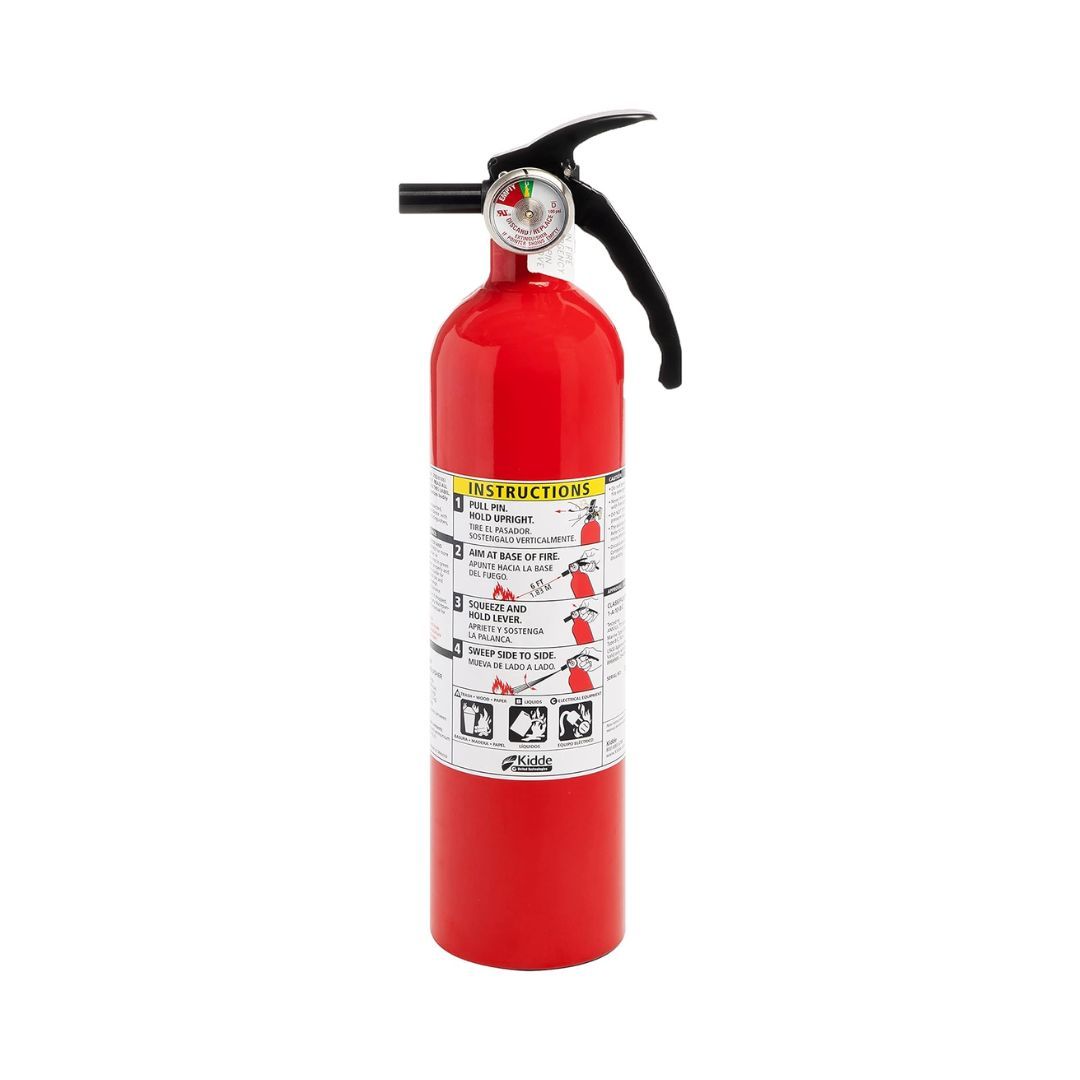
Kidde FA110 Multi-Purpose Fire Extinguisher
- $27.99
- $36.99
- 24% off
Prices taken at time of publishing.
- Weighs 2.5 pounds
- Works on Class A, B, and C fires
- Includes a six-year warranty
- Approved by the U.S. Coast Guard
- Comes with a mounting bracket and strap
- Has a dry chemical extinguishing agent
- Has a UL safety rating
What Customers Are Saying
Customers stated that this fire extinguisher served its purpose, with one saying that it stopped a grass fire and one saying that it saved their vehicle from total loss. Others gave the product a high rating for its high quality at an affordable price. Dissatisfied customers said that the product arrived empty without extinguishing powder in its canister.
Best Locations for Fire Extinguishers in Your Home
The National Fire Protection Association recommends placing fire extinguishers along normal travel paths for easy access. Here are some specific guidelines for key areas.
Kitchens
The kitchen is one of the most common places for fires to start. Place a fire extinguisher near an exit and away from potential fire sources. A 5-pound ABC-rated extinguisher is typically suitable for kitchen use. For added protection against grease fires, consider a Class K extinguisher.
Garages and Workshops
Garages and workshops often contain flammable liquids and power tools, increasing fire risk. We suggest a 10-pound ABC-rated extinguisher for these areas. Mount it near the exit, ensuring it’s easily visible and accessible.
Bedrooms
Having a fire extinguisher near bedrooms can protect you during nighttime emergencies. Place a 5-pound ABC-rated extinguisher in the hallway outside bedrooms, ensuring it’s easily accessible to all family members.
How To Use a Fire Extinguisher: The PASS Technique
Knowing how to use a fire extinguisher correctly can make all the difference in an emergency. The PASS technique is a simple, effective method for operating most fire extinguishers.
Remember, you should only use fire extinguishers on small, contained fires. If the fire is large or spreading, evacuate immediately and call 911.
Step 1: Pull the Pin
The first step is to pull the pin at the top of the extinguisher. This breaks the tamper seal and allows you to discharge the extinguisher.
Step 2: Aim at the Base of the Fire
Aim the nozzle or hose at the base of the fire — not at the flames. This is crucial, as you want to extinguish the source of the fire, not just the visible flames.
Step 3: Squeeze the Lever
Squeeze the lever slowly and evenly. This releases the extinguishing agent. Some extinguishers may have a button instead of a lever.
Step 4: Sweep from Side To Side
Using a sweeping motion, move the nozzle from side to side at the base of the fire. Continue until the fire appears to be out. Watch the area carefully for re-ignition and repeat the process if necessary.
In the video below, This Old House editor Natalie Rodriguez displays how to use a fire extinguisher.
Common Mistakes When Using Fire Extinguishers
Even with proper training, people can make mistakes when using fire extinguishers in high-stress situations.
One of the most common mistakes is aiming the extinguisher at the flames rather than the base of the fire. People also often get too close to the fire in the heat of the moment. This can be dangerous and reduce the effectiveness of the extinguisher. Stay at least 6–8 feet away from the fire when using an extinguisher.
Always position yourself with an exit at your back when fighting a fire. This ensures you have a clear escape route if the fire grows or the extinguisher runs out. Never let the fire come between you and your exit.
Maintaining Your Fire Extinguisher
Regular checks and proper care can significantly extend the life of your extinguishers and maintain their effectiveness.
Regular Inspections
Perform monthly visual inspections of your fire extinguishers. Take the following steps:
- Check that the pressure gauge is in the green zone
- Ensure the pin and tamper seal are intact
- Look for signs of damage, corrosion, or leakage
- Verify that the nozzle is unobstructed
You should also have a professional inspect your fire extinguishers annually to make sure they meet safety standards.
Recharging vs. Replacing
A fire extinguisher must be recharged or replaced after use, even if only partially discharged. For rechargeable models with metal valves, professional recharging is often more cost-effective than replacement. Disposable extinguishers with plastic valves should be replaced after use.
If the pressure gauge shows low pressure or the extinguisher is over 12 years old, it’s time for replacement or professional servicing.
Our Conclusion
Fire extinguishers are invaluable tools for home safety, but they’re only effective when used correctly. By understanding the different classes, choosing the right size and type for your needs, and knowing proper placement and usage techniques, you can enhance your home’s fire safety.
While fire extinguishers can handle small fires, they don’t substitute for a comprehensive fire safety plan. Always prioritize personal safety, have working smoke detectors, and regularly practice your family’s fire escape plan.
For additional fire safety measures, consider installing a fire sprinkler system in your home. This can provide an extra layer of protection and potentially save lives in the event of a larger fire. With the right knowledge and preparation, you can create a safer environment for you and your loved ones.
