

From preparing new molding to stripping paint off furniture, random orbit sanders are a versatile tool for woodworking and do-it-yourself (DIY) projects. We’ll guide you through the available features and types, as well as how to use them properly.
What Is a Random Orbit Sander?
A random orbit sander is a power tool designed to efficiently sand wood and other materials while leaving a smooth, swirl-free finish. Unlike traditional orbital sanders, which move in a fixed circular pattern, random orbit sanders combine two distinct motions: a spinning disc and an elliptical movement. This unique dual-action prevents any single abrasive particle from following the same path twice, resulting in a more uniform sanding pattern.
Random orbit sanders are commonly used to strip paint, prepare new molding, and smooth surfaces between finish coats. However, you can also use them for metal and composite materials like solid-surface countertops. “On the TV projects and at the New Yankee Workshop, we use random orbits more than any other sander,” says This Old House master carpenter Norm Abram.
Benefits of Using a Random Orbit Sander
Random orbit sanders’ unique motion makes sanding tasks quick without leaving visible marks, even if you’re working across the grain. They can handle aggressive stock removal and fine finishing, depending on the grit of sandpaper you use. They also tend to produce less dust than other power sanders, especially when used with a dust collector or shop vacuum.
Types of Random Orbit Sanders
Random orbit sanders come in three main sizes and configurations to suit different needs and preferences. Here’s some more about each one.
Palm Sanders
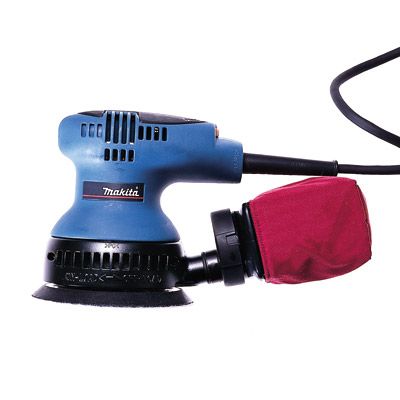
Palm sanders are compact and lightweight, making them a good choice for small projects like refinishing furniture and sanding drywall patches. You can hold them in one hand, either over the top or around the neck for different maneuverability. They typically have a 5-inch pad and operate at high speeds, usually around 10,000–13,000 orbits per minute (OPM).
Right-Angle Drive Sanders
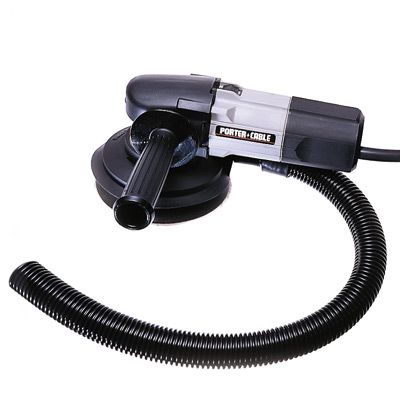
Right-angle drive sanders have a horizontal, barrel-style body where a motor runs perpendicular to a 5- or 6-inch sanding pad. The pad runs slower at around 5,000 orbits per minute, which helps prevent overheating from the powerful 3.5–5 amp drive. Professionals and more experienced DIYers commonly use these sanders to finish large surfaces like cabinets, doors, or tabletops.
In-Line Drive
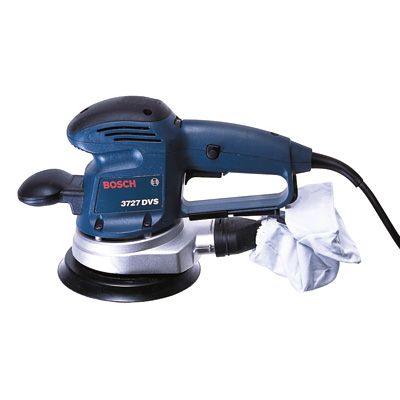
In-line drive sanders offer the best of both palm sanders and right-angle models. Their motor sits above a 6-inch pad for a more balanced and comfortable grip. These sanders can handle both small and large projects and might be a good fit for you if you need the power of a right-angle sander with less bulk and finer controllability.
Detail Sander
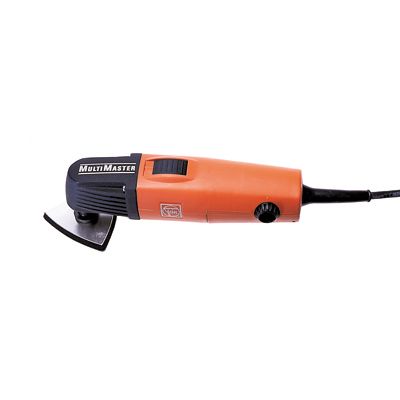
Though it’s not a random-orbit sander, a detail sander can go where round-pad sanders can’t. Its triangular pad, which orbits without rotating, can fit into small corners, making it a great tool for finishing furniture or sanding intricate molding. Top-of-the-line heavy-duty machines have optional accessories, including scraper blades and flush-cutting saws.
How To Choose a Random Orbit Sander
Each random orbit sander suits different performance and project needs. Consider the following features to make an informed decision.
Pad Size and Shape
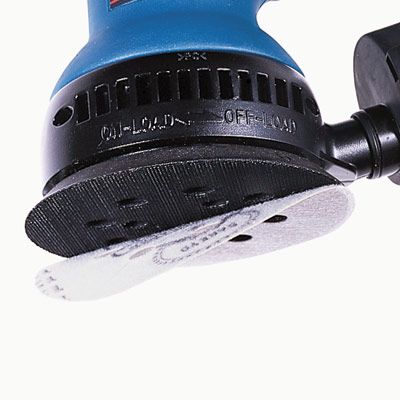
Random orbit sanders typically include 5- or 6-inch pads. Larger pads quickly cover more area but can be less maneuverable in tight spaces. The pad’s shape can also vary, with some models offering triangular pads to reach into tight corners and along edges.
When considering size and shape, ask yourself what type of projects you’ll be working on most. For general-purpose use, a 5-inch round pad is often a good choice, balancing coverage with maneuverability.
Motor Power and Speed
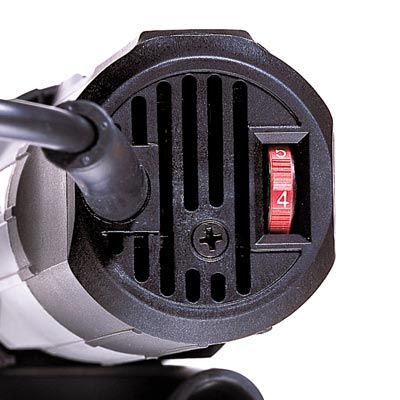
The motor power of a random orbit sander typically ranges from 2 to 5 amps. More powerful motors work faster and are best suited for heavy-duty tasks. Many sanders also offer variable speed control, so you can adjust the orbits per minute (OPM) for different materials and finishes.
When choosing a sander, look for a model with a wide range of speeds. This versatility allows you to work efficiently on various projects, from aggressive material removal to delicate finishing. Some high-end models also feature a soft-start option, which gradually ramps up to full speed, protecting delicate surfaces and improving control.
Dust Collection System
Effective dust collection is essential for your health and a clean work environment. Some sanders feature through-the-pad dust collection to catch fine particles, as well as built-in dust ports you can connect to a shop vacuum or dust bag.
Ergonomics and Comfort
Since you may be using your sander for extended periods, comfort and ergonomics are important to consider. Look for features such as rubberized grips, vibration reduction technology, and balanced weight distribution. Some models offer multiple grip positions, allowing you to adjust your hand placement for different tasks and limit fatigue.
Warranty and Parts
Consider each manufacturer’s warranty, the availability of replacement parts, and customers’ opinions of specific sander models. The cost of sandpaper discs can add up quickly, so it’s worth considering the cost and availability of replacements.
Essential Accessories for Random Orbit Sanders
The right accessories can help you get the most out of your random orbit sander.
Sandpaper Discs
Sandpaper discs come in various grits, ranging from coarse (for rapid material removal) to very fine (for finishing work). Many modern sanders use hook-and-loop (Velcro-like) attachment systems, allowing quick and easy paper changes.
When buying sandpaper discs, confirm they match your sander’s pad size and dust collection hole pattern. Hook-and-loop discs are more expensive than adhesive-backed options, but they’re often more economical in the long run as they can be reused. Keep a variety of grits on hand to tackle different projects efficiently.
Dust Bags and Vacuum Attachments
While many sanders come with a basic dust bag, investing in a high-quality dust collection system can significantly improve your experience. Consider purchasing a dedicated dust extractor or shop vacuum with a fine-particle filter. You may be able to connect your sander directly to these systems for superior dust collection.
Proper Techniques for Using a Random Orbit Sander
Mastering the proper techniques for using a random orbit sander can help you achieve better results and extend the life of your tool. Here are some key practices to follow:
Preparing the Work Surface
Before sanding, remove loose hardware that could damage the pad. If you’re refinishing an existing piece, starting with a thorough cleaning is often helpful to remove dirt and grime. For uneven surfaces, save time and sandpaper by using a hand plane to level high spots first.
Starting and Stopping the Sander
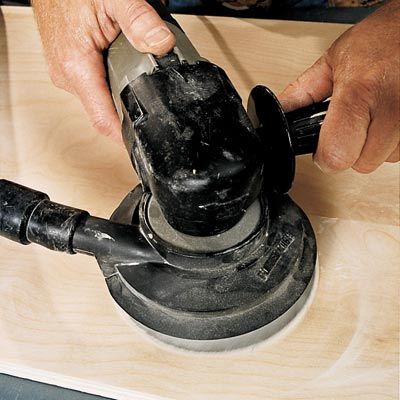
When you first use your sander, experiment on scrap wood to see how much it lurches when starting up. If the sander doesn’t lurch much, it’s usually good practice to plant the disc on the surface before starting the sander, then lift the disc off the surface before turning it off. This will help you avoid nasty scuff marks.
If the sander does lurch hard when it starts, you’ll need to do things differently to prevent digging deep, annoying divots. In that case, it’s better to start in the air and then land flat on the surface with the motor running.
Sanding Flat Surfaces With a Random Orbit Sander
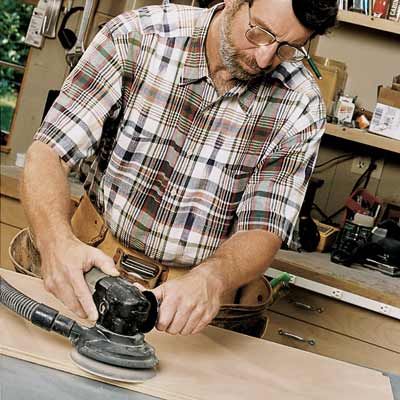
When sanding flat surfaces, start with a coarser grit. Glide the tool across the surface, working from side to side so you can sand everywhere without dwelling too long. Sand the whole surface across the grain, then diagonal to the grain, then with the grain.
Keep the sander moving, but don’t press hard or scrub. The sander’s weight, combined with your gentle steering control, will effectively do the job.
When you’re done, stop the sander, vacuum the piece, and wipe it with tack cloth to remove dust particles that could leave scratches. Move to progressively finer grits as necessary for a smooth finish, but don’t risk deep scratches by skipping more than one grit level.
Sanding Edges and Corners With a Random Orbit Sander
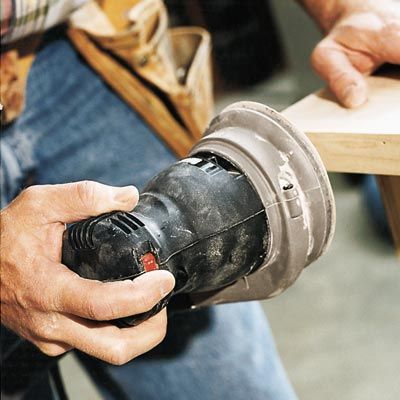
Sanding edges and corners requires more care to avoid rounding off sharp edges or creating uneven surfaces. When approaching an edge, lift the sander off the piece. Flopping the sander over will buff away the crisp corner.
Center the edge of the sandpaper pad and use both hands to keep the pad square to the wood. You might need to put down your random orbit sander and use a detail sander as necessary to guide along edges.
Sanding Finishing Touches
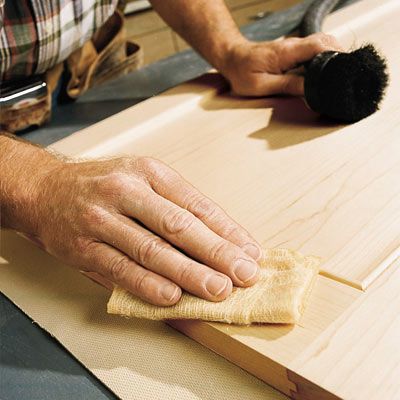
After completing the main sanding work, use a bright light to check for any remaining scratches or uneven areas. Before applying any finishes, remove all sanding dust with a vacuum and tack cloth.
Random Orbit Sander Safety Precautions and Best Practices
Sanding safely should be your first priority. When operating a random orbit sander, take the following precautions:
- Allow the sander to come to a complete stop before setting it down.
- Ensure proper ventilation in your work area, especially when sanding materials that may produce harmful dust.
- Keep the power cord away from the sanding pad to prevent damage.
- Regularly inspect the sander and its accessories for signs of wear or damage.
- Secure your workpiece to prevent it from moving during sanding.
- Unplug the sander when changing sandpaper or performing any maintenance.
- Wear appropriate personal protective equipment, including safety glasses and a dust mask.
Is a Random Orbit Sander Good for Everything?
While random orbit sanders are versatile tools, belt and orbital sanders may be better choices for some surfaces and tasks.
Random Orbit Sanders vs. Belt Sanders
Belt sanders are more aggressive and can remove material much faster than random orbit sanders. They’re ideal for large, flat surfaces and tasks like leveling uneven floorboards. However, they can leave visible sanding marks and are less suitable for fine finishing work.
Random orbit sanders, on the other hand, are better for achieving a smooth, swirl-free finish. They’re more versatile and easier to control, making them a better choice for many furniture and woodworking projects.
Random Orbit Sanders vs. Orbital Sanders
Orbital sanders (also known as sheet sanders or finish sanders) move in a simple circular pattern. They’re gentler than random orbit sanders and excel at very fine finishing work. However, they’re slower at removing material and can leave swirl marks if not used carefully.
Random orbit sanders offer a good balance between effective material removal and refined finishing. Their dual-action motion allows them to sand more quickly than orbital sanders while producing a smooth finish.
Our Conclusion
Random orbit sanders are versatile and efficient tools that have earned their place in both professional workshops and DIY toolkits. When choosing a random orbit sander, consider factors such as motor power, pad size, dust collection efficiency, and ergonomics. Using the right sander and proper techniques for your project can help you achieve professional-quality results.
