
Have you ever driven by a home with a beautiful exterior and wondered what the secret is? Often, the answer is vinyl siding. This siding option isn’t only popular because of its good looks — it’s also affordable, durable, and requires little maintenance.
In this guide, we’ll look at the benefits, types, costs, and installation techniques of vinyl siding. By the end, you’ll have all the knowledge you need to decide if this siding is the right fit for your home.
What Is Vinyl Siding?
Vinyl siding is a plastic exterior cladding for houses. It’s often made from polyvinyl chloride (PVC) resin and additives to enhance its performance and appearance. Vinyl siding is known for its durability, versatility, and wide range of color options, making it one of the most popular siding options for homeowners.
Advantages of Vinyl Siding
Vinyl siding offers several benefits, which we’ll discuss in detail below.
Low Maintenance
Unlike wood siding, which needs regular painting and sealing, vinyl siding retains its color and doesn’t require painting. To keep it looking its best, a simple wash with a soft-bristle brush and a mixture of vinegar and water is usually enough. This Old House’s Tom Silva put vinyl on his own house, explaining, “I don’t have time for painting. I’d rather spend weekends on my boat.”
Cost-Effectiveness
Vinyl siding is one of the cheapest siding options on the market. While prices vary, data from Angi shows that vinyl siding costs between $3 and $12 per square foot, not including trim pieces. This is significantly less expensive than brick or stone siding, which can cost up to $20 or $30 per square foot.
Durability
Modern vinyl siding is engineered to withstand various weather conditions, including high winds, extreme temperatures, and moisture. Many manufacturers offer warranties that cover fading, cracking, and other damage.
Energy Efficiency
Insulated vinyl siding can contribute to better energy efficiency in your home. By adding a layer of foam insulation to the back of the vinyl panels, your home can be warmer in the winter and cooler in the summer. This additional insulation reduces the strain on your heating and cooling systems, potentially lowering energy bills.
Types of Vinyl Siding
Vinyl siding comes in various styles and profiles to suit different architectural designs and personal preferences. Here are some of the most popular types.
Clapboard Siding
Clapboard, also known as lap siding, is the most common type of vinyl siding. It features long, horizontal panels that overlap slightly, mimicking the look of traditional wood clapboard. This style suits a wide range of home designs, from colonial to contemporary. Its classic appeal makes it a popular choice for homeowners.
Insulated Vinyl Siding
Insulated vinyl siding features a layer of foam insulation bonded to the back of the panels. This type of vinyl siding offers improved energy efficiency and noise reduction. While it’s more expensive than standard vinyl siding, the potential energy savings can offset the higher initial cost over time.
Vinyl Shake Siding
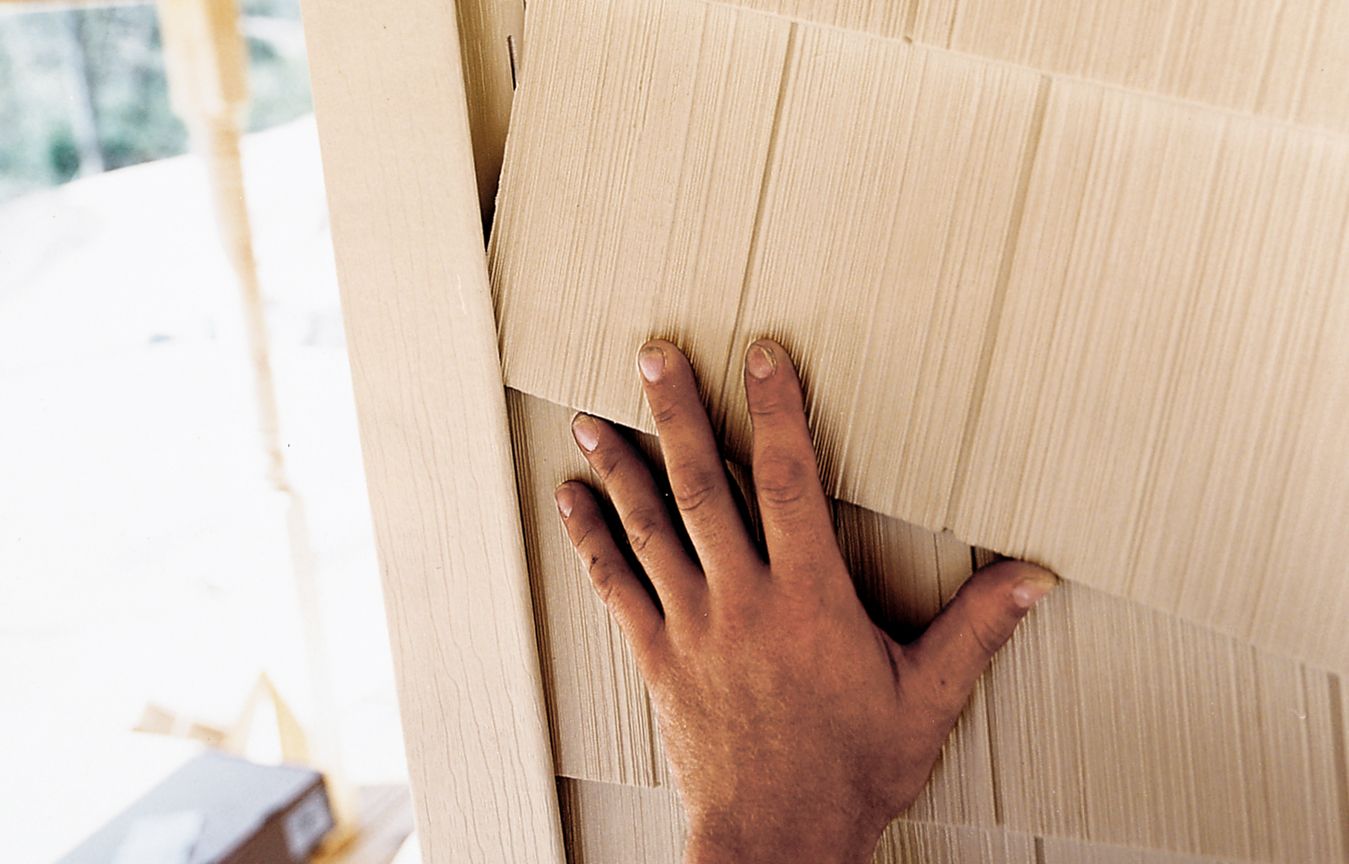
Vinyl shake siding replicates the appearance of wood shakes or shingles. It’s an excellent option for homeowners who want the rustic charm of wood without the associated maintenance. This style works well for Cape Cod, cottage, or craftsman-style homes. The textured finish and unique patterns of shake siding add visual interest and character.
Board and Batten Siding
Board and batten vinyl siding consists of wide vertical panels with narrow strips (battens) covering the seams. This style creates a distinctive look popular in farmhouse and modern architectural designs. It can be used for the entire exterior or as an accent on specific areas of the home. The vertical orientation helps create a sense of height and can make your home appear larger.
Vinyl Siding Cost Breakdown
Understanding the costs associated with vinyl siding can help you budget effectively. Let’s break down the various factors that influence the overall price.
Cost Per Square Foot
As mentioned, vinyl siding starts at $3 per square foot and can reach up to $12 per square foot. Your choice will depend on your budget, the size of your home, and the specific look and features you want.
Installation Costs
According to Angi, installing vinyl siding typically costs $6,377–$18,254. The final price can vary depending on the job’s complexity, whether you’re doing a full or partial siding replacement, the height of your home, and local labor rates. It’s important to gather multiple quotes and ensure your contractor is experienced with vinyl siding installations.
How To Choose the Best Vinyl Siding
Before choosing a certain vinyl siding for your home, research different vinyl siding manufacturers and compare their product offerings. Look for brands with a reputation for quality and positive customer reviews. Some well-known brands include CertainTeed, James Hardie, and Ply Gem.
Warranty coverage varies between manufacturers. Look for comprehensive warranties that cover fading, cracking, and other potential issues. A strong warranty can provide peace of mind and protect your investment. It’s also worth checking what damages warranties won’t cover.
Your local climate should influence your choice of vinyl siding. If you live in an area with extreme temperature fluctuations, look for siding with a higher expansion and contraction tolerance. For coastal regions, choose siding designed to withstand salt air and high humidity.
Proper Installation Techniques for Vinyl Siding
Here’s an overview of the steps involved when installling vinyl siding.
Preparing the Surface
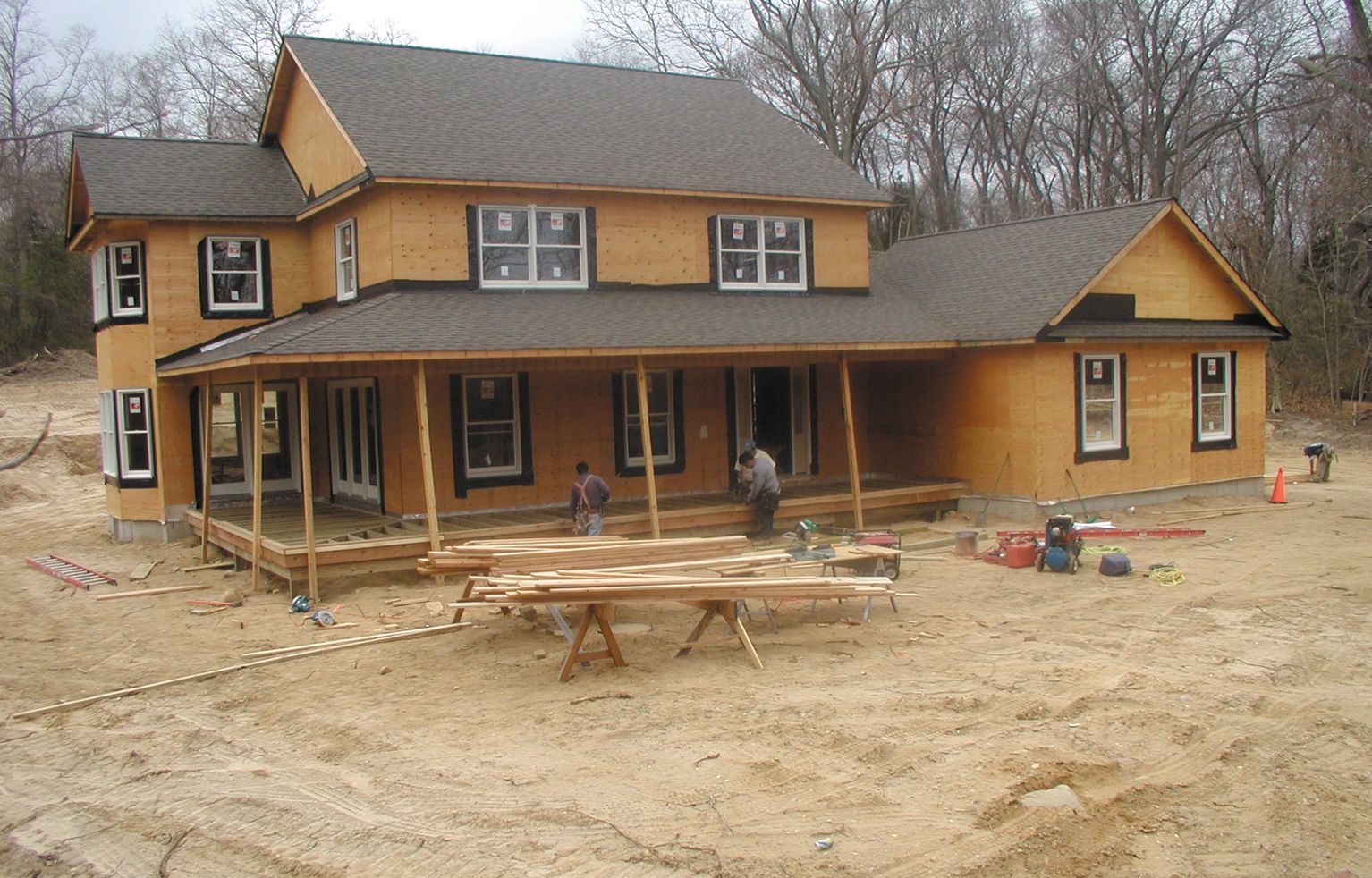
Before installation, the exterior walls of your home should be clean, dry, and in good condition. Any existing damage should be repaired, and a weather barrier should be installed to protect against moisture infiltration.
Nailing Methods
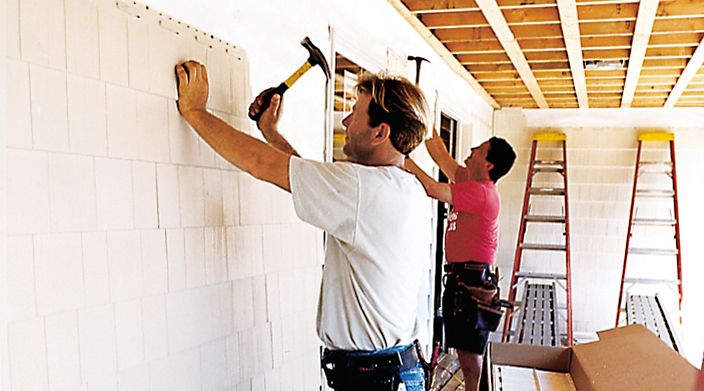
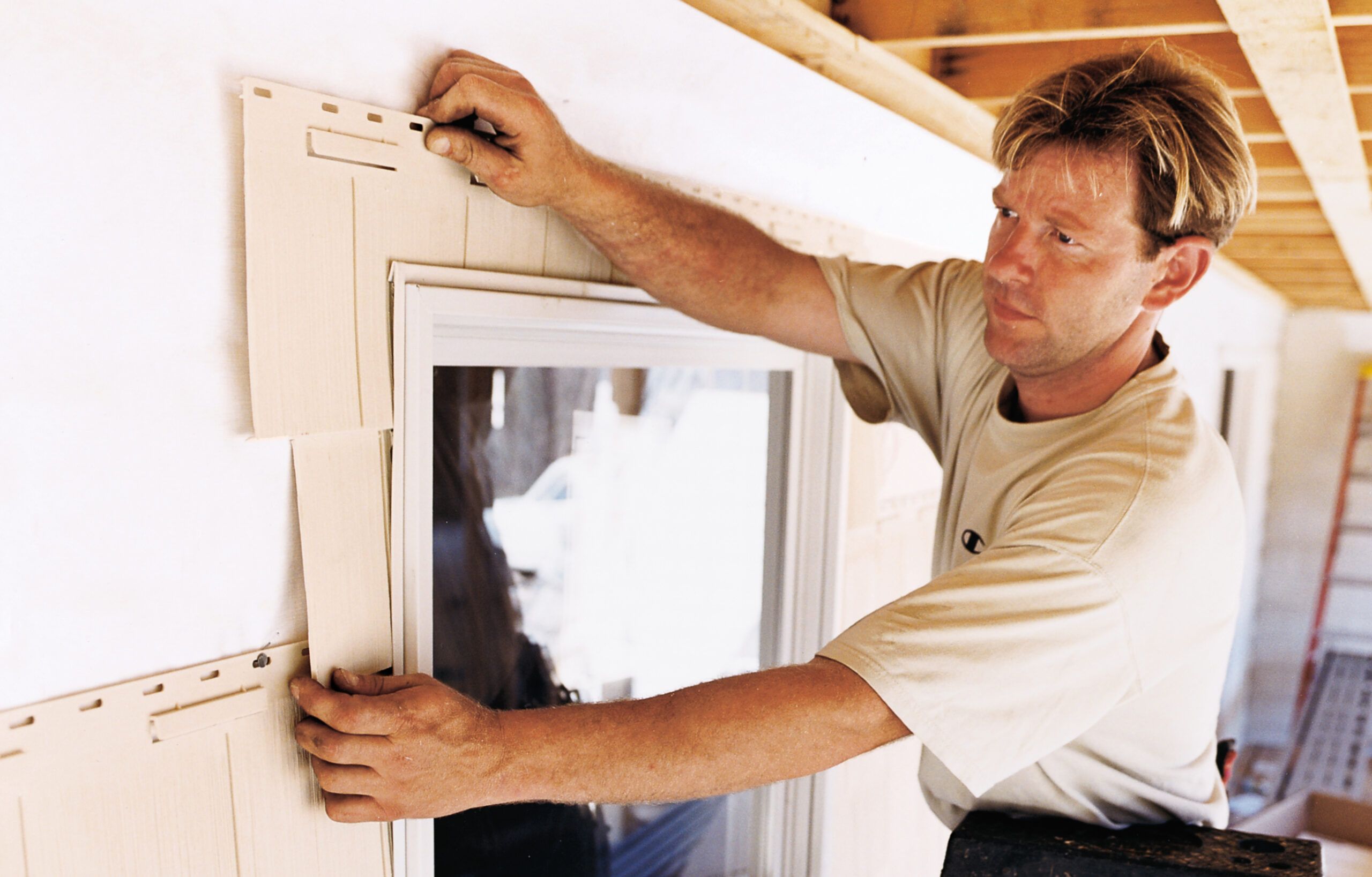
Vinyl siding should be nailed loosely to allow for expansion and contraction. “The worst thing you can do is nail vinyl tight,” Silva says.
Nails should be driven through the center of the nailing slots, leaving about 1/32 inch between the nail head and the siding. This allows the siding to move with temperature changes without causing buckling or warping.
Dealing With Expansion and Contraction
Vinyl siding expands and contracts with temperature changes. Proper installation techniques, such as leaving a gap at the ends of panels and using J-channel around openings, allow this movement without causing buckling or other damage.
Maintenance and Care for Vinyl Siding
While vinyl siding is low maintenance, some care is required to keep it looking its best:
Cleaning Methods
Regular cleaning with a soft-bristle brush and a mixture of 30% vinegar and 70% water can keep vinyl siding looking fresh. For tougher stains, a solution of laundry detergent, powdered household cleaner, and bleach may be necessary. Avoid using abrasive cleaners or tools that could scratch the surface.
Repair Techniques
Minor damage can often be repaired by replacing individual panels. This process involves unhooking the damaged panel and snapping a new one into place. Matching the color of replacement panels to faded existing siding can be challenging, so it’s a good idea to have some extra panels on hand from the original installation.
When To Replace
While vinyl siding can last for decades, it might be time for replacement if you notice severe fading, cracks, or warping. If your energy bills increase, it might also be time to consider new, more energy-efficient siding options. Regularly inspect your siding for damage to catch issues early and prevent further deterioration.
Impact on Home Value
Vinyl siding can either positively or negatively impact your home’s value and curb appeal. New vinyl siding can improve your home’s appearance and energy efficiency, potentially increasing its resale value. It’s an attractive feature for buyers looking for a low-maintenance exterior.
However, vinyl siding may not be appropriate or allowed in historic districts or neighborhoods with specific architectural styles. Some buyers of historic homes prefer materials like stone and brick, which could impact resale value in these areas. Check local regulations and consider your home’s architectural integrity when deciding on vinyl siding.
Our Conclusion
Vinyl is an affordable, long-lasting siding option. It comes in a range of styles and colors to fit various architectural designs, and it’s easy to install and maintain.
However, like any building material, vinyl siding has pros and cons. When making your decision, consider your specific needs, budget, and local climate to determine if vinyl is right for your home.
