If left unchecked, basement water can cause mold growth, wood rot, and even foundation issues. Luckily, you can waterproof your basement to help prevent expensive damage and protect your home’s structural integrity. This guide will walk you through the essentials of basement waterproofing, from identifying moisture problems to implementing solutions to keep your basement dry.
What Are Common Causes of Basement Water Problems?
Basement water issues typically stem from a combination of environmental factors and structural vulnerabilities. Here are some of the most common causes:
- Cracks or leaks in the foundation walls
- Hydrostatic pressure from groundwater
- Improperly graded landscaping
- Inadequate or clogged gutters and downspouts
- Poor drainage around the foundation
Heavy rain and melted snow can exacerbate these issues, leading to water seeping through cracks or leaks in the foundation. This can cause warped floorboards, rusted appliances, and mildew.
Signs Your Basement Needs Waterproofing
Recognizing the early signs of water intrusion can help you address problems before they escalate. Look out for these indicators:
- Condensation on windows and doors
- Damp or wet spots on walls or floors
- Efflorescence (white, powdery mineral deposits on walls)
- Musty odors or visible mold growth
- Peeling paint or wallpaper
- Swollen doors and window frames
- Warped or rotting wood
Assessing Your Basement’s Needs
Before waterproofing, evaluate your basement’s current condition and identify specific problem areas. Follow these steps for a thorough inspection:
- If possible, inspect your basement during or after heavy rain.
- Check the exterior foundation walls for cracks or signs of deterioration.
- Inspect the interior walls and floors for water stains, dampness, or efflorescence.
- Examine the ceiling for water spots or sagging areas.
- Look for signs of mold or mildew growth in corners and hidden spaces.
- Test the humidity levels using a reliable hygrometer.
How To Identify Water Entry Points
Look for the specific areas where water is entering your basement. By pinpointing these spots, you can target your waterproofing efforts and address the root causes of the moisture. These are some common water entry points:
- Cracks in the foundation walls or floor
- Gaps around windows or doors
- Penetrations for pipes or utilities
- Poorly sealed sump pump pits
- The cove joint where the wall meets the floor
What Exterior Waterproofing Techniques Should You Consider?
Exterior waterproofing is often the first line of defense against basement moisture issues. By addressing problems outside, you can prevent water from reaching your foundation in the first place. Here are some effective exterior waterproofing techniques to consider.
Improving Yard Grading and Drainage
Proper yard grading directs water away from your foundation. For efficient drainage, the ground should slope away from your house at a rate of at least six inches over 10 feet (about a quarter inch per foot). You can add soil to low areas near the foundation to create the proper slope or install a French drain system to redirect water away from problem areas.
For clay-based soils, you can implement a surface drainage system with swales—shallow open trenches—leading to dry wells or a runoff trench in the lowest corner of your yard.
Installing or Upgrading Gutters and Downspouts
Gutters and downspouts direct rainwater away from your foundation. For them to work well, you should take these steps:
- Clean gutters regularly and install quality leaf guards to prevent clogs.
- Extend downspouts at least 15 feet away from the foundation.
- Consider installing underground drainage pipes to carry water even further from your home.
- Install a collection system at the roof’s drip line for houses without gutters to prevent water from splashing against the foundation.
Exterior Waterproof Coatings
An exterior waterproof coating provides an extra layer of protection against moisture intrusion. There are typically six steps to apply the coating:
- Ensure there is no standing water around the foundation before starting.
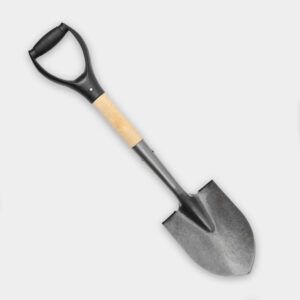
- Excavate the soil around the foundation to expose the walls.
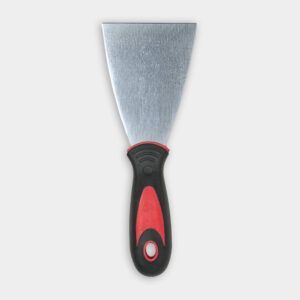
- Clean and repair any cracks or damage to the foundation.
- Apply a waterproof membrane or sealant to the exterior walls.
- Install a drainage board to protect the waterproof coating further.
- Backfill the soil around the foundation.
While effective, applying this coating is labor intensive. Consider hiring a professional to help.
Interior Waterproofing Methods
When exterior waterproofing is insufficient or too expensive, you may turn to interior waterproofing. These techniques focus on managing water entering your basement and preventing further moisture intrusion.
Sealing Cracks and Holes
The first step in interior waterproofing is to address any visible cracks or holes in your basement walls and floor. To do this, follow these steps:
- Clean the area around the crack or hole thoroughly.
- Fill the gap with hydraulic cement, which expands to create a watertight seal.
- Allow the cement to cure completely.
Applying Waterproof Masonry Cement
After sealing cracks, you can apply a coat of waterproof masonry cement to your basement walls for additional protection. We recommend applying at least two coats to seal the pores of the concrete and prevent moisture from seeping through the walls. The process involves the following steps:
- Clean the walls thoroughly to remove any dirt or debris.
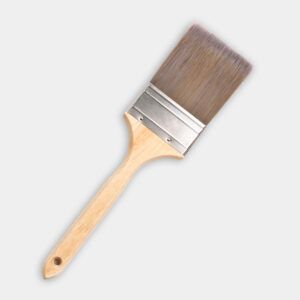
- Apply the waterproof masonry cement using a brush or roller.
- Allow the coating to dry completely between coats.
Installing Interior Drainage Systems
For more severe water issues, you may need an interior drainage system. One effective option is installing an interior French drain:
- Excavate a trench along the perimeter of the basement floor.
- Install a perforated pipe in the trench to collect water.
- Connect the pipe to a sump pump to remove the collected water.
- Cover the trench with gravel and concrete to restore the floor.
While effective, this system typically requires professional installation and can be expensive.
Sump Pumps in Basement Waterproofing
Many basement waterproofing systems use sump pumps, especially in areas prone to flooding or with high water tables. They help remove excess water, minimize damage, and keep a dry environment.
Types of Sump Pumps
There are several types of sump pumps, each with its advantages:
- Battery backup pumps: Provide protection during power outages and can run for 7–10 hours before recharging. You should replace the batteries every two years.
- Pedestal pumps: Have the motor above the pit and are better suited for smaller sump pits. These pumps are typically inexpensive and easy to maintain.
- Submersible pumps: Sit inside the sump pit and are ideal for homes with frequent water issues.
- Water-powered pumps: Rely on water pressure and can run indefinitely during blackouts. However, they’re only suitable for homes connected to municipal water.
What Additional Measures Can You Take to Keep Your Basement Dry?
Beyond waterproofing techniques, you can take steps to help maintain a dry basement. These measures focus on controlling indoor humidity and ensuring proper ventilation:
- Avoid storing wet items in the basement.
- Ensure your HVAC systems are properly sized and maintained.
- Fix any leaky pipes or plumbing fixtures promptly.
- Install exhaust fans in bathrooms or laundry areas.
- Label your water main shutoff valve and show everyone in your household where to find it.
- Check that appliances like washing machines are draining appropriately.
- Purchase a whole-house water leak detector.
- Use a dehumidifier to keep relative humidity below 50%.
DIY vs. Professional Waterproofing: What You Need To Know
While homeowners can handle some basement waterproofing tasks, others require professional waterproofing expertise. Understanding when to call in the experts can save you time, money, and headaches. We recommend hiring experts to:
- Address severe water intrusion or flooding issues
- Repair extensive foundation cracks
- Implement interior drainage systems like French drains
- Install exterior waterproofing systems
- Install or repair sump pump systems
The Cost of Basement Waterproofing
Basement waterproofing costs can vary widely depending on the extent of the problem and the chosen solutions. Understanding the factors influencing costs can help you budget effectively for your waterproofing project.
Factors Affecting Waterproofing Costs
Several factors can impact the overall cost of basement waterproofing:
- The size of your basement
- The severity of water intrusion issues
- The chosen waterproofing methods
- Whether you opt for DIY or professional installation
- Your geographic location and local labor costs
Budgeting for Different Waterproofing Methods
To help you plan your budget, here are some general cost ranges for common waterproofing methods:
| Method | Cost |
|---|---|
| Epoxy crack filling | $800–$1,500 per crack* |
| Exterior French drain installation | $10–$100 per linear foot |
| Exterior liquid membrane waterproofing | $3–$6 per square foot |
| Interior waterproof paint | $1–$8 per square foot |
| Minor leak repair | $250 per leak |
| Sump pump installation | $1,500–$2,500 depending on the type of pump |
These are rough estimates, and actual costs may vary. We always recommend getting multiple quotes from reputable contractors unless you need emergency repairs that can’t wait.
*Cost data sourced from 2024 Angi reports.
How Do You Maintain a Waterproof Basement?
Once you’ve implemented waterproofing measures, regular maintenance will help ensure long-term effectiveness. By staying vigilant and addressing small issues promptly, you can prevent major water problems in the future. To keep your basement dry, perform these maintenance tasks regularly:
- Inspect the exterior foundation for cracks or signs of deterioration twice a year.
- Clean gutters and downspouts at least twice a year.
- Test your sump pump every three or four months.
- Check interior walls and floors for signs of moisture or new cracks at least once a year or after periods of heavy rain.
- Monitor humidity levels and adjust your dehumidifier as needed.