
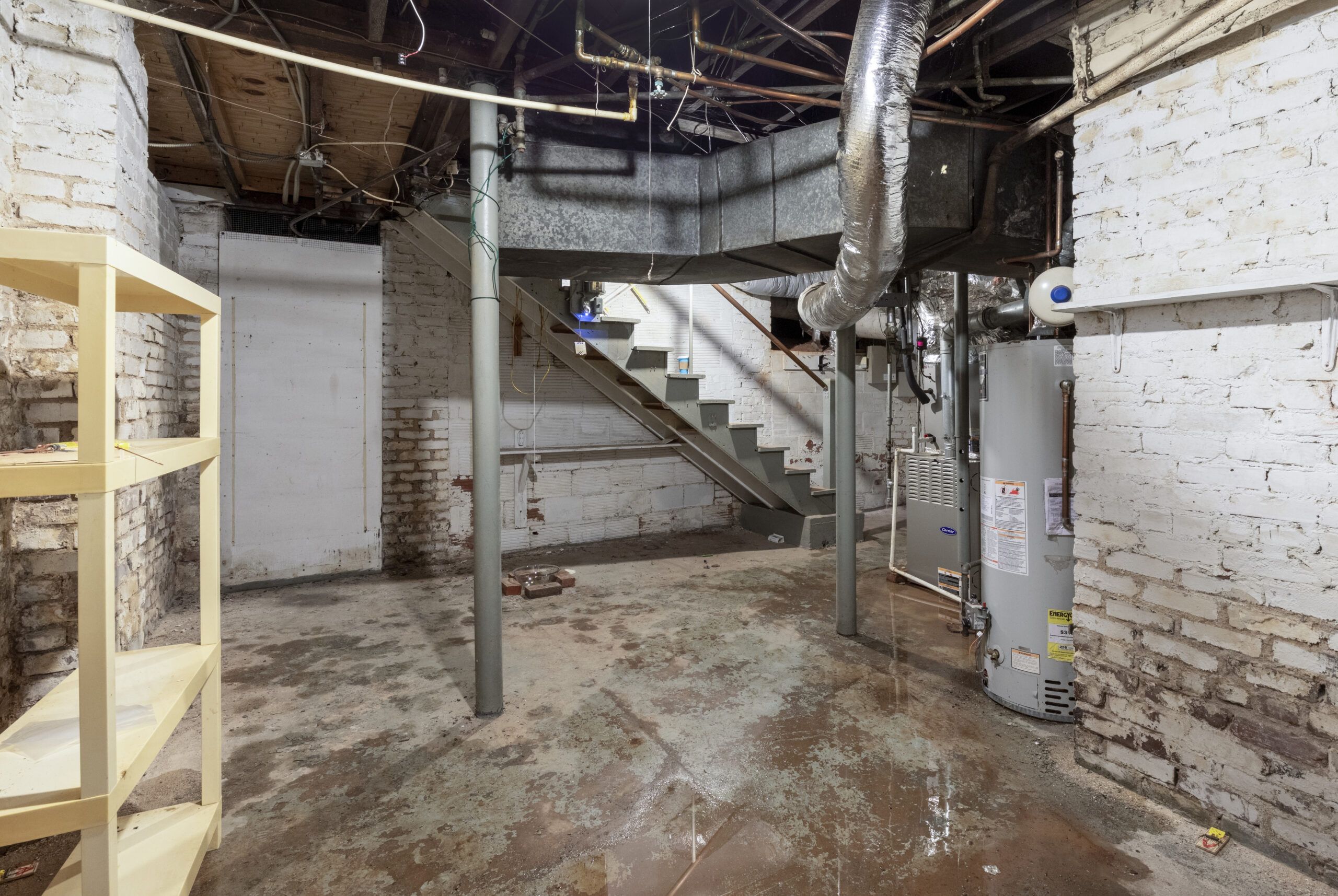
A wet basement is more than an inconvenience—it’s a potential threat to your home’s structural integrity and your family’s health. Whether you’re dealing with condensation, runoff, or subsurface seepage, a wet or damp basement means you’ll need an effective solution.
This comprehensive guide will walk you through identifying the cause of your wet basement, quick fixes and long-term strategies to address it, and preventive measures to keep your basement dry in the future. We’ll explore both DIY and professional options, helping you make the right decision about protecting your home’s foundation and living space.
Signs Your Basement Has a Moisture Problem
Recognizing the signs of a wet basement early can save you from costly repairs down the line. Look out for the following:
- Visible water or dampness on walls or floors
- Musty odors
- Mold or mildew
- Efflorescence (white, powdery mineral deposits on walls)
- Peeling paint or wallpaper
- Warped or damaged wood
- Rust on metal surfaces
Understanding the Causes of a Wet Basement
The first step in addressing a wet basement is to identify the source of the moisture. There are three common perpetrators: condensation, runoff, and subsurface seepage. Each requires a different approach to resolve effectively.
Condensation
Condensation occurs when warm, moist air comes into contact with cool surfaces in your basement, such as concrete walls, floors, or cold water pipes. This process creates water droplets that can accumulate and lead to dampness.
Diagnosis: To determine if condensation is your problem, tape a piece of foil over a damp spot and check it after 24 hours. If moisture forms on the outer face of the foil, you’re likely dealing with condensation.
Potential solution: Start by improving air circulation. Open windows, run fans, and consider installing a dehumidifier. Insulating cold water pipes with foam insulation can also prevent moist air from contacting them. For a more comprehensive solution, you can apply a waterproof coating to your walls, such as UGL’s DryLok Waterproofer or KING’s Xypex high’n dry, which penetrates and clogs concrete pores.
Runoff
Rainwater or melted snow that isn’t properly directed away from your home’s foundation is another common cause of basement moisture. This runoff can seep through porous topsoil and create hydrostatic pressure against your foundation walls, forcing water through gaps or cracks.
Diagnosis: Signs of a runoff problem include damp basement walls or floors after storms or during snow melt.
Potential Solution: Ensure the ground around your home slopes away at least 1 inch vertically for every 1 foot horizontally. Check that downspouts are directing water at least 4 feet away from the foundation and that driveway curbs channel runoff to the street. Clean gutters regularly to prevent overflow, and consider installing a dry well system to manage excess water if needed.
Subsurface Seepage
In some cases, high groundwater levels or underground springs can result in water seeping into your basement from below. If your wet basement symptoms act like runoff but occur all the time, you’re probably dealing with seepage.
Diagnosis: If your basement remains consistently wet long after storms or if water is coming up through the floor, you may be dealing with subsurface seepage.
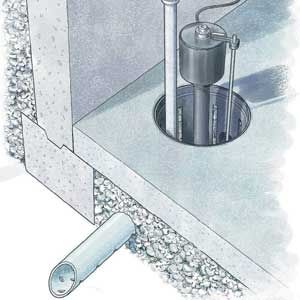
Solution: Addressing subsurface water problems often requires professional intervention. Solutions can range from injecting absorbent clay into the soil and sealing cracks with urethane caulk to installing a sump pump system or creating interior or exterior drainage systems. These more complex solutions can be expensive.
Assessing the Severity of Your Wet Basement
Before implementing solutions, it’s important to gauge the extent of your basement moisture problem. This assessment will help you determine whether you can handle the issue yourself or if you need professional assistance.
For minor issues like occasional dampness or small puddles after heavy rain, DIY solutions may suffice. However, if you’re dealing with frequent flooding, standing water, or structural damage, it’s best to consult a professional waterproofing contractor. They can do a thorough inspection and recommend appropriate measures to protect your home’s foundation and living space.
Quick Solutions for Drying Out Your Basement
When faced with a wet basement, taking immediate action can prevent further damage and mold. Here are some quick solutions to start drying out your space.
Increase Air Circulation
Proper air circulation is crucial for drying out a wet basement. Set up fans to move air around the space, focusing on damp areas.
Remove Standing Water
If you have standing water in your basement, remove it as quickly as possible using a wet/dry vacuum or a pump. For larger amounts of water, you may need to rent a submersible pump. Once the bulk of the water is removed, use mops and towels to soak up any remaining moisture.
Reduce Humidity
Maintaining proper humidity levels is key to preventing future moisture problems. The Environmental Protection Agency (EPA) recommends keeping basement humidity below 50%. Use a hygrometer to monitor humidity levels and adjust your dehumidifier settings accordingly. For best results, choose a high performance hygrometer and a heavy-duty dehumidifier that can process at least 50 pints of water in 24 hours.
During colder months, consider increasing the heat in your basement to reduce condensation on cool surfaces.
Long-Term Strategies To Keep Your Basement Dry
While quick fixes can provide temporary relief, implementing long-term strategies is essential for maintaining a dry basement. These solutions address the root causes of moisture problems and help prevent future issues:
Improve Drainage Around Your Home
Proper drainage is crucial for keeping water away from your foundation. Ensure your gutters and downspouts are clear of debris and direct water at least 4 feet away from your home. Consider installing downspout extensions or a French drain system to manage excess water. Grade the soil around your foundation to slope away from the house, promoting natural drainage.
Seal Cracks and Waterproof Walls
Inspect your basement walls and floor for cracks and seal them with hydraulic cement or polyurethane masonry caulk. For larger cracks (1/4 inch or more), use hydraulic cement, which expands as it dries. After sealing, apply a waterproof coating to your walls to create an additional barrier against moisture penetration.
Install a Sump Pump System
A sump pump is an effective solution for managing groundwater and preventing basement flooding. The system collects water in a sump pit and pumps it away from your home’s foundation. When installing a sump pump, ensure it’s properly sized for your basement and consider adding a battery backup to maintain protection during power outages.
DIY Methods for Basement Waterproofing
Homeowners comfortable with DIY projects have several effective options to waterproof their basements.
Waterproof Coatings
Waterproof coatings like UGL’s DryLok Waterproofer can be applied to basement walls to create a moisture barrier. Clean and prepare the walls according to the product instructions, then apply the coating evenly using a brush or roller. Multiple coats may be necessary for optimal protection.
Ventilation Systems
Good ventilation helps reduce humidity and prevent condensation. Install exhaust fans in bathrooms and laundry areas, and ensure they vent directly outside. For crawl spaces, consider adding foundation vents to promote air circulation. In full basements, use window fans or dehumidifiers to maintain proper airflow and moisture levels.
Professional Waterproofing Options
For severe or persistent moisture problems, professional waterproofing services may be necessary. These experts can provide comprehensive solutions tailored to your specific situation.
Interior Waterproofing
Professional interior waterproofing often involves installing a drainage system along the perimeter of your basement floor. This system collects water and channels it to a sump pump for removal. Professionals may also apply specialized sealants and coatings to walls and floors for added protection.
Exterior Waterproofing
Exterior waterproofing is a more extensive process that involves excavating around the foundation to apply a waterproof membrane and install a drainage system. While more disruptive and costly, this method can provide superior long-term protection against water infiltration.
French Drains
A French drain is an effective solution for managing groundwater around your home’s foundation. Professional installation ensures proper placement and grading to effectively divert water away from your basement. This system can be particularly beneficial for homes in areas with high water tables or frequent heavy rainfall.
Preventing Future Moisture Problems in Your Basement
Maintaining a dry basement requires ongoing effort and vigilance. Implement these preventive measures to keep moisture at bay.
Regular Maintenance Tips
Regular maintenance helps ensure that your basement stays dry over the long term. Here are some key actions to consider:
- Inspect and clean gutters and downspouts regularly to prevent clogs and overflow
- Check for and seal any new cracks in foundation walls or floors to stop moisture intrusion
- Test your sump pump system quarterly to ensure it’s functioning correctly
- Monitor humidity levels with a hygrometer and adjust dehumidifier settings as needed
- Keep basement windows closed during humid weather to minimize moisture entry
Landscaping Considerations
Proper landscaping can play a significant role in basement moisture prevention. Maintain a positive grade away from your foundation and avoid planting water-hungry vegetation close to your home. Consider installing a rain garden or dry well to manage excess water runoff from your property.
Basement Waterproofing Cost: DIY vs. Professional
The cost of basement waterproofing can vary widely depending on the severity of the problem and your chosen solution. A 5-gallon bucket of UGL Drylok costs around $160 and can cover anywhere from 250—350 square feet of surface.
The best dehumidifiers that are suitable for keeping your basement humidity levels down can cost anywhere from $160—$300, with larger options costing as much as $600.
Professional waterproofing services are necessary for extreme water incursion and offer a more reliable long-term solution.
The table below outlines the costs of some common professional waterproofing solutions:
| Service | Typical Cost* |
| Exterior French drain installation | $10–$100 per linear foot |
| Excavation | $50–$200 per cubic yard |
| Interior French drain installation | $60–$120 per linear foot |
| Foundation coating | $500–$1,000 for full project |
| Yard grading | $500–$3,000 for full project |
| Sump pump installation | $1,200–$2,500 |
| Foundation repairs | $5,000 |
Note that these are average prices and the actual cost can vary depending on the size of your basement and the nature of your water incursion issue.
While professional services are more expensive, they often provide more comprehensive and long-lasting solutions for severe moisture problems.
How To Choose a Reliable Basement Waterproofing Contractor
If you decide to hire a professional, you’ll want to find a reputable contractor to ensure a successful project. Look for these qualities:
- Proper licensing and insurance
- Extensive experience in basement waterproofing
- Positive customer reviews and references
- Detailed written estimates and warranties
- Willingness to explain their process and answer your questions
Get multiple quotes to compare before making a decision. Remember, the lowest price isn’t always the best value—prioritize quality and reliability.
Our Conclusion
Dealing with a wet basement can be challenging, but with the right approach, it’s a problem that can be effectively managed and prevented. By understanding the source of moisture, implementing appropriate solutions, and maintaining vigilance, you can protect your home’s foundation and create a healthier living environment.
Whether you choose DIY methods or professional services, the key is to act promptly when you notice signs of moisture. Regular maintenance and preventive measures can save you from costly repairs down the line. With persistence and the right strategies, you can enjoy a dry, comfortable basement for years to come.
