
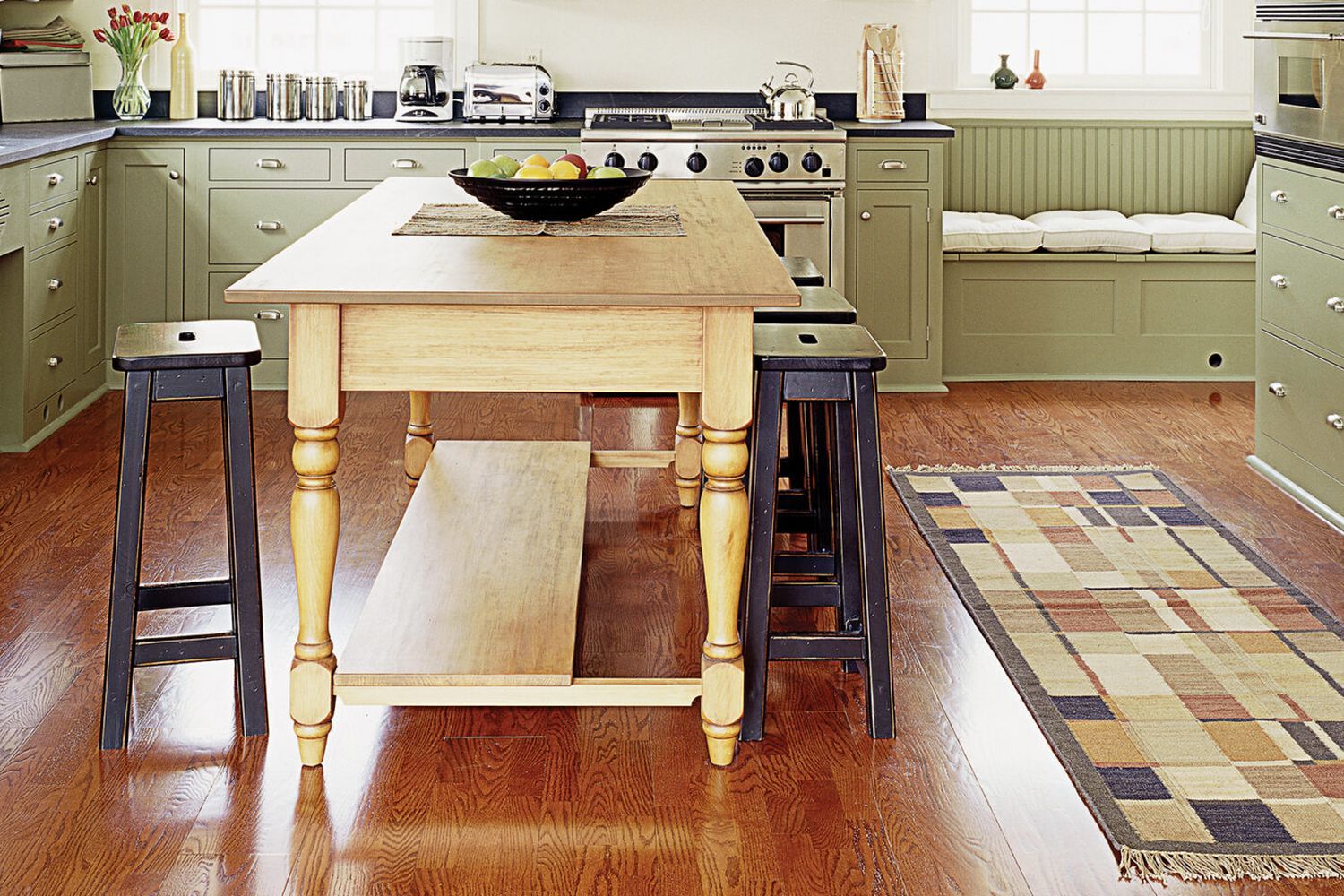
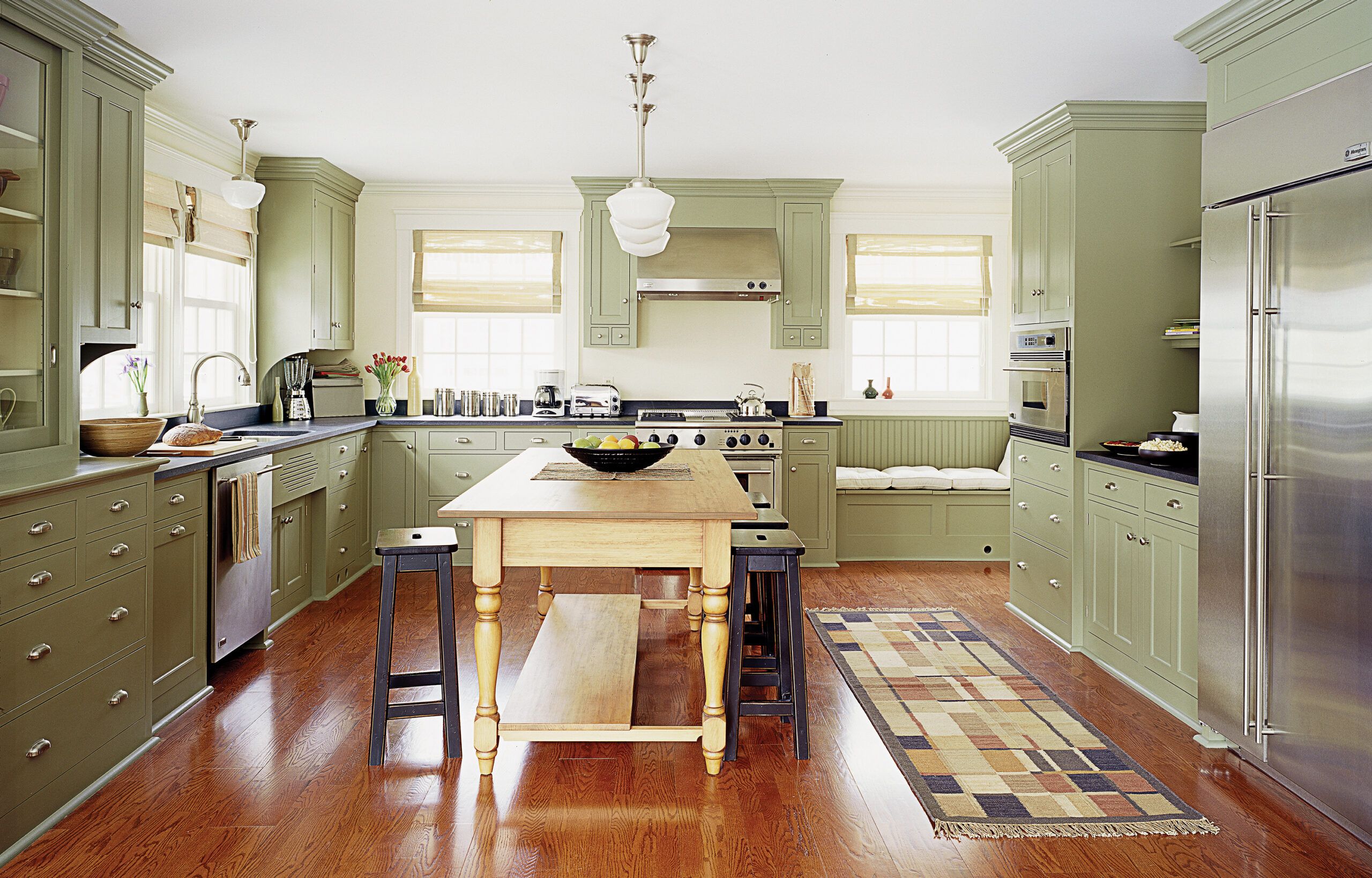
Engineered wood floors have grown rapidly in popularity over the last decade, offering the look of solid hardwood while being more durable and resistant to moisture. In this article we’ll explore the benefits, types, installation methods, and maintenance of engineered wood flooring to help you determine if it’s the right choice for your home.
What Is Engineered Wood Flooring?
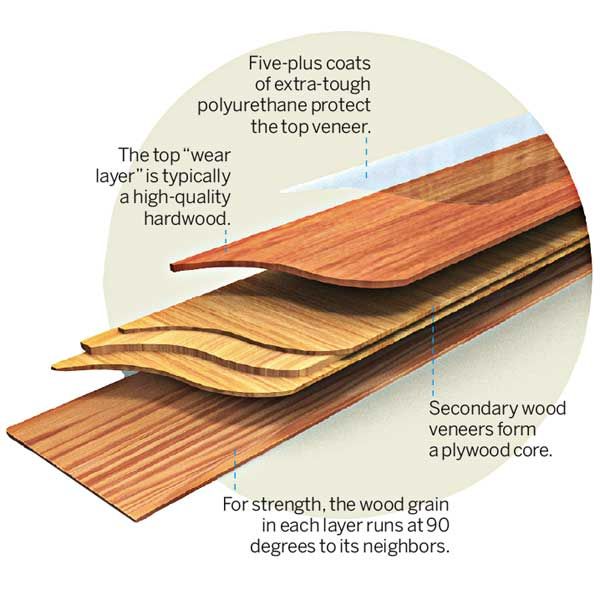
Engineered wood flooring is a multi-layered product made of a real wood veneer top layer bonded to a plywood core. This construction method creates a stable and durable flooring option that closely resembles solid hardwood. The top layer, or wear layer, is made from high-quality wood species such as oak, maple, or exotic hardwoods, while the core layers typically consist of less expensive plywood or high-density fiberboard.
Unlike solid hardwood, engineered wood flooring is designed to resist expansion and contraction due to changes in humidity and temperature. This stability makes it suitable for installation in areas where solid wood may not be recommended, such as basements or over concrete slabs. Engineered wood floors are available in a wide range of wood varieties, colors, and finishes, giving you a lot of creative control over your space.
Benefits of Engineered Wood Floors
Engineered wood flooring offers several advantages over traditional solid hardwood:
- Improved stability: The layered construction reduces expansion and contraction, making it less prone to warping or cupping.
- Versatile installation: Engineered wood can be installed in areas with higher moisture levels, such as basements, and directly over concrete slabs.
- Wide range of options: Available in numerous wood species, colors, and finishes to suit various design preferences.
- Easy maintenance: Many engineered wood floors come pre-finished and require less upkeep than unfinished solid wood.
- Cost-effective: While initially more expensive than unfinished solid wood, engineered flooring can be cheaper after factoring in its lower installation and finishing costs.
Types of Engineered Wood Flooring
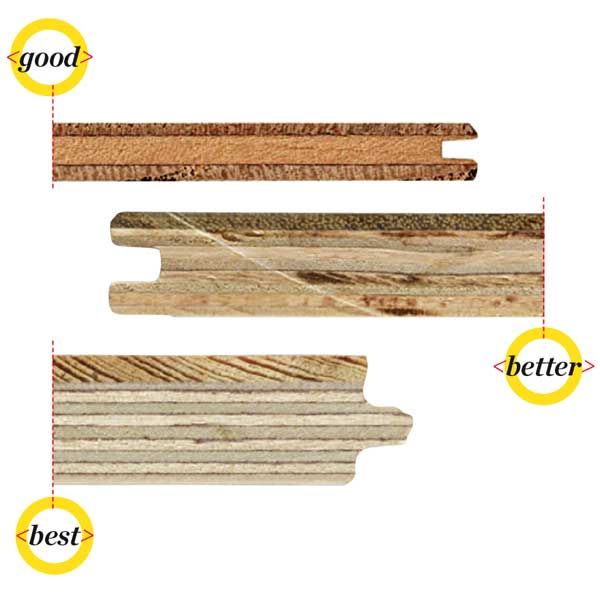
Engineered wood flooring is available in various quality levels, each offering different features and benefits. Here’s an overview of the three common classes of engineered boards:
Good Quality Wood Floors
Entry-level engineered wood flooring typically features:
- 3-ply construction
- 1-2 mm wear layer
- 5 finish coats
- 10- to 15-year warranty
- ¼ inch thickness
- About $2.50 per square foot
- Limited options, usually common species like oak or ash with a few stain choices
Better Quality Wood Floors
Mid-range engineered wood flooring offers improved features:
- 5-ply construction
- 2-3 mm wear layer
- 7 finish coats
- 15- to 25-year warranty
- ¼ inch thickness
- About $7 per square foot
- More species options, including cherry and beech
- All stains and some surface effects, such as distressing
Best Quality Wood Floors
High-end engineered wood flooring provides superior quality and options:
- 7-9 ply construction
- 3 mm-plus wear layer (can be sanded two or more times)
- 9 finish coats
- 25-year-plus warranty
- 5/8 to ¾ inch thickness
- About $14 per square foot
- Widest selection of species, including reclaimed options
- More surface treatments, such as hand-scraped and wire-brushed finishes
When choosing engineered wood flooring, consider the wear layer thickness, number of plys, and finish coats, as these factors affect the floor’s durability, refinishing potential, and overall lifespan. Also, consider how it compares to hardwood in terms of cost, longevity, and how it adds to your home’s value.
Comparing Engineered Wood To Other Flooring Options
When choosing flooring for your home, it’s important to understand how engineered wood compares to other popular options. Let’s examine the key differences between engineered wood, solid hardwood, and laminate flooring:
Engineered vs. Solid Hardwood
Engineered wood and solid hardwood both offer the beauty of real wood, but they differ in several ways:
- Construction: Engineered wood consists of a real wood veneer over plywood layers, while solid hardwood is milled from a single piece of wood.
- Stability: Engineered wood is more stable and less prone to expansion and contraction due to moisture changes.
- Installation: Engineered wood can be installed in more locations, including basements and over concrete slabs.
- Refinishing: Solid hardwood can be refinished multiple times, while engineered wood’s refinishing potential depends on the wear layer thickness.
- Cost: Depending on the quality you choose, engineered wood can be cheaper or comparable to hardwood in price.
Engineered vs. Laminate
While both engineered wood and laminate flooring offer alternatives to solid hardwood, they have distinct differences.
- Composition: Engineered wood features a real wood top layer, while laminate uses a printed image of wood embedded in resin.
- Appearance: Engineered wood looks and feels more like real wood, while laminate mimics wood’s appearance but may lack authenticity.
- Durability: Both options are durable, but engineered wood can be refinished in some cases, while laminate cannot.
- Lifespan: Engineered wood typically lasts longer than laminate flooring.
- Cost: Laminate is generally less expensive than engineered wood flooring.
Choosing the Right Engineered Wood Floor for Your Home
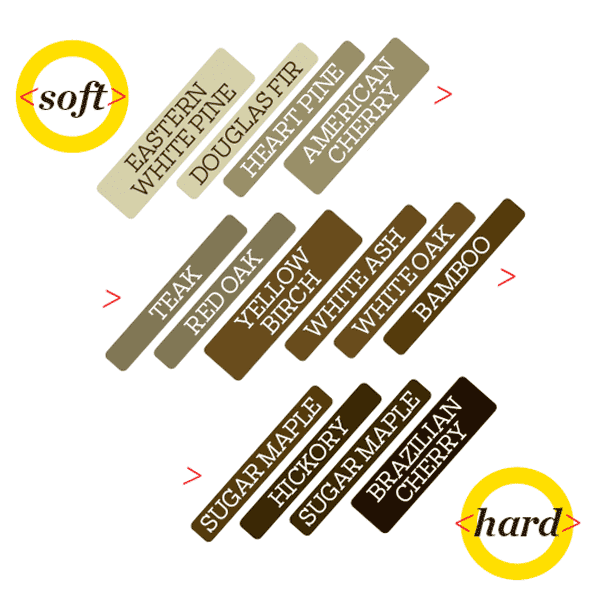
Selecting the perfect engineered wood floor for your home involves considering various factors to ensure you get the best combination of aesthetics, durability, and value. Here are some key considerations to help you make an informed decision:
Considering Wood Species
The choice of wood species affects both the appearance and performance of your engineered wood floor.
- Oak: A popular choice known for its durability and classic grain patterns.
- Maple: Offers a clean, modern look with high hardness ratings.
- Walnut: Provides rich, dark tones and a softer feel underfoot.
- Exotic species: Options like Brazilian Cherry or Acacia offer unique colors and grain patterns.
Consider the existing decor in your home and choose a wood species that complements your style while providing the desired level of durability.
Evaluating Wear Layer Thickness
The wear layer thickness is crucial in determining the floor’s longevity and refinishing potential:
- 1-2mm: Suitable for areas with light traffic; limited refinishing options.
- 2-3mm: Good for moderate traffic; can handle light refinishing.
- 3mm+: Ideal for high-traffic areas; can be refinished multiple times.
Installation Methods for Engineered Wood Floors
Engineered wood flooring offers several installation methods, each with its own advantages. The choice of method depends on factors such as the subfloor type, room conditions, and personal preference. Here are the three main installation techniques:
Glue-Down Method
The glue-down method involves applying adhesive directly to the subfloor and laying the engineered wood planks on top. This technique is ideal for installations over concrete or in areas with high foot traffic.
Pros:
- Provides a solid, stable floor
- Reduces noise and eliminates hollow sounds when walking
- Suitable for installation over radiant heating systems
Cons:
- More time-consuming and labor-intensive
- Difficult to remove or replace individual planks if damaged
Nail-Down Method
The nail-down method uses a pneumatic flooring nailer to secure the engineered wood planks to a wood subfloor. This technique is similar to traditional hardwood installation.
Pros:
- Fast and efficient installation
- Creates a solid, long-lasting floor
- Allows for easy replacement of damaged planks
Cons:
- Not suitable for concrete subfloors
- May cause squeaking if not properly installed
Click-Lock Installation
Click-lock installation, also known as a floating floor system, uses specially designed planks that lock together without the need for glue or nails. This method is popular for its ease of installation and versatility.
Pros:
- DIY-friendly installation
- Can be installed over various subfloor types
- Easy to remove or replace individual planks
Cons:
- May feel less solid underfoot compared to glued or nailed installations
- Can be noisy if not installed with a proper underlayment
For detailed instructions on how to lay engineered wood floors, consult our step-by-step guide. Regardless of the installation method chosen, ensure that the subfloor is clean, dry, and level. If necessary, learn how to level a floor before installation to achieve the best results.
Cost Considerations for Engineered Wood Flooring
When budgeting for engineered wood flooring, it’s important to consider not only the cost of the materials but also installation and long-term maintenance expenses. Here’s a breakdown of the factors that influence the overall cost.
- Material quality: Engineered wood flooring prices range from $4.50–$16 per square foot, according to Angi, depending on the quality, wood species, and finish.
- Installation method: Professional installation costs vary based on the chosen method (glue-down, nail-down, or click-lock) and typically range from $0.60–$4 per square foot, per Angi.
- Subfloor preparation: Costs for leveling or repairing the subfloor can add $3–$10 per square foot to the project, according to Angi.
- Room size and layout: Larger rooms or complex layouts may require more materials and labor, increasing the overall cost.
- Maintenance: Budget for regular cleaning supplies and potential refinishing costs every three to five years, depending on wear and tear.
| Add-On | Cost |
| Baseboards | $800–$2,250 |
| Floor paint | $1,000–$2,000 |
| Radiant floor heating | $1,700–$6,000 |
| Floor joist replacements | $4,000–$12,000 |
| Professional floor cleaning | $200–$300 |
| Floor refinishing | $1,100–$2,600 |
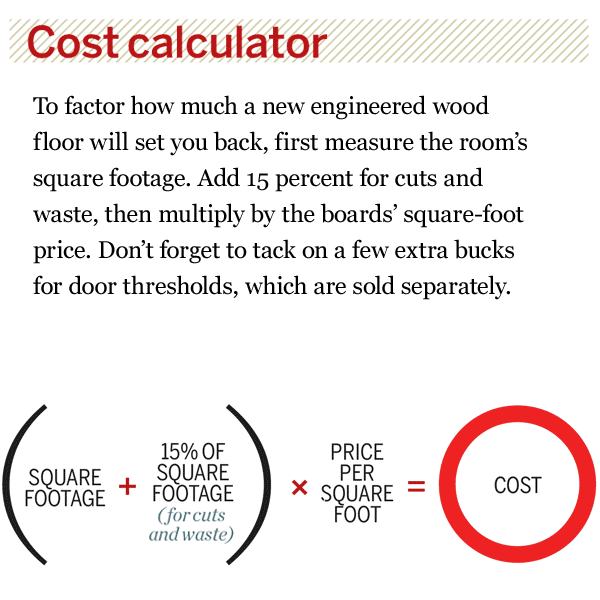
To estimate the total cost of your engineered wood flooring project, measure the room’s square footage and add 15% for cuts and waste. Multiply this figure by the cost per square foot of your chosen flooring, then add installation and additional material costs. Don’t forget to include the price of door thresholds, which are sold separately.
While engineered wood flooring may have a higher upfront cost compared to some alternatives, its durability and long lifespan can make it a cost-effective choice in the long run.
Durability and Lifespan of Engineered Wood Floors
Engineered wood floors are known for their durability and longevity, often lasting 20 to 30 years or more with proper care and maintenance. The lifespan of an engineered wood floor depends on several factors:
- Wear layer thickness: Floors with thicker wear layers (3mm or more) can be refinished multiple times, extending their lifespan.
- Wood species hardness: Harder woods like oak or maple are more resistant to dents and scratches than softer species.
- Finish quality: Higher-quality finishes provide better protection against wear and tear.
- Foot traffic: Areas with heavy foot traffic may show signs of wear more quickly than less-used spaces.
- Maintenance: Regular cleaning and proper care can significantly extend the life of the floor.
Most manufacturers offer warranties ranging from 10 to 30 years for their engineered wood flooring products. These warranties typically cover defects in materials and workmanship but may not cover damage from improper installation or maintenance.
To maximize the durability and lifespan of your engineered wood floor, choose a high-quality product with a thick wear layer, opt for a harder wood species, and follow recommended maintenance procedures.
Maintaining Your Engineered Wood Floor
Proper maintenance is crucial for preserving the beauty and extending the lifespan of your engineered wood floor. By following a regular care routine and addressing long-term maintenance needs, you can keep your floors looking their best for years to come.
Daily Care
Sweep or vacuum regularly to remove dirt and debris that can scratch the floor’s surface. Use a microfiber mop and a wood floor cleaner specifically designed for engineered wood floors to remove stubborn dirt. Wipe up spills immediately to prevent water damage or staining. Place felt pads under furniture legs to prevent scratches when moving items. Use area rugs in high-traffic zones to protect the floor from excessive wear.
Long-Term Maintenance
Maintain consistent indoor humidity levels (between 35% and 55%) to prevent excessive expansion or contraction of the wood, and avoid using steam mops or excessive water when cleaning, as moisture can damage the floor. Consider professional deep cleaning annually to remove built-up dirt and restore the floor’s shine, and refinish the floor when signs of wear become noticeable, typically every three to five years for high-traffic areas. Protect your floor from direct sunlight by using window coverings to prevent fading and discoloration in certain areas over time.
Refinishing Engineered Wood Floors: What You Need To Know
One of the advantages of engineered wood flooring is the potential for refinishing, which can restore the floor’s appearance and extend its lifespan. However, the refinishing process for engineered wood is different from that of solid hardwood. Here’s what you need to know:
- Wear layer thickness: The ability to refinish depends on the thickness of the top wood layer. Floors with a wear layer less than 2mm thick can typically only handle a light scuff-sanding, while those with 3mm or thicker top layers can be sanded and refinished like solid wood.
- Number of refinishes: Most engineered wood floors can be refinished once or twice during their lifetime, depending on the wear layer thickness. High-end products with thick wear layers may allow for multiple refinishes.
- Sanding method: Light scuff-sanding with a buffer is suitable for thin wear layers, while thicker layers can withstand more aggressive sanding techniques.
- Professional expertise: It’s crucial to hire a flooring professional experienced in refinishing engineered wood floors, as the process requires specialized knowledge and equipment.
- Cost considerations: Refinishing costs for engineered wood floors typically range from $3–$5 per square foot, depending on the floor’s condition and the refinishing method used.
Before refinishing, consult with a flooring professional to determine if your engineered wood floor is a good candidate for the process. They can assess the wear layer thickness and recommend the most appropriate refinishing method to achieve the best results while preserving the floor’s integrity.
Engineered Wood Floors: Our Conclusion
Engineered wood flooring’ offers a wide range of options, easy maintenance, and improved stability over solid hardwood, making it a good choice for many locations within the home. By understanding the types of engineered wood flooring, installation methods, and maintenance requirements, you can make an informed decision. Investing in quality engineered wood flooring can add lasting value and elegance to your living space for areas and budgets where hardwood is not the best option.
