
Windows impact your home’s appearance, energy efficiency, and overall comfort. Modern windows can reduce air infiltration to nearly zero and, when paired with advanced window glazing, potentially cut your heating and cooling costs. We’ll walk you through what to consider when choosing windows for your home, from materials and energy efficiency to style and placement.
Window Materials
Different window frame materials have different durability levels, maintenance requirements, and energy efficiency features. Let’s explore the most common window frame materials and their characteristics.
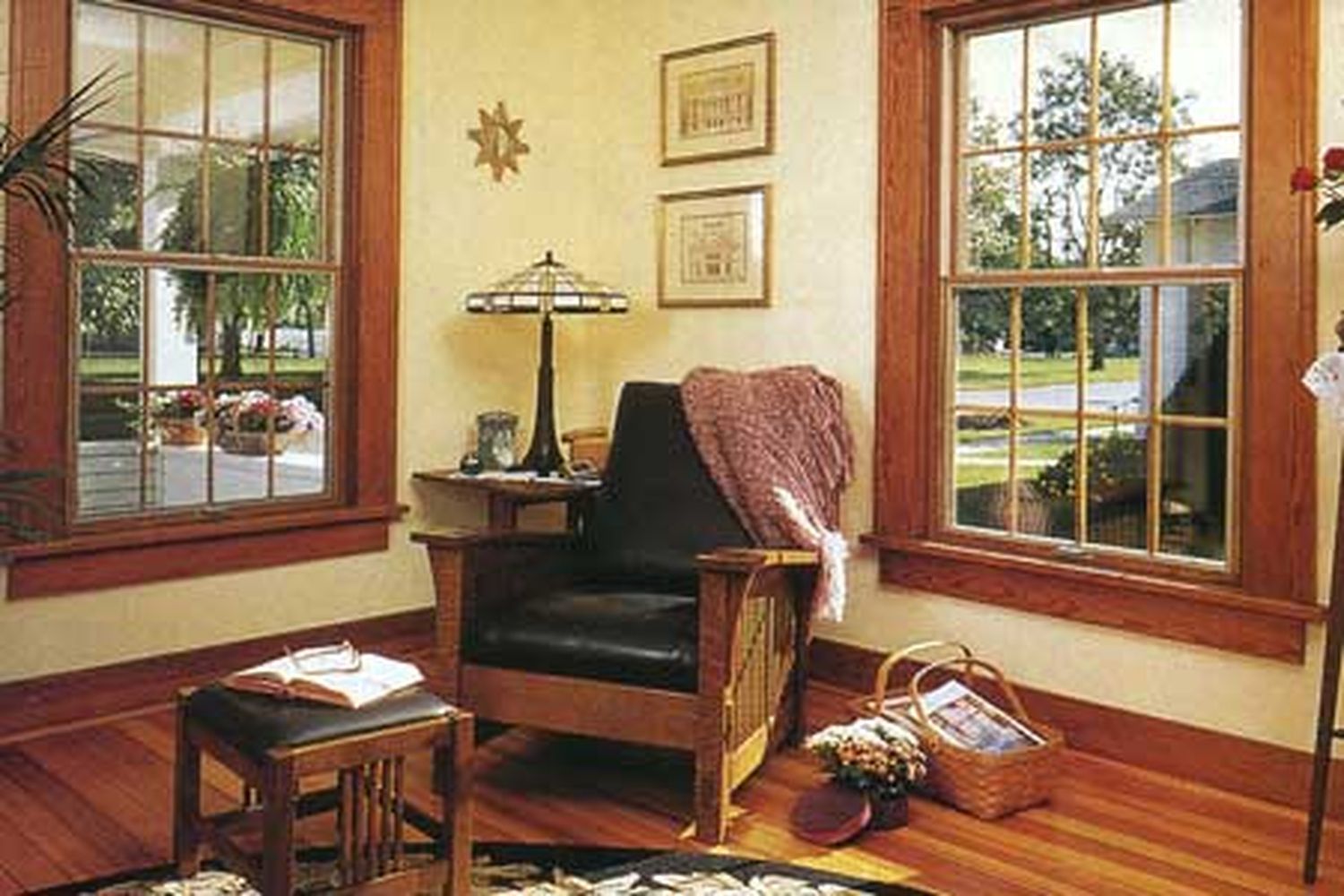
Wood Windows
Wood windows are considered the gold standard by many professional installers and homeowners. They offer natural beauty, strength, and relatively good energy efficiency. However, they typically come with a higher price tag and require regular maintenance to protect them from the elements.
Many manufacturers address the maintenance issue by cladding wood frames with vinyl or aluminum. This combination provides a durable, low-maintenance exterior while preserving the natural wood interior, which can be painted or stained to your liking. Due to these added benefits, clad-wood windows usually cost more than standard wood windows.
When shopping for wood windows, look for smooth operation and tight-fitting corners. Check that any exposed wood is free of blemishes and that finger joints aren’t visible.
Vinyl Windows
Vinyl windows have gained popularity because they’re affordable and energy efficient. They can cost half the price of comparable wood-frame models. Vinyl frames feature a honeycomb of chambers that trap air, boosting their insulating properties.
One of the main advantages of vinyl windows is that they never need repainting. However, color options may be limited compared to other materials. Vinyl windows can be custom-built to fit any size opening, making them conveniently versatile.
When considering vinyl windows, look for frames with a uniform color throughout. Heat-welded joints are better than those joined with screws or other fasteners, as they tend to be more durable.
Aluminum Windows
Aluminum windows are cheap and need minimal maintenance, similar to vinyl options. They’re known for their durability but have some drawbacks in terms of energy efficiency. The metal frames conduct heat easily, resulting in a high U-value (which, as a measure of heat loss, is not ideal).
Compared to vinyl or wood frames, which typically have U-values between 0.3 and 0.5, aluminum frames can have a U-value as high as 2. This makes them better for warm climates, where cooling costs outweigh heating expenses.
If you go for aluminum windows, make sure they’re equipped with a thermal break in the frame—usually a strip of plastic or rubber that separates the inside and outside of the frame to limit heat conductivity.
Fiberglass and Composite Windows
Fiberglass windows and composite windows are newer options in the market. Made from materials similar to those used in car bumpers, these windows are strong, low-maintenance, and more energy-efficient than vinyl. They’re priced in between vinyl and wood options, making them an affordable middle-ground choice.
Some composite windows can be painted to match your desired color scheme—an option not available with vinyl windows. As with vinyl windows, look for uniform color throughout the frame and heat-welded joints for better durability.
Windows: Evaluating Energy Efficiency
Energy efficiency is a critical factor when choosing windows, as it directly impacts your home’s comfort and utility costs. Modern window technologies have made strides in improving energy performance.
Low-E Coatings and Inert Gases
Manufacturers use low-emissivity (low-e) coatings and inert gas fills between panes to boost window efficiency. Low-e coatings were initially developed to reduce heat loss, but newer versions also help prevent heat gain in warmer climates. These coatings typically cost 10%–15% more per window but can considerably improve performance.
Inert gases like argon or krypton are often used to fill the space between double or triple-pane windows. These gases are denser than air, providing better insulation and reducing heat transfer.
Understanding U-Values and SHGC
The National Fenestration Rating Council (NFRC) developed a rating system to help consumers gauge window efficiency. Each window should have a label displaying both its U-value and Solar Heat Gain Coefficient (SHGC).
The U-value measures how well a window prevents heat from escaping. Lower U-values indicate better insulation properties. The SHGC tells you how much heat the window allows in. If you want to cut energy loss during the heating season, look for windows with low U-values. For ideal cooling, go with units that have a low SHGC but let in plenty of visible light.
The Energy Star Label
To simplify the process, look for windows with the Energy Star label. This program, developed by the U. S. Department of Energy (DOE) and the Environmental Protection Agency (EPA), identifies the most energy-efficient windows for specific climate zones.
Energy Star-certified windows are 15%–40% more efficient than those meeting typical building codes. The program sets different requirements for various climate regions, guaranteeing peak performance whether you live in a heating-dominated, cooling-dominated, or mixed climate area.
Selecting the Right Window Style
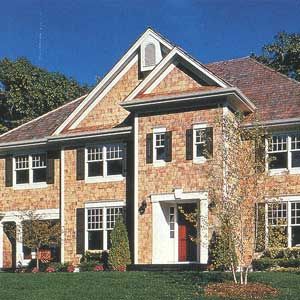
Choosing a window style that complements your home’s architecture will keep a cohesive style and potentially increase its resale value. Different architectural styles often pair best with specific window types.
For traditional or colonial-style homes, small double-hung windows with divided lights (often referred to as “six-over-six” or “eight-over-eight” to describe the number of panes in each sash) typically look best. Modern or contemporary homes often benefit from large, metal-frame units that create a sleek appearance.
Ranch-style houses look great with outswing casement windows without divided lights, creating a clean, unobstructed view. If you’re unsure about which style suits your home best, look at similar houses in your neighborhood for inspiration, or ask a window design professional.
Popular Window Styles and Their Benefits
Here are some of the most common window styles found in homes.
- Double-hung windows: These classic windows feature two operable sashes that slide vertically, allowing for excellent ventilation.
- Casement windows: Hinged on one side, these windows open outward like a door, providing ventilation and unobstructed views.
- Sliding windows: These windows slide horizontally, making them easy to operate and great for spaces where you don’t want a window projecting outward.
- Bay or bow windows: These windows project outward from the wall, creating additional interior space and allowing more light to enter the room.
- Picture windows: Picture windows are fixed windows that don’t open and are designed to frame a view and maximize natural light.
Considering Window Placement and Size
Your windows’ location and size play a big role in your home’s appearance, energy efficiency, and livability.
Best Locations for New Windows
When adding new windows, consider both interior and exterior factors. From the inside, think about where you need more natural light or ventilation. From the outside, consider how new windows will affect your home’s curb appeal and symmetry.
For energy efficiency, south-facing windows can help with passive solar heating in colder climates, while properly shaded north-facing windows can help keep a home cool in warmer regions. East and west-facing windows may require special features for glare and heat gain.
Sizing Windows
Window size should be proportional to the wall and room size. Large windows can make a small room feel more spacious, while a series of smaller windows might be more appropriate for a larger wall.
When adding new windows, try to align them with existing windows for a cohesive look. “Even if the new windows aren’t the same length, a consistent head height will give them a sense of order on the wall,” says Michael J. Crosbie, a writer and architect with Steven Winter Associates.
Window Glazing Options
Different glazing options offer varying insulation levels, sound reduction, and safety.
Single vs. Double vs. Triple Pane
Single-pane windows, once the standard, are now rarely used due to their poor insulation properties. Double-pane windows, which feature two layers of glass with an air or gas-filled space between them, offer much better insulation and are the most common choice for residential use.
Triple-pane windows add a third layer of glass and another insulating space, providing even better thermal performance. While more expensive, triple-pane windows can be a good investment in extremely cold climates, or for noise reduction in urban areas.
Impact-Resistant Glass
For homes in hurricane-prone areas or those concerned about security, impact-resistant glass is an option worth considering. This type of glass is designed to withstand high winds and flying debris, giving you an extra layer of protection for your home.
Window Quality and Performance
Understanding window ratings and certifications can help you make an informed decision about the quality and performance of different window options.
NFRC Ratings Explained
On top of U-factor and SHGC, the NFRC also provides the following ratings. Take these into account as well:
- Visible Transmittance (VT): Shows how much light passes through the window
- Air Leakage (AL): Measures how much air can enter through the window
Structural Standards and Certifications
Look for windows that meet or exceed industry standards for structural performance. The American Architectural Manufacturers Association (AAMA) and the National Wood Window and Door Association have developed a certification program that tests windows for structural integrity, water resistance, and air infiltration.
Windows that pass these tests receive a certification sticker, assuring their quality and performance.
Window Replacement: Balancing Cost and Value
While the initial cost of windows can be significant, consider the long-term value they provide in terms of energy savings, comfort, and home value appreciation.
Initial Investment vs. Long-Term Savings
High-quality, energy-efficient windows may cost more upfront, but they can lead to substantial savings on energy bills over time. Upgrading from single-pane to high-tech double-pane windows can save you hundreds of dollars every year, offsetting your initial investment over time.
Factors Affecting Window Prices
Several factors influence window prices, including:
- Frame material (vinyl being generally less expensive than wood or fiberglass)
- Glass type and coating (low-e coatings and triple-pane glass increase cost)
- Window size and style
- Brand and warranty
- Installation costs
When budgeting for new windows, be sure to factor in both the cost of the windows themselves and professional installation for peak performance and longevity.
How To Choose Windows: Our Conclusion
Choosing the right windows for your home involves carefully considering many factors, including material, energy efficiency, style, and budget. While the process may seem overwhelming, understanding these elements can help you make an informed decision about windows that boost your home’s comfort, appearance, and value.
Remember that windows are a long-term investment in your home. While cost is an important factor, it shouldn’t be the only consideration. High-quality, energy-efficient windows can provide significant returns through energy savings, improved comfort, and increased home value. By balancing these factors and choosing windows that complement your home’s architecture, you can enjoy the benefits of your new windows for years to come.
