
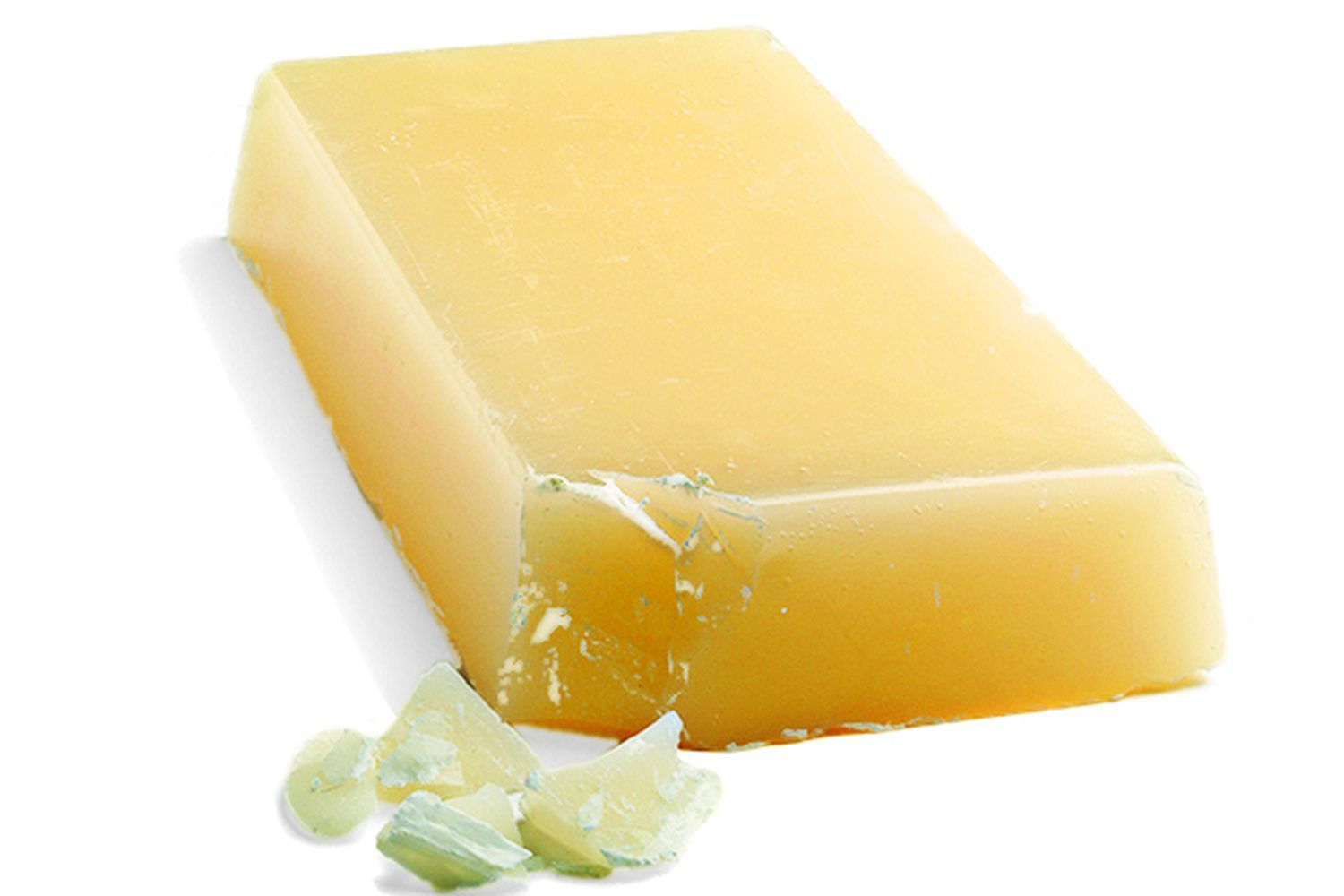
Beeswax is an eco-friendly solution for numerous household tasks, so it’s a great tool to keep on hand. Our guide explores 10 possible uses, including furniture restoration, metal surface protection, and waterproofing.
Our Favorite Uses for Beeswax
Incorporating beeswax in your home maintenance routine allows you to use its natural properties to protect and enhance various surfaces while reducing your reliance on synthetic products. Here are some of our favorite ways to apply it.
1. Unstick Drawers and Windows With Beeswax
To free a stuck drawer, apply a thin coat of beeswax to the wooden rails. The same technique can be applied to window sashes, making them easier to open and close. Follow these steps:
- Clean the surface of the rails or sashes
- Rub a small amount of beeswax along the contact points
- Work the drawer or window back and forth to distribute the wax evenly
2. Polish and Protect Wooden Surfaces
Beeswax enhances the natural beauty of wood and provides a protective layer against moisture and wear. For structural elements that need to look good but don’t experience heavy wear, such as exposed ceiling beams, you can create a custom beeswax polish. This natural polish will bring out the rich tones of the wood while offering protection against environmental factors.
- Heat equal parts beeswax, linseed oil, and turpentine in a double boiler
- Stir until the mixture is fully combined and warm
- Apply the warm mixture to the wood surface using a burlap rag
- Allow the polish to dry, then buff with a clean cloth for a soft sheen
3. Condition Cutting Boards With Beeswax
Wooden cutting boards require regular maintenance to keep them in good condition and prevent them from drying out or absorbing odors. Conditioning a wood cutting board with beeswax helps to seal the wood, preventing moisture absorption and extending the life of your cutting board.
- Add a half-teaspoon of beeswax to a cup of mineral oil
- Microwave the mixture until the wax melts and combines with the oil
- Apply the warm mixture to the cutting board using a soft cloth
- Allow it to soak in for several hours or overnight
- Wipe off any excess with a clean cloth
4. Loosen Rusted Nuts and Bolts
To free a frozen nut, apply melted beeswax to the bolt’s threads using a brush or cotton swab. The wax will penetrate the rust and provide lubrication, making it easier to loosen the nut. You can then attempt to loosen the nut with a wrench.
5. Lubricate Screws Using Beeswax
Rubbing beeswax over the threads of screws before driving will make them drive smoothly and resist corrosion. This simple process can make a huge difference, especially when working with hardwoods or in areas prone to moisture.
- Rub the threads of the screw against a block of beeswax
- Ensure the threads are evenly coated
- Drive the screw as usual
6. Seal and Preserve Metal Surfaces
Beeswax can help to prevent oxidation and preserve finishes. For bronze items, you can create a protective coating to ward off oxidation caused by moist air. Here’s how to do it:
- Melt 1/3 pound of beeswax in 1 quart of turpentine
- Allow the mixture to cool slightly but remain liquid
- Brush the solution onto the bronze surface
- Buff with a towel to create a thin, hard protective coat
7. Waterproof Fabric and Leather Items
Beeswax can be used to waterproof fabric and leather, making it an excellent treatment for outdoor gear and work boots. This treatment also helps to condition and preserve the leather.
- Combine equal parts beeswax, tallow, and neatsfoot oil
- Warm the mixture until it’s liquid
- Apply the warm mixture to clean leather using a soft cloth
- Allow the treatment to soak in, then buff off any excess
8. Polish Concrete Countertops With Beeswax
A simple beeswax polish can give sealed, dark concrete countertops a muted, natural luster.
- Ensure the countertop is clean and completely dry
- Melt a small amount of beeswax
- Apply the melted wax to the surface using a chamois cloth
- Allow the wax to dry completely
- Buff the surface with a clean, lint-free cloth to achieve the desired sheen
9. Preserve Patinas on Copper and Bronze
Beeswax can be used to seal copper and bronze items. This treatment helps to lock in the desired patina while providing a protective layer against further oxidation.
- Clean the copper or bronze surface thoroughly
- Soften a small amount of beeswax by gently warming it
- Rub the softened beeswax onto the surface using a lint-free cloth
- Allow the wax to set for a few minutes
- Polish off the excess with a clean, soft cloth
10. Beeswax for Wood
A beeswax treatment can provide protection and enhanced shine for structural elements that need to look good but don’t experience heavy wear. This not only enhances the wood’s appearance but also protects it from moisture and environmental factors. Take these steps treat exposed wooden beams:
- Clean the beams thoroughly and allow them to dry completely
- Prepare a mixture of equal parts beeswax, linseed oil, and turpentine
- Heat the mixture until it’s fully combined and warm
- Apply the warm mixture to the beams using a burlap rag
- Allow the treatment to soak in, then buff with a clean cloth for a soft sheen
How To Choose and Store Beeswax
When selecting beeswax for home use, look for pure, unrefined beeswax from reputable sources. You can often find beeswax at craft stores, farmers’ markets, or directly from local beekeepers. Here are some tips for choosing and storing beeswax:
- Choose yellow or white beeswax, depending on your preference and intended use
- Look for beeswax with a sweet, honey-like scent
- Avoid beeswax with strong odors or discoloration, which may indicate impurities
- Store beeswax in a cool, dry place away from direct sunlight
- Wrap beeswax in wax paper or store it in an airtight container to prevent dust accumulation
Properly stored beeswax can last for years, making it a worthwhile investment for your household projects.
Potential Drawbacks of Beeswax
While beeswax is generally safe and versatile, there are a few considerations to keep in mind:
- Allergies: Some individuals may be allergic to bee products, including beeswax
- Flammability: Beeswax is flammable when heated, so exercise caution when melting it
- Staining: Beeswax can stain fabrics, so be careful when applying it near textiles
- Softening: Beeswax has a relatively low melting point and may soften in very warm conditions
Always test beeswax treatments on a small, inconspicuous area first to ensure compatibility with the surface you’re treating.
