
Living in a noisy neighborhood can significantly impact your quality of life, especially when trying to enjoy your outdoor space. Whether it’s the constant hum of traffic, loud neighbors, or the buzz of lawn equipment, unwanted sounds can disrupt your peace and relaxation. Fortunately, there are several effective strategies to reduce yard noise and create a more tranquil outdoor environment.
In this guide, we’ll explore seven effective methods to minimize outdoor noise pollution and help you reclaim your backyard tranquility.
The Impact of Noise Pollution
Prolonged exposure to noise pollution can have significant negative effects on both physical and mental health. Research from the Environmental Protection Agency shows that excessive noise can lead to:
- Increased stress and anxiety
- Sleep disturbances
- Hearing loss
- Cardiovascular issues
- Decreased cognitive performance
Installing a Noise Reduction Fence
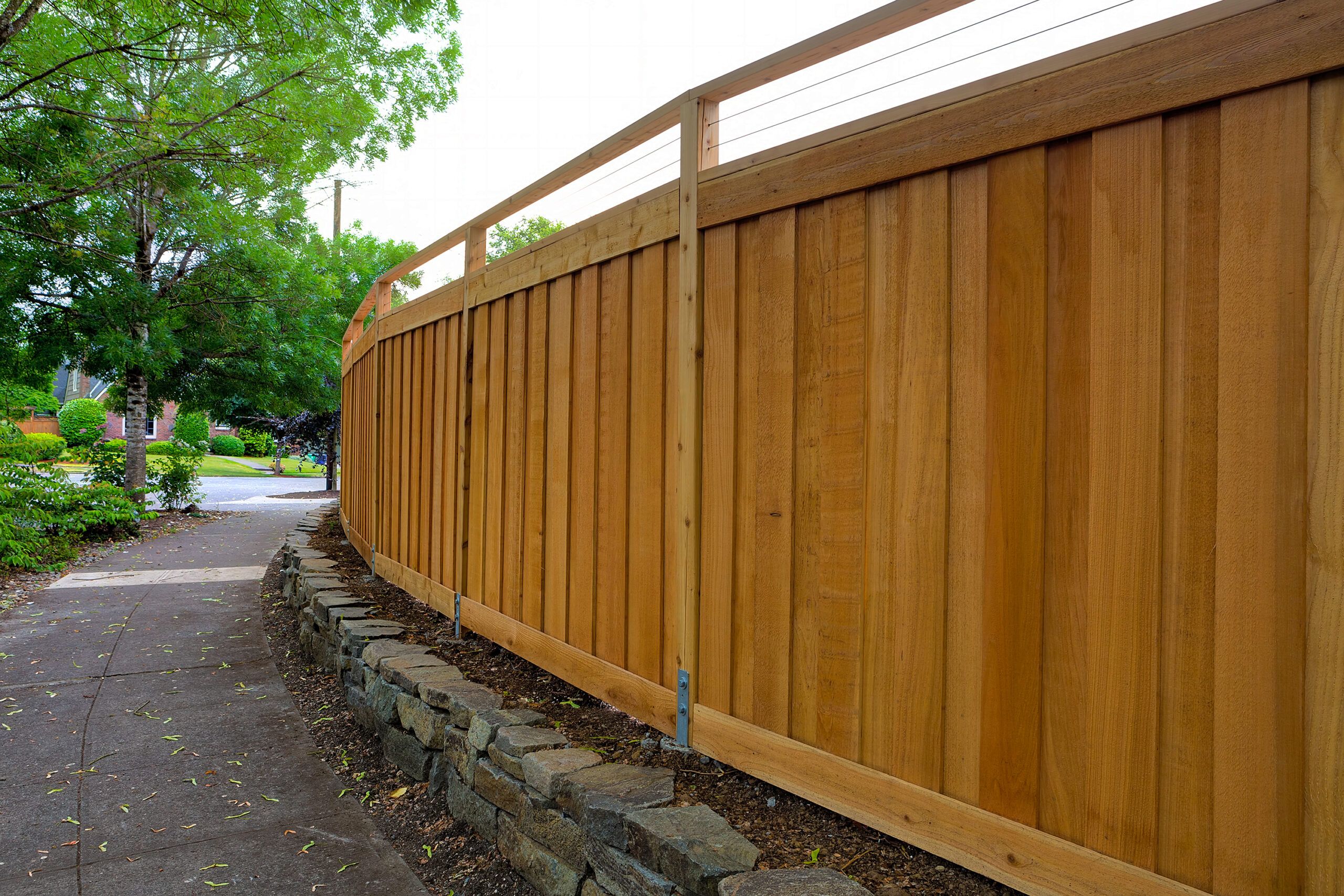
One of the most effective ways to reduce yard noise is by installing a retaining wall or fence. A well-constructed barrier can significantly decrease sound levels, especially from ground-level sources like traffic or neighbors’ activities.
Choosing the Right Fence Material
When selecting a fence material for noise reduction, consider the following options:
- Masonry walls (stone, brick, or concrete)
- Solid wood fencing
- Composite materials
- Vinyl fencing with sound-absorbing inserts
The most effective noise-blocking fences are solid, dense, and have no gaps. As acoustical engineer Eric Wood explains, “The more solid the fence or wall, the quieter it will be because sound waves are reflected by dense objects.”
Construction Tips for Maximum Sound Blocking
To maximize the noise-reducing potential of your fence:
- Ensure the fence extends from the ground to its full height without gaps.
- Make the fence as tall as local regulations allow.
- Consider a double-wall fence with insulation between layers for enhanced sound blocking.
- Extend the fence beyond the area you want to protect to prevent sound from wrapping around the edges.
Remember that while a fence can significantly reduce noise, it may not eliminate it. Wood notes, “An 8-foot-high solid fence or wall might knock 6 to 10 decibels off traffic and other ambient noise, which typically measures 60 to 70 decibels. “
Implementing Water Features for Sound Masking
Water features such as garden fountains can be an effective and aesthetically pleasing way to mask unwanted noise in your yard. The sound of running water can create a soothing ambiance while helping to drown out less desirable sounds.
Types of Water Features
Consider these water feature options for noise reduction:
- Fountains
- Waterfalls
- Streams or cascades
- Pond with a waterfall or fountain
Placement for Optimal Noise Reduction
To maximize the effectiveness of your water feature:
- Position it close to your primary outdoor living areas.
- Place it between your seating area and the main noise source.
- Consider multiple smaller features rather than one large one for better sound distribution.
Landscape designer Stephanie Hubbard suggests, “Running water has long been employed to ‘drown out’ extraneous noise and create a sense of serenity. ” However, two major downsides to water features are that they don’t function in colder climates and require regular maintenance.
Strategic Landscaping for Noise Control
While plants alone may not significantly reduce noise levels, strategic landscaping can create a psychological barrier that makes your yard feel quieter and more secluded.
Choosing Trees and Shrubs for Sound Absorption
Choose plants with dense foliage and year-round coverage for the best noise-reducing effect:
- Evergreen trees (spruce, pine, fir)
- Dense shrubs (boxwood, holly, yew)
- Tall grasses (bamboo, pampas grass)
Creating Natural Sound Barriers
To create an effective natural sound barrier:
- Plant trees and shrubs in staggered rows for better coverage.
- Use a mix of heights to create a layered effect.
- Incorporate berms or raised planting beds to add height to your barrier.
Landscape contractor Roger Cook notes, “Greenscaping that blocks the view of the noise’s source will always make a property more comfortable. Even a nice lawn will make you feel farther from the road. “
Using White Noise and Sound Machines
White noise and sound machines can be effective tools for masking unwanted outdoor noise, especially in smaller areas or on patios and decks.
- Choose outdoor-rated speakers or sound machines designed for exterior use.
- Experiment with different sound options (white noise, nature sounds, ambient music) to find what works best for your space.
- Position speakers strategically to create an even sound distribution.
Soundproofing Outdoor Living Spaces
We recommend incorporating soundproofing elements to create a quieter retreat for more enclosed outdoor areas like patios, pergolas, or gazebos.
Acoustic Panels and Screens
- Install outdoor-rated acoustic panels on walls or ceilings.
- Use freestanding acoustic screens to create temporary sound barriers.
- Consider retractable screens or curtains with sound-absorbing properties.
Noise-Reducing Outdoor Fabrics
- Choose outdoor rugs and cushions made with dense, sound-absorbing materials.
- Hang heavy outdoor curtains or drapes to absorb sound and create visual barriers.
- Use fabric-covered panels or canopies to add sound absorption overhead.
DIY Noise Reduction Projects
For those who enjoy hands-on projects, there are several DIY options to reduce yard noise and create a more peaceful outdoor environment.
Building a Green Sound Wall
Create a living wall that combines plants with sound-absorbing materials:
- Construct a frame using pressure-treated lumber or metal posts.
- Install sound-absorbing panels or recycled materials (such as old tires) within the frame.
- Attach a wire mesh or trellis to the front of the wall.
- Plant climbing vines or attach planters to create a green facade.
Creating a Quiet Zone with Portable Barriers
Design movable sound barriers for flexible noise control:
- Build wooden frames filled with sound-absorbing insulation.
- Cover frames with weather-resistant fabric or outdoor paneling.
- Add casters for easy mobility and storage.
Working with Local Authorities on Noise Issues
If persistent noise problems are coming from outside your property, consider working with local authorities to address the issue:
- Familiarize yourself with local noise ordinances and regulations.
- If possible, document noise occurrences, including dates, times, and decibel levels.
- Contact your local police department or city council to report ongoing noise violations.
- Collaborate with neighbors to address community-wide noise concerns.
Remember that a diplomatic approach is often the most effective when dealing with noise issues involving neighbors or local businesses.
Incorporating Technology for Noise Management
Modern technology offers innovative solutions for managing outdoor noise and creating a more pleasant environment in your yard.
Smart Home Systems for Outdoor Noise Control
- Install smart outdoor speakers that can automatically adjust volume based on ambient noise levels.
- Use noise-sensing devices to trigger sound masking or noise cancellation systems when needed.
Noise-Cancelling Outdoor Speakers
Invest in advanced outdoor speaker systems with noise-cancelling capabilities:
- Choose speakers designed specifically for outdoor use with weather-resistant features.
- Position speakers strategically to create zones of reduced noise.
- Use accompanying apps or controls to fine-tune noise cancellation settings for your specific environment.
Our Conclusion
There are numerous ways to create a more peaceful outdoor environment, from installing physical barriers like fences and landscaping to incorporating sound-masking techniques and technology.
Remember that what works best for your yard will depend on your specific noise sources, property layout, and personal preferences. Experiment with different methods and consult with professionals, such as landscape designers or acoustical engineers, to develop a comprehensive noise reduction plan for your outdoor space. With a clear strategy you can significantly reduce yard noise and reclaim your backyard as a haven from the busy world around you.
