
We may be compensated if you purchase through links on our website. Our team is committed to delivering honest, objective, and independent reviews on home products and services.
Replacing an old or worn window can greatly improve your home’s energy efficiency and appearance. This project is manageable for experienced do-it-yourselfers (DIYers) but requires careful planning and execution to get a proper fit and seal. In the video above, This Old House general contractor Tom Silva demonstrates the step-by-step process of installing a replacement window, highlighting key techniques for success.
Replacement Window Overview
Replacement windows are designed to fit into existing window openings without removing the entire frame. They’re an affordable option for upgrading old, drafty windows without extensive remodeling. They can reduce noise, improve energy efficiency, decrease maintenance needs, and improve property value.
Consider the following factors before installing a replacement window.
Material Options
There are various materials available for replacement windows, each with its own advantages:
- Aluminum: Durable and often used in modern designs
- Fiberglass: Combines strength with energy efficiency
- Vinyl: Known for energy efficiency and low maintenance
- Wood: Offers a classic look with excellent insulation
Window Styles
Different window styles can complement various architectural designs and meet functional needs. Here are some common options:
- Awning: Hinged at the top, opening outward to prevent rain from entering
- Casement: Hinged on the side, opening outward with a crank
- Double-hung: Traditional style with vertically sliding sashes
- Slider: Move horizontally along a track
Energy-Efficient Windows
Look for Energy Star-certified windows to find energy-efficient options. Two important numbers on Energy Star window labels are the U-factor and the solar heat gain coefficient (SHGC):
- U-factor: U-factor measures how well a window keeps hot or cold air from escaping a room. Lower is better.
- Solar heat gain coefficient: SHGC measures how well the window resists heat gain from outside temperatures and the sun. Lower is better here, too.
Other Considerations
Look at the existing window frame’s condition and make sure you can safely remove one window and install another without extensive damage. We recommend talking to a professional if you’re unsure. You may also consider hiring a pro if you don’t have the time, tools, or skills to replace a window yourself.
A professional can get any necessary permits and make sure your new window installation is up to code. You’ll need to handle these things if you’re installing the window yourself.
Preparing for Replacement Window Installation
Proper preparation is key to a successful replacement window installation. This phase involves gathering the necessary tools and materials and preparing the window opening.
Tools and Materials Needed
To install a replacement window, you’ll need the following tools and materials:
- Butyl caulk
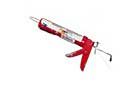
- Caulk gun
- Expanding insulating foam
- Fiberglass insulation
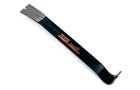
- Flat pry bar
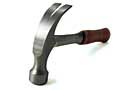
- Hammer
- Nailer
- PVC trim
- Safety glasses and gloves
- Shims (if needed)
- Stainless steel screws
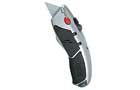
- Utility knife
- Window stops
 Hammer
- Flat pry bar
- Utility knife
- Caulk gun
- Nailer

Removing the Old Window
- Pry off the interior trim from around the old window.
- Cut the sash cords and lift the sash from the window frame.
- Remove any storm sash or screens from the window.
- Carefully pull out the old window frame from the opening.
- Remove the sash weights from inside the wall on each side of the opening.
- Carefully set the window aside for proper disposal or recycling.
Window Replacement Process
Begin installing the new replacement window, working carefully to create a secure and weathertight fit.
Insulating and Sealing
Proper insulation and sealing improve energy efficiency and prevent drafts:
- Fill any voids in the wall with fiberglass insulation.
- Apply a bead of butyl caulk around the window opening.
- Use expanding insulating foam along the sill and the expander flashing’s underside.
Silva recommends butyl caulk for windows because the caulk stays soft and flexible.
Setting the New Window
- Place the expander on top of the new window.
- Set the bottom of the window on the sill, then press the top tight to the wall.
- Secure the window with four two-inch stainless steel screws, one on the top and bottom of each side.
- Use shims to ensure the window is level and plumb, if needed.
Finishing Touches
- Apply butyl caulk along the jamb and new window frame.
- Install PVC trim around the window’s interior.
- Caulk around the PVC trim, then nail on the window stops.
- Reinstall the interior trim removed earlier.
- Test the window to make sure it works smoothly.
Common Window Replacement Challenges and Solutions
Replacing a window is pretty straightforward, but you might still run into some challenges. Being prepared for these issues makes for a smooth installation.
Dealing with Uneven Openings
Older homes often have window openings that are no longer perfectly square. Use the following tips to address this:
- Apply additional caulk to fill gaps.
- Order custom-sized replacement windows for severely uneven openings.
- Use shims to level the window.
- Consider enlisting a professional to fix the opening.
Addressing Moisture Issues
Moisture problems can compromise the window installation and lead to future issues. Here’s how to avoid them:
- Inspect the opening for signs of water damage or rot.
- Replace any damaged wood before installing the new window.
- Install proper flashing and sealing to prevent future water infiltration.
Handling Unexpected Structural Issues
Removing an old window sometimes reveals underlying structural problems. Here’s how to handle them:
- Address any structural issues before proceeding with the installation.
- Consult a professional if significant repairs are needed.
- Verify that the opening is structurally sound to support the new window.
Window Maintenance and Care
Proper maintenance helps your newly installed replacement window perform well and last a long time.
Regular Cleaning
Keep your replacement window in top condition with the following cleaning tips:
- Avoid abrasive cleaners that could damage the window’s finish.
- Clean the glass with a mild soap and water solution.
- Wipe down frames and sills regularly to prevent dirt buildup.
Seasonal Checks
Perform the following checks twice per year to maintain your window’s efficiency:
- Check caulking for cracks or gaps and reseal as needed.
- Inspect weatherstripping for wear and replace if necessary.
- Test for smooth opening and closing.
Long-Term Care
To maximize your replacement window’s lifespan, do the following:
- Address any issues promptly to prevent more significant problems.
- Lubricate moving parts annually with a silicone spray.
- Repaint or restain wood frames as needed to protect them from moisture.
