
Leaf blowers are versatile tools that can significantly simplify your yard maintenance routine. From autumn cleanup to driveway sweeping and even snow clearing, these machines offer a range of uses beyond just moving leaves. Whether you’re a homeowner looking to streamline your landscaping tasks or a gardening enthusiast seeking efficient ways to maintain your outdoor space, understanding how to choose and use a leaf blower can go a long way in making lawn care easier.
Understanding Leaf Blower Types
Leaf blowers come in various types, each with its own set of advantages and limitations. The three main categories are gas-powered, electric, and battery-powered blowers.
Gas-Powered Blowers
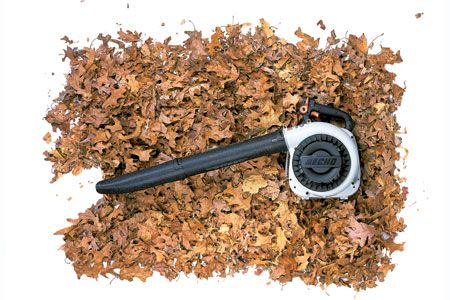
Gas-powered blowers are known for their power and mobility. These machines are not limited by cord length and can handle large areas with ease. They come in handheld and backpack models, with the latter being more suitable for extended use and larger properties.
Gas leaf blowers are also useful for handling wet leaves due to their large size and high power level. “It really takes a lot of energy to lift and move wet leaves,” says Roger Cook, This Old House landscape contractor. “The little ones just can’t handle the volume, and the ones that mulch could choke on a big pile.”
Gas blowers typically use two-cycle engines that require a mix of gas and oil. While they offer more power than their electric counterparts, they also produce more noise and exhaust fumes.
Electric Blowers
Electric blowers are a popular choice for homeowners with smaller yards or those who prioritize quieter operation. These models are generally lighter and produce less noise than gas-powered alternatives, though you’ll still need to use hearing protection when using them.
Corded electric blowers offer consistent power without the need for refueling or recharging. However, their range is limited by the length of the extension cord. They’re ideal for small to medium-sized yards where an outlet is easily accessible.
Battery-Powered Blowers
Battery-powered blowers combine the mobility of gas models with the quieter operation of electric ones. These cordless tools have seen significant improvements in recent years, with advancements in battery technology providing longer run times and more power.
While they may not match the raw power of gas blowers, battery-powered models are sufficient for most residential needs. They’re also more environmentally friendly, producing no emissions during use.
Key Factors To Consider When Choosing a Leaf Blower
Selecting the right leaf blower involves considering several factors that will impact its performance and your satisfaction with the tool. Here are the key aspects to keep in mind when making your decision.
Power and Performance
The power of a leaf blower is typically measured in cubic feet per minute (CFM) and miles per hour (mph). CFM indicates the volume of air the blower can move, while mph represents the speed of the airflow. For most residential uses, a blower with 400-700 CFM and 110-180 mph should suffice. However, if you have a large property or deal with wet, heavy debris, you may want to consider more powerful models.
Noise Levels and Restrictions
Noise is a significant concern with leaf blowers, particularly in residential areas. Some towns have restrictions on decibel levels and hours of operation, while others have banned gas-powered leaf blowers entirely. When choosing a blower, look for models with noise-reduction features, especially if you live in a noise-sensitive area. Electric and battery-powered blowers are generally quieter than gas models.
Weight and Ergonomics
Lighter leaf blowers will be easier to operate, especially if you plan to use it for extended periods. Handheld models typically weigh between three and 15 pounds, while backpack blowers can weigh up to 30 pounds. Consider your physical capabilities and the size of your property when deciding on the weight you can comfortably manage.
Ergonomic features such as padded handles, adjustable nozzles, and vibration reduction can significantly improve comfort during use. For larger properties, a backpack model may be more comfortable for extended use despite its higher weight, because it reduces arm fatigue.
Additional Features
Many leaf blowers come with additional features that can enhance their functionality. These may include:
- Vacuum and mulching capabilities
- Variable speed controls
- Cruise control for maintaining a consistent airflow
- Quick-release tubes for easy storage
- Gutter cleaning attachments
Assessing Your Yard’s Needs
Before purchasing a leaf blower, you should first take time to evaluate your property and typical yard maintenance tasks. This assessment will help you choose a blower that’s well-suited to your specific requirements.
Size of Your Property
The size of your yard is the most important factor iin determining the type and power of the leaf blower you need. For small yards under a quarter-acre, a lightweight electric or battery-powered handheld blower should suffice. Medium-sized yards between a quarter and half an acre may benefit from a more powerful handheld gas model or a backpack blower. For properties larger than half an acre, a backpack blower or even a walk-behind model might be the most efficient choice.
Types of Debris
Consider the types of debris you’ll be dealing with most frequently. Light, dry leaves are easily managed by most blowers, but wet leaves, pine needles, and small twigs require more power. If you often deal with heavier debris, opt for a more powerful gas or high-end battery-powered model.
Frequency of Use
How often you plan to use the leaf blower should influence your choice. If you’ll only use it occasionally for light cleanup, a less expensive electric model might be sufficient. However, if you anticipate frequent use or have a large property that requires regular maintenance, investing in a more durable and powerful gas or high-end battery model could be more cost-effective in the long run.
How To Use a Leaf Blower Effectively
Using a leaf blower effectively requires proper technique and strategy. Here are some tips to help you maximize the efficiency of your leaf blower and make your yard work easier.
Proper Technique for Leaf Gathering
Start your leaf-blowing session by working from the house outward, blasting leaves from beds and shrubs into open areas. Create manageable piles or rows as you go. For large areas, work in sections, moving leaves towards a central collection point.
When using the blower, maintain a sweeping motion from side to side, keeping the nozzle close to the ground for maximum effectiveness. Adjust the angle and speed of the airflow as needed to lift and move leaves without scattering them unnecessarily.
Managing Wet Leaves and Heavy Debris
Wet leaves and heavy debris can be challenging to move with a leaf blower. To tackle these effectively:
- Start at the edges of the pile and work your way in gradually.
- Use short, powerful bursts rather than a constant airflow.
- Consider using a rake in combination with the blower for particularly stubborn areas.
- If possible, wait for leaves to dry before attempting to blow them.
Using Tarps for Efficient Cleanup
To streamline your cleanup process, consider using tarps. Blowing the leaves onto a tarp allows you to drag the leaves to the compost pile. This method not only makes collection easier but also reduces noise during the final stages of cleanup.
Place tarps strategically around your yard and blow leaves onto them. Once full, you can easily drag the tarps to your compost pile or collection area, saving time and effort.
Maintenance and Care Tips for Your Leaf Blower
Regular care of your leaf blower will keep your tool running efficiently and help prevent costly repairs.
Cleaning and Storage
After each use, clean your leaf blower to remove dust, debris, and grass clippings. For gas-powered models, wipe down the exterior and check for any fuel leaks. Electric and battery-powered blowers should be wiped clean and stored in a dry place.
For long-term storage, particularly over winter:
- Empty the fuel tank of gas-powered blowers or use a fuel stabilizer.
- Clean or replace air filters.
- Remove the battery from cordless models and store it in a cool, dry place.
- Store the blower in a clean, dry area away from direct sunlight and extreme temperatures.
Regular Maintenance Checks
Perform these maintenance checks regularly to keep your leaf blower in top condition:
- For gas models, check and replace the spark plug annually.
- Inspect and clean air filters monthly during heavy use seasons.
- Check for loose screws or damaged parts before each use.
- For battery-powered models, follow the manufacturer’s guidelines for battery care and replacement.
Manual Alternatives to Leaf Blowing
For those with smaller yards or who prefer a more hands-on approach, manual alternatives to leaf blowers include:
- Rakes: Traditional and effective, rakes provide a quiet, emissions-free option for leaf collection.
- Push sweepers: These manual tools can be effective for clearing driveways and patios without noise or emissions.
- Mulching mowers: These can chop leaves finely, allowing them to decompose and nourish your lawn.
Safety Precautions When Operating a Leaf Blower
Safety should always be a priority when using any power tool, including leaf blowers.
Personal Protective Equipment
When operating a leaf blower, always wear:
- Safety glasses or goggles to protect your eyes from debris
- Ear protection, such as earplugs or earmuffs, to guard against hearing damage
- A dust mask to prevent inhalation of fine particles
- Gloves to improve grip and protect your hands
- Closed-toe shoes with good traction
Awareness of Surroundings
Be mindful of your environment when using a leaf blower. Check the area for people, pets, or obstacles before you start. Be cautious of windows, cars, or other items that may get damaged by blown debris and avoid blowing leaves onto roads or neighboring properties. Additionally, take note of the wind direction and adjust your technique accordingly to maintain control.
