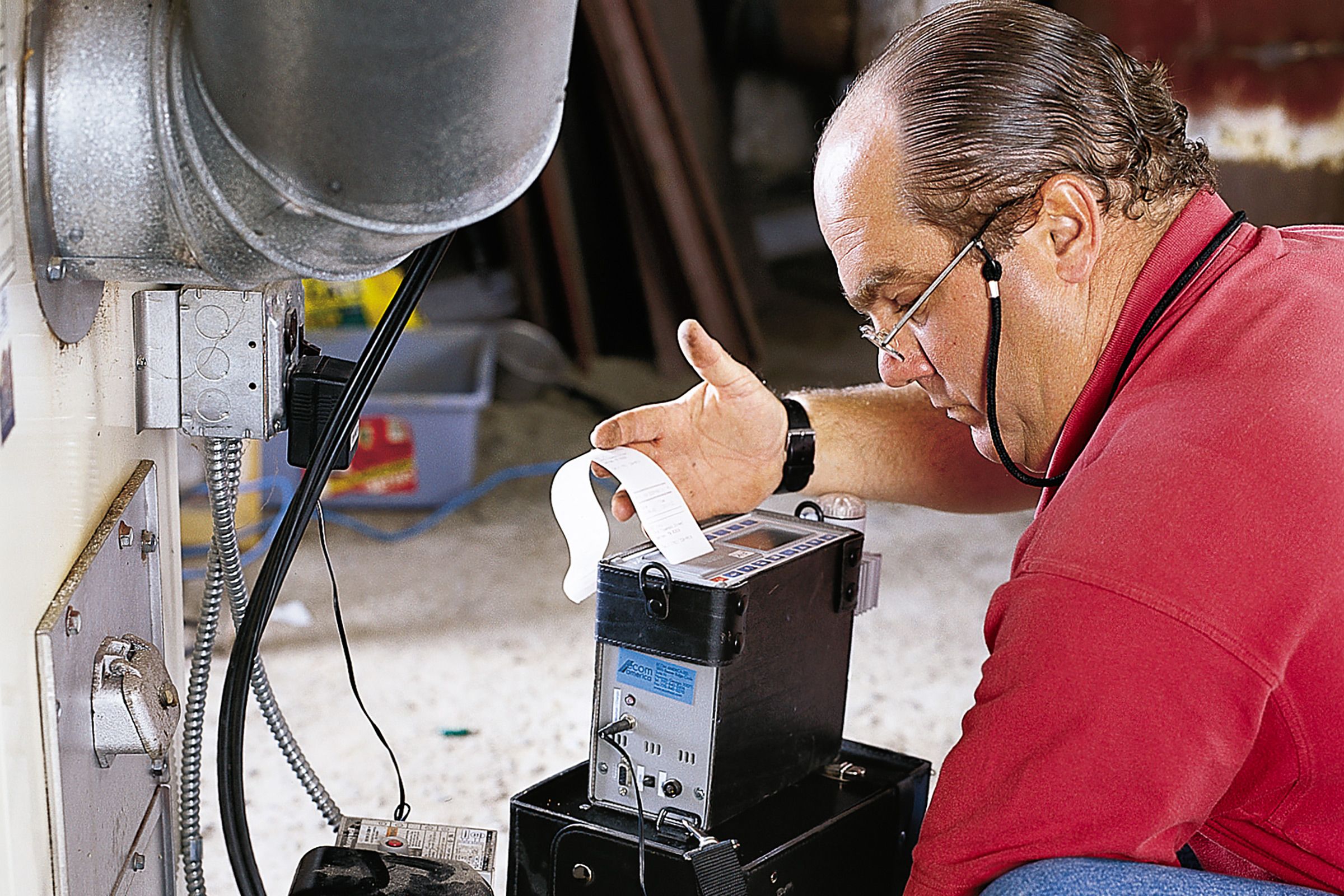
As the leaves change and temperatures drop, it’s time to turn your attention to furnace maintenance. A clean, well-adjusted heating system will save you money on fuel and prolong your furnace’s life. Below, we’ll walk you through the essential steps of fall and winter furnace maintenance, from understanding your system to knowing when to call the professionals.
Understanding Your Furnace System
Before diving straight into maintenance, familiarize yourself with your heating system. All heating systems have distinct components and upkeep needs.
Types of Heating Systems
There are several types of heating systems commonly found in homes. Common heating systems include:
- Boilers (hot water or steam)
- Electric furnaces
- Forced-air furnaces (natural gas, oil, propane)
- Heat pumps
We’ll focus primarily on forced-air furnaces, the most common type in American homes. Forced-air systems blow hot air through ductwork. They’re highly efficient and responsive to thermostat settings.
Key Components of a Furnace
A typical forced-air furnace has the following:
- Air filter: Removes particles from the air
- Blower: Circulates heated air through ductwork
- Burner: Creates heat by mixing the fuel source and air
- Electrical ignition (newer models) or pilot light (older models): Sends the spark to the burner
- Flue or vent pipe: Vents exhaust gases outside
- Heat exchanger: Transfers heat from combustion gases to the air
The Importance of Fall Furnace Maintenance
We highly recommend maintaining your furnace yearly. Annual servicing prevents unexpected furnace breakdowns, extends the life of your system, helps prevent the need for furnace replacement, and helps it operate at peak efficiency.
Energy Efficiency
During annual maintenance, technicians clean and adjust components to optimize performance. A well-maintained furnace operates more efficiently, which translates to lower energy bills. Additionally, a clean furnace reduces your environmental footprint.
Longevity
Regular furnace maintenance can extend your system’s lifespan. Proper care, maintenance, and cleaning can help your forced-air furnace last 15–30 years.
Safety
Safety is the most critical reason for annual maintenance. Carbon monoxide (CO) can leak into your house if your furnace breaks. Regular inspections can detect leaks and other issues that could pose serious—or deadly—health risks to your family.
When To Schedule Autumn Furnace Maintenance
Early fall is the best time to schedule furnace maintenance. This way, you can address any issues before the cold weather sets in and you need your furnace. This schedule also helps you avoid the rush of last-minute service calls when the first cold snap hits.
Cost of Professional Furnace Cleaning
Professional furnace cleaning typically costs between $60 and $150.* That’s much less than emergency repairs and can save you on the cost of buying a new furnace. The exact cost varies depending on your location and the type of system you have. Investing in a maintenance plan with a trusted heating, ventilation, and air conditioning (HVAC) company can offer added benefits, such as priority service and discounts on repairs.
*Cost information is based on 2024 reports from Angi.
Fall Furnace Maintenance Checklist
“You wouldn’t wait more than a year to service your car,” explains This Old House plumbing and heating expert Richard Trethewey. “The heat in your house is just as important.” Below, Richard shows us some of the most important furnace maintenance steps.
Shutting Down the System Safely
Always shut down your furnace safely before performing any maintenance. First, turn off the furnace’s electrical power at the main circuit breaker. If you have a gas or oil system, also turn off the fuel supply valve. It’s important to know the location of these shutoffs in case of future emergencies.
Cleaning the Combustion Chamber
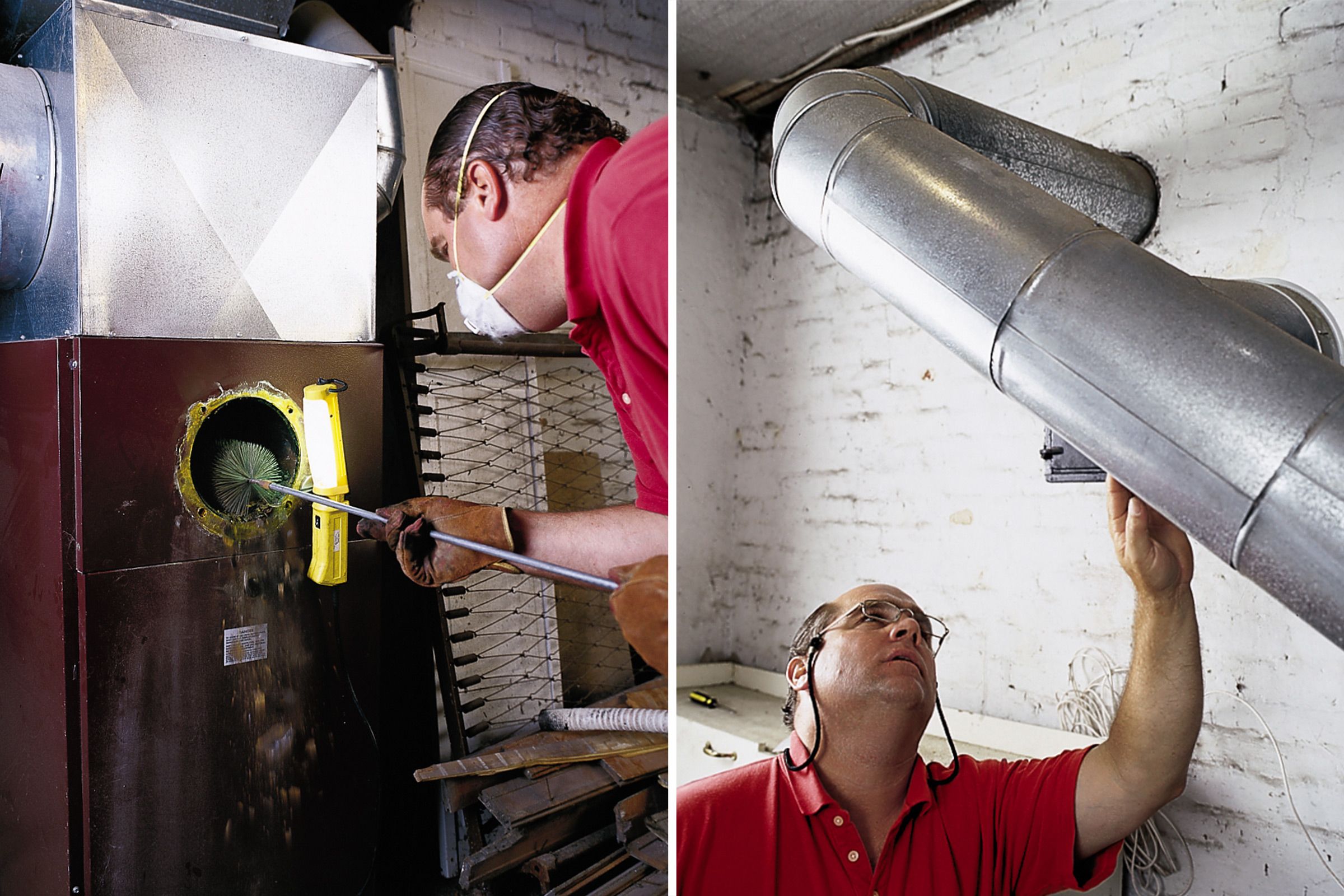
The combustion chamber is where the fuel mixes with air and ignites. Over time, soot and other byproducts can build up. This leads to corrosion. Regular cleaning helps extend the life of the system. These are general steps to follow:
- Carefully remove the chamber cover.
- Use a small wire brush to scrape away built-up carbon.
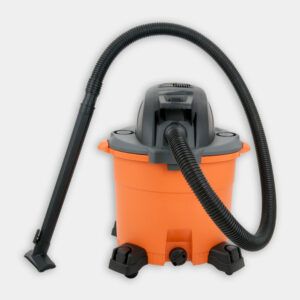
- Vacuum out loose debris.
- Inspect the chamber for holes or signs of corrosion.
Inspecting the Flue Pipe
The flue pipe carries exhaust gases out of your home. It may have holes or corrosion, especially where it connects to the furnace. You can patch small holes with foil tape, but a professional should replace a corroded flue pipe. Also, inspect it for proper alignment and secure connections. Check the condition of the barometric damper, which regulates the chimney draft.
Cleaning Floor Vents and Ducts
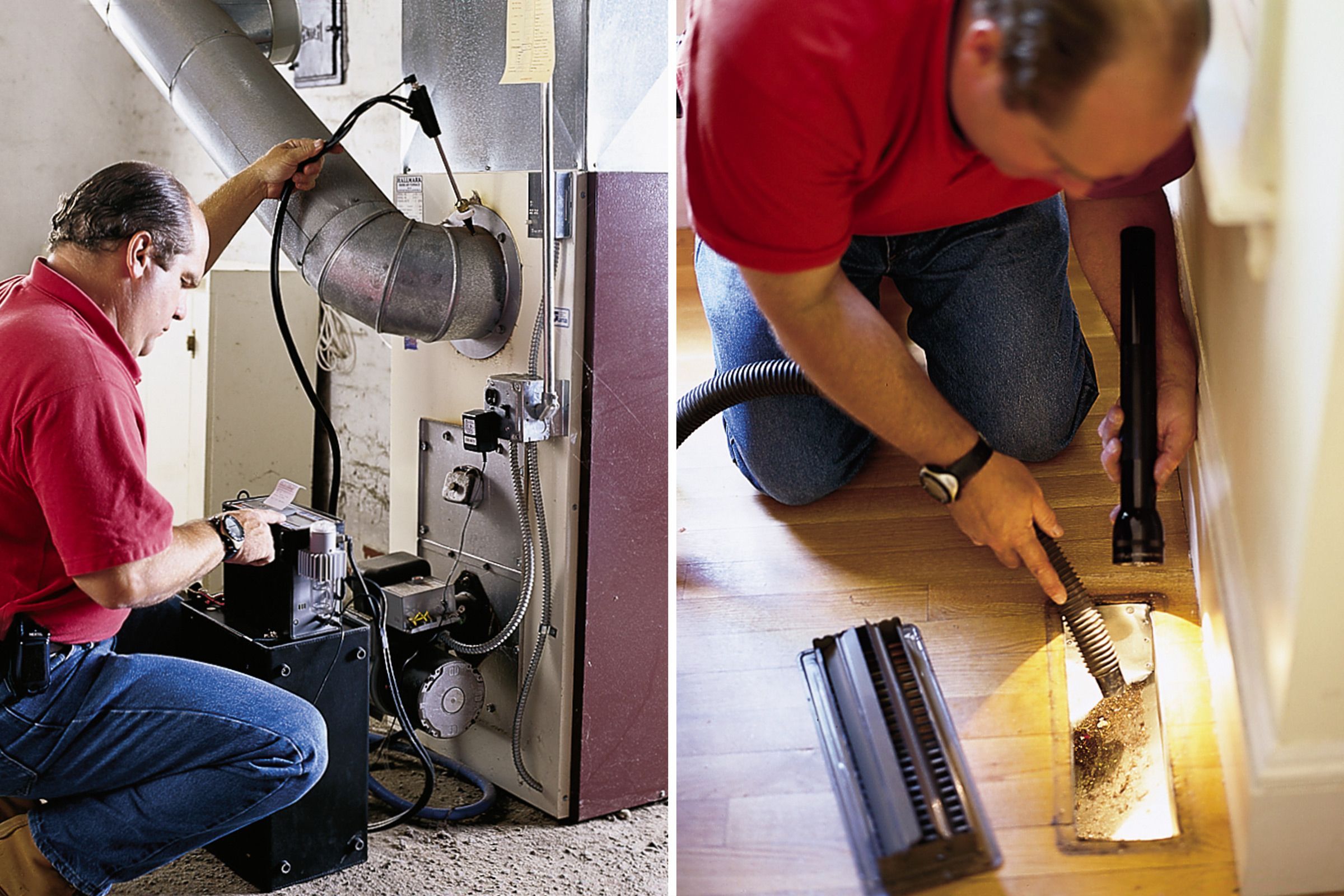
Dust, pet hair, and debris can accumulate in your vents and ducts. This restricts airflow and can circulate allergens. Regular duct cleaning can improve your heating system’s efficiency. To clean your vents and ducts, first remove floor registers and vacuum inside the ducts as far as you can reach. Use a damp cloth to wipe down the registers before replacing them. We recommend professional duct cleaning if it’s been several years or if you notice excessive dust.
Replacing the Air Filter
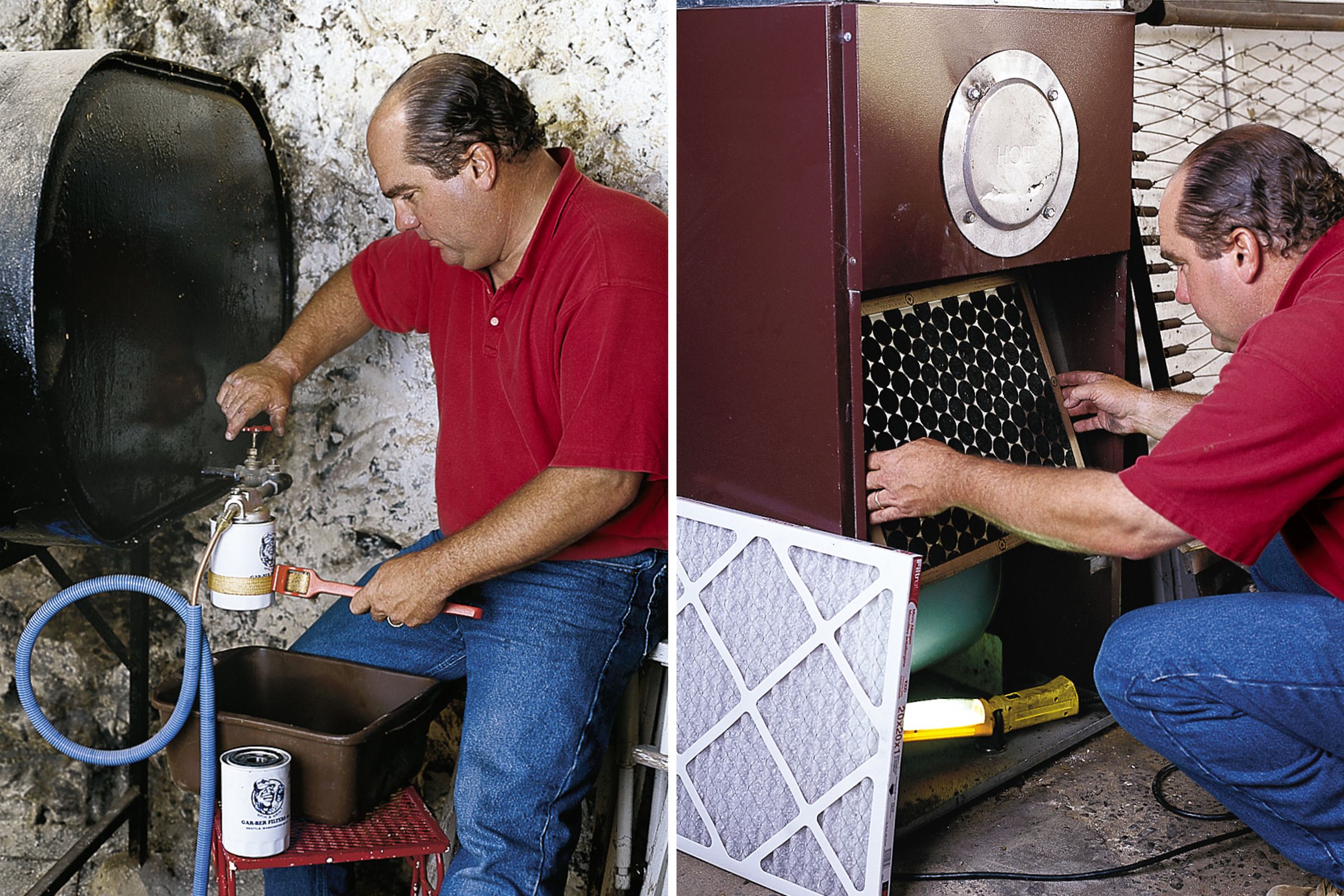
Changing your furnace’s air filter is a simple yet important home maintenance task. For optimal performance, check your filter monthly and replace it at least every three months. If you have pets or allergies, replace it more frequently. “You can’t change it too often,” Richard says, “but never let it go for more than a year.”
The steps to replace your air filter are below:
- Locate the filter housing, typically found in the blower compartment.
- Remove the old filter, noting the direction of airflow marked on its frame.
- Insert the new filter, ensuring it’s facing the correct direction.
- Replace the filter cover or close the compartment.
Replacing the Oil Filter
If you have an oil-powered furnace, you should replace the oil filter at least once a year. This helps prevent impurities from clogging the oil burner nozzle, which could cause system shutdown. Follow these steps to replace your oil filter:
- Close the oil valve to stop fuel flow.
- Remove the old filter carefully to avoid spills.
- Install the new filter, ensuring it’s securely in place.
- Reopen the oil valve.
- Dispose of the old filter according to local hazardous waste regulations.
Sealing Air Leaks
Air leaks can significantly decrease your home’s energy efficiency. Check for drafts around windows and doors and apply weatherstripping or caulk to seal any gaps. You should also inspect your attic insulation and add more if needed. Reducing drafts helps your home maintain a consistent temperature and reduces the strain on your heating system.
Maintaining Carbon Monoxide Detectors
Proper detector maintenance is crucial for your family’s safety. Ensuring that your CO detectors are in good working condition can provide peace of mind during the heating season. We recommend the following best practices:
- Test your CO detectors monthly.
- Replace the batteries every six months. An easy way to remember it’s time for new batteries is to replace them when you change your clocks for daylight savings time.
- Replace the entire unit according to the manufacturer’s recommendations, typically every five to seven years.
Optimizing Thermostat Settings
The best smart thermostats learn your schedule and adjust temperatures automatically. But using these tips with a manual thermostat can still lead to significant energy savings:
- Calibrate your thermostat for accurate temperature control.
- Set your thermostat to 68 degrees Fahrenheit (20 degrees Celsius) when you’re awake and lower when you’re asleep or away.
When To Call a Professional for Furnace Maintenance
If you don’t have experience working on your HVAC system, we recommend calling a professional for most furnace issues. While DIY maintenance can save money, there are times when you’ll absolutely need professional help. Learn to recognize these situations to prevent minor issues from becoming major problems.
Signs of Serious Furnace Issues
Look out for warning signs that indicate the need for professional attention. Addressing these signs quickly can prevent more serious safety problems:
- Frequent cycling on and off
- Poor or uneven heating throughout your home
- Strange smells
- Unexplained increases in energy bills
- Unusual noises such as banging, whistling, or rumbling
- Yellow/orange or flickering pilot light (should be blue and steady)
Advanced Maintenance Tasks
Some furnace maintenance requires professional skills and tools. These advanced tasks are typically part of an annual service call:
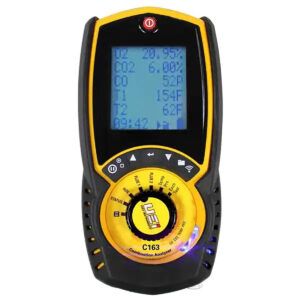
- Adjusting the burner: A well-adjusted burner maximizes efficiency and minimizes harmful emissions. A technician will measure exhaust gases, adjust certain components, and check the color and shape of the igniter flame.
- Testing fuel efficiency: A professional can use specialized equipment to test your furnace and calculate its Annual Fuel Utilization Efficiency (AFUE).
Benefits of Professional Servicing
Professional HVAC service has advantages. Regular professional maintenance can extend the life of your furnace and provide peace of mind. Your HVAC technician will perform comprehensive system checks using specialized tools and help you identify potential issues before they become serious. You might also have to keep a professional service schedule to maintain your furnace manufacturer’s warranty.