
Building a deck could give you a significant return on investment in the future. According to Remodeling magazine’s 2024 Cost vs. Value Report, homeowners can recoup nearly 80% of their deck investment if they sell within the first year after building one.
There’s a stunning variety of available deck materials and layout possibilities, making the planning process overwhelming. In this guide, we’ll explain what you need to know and help you plan your perfect outdoor oasis.
Understanding Different Decking Materials
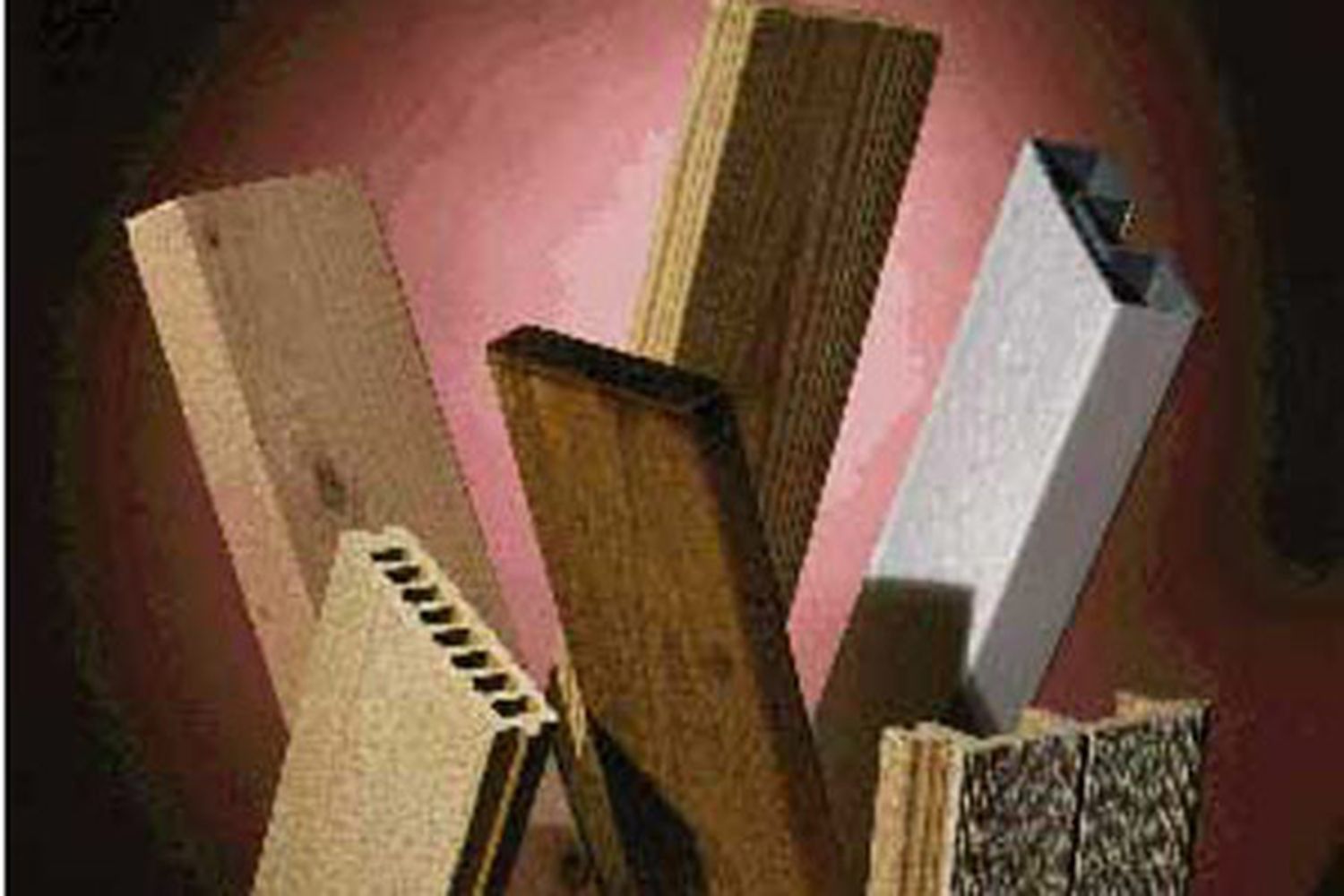
Different deck materials are suitable for different climates and price points. Here are a few of the most common.
Pressure-Treated Wood
Pressure-treated (PT) wood is typically Southern yellow pine infused with chemical preservatives to resist rot, decay, and insects. It can last around 15 years but tends to crack, split, and warp as it dries. With regular maintenance, including applying water repellent every two years, you can preserve its original color and durability.
Residue from PT wood chemicals can cause health problems. To protect yourself, wear a dust mask when you work with it, bathe or shower afterward, and wash your work clothes separately.
Redwood and Cedar
Redwood and cedar are beautiful, easy to cut, and can last over 20 years with proper maintenance. They’re naturally resistant to rot and insects, so you don’t have to treat them with heavy-duty chemicals. However, they’re a little more expensive upfront.
There are more budget-friendly and premium grades of these materials on the market. We recommend spending a little more for heartwood, which is far more durable than sapwood.
Tropical Hardwoods
Ipe (pronounced E-pay) is a tropical hardwood that has become more widely available recently. Also known as Ironwood or Pau Lope, it can last at least 40 years with only one UV-blocking treatment. It’s naturally resistant to insects and decay, comes virtually knot-free, and has tight grain patterns that hinder moisture from setting in. However, it’s more expensive and requires predrilling for fasteners.
Composite Decking
Plastic-wood composite decking resists rot, insects, and UV rays. Since it doesn’t splinter, it’s also far simpler to work with and maintain. However, it is more expensive than PT wood. Many composite decking options have extended warranties, some lasting around two decades.
Vinyl Decking Systems
If you want an ultra-low-maintenance deck and don’t mind a less “natural” look, consider an all-vinyl option. Vinyl decking typically includes deck boards, rails, spindles, and fascia to create a cohesive look. It’s resistant to UV rays, doesn’t splinter, and never needs sealing and staining. However, it’s also more expensive than wood, and you might be limited to only a few color options.
Installation and Maintenance Tips
Proper installation and maintenance can help you maximize the lifespan and appearance of your deck, regardless of the material you choose.
Proper Installation Techniques
Always follow manufacturer guidelines for installation. These include the following:
- New composite decks: With composite decking, ensure adequate ventilation underneath to prevent moisture buildup.
- New wood decks: If you’re installing a wood deck, use proper spacing between boards to allow for expansion and contraction.
- Upgrading an existing deck: When upgrading from an old deck to a new one, carefully inspect the underlying structure for any needed repairs or replacements.
Regular Deck Maintenance
Clean your deck at least once a year with an appropriate cleaner for the material. For wood decks, use a water-repellent sealer every other year. Composite and vinyl decks are easily cleaned with soap and water.
Inspect your deck regularly for splinters, loose boards, protruding nails, or signs of rot. Address these issues promptly to prevent further damage.
Enhancing Your Deck’s Functionality and Style
Once you’ve chosen your decking material, consider these enhancements to maximize your outdoor living space:
- Built-in features: Built-in seating, planters, and storage can make your deck more functional while complementing your chosen material.
- Deck lighting: Extend your space’s usability into the evening hours with post cap, stair riser, and recessed deck lights.
- Railings and balusters: Choose railings and balusters that complement your design vision. You can combine materials for a more custom look, such as metal railings for a wood deck.
Cost Analysis: Comparing Decking Materials
When evaluating decking options, consider both initial and long-term costs.
Installation costs increase from economical pressure-treated wood to premium composite. Here’s some cost data to consider from Angi:
- Vinyl: $5–$13 per square foot
- Pressure-treated wood: $8–$20 per square foot
- Natural cedar or redwood: $3–$30 per square foot
- Composite: $12–$45 per square foot
Decks also have maintenance costs over time. Factor in how much cleaning supplies, sealers, and replacement boards will be.
Finally, consider how different materials might affect your resale value. A well-maintained wood deck can offer a good return on investment, but a lower-maintenance option may appeal more to potential buyers.
