
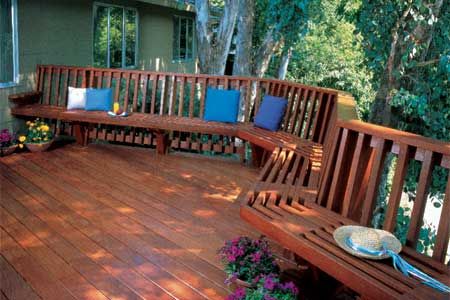
Decks face numerous challenges that can compromise their structure and appearance over time. Moisture is the most significant threat, causing wood to swell, warp, and rot. Ultraviolet rays from the sun break down wood fibers. Temperature fluctuations can cause cracking and splitting. Foot traffic, spills, and accumulated dirt can also wear down the deck surface and lead to mold.
A comprehensive deck defense strategy involves regular cleaning, proper sealing, and timely maintenance. Follow our tips to extend your deck’s life, maintain its appearance, and keep it safe for your family.
Deck Materials and Their Vulnerabilities
Different deck materials have unique vulnerabilities that require specific defense strategies. Understanding these can help you tailor your maintenance approach for optimal protection.
Pressure-Treated Lumber
Pressure-treated lumber is popular due to its affordability and resistance to insects and decay. However, it’s susceptible to moisture damage, warping, and cracking. Regular sealing is crucial to maintain its protective properties and prevent water absorption.
Redwood and Cedar
These naturally beautiful woods contain oils that provide some inherent resistance against decay. However, they’re still vulnerable to UV damage, which can cause graying and fading. Proper sealing and UV protection are essential to maintain their rich color and natural properties.
Composite Decking
While composite decking is more damage-resistant, it’s not entirely maintenance-free. It can still be susceptible to staining, scratching, and fading over time. Regular cleaning with specialized composite deck cleaners and protectants can help maintain its appearance and performance.
Essential Components of Deck Defense
Deck maintenance involves several strategies that work together to protect your outdoor space.
Cleaning
Remove dirt, grime, and mildew that can damage the wood and prevent finishes from adhering properly. Store-bought cleaners are often more effective than homemade solutions for dirty or damaged wood. Products containing detergent and bleach work best on dirt and mildew, while those with oxalic acid are ideal for removing tannin streaks and stains around nail heads in cedar and redwood decks.
Sealing
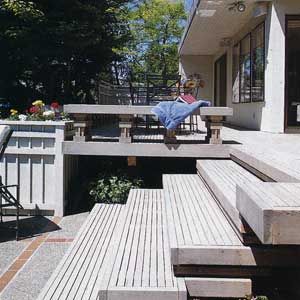
Sealing protects wood decks from moisture damage. A quality sealer repels water, preventing it from penetrating the wood fibers and causing swelling, warping, or rot. Look for products that seal out moisture and contain mildewcides for added protection against fungal growth. The choice of sealer can significantly impact the deck’s durability.
UV Protection
UV rays can significantly damage to deck materials, leading to discoloration, fading, and breakdown of wood fibers. Finishes with UV inhibitors and pigments provide the best protection against sun damage. The more pigment a finish contains, the better it is at blocking harmful UV rays.
Advanced Sealants and Coatings
New formulations of sealants and coatings offer improved UV protection, longer-lasting water repellency, and enhanced resistance to foot traffic. Some products combine multiple functions, such as sealing, staining, and UV protection, in a single application, simplifying maintenance.
Deck Defense Underlayments
Underlayments, such as fire-resistant decking and framing materials, offer an extra layer of protection against moisture and can improve the overall durability of your deck structure. These products are particularly beneficial in areas prone to wildfires or high humidity.
How Often Should You Treat Your Deck?
The frequency of finish reapplication depends on several factors, including the type of finish used, exposure to elements, and foot traffic.
Generally, clear finishes may need reapplication annually, while semitransparent stains can last two to three years. Solid-color finishes typically offer the longest protection, often lasting three to five years before needing reapplication.
Though semi-transparent and solid-color finishes can last years, depending on your environment, they can also deteriorate after just one. Monitor your deck’s condition and reapply when water stops beading on the surface.
Choosing the Right Deck Cleaner
For pressure-treated lumber, look for cleaners specifically formulated to remove the dirt and grime that accumulate on these surfaces.
Cedar and redwood benefit from cleaners that remove tannin stains without bleaching the natural color.
Composite decking requires gentler cleaners that won’t damage the material’s surface or strip away its protective layer.
DIY vs. Commercial Deck Cleaners
While DIY solutions using laundry detergent and bleach can be effective for light cleaning, commercial products often yield better results, especially for heavily soiled or damaged decks. Commercial cleaners are formulated to tackle specific issues like mold, mildew, and UV damage, and they’re less likely to harm the wood or leave residues that interfere with finishing.
Selecting Effective Deck Sealers and Stains
The ideal deck sealer should repel water, preserve the wood with a mildewcide, and screen out UV rays. Consider factors such as the type of wood, desired appearance, and level of protection needed when selecting a finish.
Oil-Based vs. Water-Based Finishes
Oil-based finishes typically provide deeper penetration and longer-lasting protection than water-based alternatives. They’re particularly effective at sealing out moisture and preserving wood fibers. However, water-based products are easier to clean and more forgiving in damp conditions.
Clear vs. Pigmented Finishes
Clear finishes allow the natural beauty of the wood grain to show through but offer less UV protection. Pigmented finishes–from lightly toned to solid colors–provide superior UV defense. Semitransparent stains strike a balance, adding color while still revealing some of the wood’s natural grain. For maximum UV protection, consider solid-color finishes specifically formulated for deck surfaces.
Professional vs. DIY Deck Maintenance
Deciding whether to hire a professional or tackle deck maintenance yourself depends on your time, budget, and skill level.
Hiring a Professional
Professional deck maintenance services offer expertise, specialized equipment, and time savings. They can often achieve superior results, especially for large or complex decks. However, professional services come at a higher cost, typically ranging from $550–$1,250 for staining services, according to Angi. Make sure to check references and visit past jobs, as the deck maintenance specialty is relatively new, and experience levels can vary.
DIY Deck Maintenance
Proper preparation and technique are key for those who choose to maintain their decks themselves. Ensure you have all necessary materials, including cleaners, finishes, and application tools. Follow product instructions carefully, and be prepared to dedicate time to the process—typically one day for cleaning and another for applying the finish, with several days of drying time in between.
DIY maintenance is relatively affordable. Materials for a 20×20-foot deck run between $80 and $120, plus another $80 or so to rent a power washer for a day.
Deck Maintenance Issues
Even with regular maintenance, decks can develop specific problems that require targeted solutions. Addressing these issues promptly can prevent more extensive damage and extend your deck’s lifespan.
Mildew and Mold
Mildew and mold are common problems, especially in shaded or damp areas of the deck. Take the below steps to address this:
- Clean the affected area with a solution of one part oxygen bleach to eight parts water.
- Scrub gently with a soft brush and rinse thoroughly.
- Allow the deck to dry completely before applying a mildew-resistant sealer or stain.
Cracks and Splinters
Small cracks and splinters can worsen over time if left unaddressed. For minor repairs, do the following:
- Sand the affected area smooth.
- Fill small cracks with exterior wood filler.
- For larger cracks or damaged boards, consider replacement to maintain structural integrity.
Our Conclusion
Effective deck defense is essential for preserving the beauty, function, and safety of your outdoor living space. By understanding the vulnerabilities of your deck material and using a comprehensive protection strategy—including regular cleaning, proper sealing, and timely maintenance—you can significantly extend the life of your deck.
