
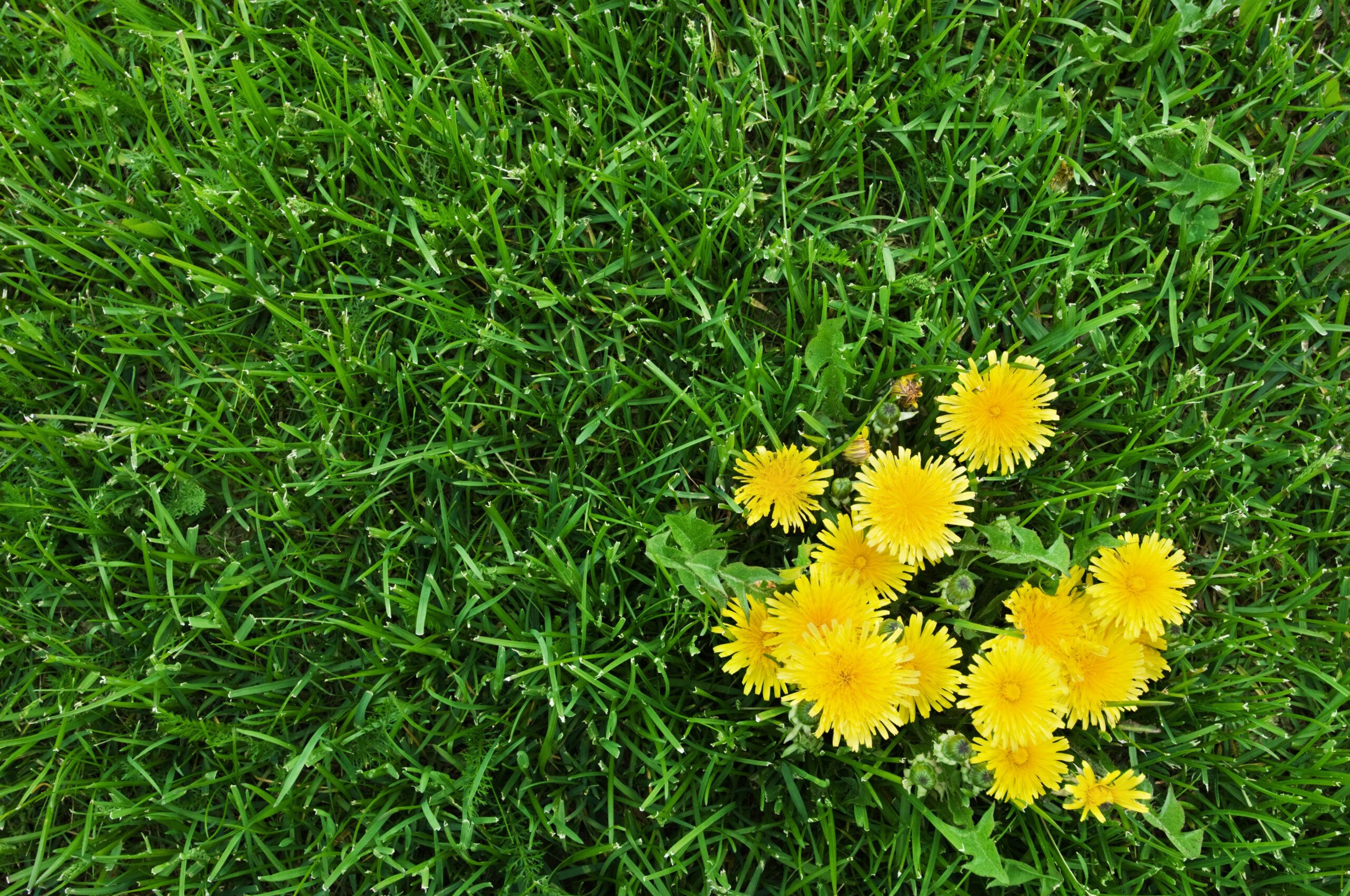
Many homeowners pride themselves on having a lush, green lawn, but pesky weeds can quickly interfere. Understanding how to identify and control common lawn weeds will help you maintain a healthy and vibrant yard. Our guide explains how to recognize the most prevalent lawn invaders, details effective control strategies, and provides tips for preventing future infestations.
What Are Lawn Weeds?
Lawn weeds are unwanted plants that grow in your grass, competing for nutrients, water, and sunlight. If left unchecked, these invasive species can quickly take over a lawn, compromising its health and appearance.
Weeds fall broadly into three main types: grassy weeds, broadleaf weeds, and sedges. Each type has unique characteristics and requires different control methods.
Why Do Weeds Invade Lawns?
Weeds thrive in lawns for various reasons, often indicating underlying issues with your turf or soil. Common factors that contribute to weed growth include the following:
- Poor soil quality
- Improper mowing practices
- Over- or under-watering
- Inadequate fertilization
- Soil compaction
Types of Lawn Weeds
Let’s explore the three main categories of lawn weeds you’re likely to see.
Broadleaf Weeds
Broadleaf weeds are easy to spot because of their distinct leaf shape, which differs from grass blades. These weeds often have wide, flat leaves and may produce flowers. Dandelions, clover, and plantain are typical broadleaf weeds found in many lawns. They flourish in thin or undernourished turf.
Grassy Weeds
Grassy weeds closely resemble turf grass, so they’re more challenging to spot. These weeds have long, narrow leaves and grow in a similar pattern to desirable grass species. Common examples include crabgrass and quackgrass. Grassy weeds often thrive in lawns that are mowed too short or receive frequent, light watering.
Sedge Weeds
Sedges are grasslike weeds with triangular stems and leaves that grow in a radial pattern. Yellow nutsedge is a common sedge weed that often appears in poorly drained or over-watered lawns. Because of their extensive root systems, sedges can be particularly tough to control.
10 Most Common Lawn Weeds
Here are the top 10 weeds you’re likely to encounter.
Chickweed
Chickweed is a low-growing annual broadleaf weed with small, oval leaves and tiny white flowers. It thrives in moist, shaded areas with compacted soil. To control chickweed infestations, try to improve soil aeration, reduce watering, and use pre-emergence herbicides in early spring.
Crabgrass
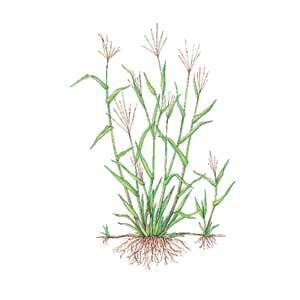
Crabgrass is an annual grassy weed that spreads rapidly through seeds. It thrives in lawns mowed shorter than two inches and those that are underfed or watered frequently with light irrigation. To control crabgrass, maintain a thick and deeply irrigated turf. Consider using pre-emergence herbicides in spring before soil temperatures reach a steady 60 degrees Fahrenheit.
Dandelion
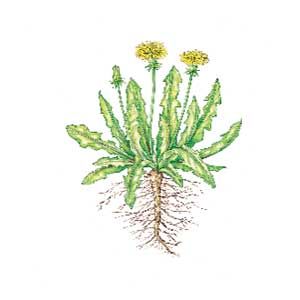
Dandelion is a broadleaf perennial recognized by its bright yellow flowers and large, flat rosette of leaves. Dandelion favors thin turf and can quickly spread through wind-dispersed seeds. To control dandelion, pull or dig out young plants before they go to seed. Spot-treating with a selective broadleaf weed killer can help.
Ground Ivy (Creeping Charlie)
Ground ivy, also known as creeping Charlie, is a broadleaf perennial with square stems and rounded leaves with scalloped edges. It prefers damp soil and shaded areas. To control it, improve drainage, reduce watering, and pull young plants. Spot treatment with a broadleaf post-emergence herbicide may be necessary for severe infestations.
Plantain
Plantain is a broadleaf perennial with oval or lance-shaped leaves growing in a rosette pattern. It often appears in compacted or poorly drained soils. Control plantain by improving soil conditions, maintaining proper mowing height, and using selective broadleaf herbicides as needed.
Quackgrass
Quackgrass is a perennial grass with flat, light green to blue-green leaves. It spreads aggressively through underground stems called rhizomes. Control quackgrass by thoroughly digging out roots and rhizomes—any remaining pieces can regenerate new plants. Spot treat with a non-selective herbicide in severe cases.
Spotted Spurge
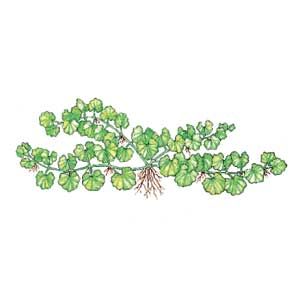
Spotted spurge is a low-growing annual broadleaf weed that forms dense mats. It has small leaves with a reddish-brown spot and oozes a milky sap when cut. Control spotted spurge by maintaining a thick, well-fertilized lawn and using pre-emergence herbicides to prevent seed germination.
White Clover
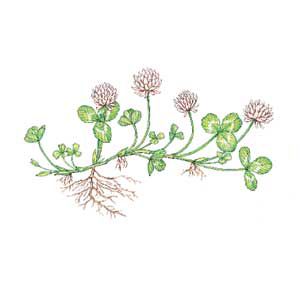
White clover is a broadleaf perennial with three-lobed leaves and small, white flower clusters. It thrives in sparse, undernourished turf with excessive moisture. Control white clover by watering deeply but not frequently, applying nitrogen fertilizer, and avoiding applying excessive phosphorus.
Yellow Nutsedge
Yellow nutsedge is a grasslike perennial with triangular stems and narrow leaves. It reproduces through seeds and underground tubers, so it’s hard to get rid of. Control yellow nutsedge by improving drainage, watering deeply but infrequently, and using post-emergence herbicides specifically labeled for nutsedge.
Yellow Woodsorrel
Yellow woodsorrel is a broadleaf perennial with clover-like leaves and small yellow flowers. It spreads by both roots and seeds, making it challenging to control. Proper watering, fertilization, and using both pre-emergence and post-emergence herbicides can help.
Identifying Lawn Weeds
Here are some key factors to consider when identifying lawn weeds:
- Growth patterns: Note how the weed grows. Does it form a low-growing mat, or does it grow upright? Does it spread through runners or rhizomes? These growth patterns can provide valuable insight.
- Seasonal appearance: Some weeds are more prevalent during specific seasons. For example, crabgrass is a summer annual, while chickweed is often a winter annual. Knowing when certain weeds are likely to appear can help you plan timely control measures.
- Visual characteristics: Look at the weed’s leaf shape, size, and arrangement. Note any distinct features, such as leaf margins, veins, or hair-like structures. Pay attention to flower color and shape. These visual cues can help you differentiate between various weed species.
Effective Weed Control Strategies
Controlling lawn weeds often requires a multifaceted approach. Here are some effective strategies to help you get rid of weeds.
Cultural Control Methods
Cultural control focuses on creating an environment that favors grass growth over weed proliferation. This includes proper mowing height and frequency, appropriate watering practices, regular fertilization, improving soil health, and overseeding thin areas.
Essentially, many homeowners can naturally suppress weed growth without chemicals by maintaining a thick and healthy lawn.
Mechanical Removal Techniques
Manual removal is another effective control method for small weed infestations. Use tools like weed pullers or hand trowels to remove weeds, ensuring you extract the entire root system. We recommend mechanical removal for perennial weeds with deep taproots, such as dandelions.
Natural and Organic Weed Control
If you’d rather try eco-friendly alternatives to chemical herbicides, several natural and organic weed control methods are available.
- Beneficial insects and plants: Encourage beneficial insects like ground beetles that feed on weed seeds. Planting competitive ground covers in garden beds can also help suppress weed growth naturally.
- Corn gluten meal: Corn gluten meal is a natural pre-emergence herbicide that can help prevent weed seeds from germinating. For best results, apply it in early spring before weed seeds sprout.
- Vinegar solutions: A mixture of vinegar, salt, and dish soap can be an effective spot treatment for weeds. But be careful: this solution can also harm some plants and alter soil pH.
Chemical Control Options
When cultural and mechanical methods aren’t sufficient, chemical herbicides may be necessary. There are two main types of herbicides:
- Pre-emergence herbicides: Applied before weed seeds germinate
- Post-emergence herbicides: Used on actively growing weeds
Always follow label instructions carefully and consider using selective herbicides that target specific weed types without harming your lawn grass.
Preventing Weed Infestations
Prevention is key to maintaining a weed-free lawn. Implement these strategies to minimize weed growth.
- Proper lawn maintenance: Maintain your lawn at the proper height for your grass species, typically between 2 1/2 and 3 1/2 inches. Water deeply but infrequently to encourage deep root growth. Regular fertilization and aeration can also help create a dense, healthy turf that resists weed invasion.
- Soil health management: Healthy soil supports strong grass growth and discourages weeds. Test your soil regularly and maintain proper pH and nutrient levels. Address drainage issues and reduce soil compaction to create the best possible growing environment for your lawn.
- Strategic planting and overseeding: Dense turf leaves little room for weeds to establish themselves. Overseed bare or thin areas of your lawn with grass species well-suited to your climate and soil conditions. Consider which grass is best for your area for the best growth and weed resistance.
When To Call a Lawn Care Professional
While homeowners can handle many weed control tasks, there are situations where a professional lawn care company’s help may be necessary. We advise bringing in a pro in the following scenarios:
- Persistent weed problems: For weeds that continue to return despite your best efforts, a professional can help identify underlying issues and develop a targeted control plan.
- Severe infestations: If weeds have taken over a large portion of your lawn, a professional lawn care service can provide comprehensive treatment and restoration services.
- Specialized weed species: Some weed species require specialized knowledge or restricted herbicides for effective control. In these cases, hire a professional for safe and proper treatment.
