
Modern techniques and products have made removing old wallpaper faster and easier. This guide will walk you through the latest methods for stripping away various types of old wallpaper to transform your walls and prepare them for a fresh look.
Types of Wallpaper
Different wallpaper types require specific removal methods. We’ll walk you through them below.
Uncoated Wallpaper
Uncoated wallpaper is the easiest type to remove. This traditional wallpaper is printed paper without a protective coating and it absorbs water and stripping solutions without issue. You can often soak uncoated wallpaper with hot water using a large sponge, which will loosen the paper and paste underneath. Once soaked, slowly peel away the wallpaper from a corner or seam, reapplying water as necessary.
Vinyl-Coated Wallpaper
Vinyl-coated wallpaper is more durable and resistant to moisture, making it a popular choice in modern homes, but making removal harder. The vinyl coating prevents water and stripping solutions from penetrating the surface easily. You’ll need to score the surface first so the stripping agent can better penetrate the paper and reach the adhesive.
Professionally Installed Wallpaper
Professionally installed wallpaper is more difficult to remove than homeowner-hung paper. Pros use unpasted papers and usually apply lots of adhesive, or add an activator to prepasted versions to improve adhesion. These installations often require multiple applications of stripping solutions and harder scraping to remove.
Tools for Wallpaper Removal
The right tools can make your wallpaper removal process much more manageable.
Scoring Tools
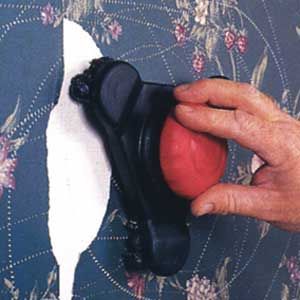
A scoring tool, such as the Paper Tiger, can perforate vinyl-coated or stubborn wallpapers. This tool creates small holes in the wallpaper surface without damaging the wall underneath, allowing stripping solutions to get through and loosen the adhesive. Apply even pressure and uniform motion when using the tool for consistent hole patterns.
Stripping Gels and Solutions
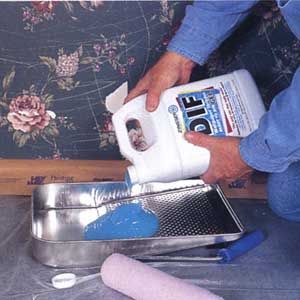
Modern wallpaper stripping solutions, such as enzyme-fortified DIF gel, are non-toxic and odorless. They stick well to vertical surfaces, reducing mess, and break down the wallpaper adhesive, making removal easier. For professionally installed wallpaper, you might need to apply multiple gel layers.
Scrapers and Knives
A dull or improperly angled scraper can put holes in the wall underneath. Look for tools such as the Paper Scraper, which features a broad base and angled blade to minimize accidental wall damage. A 6-inch drywall knife is also useful for removing residual adhesive after the bulk of the paper is gone.
Additional Tools
To make your project cleaner and more efficient, consider getting a sponge and bucket for cleaning, a plastic drop cloth for protecting floors, and a ladder for reaching high spots.
Preparing Your Space for Wallpaper Removal
Take the time to set up and protect your workspace before starting removal.
Protect Floors and Fixtures
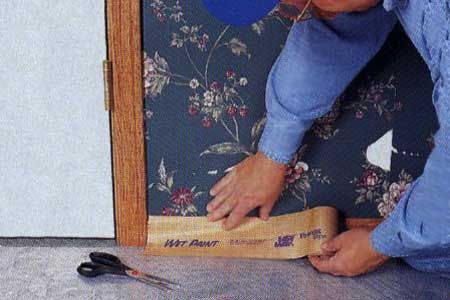
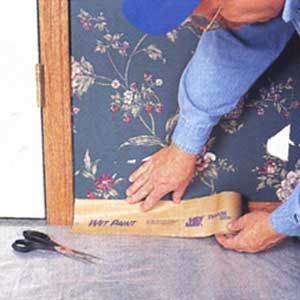
Cover the floor with a plastic drop cloth to catch falling wallpaper and drips from stripping solutions. Use self-adhering masking paper to line baseboards, window and door casings, and other moldings. Move any furniture or decorations out of the room or cover them with additional drop cloths.
Proper Ventilation
Make sure there is good air circulation in the room where you’re working. If possible, open windows and use fans to improve airflow, vent away toxic fumes, and help the wells dry faster.
Stripping Steps
Let’s walk through the wallpaper removal process step by step.
Score the Wallpaper
Use your scoring tool across the entire wall surface, making sure there are perforations at least every couple of inches so the stripping solution can penetrate the paper. Too much force can damage the underlying wall, so apply gentle but consistent pressure.
Apply the Stripping Solution
Pour the stripping gel into a clean metal paint tray. Use a 1. 5-inch wide sash brush to apply the gel along moldings and the ceiling. For the main wall areas, use a paint roller with a 3/8-inch nap cover to spread a generous coating of gel. Allow the solution to work for 20 to 30 minutes or until you see the paper blister. If the solution dries out, reapply as needed.
Scrape and Peel
Use your scraper to strip the loosened paper from the wall. Start from the top and work downward in sections. For stubborn areas, apply a second coat of gel and wait another 20 minutes before scraping again. Start peeling from the edges where the paper is soft so that you don’t tear away chunks of wall plaster.
Clean the Residual Adhesive
Scrape off any remaining adhesive and gel residue. Then, wash the walls with a sponge soaked in warm, soapy water to remove all traces of adhesive and stripping solution. Make sure the walls are completely dry, as residual moisture can affect any new wallpaper or paint.
Dealing with Stubborn Wallpaper
Here are strategies for tackling particularly challenging removals.
Multiple Layers of Wallpaper
You may need to score and strip multiple times for layers of wallpaper. Don’t oversaturate the wall and work through one layer at a time. Consider renting a wallpaper steamer for faster removal. Steamers can penetrate multiple layers better than stripping solutions alone, making the task less time-consuming and labor-intensive.
Painted-Over Wallpaper
Paint seals the surface of wallpaper and prevents stripping solutions from penetrating. In these cases, you’ll need to score the surface more aggressively and may need to use a stronger stripping solution. Be patient and prepared for a more time-consuming process.
Very Old Wallpaper
Older wallpaper can become brittle over time and harder to remove without tearing. In such instances, more abrasive stripping pads and even a steamer can be helpful. Test your removal methods in a small area to see what works best without wall damage.
Time-Saving Tips and Tricks
Consider these time-saving tips to streamline your project.
Using Steam for Faster Removal
Steam penetrates wallpaper and loosens adhesive quickly, often allowing you to peel off large sections at once. Be cautious when using steam to avoid burns, and always follow the manufacturer’s instructions.
Renting Professional Equipment
Power scrapers and industrial-strength stripping solutions can significantly speed up the process, especially in larger or multiple rooms. Renting this equipment can save you time and labor in the long run, making it a worthwhile investment for substantial projects.
Breaking the Project Into Phases
If you have multiple rooms or big walls, break the project into phases. Complete one section at a time for efficiency and to avoid becoming overwhelmed.
Post-Removal Wall Treatment
Once you’ve removed all the wallpaper, treat the walls before applying new finishes or paper.
Repairing Wall Damage
Inspect the walls for gouges, holes, or other damage that may have occurred during removal. Use spackle or joint compound to fill in imperfections, and sand the repaired areas once dry. For more severe damage, you may need to repair the plaster.
Preparing Walls for New Finishes
After repairs, wash the walls thoroughly. When dry, apply a primer-sealer to create a smooth, even surface for paint or new wallpaper. Consider using a mold-resistant primer if you plan to wallpaper or paint a bathroom or kitchen area.
Priming and Sanding
Prime your walls with a good-quality primer and check for any remaining imperfections. Sand the primer lightly with fine-grit sandpaper for a smooth finish, then clean the walls again to remove any dust. With your newly stripped and primed walls, you’re ready for exciting new design options, such as creating a faux paneled accent wall for a stylish upgrade.
Wallpaper Removal Environmental Considerations
Consider the environmental impact of home improvement projects, including wallpaper removal.
Eco-Friendly Alternatives
When possible, opt for non-toxic, biodegradable stripping solutions as they are safer for you and the environment. Many modern enzyme-based strippers are effective and eco-friendly. Look for certifications or labels on the product packaging to confirm it meets environmental standards.
Proper Disposal
Consult your local waste management facility for guidelines on disposing of old wallpaper. Some facilities may accept it as recyclable material, while others may require it to be disposed of with regular household waste. Avoid burning wallpaper, as it can release harmful chemicals. Bag and seal removed wallpaper to prevent the escape of any toxic particles or chemicals.
Reducing Waste
Consider waste reduction methods, such as reusable drop cloths and tools. Avoid single-use plastics when possible and recycle any materials that can be processed, such as metal paint trays or empty gel containers.
