
A deck can be a great way to incorporate a fun outdoor living space at your home, but safety is paramount. Deck collapses are more common than many homeowners realize, often occurring during gatherings when the structure is under the most stress. In this guide, we’ll walk you through the steps and precautions for building a safe deck—from understanding risks to implementing innovative attachment methods.
Common Causes of Deck Collapses
The primary reason for deck failures is improper attachment to the house. Many decks are simply nailed to the structure, which can lead to catastrophic failure. Robert Falk, a structural engineer with the U.S. Forest Products Laboratory in Madison, Wisconsin, used a database to search five years of newspaper articles from around the country and found that nearly every collapsed deck had been attached with nails, rather than bolts, and that investigators had pinpointed the nails as the cause of collapse. “On paper, you can calculate that nails will work,” Falk says. “In practice, it’s a different story.”
Other factors include rotting wood, termite damage, and overloading the deck beyond its weight capacity. Moisture and weather conditions can further exacerbate these issues.

Components for a Secure Deck
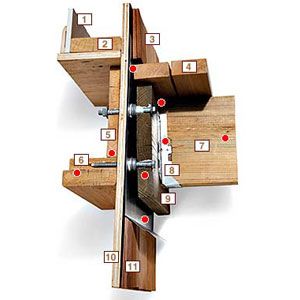
Proper attachment is the key to deck safety. Bolts provide significantly more strength and resistance than nails to the outward forces that can pry a deck away from a house. Additionally, a securely attached ledger board fastened with lag screws or bolts can prevent detachment.
The Right Fasteners
The choice between nails, screws, and bolts can make a big difference in deck safety. Lag bolts and through-bolts are far superior to nails for attaching a deck to a house. Stainless steel fasteners are also recommended since they’re resistant to rust and corrosion.
The Role of Flashing in Deck Safety
Flashing helps prevent water damage and rot at the point where the deck attaches to the house. It directs water away from this area, protecting both the deck and the house structure. Without flashing, water can seep into the wood, leading to rot and structural weakness. Use high-quality, durable flashing materials specifically designed for outdoor use.
Proper Beam and Joist Construction
The deck’s frame, consisting of beams and joists, must be sized and spaced to support the intended load. We recommend using pressure-treated lumber that is resistant to rot and insects. Beams and joists must be made from materials that can withstand heavy loads and adverse weather conditions. Regular inspection of these components for signs of wear and tear can prevent long-term damage.
How To Build a Safe Deck
Building a safe deck requires careful planning and execution. Follow these steps to ensure your deck is built to last and meets safety standards.
Planning and Design Considerations
Start by determining the size, shape, and height of your deck. Consider factors such as sun exposure, privacy, and how you plan to use the space. Make sure your design complies with local building codes and zoning regulations. Be mindful of your surroundings, such as trees and existing landscape features, when planning your deck’s location.
Obtaining Necessary Permits
Before beginning construction, obtain all required permits from your local building department. Permits provide a layer of security and assurance that the deck meets all regional construction standards.
Preparing the Site
Clear the area where the deck will be built and check for drainage away from your home’s foundation. Mark the locations for support posts and footings. Site preparation helps maintain the structural integrity of your deck and prevents ground moisture from affecting its base.
Installing the Ledger Board
The ledger board is the connection between your deck and house. Use through-bolts or lag screws to attach it securely to the house’s framing, not just the siding. Install flashing above the ledger board to prevent water infiltration. Make sure the ledger board is level and securely anchored, as it bears a significant amount of the deck’s load.
Constructing the Frame
Build the frame using properly sized beams and joists. Double-check that all connections are secure using appropriate hardware, such as joist hangers and hurricane ties. These add extra stability and help the deck withstand environmental stressors like high winds.
Adding Decking and Railings
Install decking boards perpendicular to the joists, leaving small gaps between boards for drainage. Add railings that meet local code requirements for height and spacing. Decking materials should be treated to resist weather and pest damage. Railings should be sturdy, especially if the deck is elevated, to prevent falls and injuries.
Weatherproofing the Deck
Apply a high-quality water-repellent sealer to protect wood decking from moisture. Consider installing an under-deck drainage system in areas beneath the deck to keep the supporting structure dry. Regularly reapplying sealant prevents wood from absorbing water, reducing the risk of rot.
Tom Silva’s Deck Attachment Technique
This Old House contractor, Tom Silva, recommends creating an air gap between the ledger board and the house using spacers. He uses a combination of lag bolts and masonry anchors for a secure attachment, along with flexible membrane flashing for water protection. This technique helps prevent moisture entrapment and extends the life of the deck.
How To Maintain a Deck
Regular deck inspections can catch potential issues before they become serious problems.
Annual Safety Checks
Perform a thorough inspection of your deck annually, checking for loose connections, rotting wood, and signs of water damage. Pay attention to the ledger board attachment and support posts. Make sure all fasteners are tight and replace any that show signs of wear and tear.
To check the attachment between a house and a deck, go beneath it and look at the main beam. “If you don’t see bolts and flashing, it’s because they’re not there,” says Tom Carty, the building director for Peachtree City, Georgia. Adding lag bolts may make the connection more secure, but often either the beam or the house has begun to rot.
Carty suggests sticking a pocket knife into the beam and the wall. If the blade penetrates easily, the wood is rotting, and the entire deck-to-house joint may need rebuilding. If bolts are in place but a gap at the joint appears, it could be a sign they are working loose—or were never attached to anything structural in the first place.
Signs of Deck Deterioration
Look for warning signs such as loose railings, wobbly supports, or soft, spongy areas in the wood. These could indicate underlying structural issues that need immediate attention. Addressing these signs promptly can prevent accidents and extend your deck’s life.
When To Call a Professional
If you notice significant problems or are unsure about your deck’s safety, call a professional inspector or contractor. They can complete a thorough assessment and recommend necessary repairs.
Cost of Building a Deck
Angi estimates that building a deck costs between $4,344 and $12,504. The size of the deck, materials used, and complexity of the design all impact the overall cost. High-quality fasteners and hardware may increase upfront costs but are essential for safety and longevity. The geographic location and accessibility of the construction site can also affect labor costs.
Allocate funds for safety features such as proper flashing, high-quality fasteners, and durable decking materials. Incorporating budget-friendly yet effective materials without compromising safety is key to cost management.