
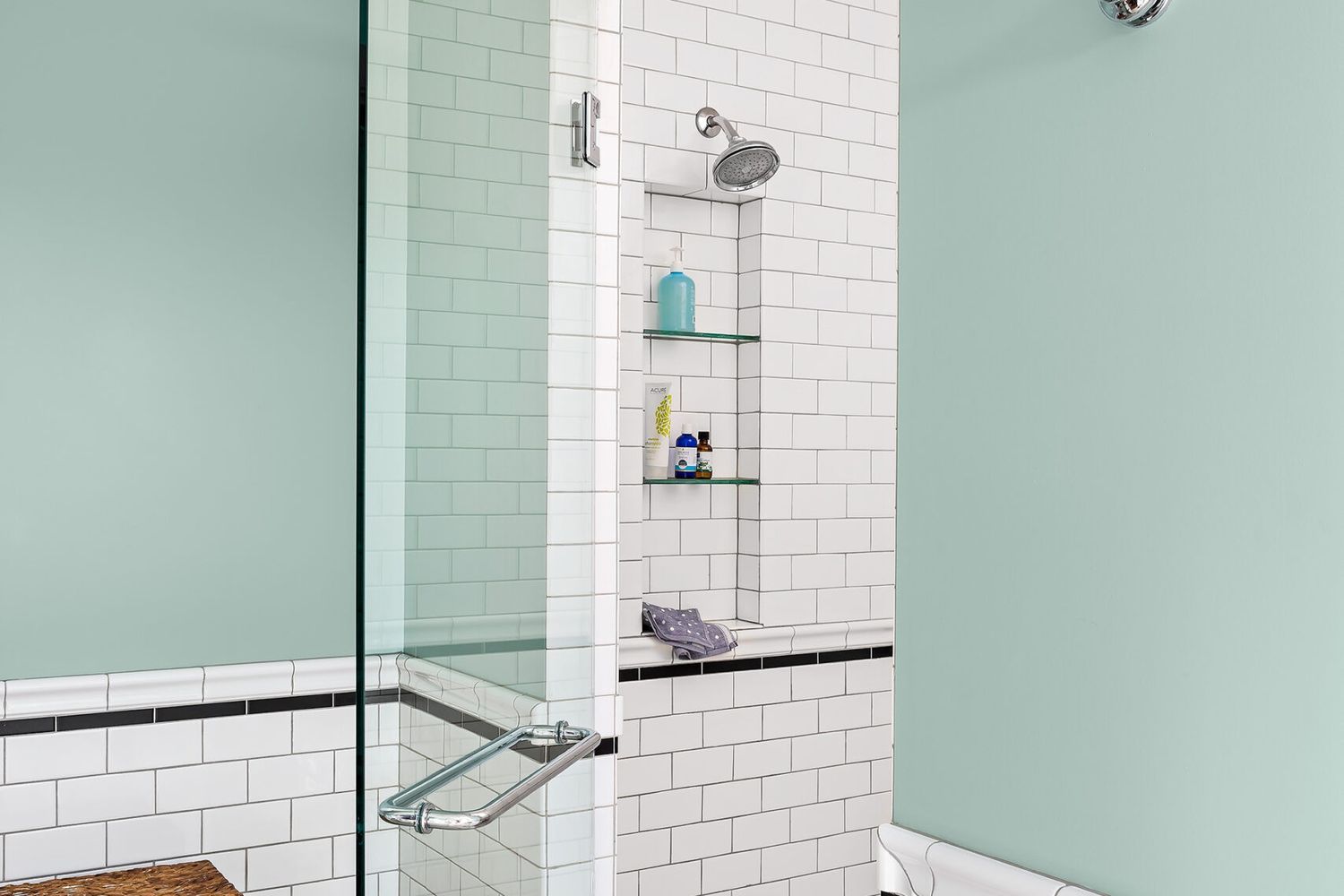
Spending time in a steam room opens your pores, relaxes your muscles, and can improve your overall health. Installing a steam shower in your home can transform your bathroom into a luxurious spa retreat, allowing you to reap the benefits of steam without ever having to leave your house. In this article, we’ll explain what a steam shower is, how it works, and where to find a reputable dealer. We’ve also included steam shower price points and a few do-it-yourself (DIY) tips if you decide to take on this project.
What Is a Steam Shower?
A steam shower is a moisture-sealed shower stall equipped to deliver clouds of steam before, during, or after your shower. Cold water flows into a steam generator and is heated to the boiling point. The generator sends the fresh steam to an aperture in the shower stall. Digital controls inside the shower let the user adjust the steam’s temperature and duration. Some systems can even add piped-in aromas, lighting, and music. And if you don’t have the space to build a separate enclosure, you can add a steam shower generator to your existing shower stall.
How Does a Steam Shower Work?
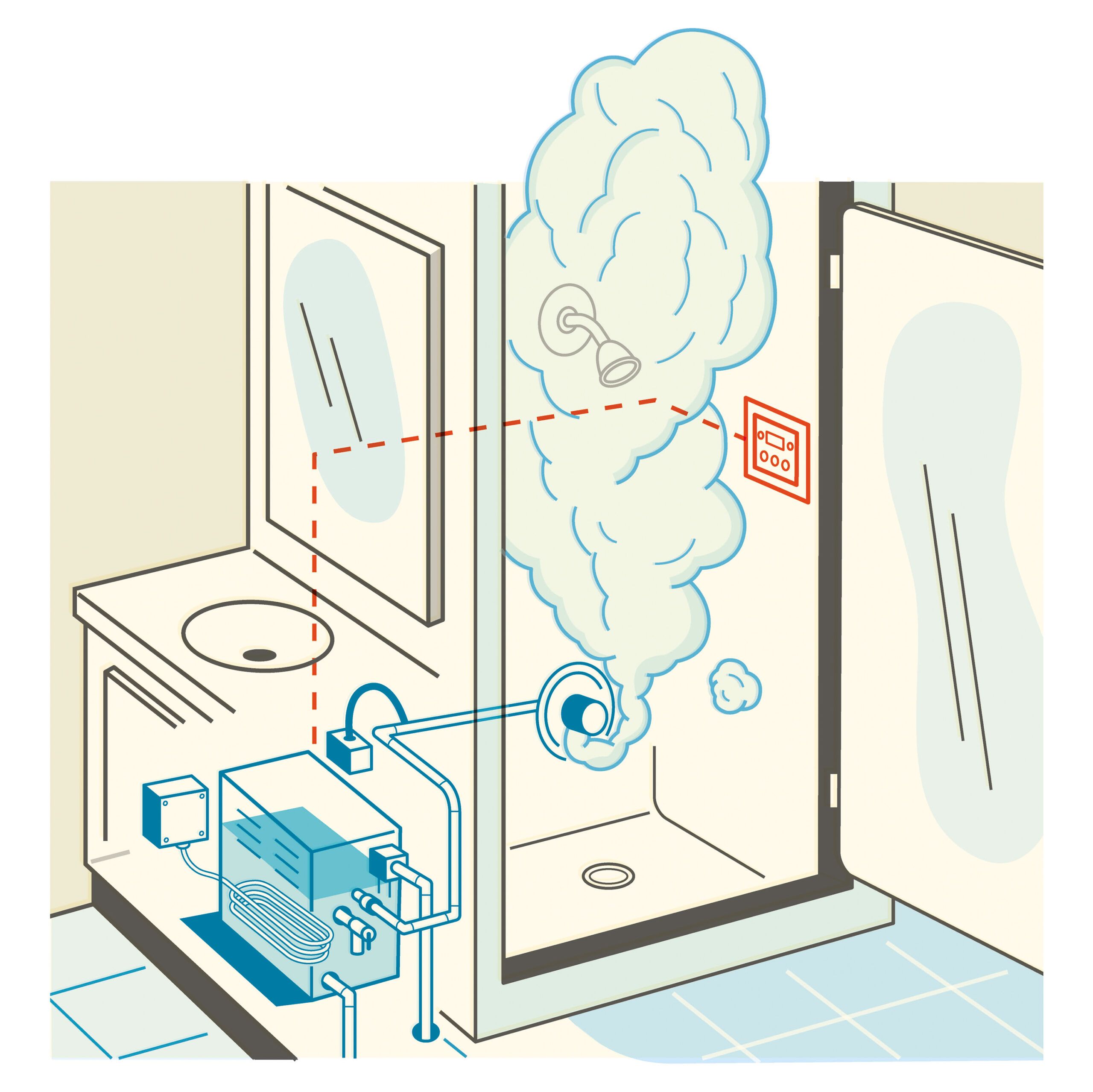
Steam shower design is fairly straightforward. To summon steam, you simply hit the digital controls in the shower stall, which triggers the following process:
- An electric valve fills the breadbox-size steam generator with about a gallon of cold water
- The generator’s electric element brings the water to a boil
- A pipe channels the hot vapor to the steam head, or disperser, which fills the stall with tropical moisture that never gets above a safe 118 degrees Fahrenheit
From there, luxuriate as long as you want. Steaming for 20 minutes consumes a mere 2 gallons of water, but be careful, because your electric bill is bound to go up.
Steam Shower Installation
You can install a steam shower using a prefabricated kit or custom design. Prefab kits are easier to install and cheaper than a custom design, but you have more control over features and decor options if you go custom. After you’ve decided to go prefab or custom design and found your dealer through the manufacturer’s website, they’ll locate the best spot to build a separate stall—if you have the space—and hide the generator, which needs to be within 25 or so feet from the shower stall. A linen or walk-in closet will do nicely, as long as the equipment is easily accessible for maintenance.
Then you’ll need a tiling contractor and shower-door installer to build you a steam-proof enclosure. When that’s ready, the dealer can bring in a plumber to connect all the pipes and an electrician to hook up the generator’s 220-volt electric cable and digital controls.
If you have extensive DIY experience and decide to install it on your own, keep in mind the following details:
- Generator capacity: Steam units are sized based on the stall’s volume in cubic feet, its shape, and what it’s lined with. A typical 4-by-5-by-8-foot stall (160 cubic feet) covered with ceramic tile requires at least a 7-kilowatt generator. For a stall tiled in stone, you’ll need twice as much steam-generating capacity.
- Ventilation: To remove moisture from the room, you have to build a ventilation system immediately outside the steam shower stall. If you’ve installed the shower in an existing bathroom, you may already have a ventilation system in place. If not, consider installing an exhaust fan system to limit the risk of mold growing inside your home.
- Waterproofing: Another way to combat mold growth is by waterproofing your interior walls before tiling them. To avoid moisture from seeping into your walls, prep the space using a membrane system.
How Much Does a Steam Shower Cost?
A steam shower’s price tag varies according to brand, features, materials, and scope of project. The average cost of a steam shower is $4,300*, but the normal range is between $2,800 and $7,100. Installing a generator in an existing shower stall will be cheaper than building an entire stall dedicated to your steam shower. Opting for a custom design over a prefabricated steam shower is more expensive. The features you decide to add to your steam shower experience, such as stone slabs and a jetted tub, will also increase the price of your overall installation.
*Cost data in this section sourced from Angi
Steam Shower Features To Consider
As you shop around for a steam shower, consider the following features to enhance your steaming experience:
- Auto-flush: Reduces calcium deposits on the heating element and saves you from a manual flush-out every 50 uses
- Delivery speed: Better models take less than a minute to build up a head of steam
- Remote controls: You don’t even have to get up from your bench to adjust steam time or temperature
Where To Find Reputable Steam Shower Brands
There are several reputable steam shower manufacturers. You can find local dealers through their websites. The list below includes some popular brands:
How To Create A Stall for Your Steam Shower
Not everyone has the space to install a separate steam shower stall, so many homeowners choose to add a steam shower generator to their existing shower stall. If you do have the room for a separate stall, taking certain steps will ensure that moisture doesn’t penetrate your bathroom walls and grow mold. You can hire a contractor for this project, but if you’re DIY-savvy, follow the instructions below to make your shower stall steam-proof:
- Slope the ceiling slightly. If you don’t, any steam that condenses there will drip down onto your shoulders.
- Protect wood framing with sheets of 6-mil plastic stapled over studs and joists. Overlap all edges by at least a foot.
- Seal the seams between the concrete backer-board panels (which are unaffected by moisture) with mesh tape and thinset.
- Cover every inch of backer board with a waterproof membrane. Use either two coats of a roll-on liquid polymer such as Laticrete’s Hydro-Ban, which dries into a seamless, rubbery skin, or embed sheets of flocked polyethylene, like the Kerdi membrane made by Schluter Systems, in wet thinset.
- Tile and grout as usual. If using stone, apply an impregnator to seal the stone. You’ll need to repeat this treatment every two years.
- Seal around any fixtures that penetrate the tile—including shower and steam heads, digital controls, and valves—with the gaskets or O-rings supplied by the manufacturer.
Our Conclusion
Steaming improves blood circulation, helps relax your muscles, and lowers your blood pressure. If you’ve decided to take advantage of a steam shower’s health benefits and add one in your bathroom, you can choose from a prefabricated kit or custom design. We recommend you hire a professional to install your steam shower, but prefab kits are available for those homeowners who want to take the DIY approach to installation. As you begin working on this project, remember to consider waterproofing, the steam shower’s size, and ventilation.
