
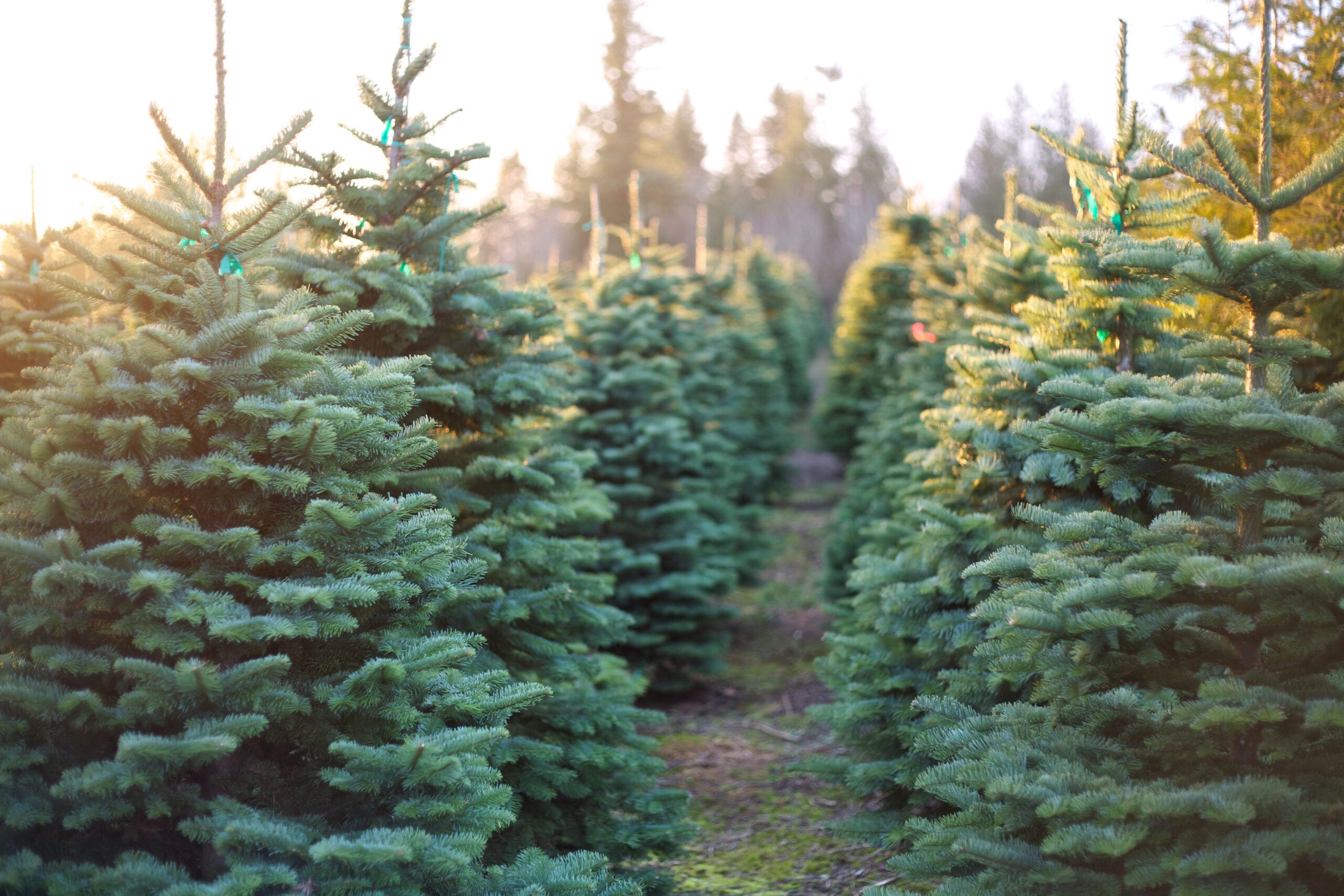
There’s nothing like the joy of picking a live Christmas tree for the holidays. But how do you decide on a tree to take home? In this guide, we’ll walk you through the process of choosing, caring for, and planting a live Christmas tree so you can create lasting memories and contribute to your landscape long after the holidays are over.
What Are Live Christmas Trees?
Live Christmas trees are potted or burlap-wrapped evergreens with intact root systems. Most are about 3–6 feet tall. Unlike cut trees, these living specimens can be planted outdoors after the holiday season and become a permanent part of your property.
A live Christmas tree brings a fresher, more fragrant experience into your home and can be enjoyed year after year in your yard. This Old House’s landscape contractor, Roger Cook, says, “You can look at it every year and think, ‘Remember when we did that?’ It’s fun for kids because you can point to it and say, ‘That’s your tree.’ You can’t do that when the tree’s ground into wood chips.”
Factors To Consider When Selecting Your Christmas Tree
When choosing a live Christmas tree, consider factors like the tree’s species and size to decide if it’s a good fit for your home.
Tree Species and Climate Compatibility
Select a tree species that’s well-suited to your local climate. Native species often thrive best. For example, Fraser firs are a good choice for the Northeast, while Douglas firs are well-suited for the Northwest. Your local nursery can give you guidance on species that will flourish in your region.
Size and Growth Potential
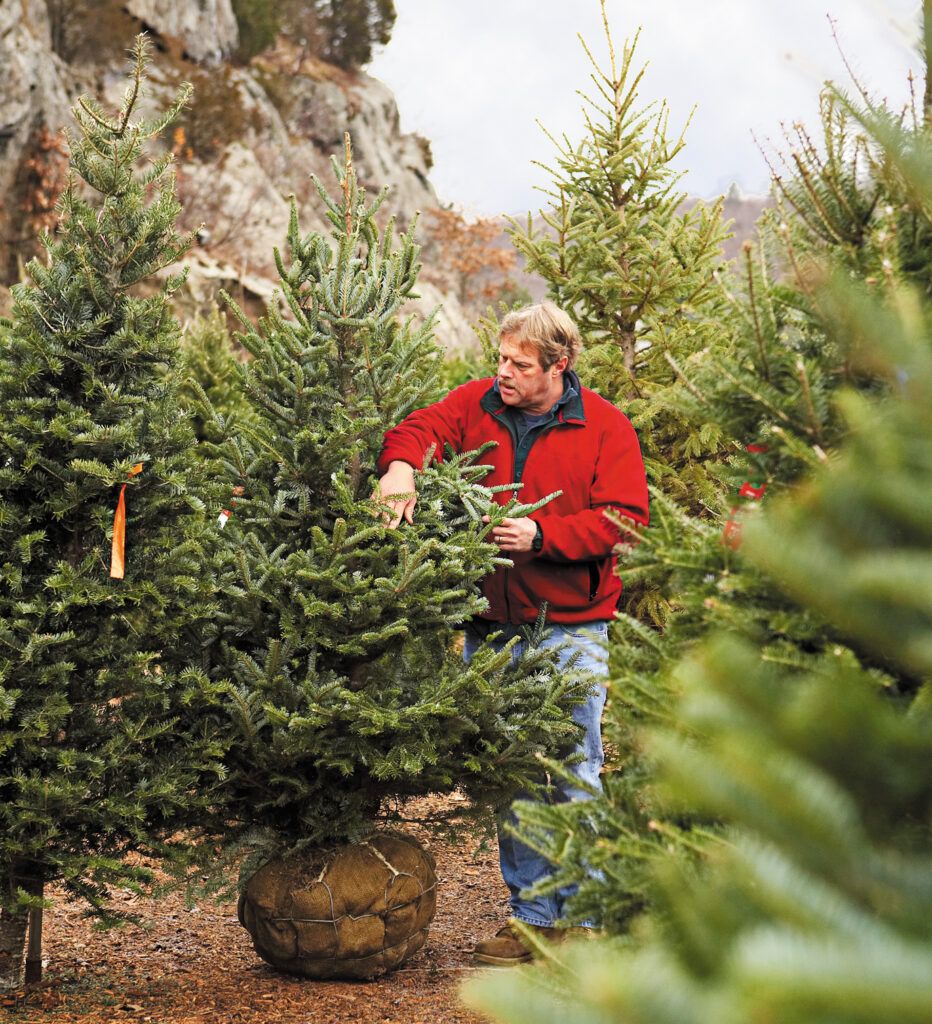
Consider both the tree’s current size and its potential growth. Measure the ceiling height in the room where you plan to display the tree, accounting for the root ball and any decorations. Research the tree’s projected growth to ensure it won’t outgrow its intended outdoor location.
Root Ball Health
Examine the tree’s root ball carefully. It should be firm and proportionate to the tree’s size. A healthy root ball affects the tree’s survival both indoors and after planting.
When To Buy Your Live Christmas Tree
Timing is key when purchasing a live Christmas tree. For the best selection, visit nurseries around Thanksgiving. Many nurseries will tag and hold your chosen tree until you’re ready to bring it home. This early selection lets you get a high-quality tree and gives you time to prepare.
Where To Purchase a Live Christmas Tree
You can purchase a live Christmas tree in several places, from nurseries and farms to online.
- Local nurseries often offer a wide selection of trees suited to your climate. They can provide expert advice on care and planting specific to your area.
- Some Christmas tree farms offer live trees in addition to cut ones. This option allows you to select your tree directly from the field.
- While less common, some online retailers specialize in shipping live Christmas trees. This option can be convenient but limits your ability to inspect the tree before purchase.
Preparing for Your Live Tree’s Arrival
Before bringing your tree home, it’s important to prepare both your indoor and outdoor spaces.
Selecting the Perfect Spot in Your Home
Choose a cool location away from heat sources like fireplaces or HVAC vents. A spot near a window is ideal, as temperatures are cooler. Ensure the area can accommodate the tree’s size, including its root ball.
Gathering Necessary Supplies
Prepare a waterproof container slightly larger than the root ball. Cook says, “An inexpensive plastic pot works fine, but it’s not much to look at; a wicker laundry basket or galvanized-steel washtub lends a little more character.”
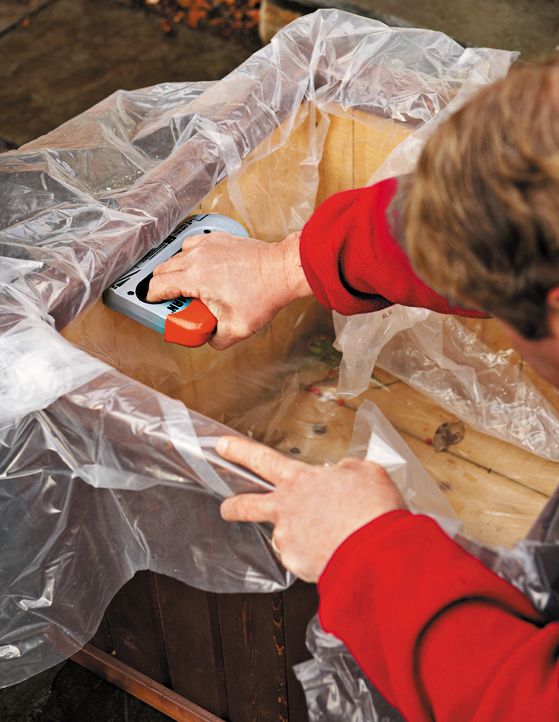
You’ll also need wood chips to stabilize the tree and a method for moving the heavy tree, such as a hand truck or carpet remnant.
Caring for Your Live Christmas Tree Indoors
Proper care will keep your tree healthy during its indoor stay.
Watering and Moisture Management
Water your tree daily. The tree will absorb water through the burlap. Check moisture levels by poking a finger into the soil. The root ball should feel moist but not waterlogged.
Temperature Control
Keep your tree in a cool area of your home, and avoid decorating with large, heat-emitting lights. Opt for LED or small twinkle lights instead.
Decorating Considerations
When decorating, be gentle with the branches to avoid damaging them. Use lightweight ornaments and avoid tinsel, which can be harmful if ingested by wildlife after planting.
Transitioning Your Christmas Tree Outdoors
After the holidays, it’s time to prepare your tree for outdoor planting.
Choosing the Right Planting Location
Select a sunny spot with well-draining soil. Consider the tree’s mature size when choosing a location so it won’t interfere with structures or other plants as it grows.
Preparing the Planting Hole
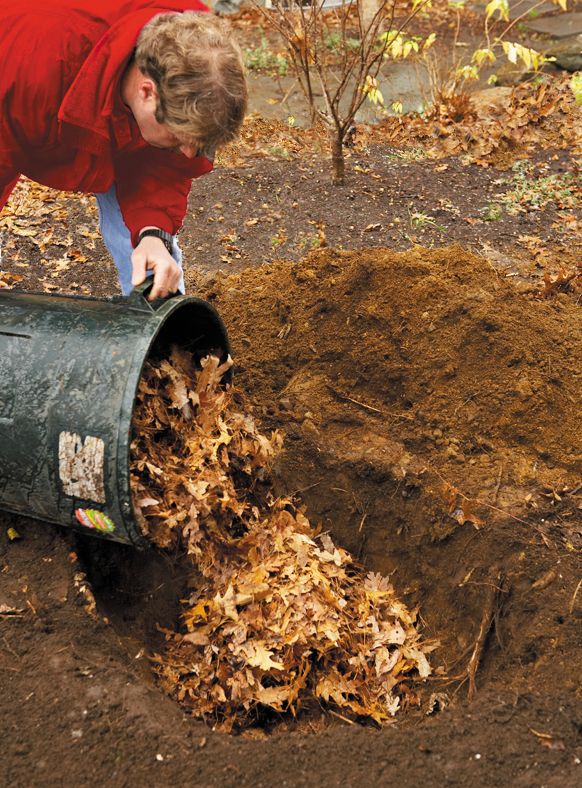
Dig a hole about 9–12 inches deep and twice the diameter of the root ball. In colder regions, prepare the hole before the ground freezes.
Acclimating the Tree to Outdoor Conditions
Gradually acclimate your tree to outdoor conditions. In cold climates, move it to a cool garage or shed for a few days before planting. In milder areas, you can transition the tree directly outdoors.
Planting Your Live Christmas Tree
Follow these steps to plant your tree and set it up for success:
- Remove the tree from its container and place it in the prepared hole.
- Cut away as much burlap as possible to prevent root drying.
- Fill the hole with soil, ensuring the trunk is covered to the same level as it was originally.
- Water thoroughly and apply a layer of mulch around the base.
Post-Planting Care
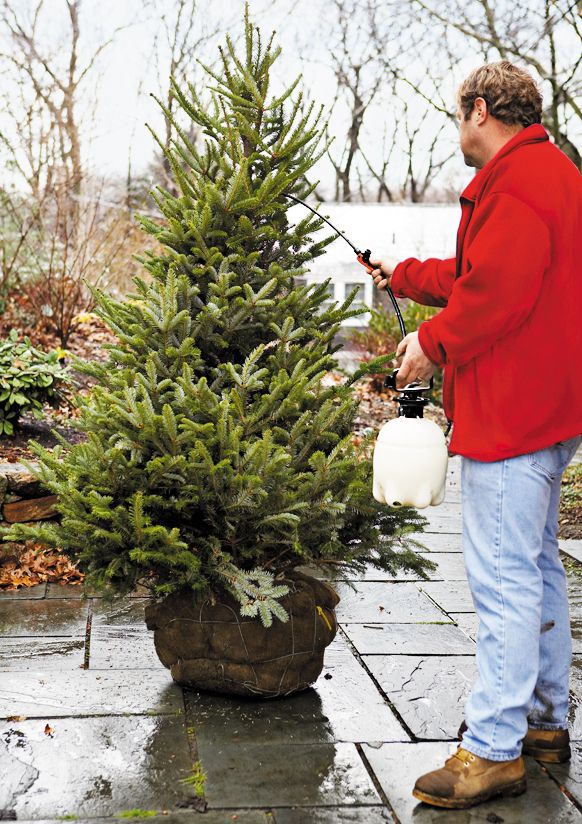
After planting your tree, water it well and spray its needles with an antidesiccant to prevent moisture loss. Continue to water it regularly, especially during dry periods.
Long-Term Care for Your Planted Christmas Tree
Proper care will help your tree thrive in its new outdoor home.
Watering Schedule
Water deeply and regularly, especially during the first few growing seasons. Adjust watering based on rainfall and soil moisture levels.
Fertilization
Apply a balanced, slow-release fertilizer in spring to support healthy growth. Follow package instructions for application rates.
Pruning and Shaping
Prune your tree as needed to maintain its shape and remove any dead or damaged branches. Light pruning can be done annually to encourage fuller growth.
Common Christmas Tree Challenges and How To Overcome Them
Live Christmas trees may face challenges such as transplant shock or pest issues. Monitor your tree closely and address any problems promptly. If you encounter persistent issues, consult with local gardening experts or extension offices.
Sustainable Practices for Live Christmas Trees
Incorporating a live Christmas tree into your holiday tradition can contribute to sustainable living. By planting your tree after the holidays, you’re adding to the green spaces in your environment and promoting cleaner air. Plus, the slow growth of evergreens can help manage soil erosion and provide a habitat for wildlife.
Alternative Species for Sustainable Landscapes
Consider choosing tree species that are not only beautiful but also beneficial to the local ecosystem. Options such as the Eastern red cedar or the Virginia pine can serve functional purposes in your yard. These trees can provide shade, act as windbreaks, and even attract beneficial wildlife.
Reducing Holiday Waste
Using a live Christmas tree reduces holiday waste. Unlike cut trees, which are often discarded after the season, live trees continue to grow and contribute to the landscape. If you must get rid of your live tree, consider donating it to a local community garden or using it for backyard compost.
Educational Opportunities for Families
Choosing a live Christmas tree can provide educational moments for families, especially children. It teaches them about plant care, the importance of trees, and the basics of horticulture. Involving kids in the selection, care, and planting of Christmas trees fosters a sense of responsibility and connection to nature.
Hands-On Learning
Engaging children in planting your tree can be a practical lesson in biology and environmental science. They can learn about root systems, photosynthesis, and the different needs of plant species. This hands-on learning can spark curiosity and a lifelong interest in gardening and environmental stewardship.
Storytelling and Tradition
Selecting and planting a live Christmas tree can become a cherished family tradition. Over the years, the tree’s growth can serve as a living storybook that commemorates different holidays and family moments.
