
We may be compensated if you purchase through links on our website. Our team is committed to delivering honest, objective, and independent reviews on home products and services.
Project details
Skill
Cost
Estimated Time
Are you interested in updating your home’s floors with vinyl flooring? This versatile and affordable flooring option is popular for its water resistance, easy maintenance, and wide range of styles. With careful preparation and technique, you can install vinyl flooring yourself to save on labor costs. In the video above, This Old House general contractor Tom Silva demonstrates the process of laying down a vinyl sheet floor in a kitchen. Let’s break down the steps so you can install your own vinyl flooring.
Cost data sourced via Angi.
Gathering Tools and Materials To Install Vinyl Flooring
To install vinyl flooring, you’ll need the following tools and materials:
- 1/4-inch plywood underlayment
- Circular saw
- Felt paper for templating
- Flexible vinyl cove baseboard
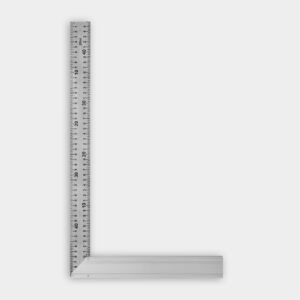
- Framing square
- Hammer
- Metal transition molding
- Putty knife (6-inch)
- Ring-shanked nails (1-and-1/4-inch long)
- Seam roller
- Tape measure
- Utility knife with straight and hook blades
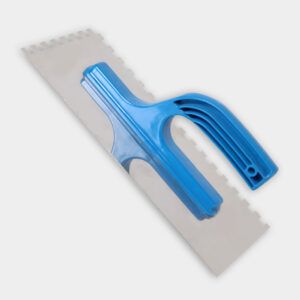
- V-notch trowel (3/16-inch)
- Vinyl flooring adhesive
- Vinyl sheet flooring
Having these items ready to go will make the process faster and smoother. Missing a tool or material can cause unnecessary delays, so double-check you have everything before starting.





Preparing the Subfloor for Vinyl Flooring
A smooth, clean subfloor is important for a successful vinyl flooring installation. Follow these steps to prepare your subfloor:
- Remove any existing flooring and make sure the subfloor is clean and dry.
- Inspect the subfloor for damage and repair any issues.
- Fill voids, cracks, and holes with underlayment filler.
- Sand down any high spots to create a level surface.
- Vacuum and wipe the subfloor to remove all dust and debris.
If your subfloor is in particularly poor condition, you may want to replace sections of it. An uneven or damaged subfloor can lead to complications and premature wear of your vinyl flooring. The time spent preparing the subfloor will pay off in the long run by resulting in a more durable and attractive final product.
Creating a Vinyl Flooring Template
Creating an accurate template will help you achieve the perfect fit for your new vinyl floors. This process enables you to transfer the room’s shape to both the underlayment and the vinyl sheet before cutting. To make a paper template, follow these steps:
- Roll out felt paper designed for templating, ensuring the curl lays down flat.
- Cut the paper roughly to fit the room, overlapping pieces as necessary.
- Tape the pieces together to form a single, room-sized template.
- Cut several triangular-shaped holes in the template and tape it down to the floor to prevent sliding.
To mark the template, use a 2-inch wide framing square held against the wall and mark the inside edge onto the felt template. Slide the square down the wall and repeat until you’ve marked the room’s perimeter.
Using a framing square will help keep your lines straight and accurate. Even small deviations can result in gaps or overlapping pieces that detract from the finished look. Consistency in marking the template will also make the process of transferring these markings to the vinyl flooring simpler.
Installing the Vinyl Flooring Underlayment
Now it’s time to install the underlayment. This step helps to minimize imperfections in the subfloor and provides a clean slate for your new flooring.
Cutting and Fitting the Underlayment
Here’s how to cut and fit the underlayment:
- Tape together several 4-foot-by-4-foot sheets of 1/4-inch plywood underlayment in another room.
- Place the felt paper template on top of the underlayment.
- Use a framing square to transfer the template’s shape onto the underlayment, marking along the outside edge of the square.
- Cut the underlayment along the marked lines using a circular saw.
Make sure your cuts are precise and smooth—especially around corners and edges. If the underlayment isn’t cut properly, the vinyl flooring may sit incorrectly.
Securing the Underlayment
Follow these steps to secure the underlayment:
- Place the cut underlayment pieces in the room, fitting them together like a puzzle.
- Nail down the underlayment using 1-and-1/4-inch long ring-shanked nails.
- Space the nails 4 inches apart around the perimeter and 8 inches apart in the field.
Ring-shanked nails will securely fasten the underlayment to the subfloor, helping to prevent movement or shifting. Spacing the nails also ensures that the underlayment is held down evenly to prevent warping or buckling over time. Use a nail set to drive the nails slightly below the surface of the underlayment so they won’t interfere with the vinyl flooring.
Cutting and Fitting the Vinyl Flooring
With the underlayment in place, it’s time to focus on the vinyl flooring itself. Accurate cutting and fitting are essential for a professional-looking installation.
Lay the paper template onto the vinyl sheet flooring and use the framing square to trace the template’s outline onto the vinyl, marking along the outside edge of the square. Use a sharp utility knife fitted with a hook blade to cut along the marked lines carefully. Take your time and make smooth, continuous cuts for the best results.
Cutting vinyl flooring can be tricky, as it’s both flexible and sturdy. Using a sharp hook blade can make it easier to navigate complex shapes and curves. Practice patience during this step, as a rushed cut can lead to uneven edges that are difficult to fit together seamlessly.
Adhering the Vinyl Flooring
Spread vinyl flooring adhesive around the perimeter of the room using a 1/16-inch V-notch trowel. Work in small sections to prevent the adhesive from drying before you can lay the flooring.
Following the manufacturer’s instructions for both the adhesive and the trowel will lead to the best results. To lay the vinyl floor, carefully position the cut vinyl sheet over the adhesive-covered underlayment. Work in small sections to carefully lay the vinyl flooring without rushing. Be vigilant about spreading the adhesive evenly to avoid bubbles. Press the vinyl firmly into the glue, paying special attention to the edges and corners.
Finishing Touches To Your Vinyl Flooring Project
The final steps in your vinyl flooring installation involve adding baseboards and transition strips. These elements provide a polished look and protect the edges of your new flooring.
Installing Baseboards
Installing baseboards is simple. Follow these steps:
- Apply vinyl flooring adhesive or vinyl cove mastic to the back of the flexible vinyl cove baseboard.
- Press the baseboard firmly against the wall around the room’s perimeter.
- Wipe away any excess adhesive immediately with a damp cloth.
Check that the baseboards are installed evenly, as they create a finished edge that hides the raw edges of the vinyl. Baseboards also protect the walls and flooring from damage and make cleaning easier.
Adding Transition Strips
To add transition strips, measure and cut metal transition molding to fit across thresholds where the new vinyl floor meets existing flooring in adjacent rooms. Secure the transition strip following the manufacturer’s instructions, typically using screws or adhesive.
Transition strips help prevent tripping hazards and protect the edges of your new vinyl flooring from wear and tear. They also create a seamless transition between different types of flooring.
