Project details
Skill
Cost
Estimated Time
Garden bed edging is the process of creating a distinct boundary between your lawn and garden areas using the earth itself or other materials. Proper edging prevents grass and weeds from invading your garden and keeps healthy mulch and soil inside the bed. This type of landscaping also keeps your yard neater by making a clear mow line. In this video guide, This Old House landscape expert Roger Cook helps a couple create a crisp, natural edge around the garden bed in their front yard.
Prepare for Garden Bed Edging
Before edging your garden bed, make sure you have the right materials for the job. Carefully plan how you want to make the edge, as well.
Types of Garden Edging
In the video, Cook takes a simple approach by using natural edging. Rather than creating a barrier with another material, he uses a garden edger to create a line in the soil and inhibit grass growth.
If you choose to add another type of edging, there are many different materials and styles of edging available. Think about your home’s exterior style and how the material will match:
- Concrete edging: Concrete edging offers a clean, modern appearance and is highly durable, making it ideal for homeowners seeking a long-lasting solution that is more cost effective than natural stone. It can be molded into various shapes and is available in a range of colors and finishes.
- Plastic or metal edging: Plastic edging is lightweight, flexible, and easy to install, making it a budget-friendly option. Metal edging, often made of aluminum or steel, offers a sleek, minimalist look and is extremely durable, resisting warping and weathering over time. Both materials are effective at creating crisp, defined lines in the garden.
- Stone or brick edging: Stones and bricks provide a classic, timeless look that complements traditional or rustic garden styles. These materials are durable and can be arranged in various patterns, adding texture and visual interest to your garden. They are also excellent for creating raised beds or separating different garden areas.
- Wood edging: Wood edging, typically made from treated timber or logs, offers a warm, natural appearance that blends well with gardens featuring other wooden elements like fences or decks. It’s relatively easy to install and can be stained or painted to match your garden’s color scheme. However, it may require more maintenance over time to prevent rot or insect damage.
Tools You’ll Need
To edge your garden bed, you’ll need the following:
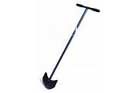
- Garden edger
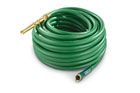
- Garden hose
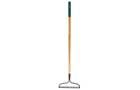
- Garden rake
- Pine bark mulch (or a mulch of your choice)
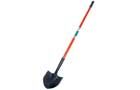
- Shovel
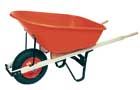
- Wheelbarrow
Remove Old Edging
If your garden bed has existing edging, such as plastic, pull it out of your garden bed and dispose of it properly. You can also reuse your edging if it is still in good condition.
Steps for Edging a Garden Bed
Step 1: Create a New Garden Edge
Now that you’ve prepped your space and tools, use your method of choice to build a charming accent for your front yard. Follow these steps to create a natural garden bed edge.
Step 2: Define the New Bed Line
To outline the space for your new garden bed:
- Use a garden hose to lay out the desired shape of your bed.
- If desired, adjust the hose to create smooth, flowing curves that complement your landscape.
- Step on the hose at intervals to keep it in place while you fine-tune the shape.
Cook incorporates the existing shrubs and bushes into the curve in the video above.
Step 3: Cut the New Edge
Once you’re satisfied with the shape of your new bed line, it’s time to cut the edge:
- Use a metal edger to cut into the ground along the hose line.
- Push the edger straight down into the soil, then pull back on the handle to create a shallow trench.
- Work your way along the entire length of the new bed line.
The edge should be deep enough to distinguish between the lawn and the garden bed clearly but not so deep that it destabilizes the surrounding soil. After cutting the new edge, use a garden rake to smooth out any uneven areas within the bed.
Step 4: Remove Grass and Soil
To create space for new plants and mulch:
- Use a shovel to remove grass and soil from within the newly expanded garden bed.
- Dig to a depth of about 2-3 inches to create room for mulch.
- The soil beneath should be loose and aerated to encourage root growth.
- Remove any weeds or unwanted vegetation from the area.
Step 5: Add Mulch
Mulch helps inhibit weed growth in rich soil. It also retains moisture in the soil and protects the plant’s base against temperature extremes.
- Spread 2 to 3 inches of pine bark mulch over the soil in the new bed area.
- Use a garden rake to smooth out the mulch evenly.
- Be careful not to overfill the edge cut with mulch, as this can allow grass to grow into the bed.
Choosing Your Mulch
While pine bark mulch is a good option, you can also use other organic mulches such as shredded leaves, straw, or compost. Each type of mulch provides different benefits, so choose the one that best suits your garden’s needs.
Plant Transplant and Care With Your Newly Edged Garden Bed
In the video, Cook demonstrates how to transplant a daylily, noting its hardiness and ease of care. Other plants suited for transplanting include hostas, irises, and ferns. Follow the tips below to replant your perennials and put the finishing touches on your newly edged garden bed.
Move Existing Plants
If your garden bed is crowded, consider transplanting some plants to the newly expanded area:
- Carefully dig around the plant you wish to move, preserving as much of the root ball as possible.
- Replant at the same depth in the new location.
- Water thoroughly after transplanting to help the plant establish in its new spot.
Grouping and Spacing Plants
When transplanting, try to group plants with similar water and light requirements to minimize competition, prevent overcrowding, and promote better air circulation.
Watering and Upkeep
New transplants need regular watering until they establish a robust root system. Mulching helps retain soil moisture and reduce the frequency of watering. Check the soil moisture levels often, especially during hot, dry weather.
- Water all transplanted plants immediately after moving them.
- Keep the soil consistently moist but not waterlogged for the first few weeks.
- Monitor plants for signs of stress and provide extra care as needed.
Upgrade the Garden Bed
Here are some ideas for customizing your garden bed and making it a standout home feature.
Plant Seasonal Flowers
Seasonal flowers can bring color and vibrancy to your garden year-round. Choose flowers that bloom at different times of the year to maintain a lively and dynamic garden. Some popular choices include tulips and daffodils for spring, marigolds for summer, chrysanthemums for autumn, and pansies for winter. However, which flowers will bloom at each time of year will vary based on your USDA hardiness zone.
Include Decorative Elements
Features such as garden ornaments, birdbaths, or small statues add charm and personality to your garden. These finishing touches help create focal points and make your landscape interesting.
Fertilize the Bed
Apply a balanced fertilizer to your garden bed to keep your plants healthy and encourage growth. Follow the manufacturer’s instructions on the fertilizer packaging to avoid over-fertilizing your plants.
Maintain Your Garden Edge
Regular maintenance is key to keeping your garden looking its best, especially if you have a natural edge.
Regular Edging
To keep the lines on your garden edge looking crisp:
- Re-cut the edge annually or as needed using a manual or power edger.
- Remove any grass or weeds that have encroached on the edge.
- Touch up the mulch layer as it decomposes over time.
Seasonal Care
Your yard may need different types of care depending on the season:
- Spring: Clean up winter debris and refresh the mulch layer.
- Summer: Monitor watering needs and remove any weeds.
- Fall: Remove fallen leaves and prepare the bed for winter.
- Winter: Protect sensitive plants and plan for spring improvements.
Pruning and Deadheading: Regularly prune and deadhead plants to encourage healthy growth and extend blooming periods. Remove any dead or damaged parts of the plants to prevent disease and keep your garden neat.
Tools:
 Garden edger
- Garden rake
- Shovel
- Wheelbarrow
- Garden hose