
Stripping a hardwood floor can breathe new life into your home, revealing the natural beauty of the wood beneath years of wear and tear. This process may seem intimidating, but it’s manageable for many DIY enthusiasts with the right tools and approach. In the video above, This Old House general contractor Tom Silva teaches a homeowner how to strip a hardwood floor using a random-orbit floor sander.
Preparing for Stripping Hardwood
Proper preparation can make or break your chances of getting a perfect finish, so give it the time and effort it deserves.
Setting Up the Work Area
Follow Silva’s tips to create a safe and clean working environment:
- Remove all furniture and fixtures from the room.
- Place a box fan in an open window, facing outward, to remove dust particles.
- Cover the adjacent doorways with plastic drop cloths to contain the dust.
- Sweep and vacuum the floor to remove any loose debris.
Gathering Necessary Tools and Materials
Make sure you have all the required equipment before starting:
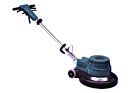
- Random-orbit floor sander
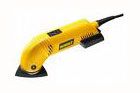
- Detail sander
- Sandpaper in various grits (36, 60, and 80)
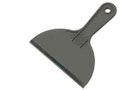
- Drywall knife (6-inch)
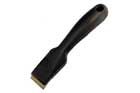
- Paint scraper
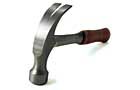
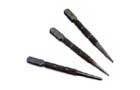
- Hammer and nail set
- Water-based wood filler
- Vacuum cleaner
- Protective gear (dust mask, safety glasses, and ear protection)
 Floor sanding machine
- Drywall knife
- Detail sander
- Paint scraper
- Hammer
- Nail set
Safety Considerations
Stripping a hardwood floor has some potential hazards, so never let safety be an afterthought. Here are our best practices for this project:
- Always wear appropriate protective gear, including a dust mask, safety glasses, and ear protection.
- Maintain proper ventilation throughout the process to minimize dust inhalation.
- Be careful when handling power tools and follow manufacturer instructions.
The Floor Stripping Process
Stripping a hardwood floor has several steps. Patience and attention to detail during each stage of the process will yield the best results.
Initial Sanding
The first pass with the sander removes the old finish and levels the floor:
- Attach 36-grit abrasive disks to the random-orbit sander.
- Turn on the sander and work it slowly back and forth across the entire room.
- Make a second pass at a 45-degree angle for more even sanding.
Take your time during this step. Rushing can result in uneven surfaces that may be difficult to correct later on. Also, always keep the sander moving to avoid creating dips or uneven areas.
Addressing Imperfections
Next, address any visible imperfections exposed after the initial sanding. This will help you get a more seamless finish later:
- Vacuum the floor completely.
- Use a hammer and nail set to tap in any newly exposed nails.
- Fill holes and cracks with water-based stainable wood filler using a 6-inch drywall knife.
- Allow the filler to dry completely before proceeding.
Detail Work
Some areas require special attention. Here’s how Silva tackles them:
- Use a detail sander fitted with 36-grit sandpaper to remove the old finish under places the large sander couldn’t reach, such as under toe kicks and in corners.
- Prop up areas under appliances, such as refrigerators, and use a paint scraper to remove the finish manually. Silva uses a 2-by-4 as a prop.
Progressive Sanding
Progressive sanding refers to gradually moving from coarser to finer grits of sandpaper to bring about a smooth surface. Each increase in grit removes smaller imperfections and scratches, leading to a flawless finish ready for staining or sealing:
- Change the disks on the random-orbit sander to 60-grit abrasive and sand the entire floor.
- Follow up with 80-grit sandpaper for a final pass.
Cleaning Up
Dust and debris can spoil an otherwise flawless sanding job, so follow these cleanup steps:
- Vacuum the floor thoroughly after each sanding stage.
- Wipe down the floor with a tack cloth to remove any remaining dust particles.
- Inspect the floor under good lighting to check that you’ve sanded all areas evenly.
Tips for Success With Stripping Hardwood Floor
To achieve the best results when stripping your hardwood floor, keep these tips in mind:
- Take your time and work methodically across the room.
- Change sandpaper frequently.
- Keep the sander moving to avoid creating dips or uneven areas.
- Pay extra attention to high-traffic areas that may require more sanding.
Common Mistakes To Avoid
Steer clear of these pitfalls for successful floor stripping:
- Rushing through the process.
- Skipping grits when progressing through sandpaper grades.
- Neglecting to clean thoroughly between sanding stages.
- Failing to address all imperfections before the final sanding.
Environmental Considerations for Stripping Hardwood
Stripping a floor generates dust and debris that can affect indoor air quality and the surrounding environment. Use a vacuum with a HEPA filter to limit airborne particles in your home. Always dispose of old finishes and wood debris according to your local regulations.
