Frozen pipes can lead to costly water damage and expensive repairs. Understanding why pipes freeze and taking preventative measures can save homeowners thousands of dollars and significant headaches. This Old House plumbing and heating expert Richard Trethewey explains what happens when pipes freeze and demonstrates effective prevention techniques.
Why Do Pipes Freeze?
Pipes can freeze when exposed to temperatures below 32 degrees Fahrenheit for an extended period. As water freezes, it expands, putting pressure on the pipe and potentially causing cracks. When the ice thaws, these cracks can lead to bursting pipes and subsequent flooding.
The Dangers of Frozen Pipes
Frozen pipes pose several risks to homeowners, such as the following:
- Water supply disruption and inconvenience
- Potential flooding when pipes thaw, leading to further complications
- Costly water damage to walls, floors, and belongings
- Expensive repairs or replacements of damaged pipes
Trethewey says a small split in a pipe can result in hundreds of gallons of water flooding your home, causing immense destruction. According to FEMA, the average amount the National Flood Insurance Program paid homeowners for flooding claims in recent years was $66,000.
Preparing Pipes for Cold Weather
Taking proactive steps to protect your pipes from freezing saves you considerable money and stress in the long run. Here are several measures you can implement to protect your home against freezing temperatures.
Insulate Vulnerable Pipes
Insulating pipes in unheated areas or along exterior walls is an effective way to prevent freezing. By doing this, you can greatly reduce the risk of unexpected pipe bursts. Here are some tips:
- Use foam pipe insulation sleeves, which are inexpensive and easy to install.
- Pay special attention to pipes in attics, basements, and crawl spaces, where temperatures are often lowest.
- Ensure proper insulation around elbows and joints, as these are common freeze points.
Seal Cracks and Openings
Prevent cold air from reaching pipes by sealing entry points. This is crucial in maintaining your home’s overall insulation.
- Use expanding foam or caulk to seal cracks in walls or floors near pipes, preventing drafts that can lower temperatures around them.
- Check areas where utility services enter the home, as these often have gaps that let in cold air.
- Pay attention to spaces around outdoor faucets and cable TV wire entry points, which are often overlooked yet vital spots for insulation.
Protect Outdoor Plumbing
Outdoor plumbing fixtures are particularly susceptible to freezing. Taking steps to safeguard them can prevent significant repair costs.
- Disconnect and drain garden hoses before winter to prevent water buildup and freezing.
- Close and drain cut-off valves on outdoor faucets to stop potential leaks from causing bursts.
- Add faucet covers for extra protection against icy temperatures.
Upgrade Plumbing Materials
When renovating or replacing pipes, go with materials that are more resistant to freezing. This investment can pay off over the long term.
- Install PEX piping, which is more freeze-resistant than copper and offers increased flexibility.
- Relocate pipes from vulnerable areas when possible to lessen exposure to cold air.
- Add heat tape or heat cables to high-risk pipes to maintain warmth during extreme cold.
Tips for Preventing Freezing Pipes
In addition to getting your pipes in good shape to prevent freezing, there are a few things to do inside your home when temperatures drop.
Maintain Consistent Indoor Temperature
Keep your home’s temperature steady to prevent pipes from freezing. Consistency is key in avoiding pressure fluctuations within pipes. Set the thermostat to at least 55 degrees Fahrenheit, even when you’re away. Maintain the same temperature day and night to prevent sudden temperature drops that strain pipes. Use a smart thermostat to monitor and control your home’s temperature remotely if you’re traveling.
Allow Faucets to Drip
A small water trickle can prevent pipes from freezing by keeping water moving slightly. Turn on at least one faucet to allow a slow, steady drip and reduce pressure buildup. Choose a faucet on an exterior wall or in an unheated area, which are usually the first spots to freeze.
Open Cabinet Doors
Allowing warm air to circulate around pipes can also prevent freezing. Open kitchen and bathroom cabinet doors to expose pipes to warmer air. Remove items from under sinks to improve air circulation, allowing heat to reach plumbing efficiently. Keep interior doors open to maintain consistent temperatures throughout the house, reducing hot and cold spots.
Use Space Heaters Cautiously
In areas prone to freezing, a space heater can provide additional warmth to prevent pipe damage. Place a space heater near vulnerable pipes, never leaving it unattended. Keep flammable materials away from the heater to prevent fire hazards.
What To Do If Your Pipes Freeze
If you suspect a frozen pipe, look for these signs:
- No water or only a trickle when you turn on a faucet, indicating a blockage due to ice
- Frost on exposed pipes, a clear visual cue of freezing temperatures
- Strange odors coming from drains or faucets, potentially due to trapped waste and gases
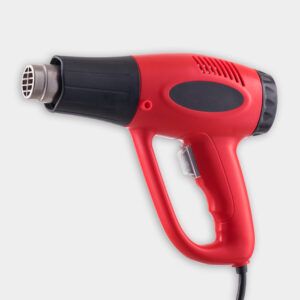
If you can access the frozen section, you can attempt to thaw it using household items carefully. Open the faucet to allow water to flow as the pipe thaws, gradually releasing pressure. Apply heat to the frozen section using a hair dryer, heating pad, or space heater. Never use an open flame to thaw pipes, as this could cause more damage or even start a fire.
If you can’t locate or access the frozen pipe, or if your efforts to thaw it are unsuccessful, call a licensed plumber. They have specialized equipment that can safely thaw frozen pipes without causing damage.
Dealing With Burst Pipes
If a pipe has already burst, take immediate action to minimize damage by following these steps:
- Shut off the main water valve to stop the flow of water, preventing further flooding.
- Turn off the electricity in affected areas if water is near electrical outlets or appliances to avoid electrical hazards.
- Remove valuable items from the area to prevent water damage to irreplaceable items.
- Call a plumber immediately for an emergency repair.