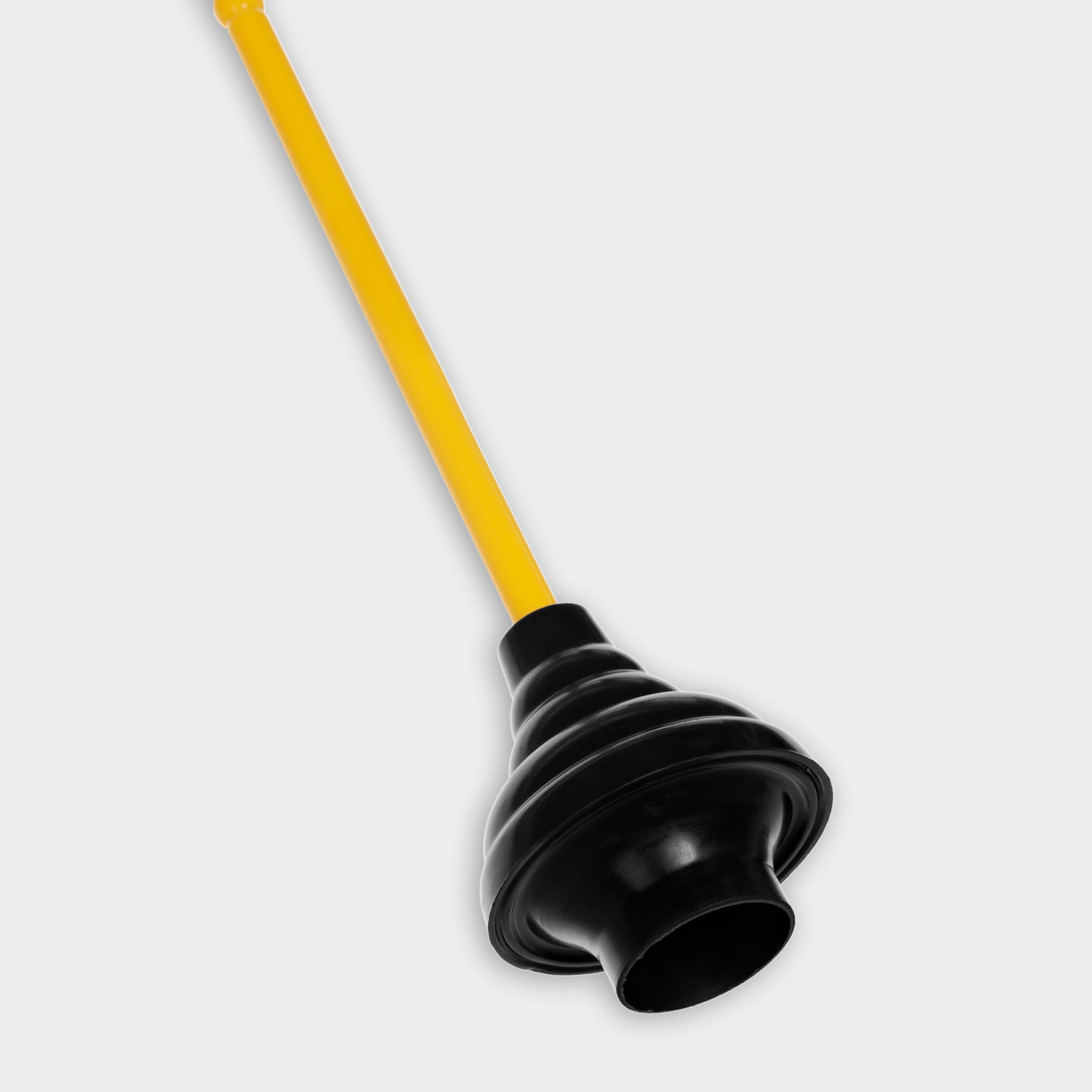
Clear Any Clogged Drain
repairing a clogged drain
Unscrew the sink trap and drain the water into a bucket. Then remove the horizontal trap arm from the back wall.
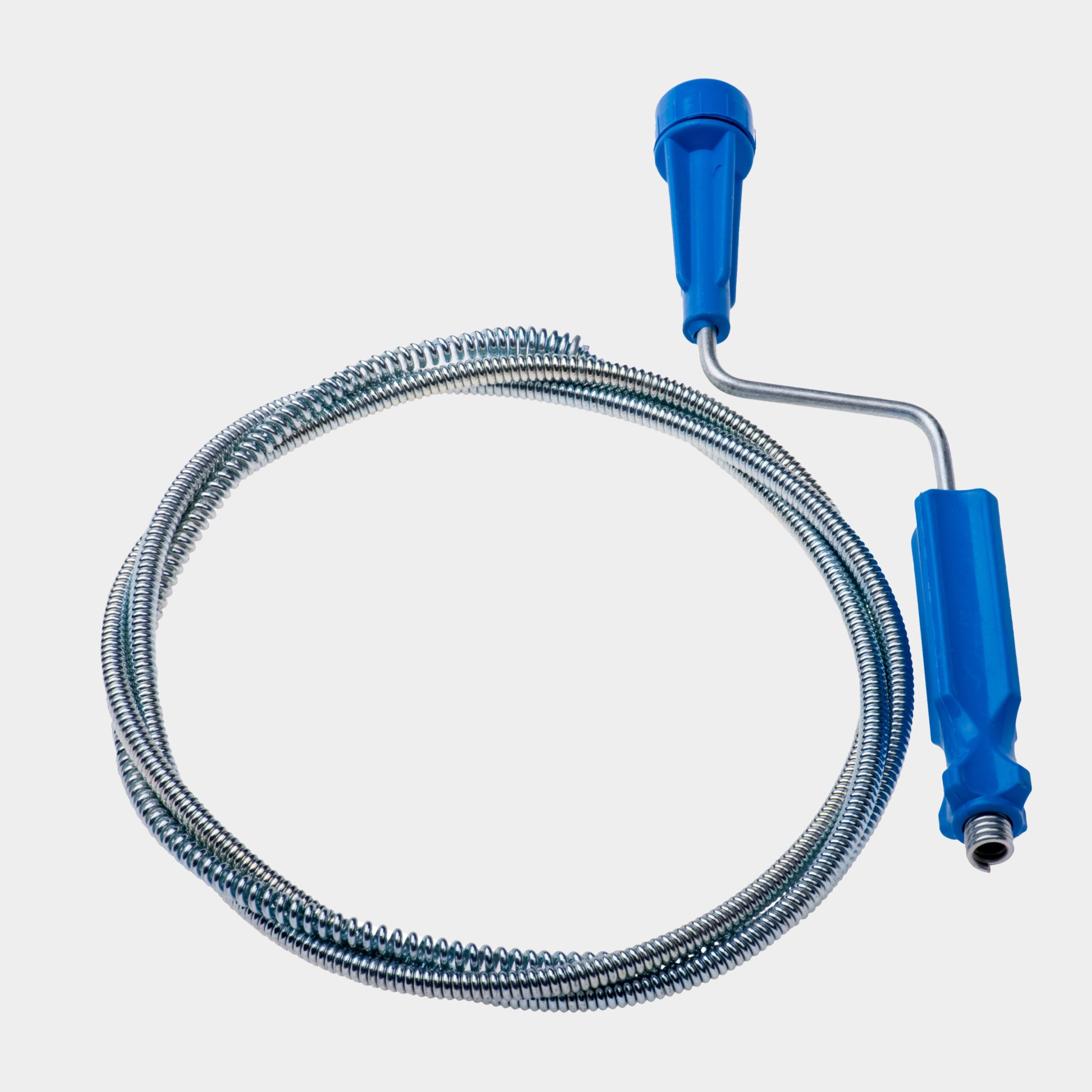
Photo 2: FEED THE flexible cable directly into the drainpipe. Turn the crank clockwise to advance the cable and cut through the clog.
Photo 3: HOLD A wet rag over the drain holes in the overflow plate to prevent the pressure built up by plunging from escaping.
Photo 4: REMOVE the overflow plate and snake the cable down the overflow tube. Retrieve it by turning the crank counterclockwise.
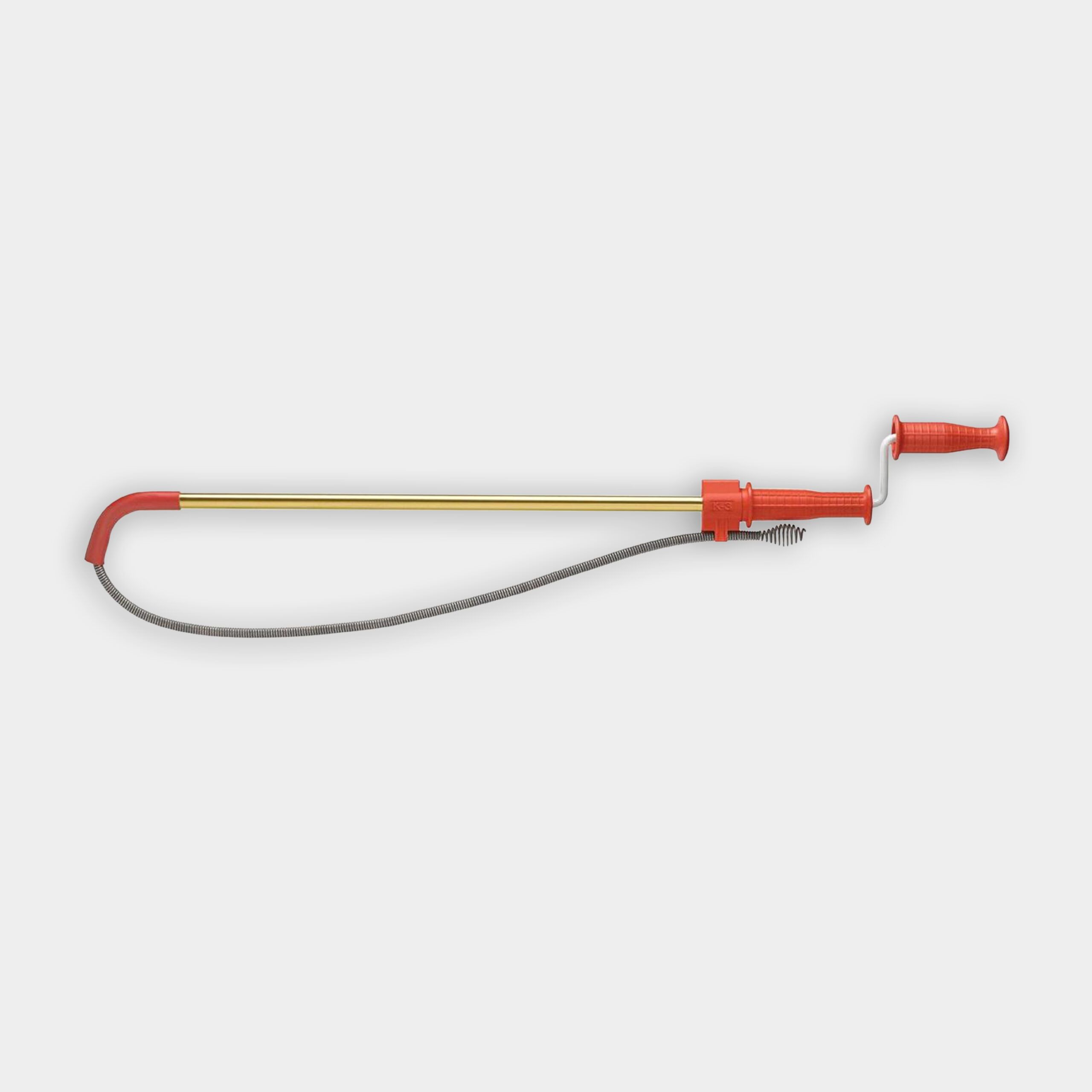
Photo 5: The angled shaft and spring head on a closet auger are specifically designed for clearing toilet clogs.
TURN THE crank and push down simultaneously to force the auger cable through the tight curves of the toilet trap.
Photo 7: REMOVE the clean-out plug from the floor drain. Loosen old, corroded brass plugs with a hammer and cold chisel.
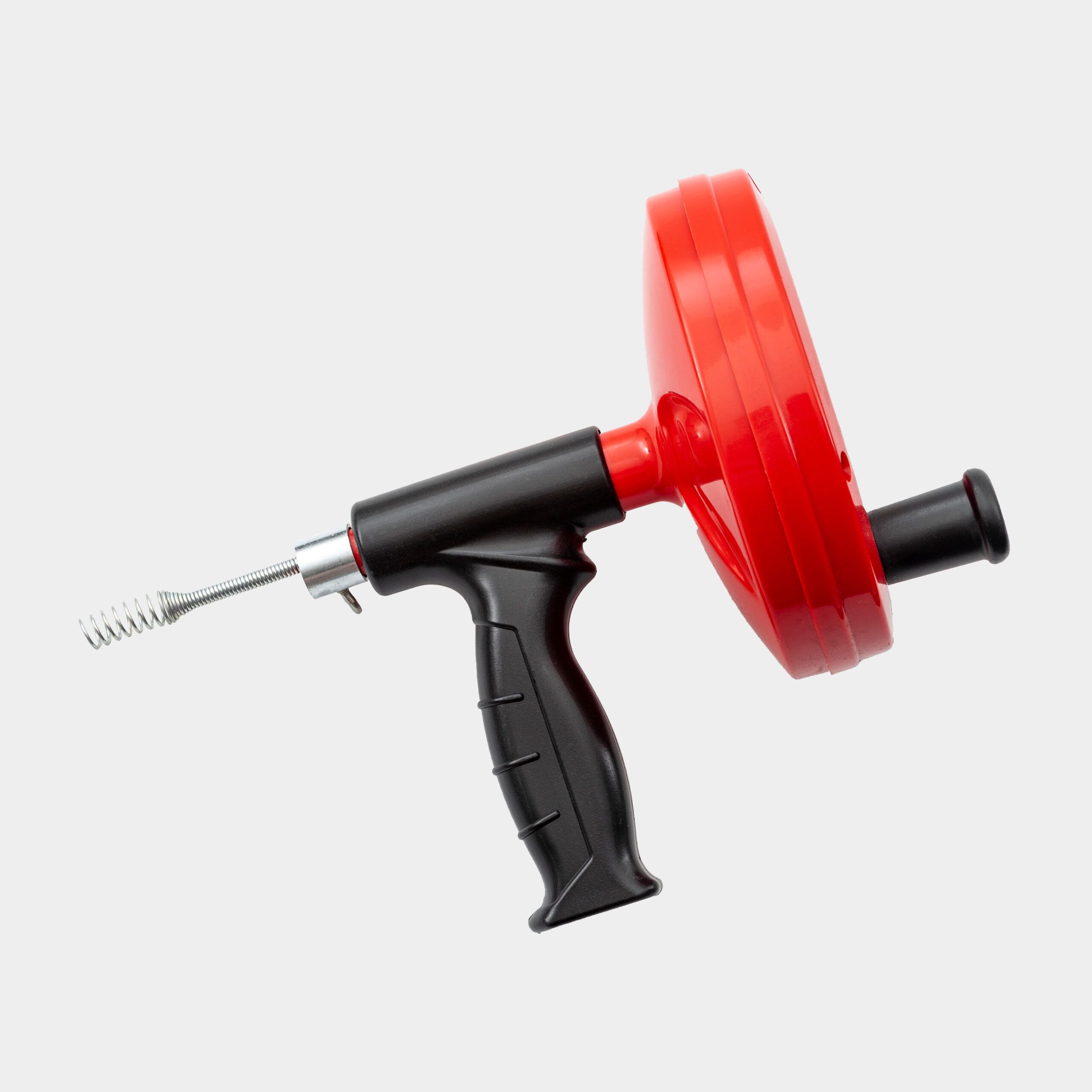
Photo 8: A POWER auger can break up the toughest clogs. Some models come with interchangeable cutting blades.

Unclogging a Sink:
1. Unscrew the sink trap and drain the water into a bucket. Then remove the horizontal trap arm from the back wall.

Unclogging a Sink:
2. Feed the flexible cable directly into the drainpipe. Turn the crank clockwise to advance the cable and cut through the clog.

Snaking a Tub Drain:
1. Hold a wet rag over the drain holes in the overflow plate to prevent the pressure built up by plunging from escaping.

Snaking a Tub Drain:
2. Remove the overflow plate and snake the cable down the overflow tube. Retrieve it by turning the crank counterclockwise.

Freeing a Toilet Clog:
1. The angled shaft and spring head on a closet auger are specifically designed for clearing toilet clogs.

Freeing a Toilet Clog:
2. Turn the crank and push down simultaneously to force the auger cable through the tight curves of the toilet trap.

Clearing a Floor Drain:
1. Remove the clean-out plug from the floor drain. Loosen old, corroded brass plugs with a hammer and cold chisel.

Clearing a Floor Drain:
2. A power auger can break up the toughest clogs. Some models come with interchangeable cutting blades.

Browse Plumbing Galleries:

How-To Video

Browse More

How to Repair Faucets and Drains

In this how-to video, This Old House plumbing and heating contractor Richard Trethewey fixes a faulty faucet and replaces a leaky drainpipe

Advertisement

On Newsstands Now

In the Magazine
September 2008 - Kitchen & Bath Issue
kitchen painted red wooden sink butcher block counter installation bath faucet recently remodeled bath bath vanity
Advertisement

Snake a tub drain
It's rare for a bathtub to suddenly become stopped up. A clog in the tub usually builds up over a period of several weeks, with the tub draining more and more slowly each day. We've all seen this happen.

As with a sink clog, start with the plunger. First, unscrew the screen from the tub drain and use a bent wire to fish out any hair and soap scum. If there's a pop-up drain on the tub, raise the lever to the open position, then grab the stopper and pull it from the drain hole. Clean it of all hair and soap. This will often take care of things.

If not, cover the holes on the underside of the overflow plate with a wet rag and start plunging (photo 3, above). If that doesn't clear the clog, use the cable auger. Remove the overflow plate from the end of the tub; the stopper linkage will come out with it. Feed about 30 in. of cable down the overflow tube. Push forward while turning the hand crank (photo 4). You'll feel resistance almost immediately, but keep cranking on the auger until the cable passes all the way through the P-trap that lies underneath the tub.

Retrieve the cable, then run several gallons of hot water down the drain. Finally, replace the overflow plate and screen or pop-up drain.

Article: How to Stop a Flood in its Tracks
Sign Up for Our Free Newsletters

Comments

Post a Comment