
Project details
Skill
Cost
Estimated Time
With patience and attention to detail, most homeowners can install their own baseboards. Our guide takes you through the entire installation process, from preparation to finishing touches, ensuring you end up with a professional-looking outcome.
Tools and Materials Needed for Baseboard Installation
Before starting your baseboard installation project, gather all necessary tools and materials. If you’re creating baseboards from scratch, Tom Silva suggests a base at least 6 inches high and 1/2-inch to 3/4-inch thick, topped with a separate, deeply profiled cap molding.
Essential Tools for Installing Baseboards
- Block plane
- Caulking gun
- Compass or scribe tool
- Compound miter saw
- Level (4-foot recommended)
- Nail gun or hammer
- Nail set
- Pencil
- Sandpaper (fine grit)
- Stud finder
- Tape measure
Required Materials To Install
- Baseboards (measure your room and add 10% for waste)
- Caulk
- Finish nails (8d and 4d)
- Paint or stain (if finishing baseboards after installation)
- Painter’s tape
- Wood filler
- Wood glue
Preparing for Baseboard Installation
Preparation involves careful planning and ensuring your materials are ready for use.
Measuring and Planning Baseboards
Begin by measuring each wall where baseboards will be installed. Round up to the nearest whole-foot dimension divisible by two to determine the amount of material needed. It’s wise to add an extra 10% to account for waste and mistakes. Sketch a rough layout of the room, noting the length of each wall and any obstacles like doors or built-in fixtures.
Acclimating the Baseboard Wood
Wood expands and contracts with humidity and temperature changes. To minimize these effects, bring your baseboards into the installation area a few days before you start the project. This acclimation period allows the wood to adjust to the room’s conditions, reducing the risk of gaps or warping after installation.
Removing Old Baseboards (If Applicable)
To remove old baseboards, start by scoring the caulk line along the top of the baseboard with a utility knife to prevent wall damage. Use a pry bar to carefully separate the baseboard from the wall, working slowly to avoid damaging the drywall. Remove any remaining nails from the wall using pliers or a nail puller. This step provides a clean slate for your new baseboards and allows you to address any wall imperfections before proceeding with installation.
Marking and Cutting Baseboards
Accurate measurements and precise cuts lead to a more professional-looking baseboard installation. This ensures a smooth installation process.
Measuring Wall Lengths
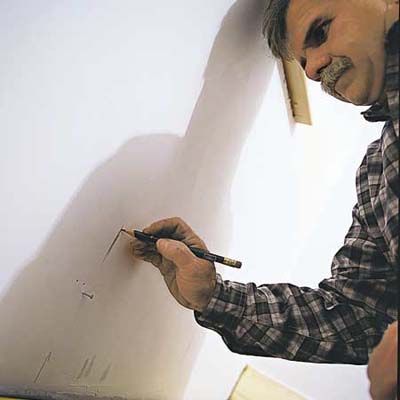
Carefully measure the length of each wall section where your baseboards will be installed. Measure from corner to corner, accounting for any wall irregularities. For outside corners, add a few inches to allow for miter cuts. Number each wall section on your sketch and write corresponding numbers on the back of the cut baseboards to keep everything organized.
Making Precise Baseboard Cuts
Set up your compound miter saw in a well-ventilated area. For straight cuts, set the saw to 0 degrees. For inside corners, use a coping saw or create a 45-degree backcut. For outside corners, set the saw to 45 degrees and cut mitered joints. Remember, it’s always better to cut slightly long and trim down if necessary. “You want to cut next to the line marking the joint,” says Silva. “Then there’s room to fine-tune and get it tight.”
Installing Baseboards: Step-by-Step Guide
With your baseboards cut and ready, you can begin installation.
Setting the Baseboard Height
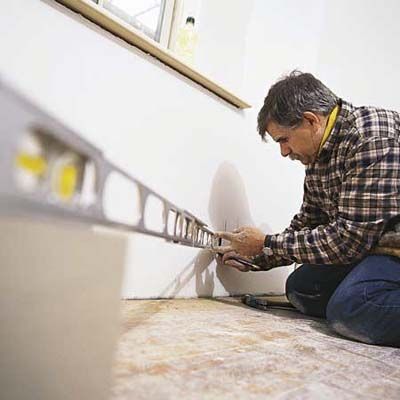
Determine the highest point of your floor using a 4-foot level. This will be your reference point for maintaining a consistent height throughout the room. Mark this height on the wall and use a chalk line to snap a level line around the room’s perimeter. This line will guide the top edge of your baseboards, ensuring they remain level even if the floor isn’t.
Attaching Baseboards to the Wall
Before nailing baseboards to the wall, you need to locate the studs. Use a stud finder to mark stud locations on the wall. When attaching baseboards, use 8d finish nails, driving them at a slight downward angle near the top and bottom edges of the board. For a cleaner finish, use a nail set to drive the nail heads just below the wood surface. This attachment method provides a secure hold while allowing for easy removal if needed in the future.
Dealing with Corners
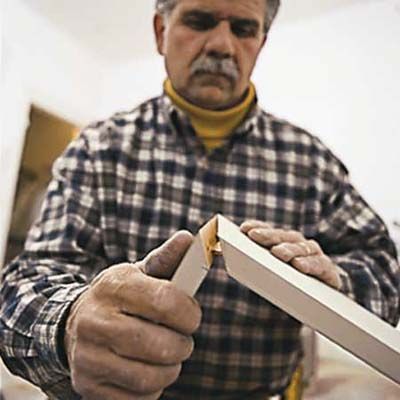
For inside corners, simply butt the baseboard ends together and nail them to the wall. Outside corners require more finesse. Miter the ends of both pieces at 45 degrees, ensuring they fit snugly together. For added strength, use wood glue and biscuit joints to reinforce the connection. Remember to dry-fit all pieces before final installation to ensure a perfect fit.
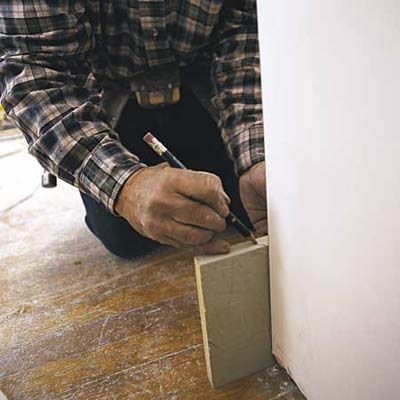
Joining Baseboard Pieces
When installing baseboards in long runs or around corners, you’ll need to join pieces together seamlessly. Two common methods for joining baseboards are scarf joints and biscuit joints.
Creating Scarf Joints
Scarf joints are used to join two pieces of baseboard on a long wall where a single piece isn’t long enough. To create a scarf joint, miter the ends of both pieces at opposing 45-degree angles. Apply wood glue to both mitered surfaces, then overlap the pieces and nail them to the wall. This type of joint distributes stress over a larger area, making it stronger and less noticeable than a simple butt joint.
Using Biscuit Joints
For outside corners or other high-stress areas, biscuit joints provide additional strength and alignment. To create a biscuit joint, use a biscuit joiner to cut slots in both pieces of baseboard. Insert wood glue and a compressed wood biscuit into the slots, then join the pieces together. This method ensures perfect alignment and a strong, long-lasting connection.
Adding Baseboard Cap Molding (Optional)
Cap molding is an optional step but can add an extra layer of sophistication to your baseboard installation.
Choosing the Right Cap Molding for Your Baseboards
Select a cap molding that complements your baseboard style and room decor. The cap molding should be proportionate to the baseboard—typically about 1/3 of the main baseboard’s height. Consider the existing architectural details in your home when making your selection to get a cohesive look.
Installation Techniques
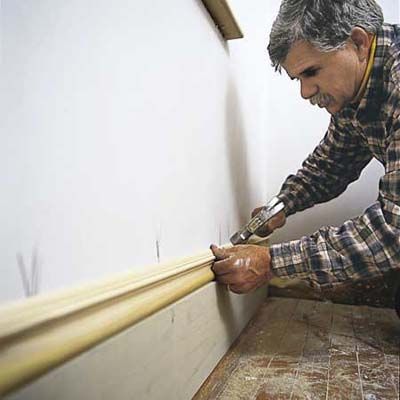
To install cap molding, apply a thin bead of construction adhesive to the back of the molding. Place it on top of the baseboard, ensuring it sits flush against the wall. Secure the molding with 8d finish nails driven at a slight downward angle through the molding’s thicker parts and into the studs. For inside corners, cope the joints for a tight fit. For outside corners, use mitered joints, gluing them together for added strength.
Baseboard Finishing Touches
The final steps in baseboard installation involve the small details that make a big difference in the overall appearance.
Filling Nail Holes in Baseboards
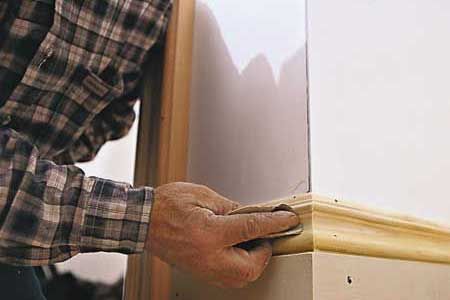
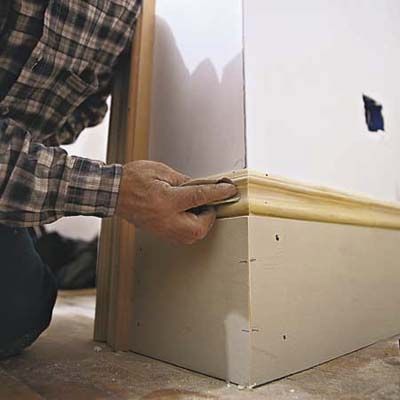
Use wood filler to fill all nail holes and any small gaps between the baseboard and the wall. Choose a filler that matches your baseboard color or can be painted over. Once the filler is dry, sand the filled areas smooth with fine-grit sandpaper to create a seamless surface.
Caulking and Painting Baseboards
Apply a thin bead of caulk along the top edge of the baseboard where it meets the wall and along any visible seams. Smooth the caulk with a damp finger or caulk tool for a clean finish. Once the caulk is dry, stain or paint your baseboards as desired. Use painter’s tape to protect the wall and floor for a crisp, professional look.
Cleaning Up
After the paint or stain has dried, carefully remove any painter’s tape. Clean up your workspace and return tools to their proper places. Remove any sawdust or debris from the floor and walls using a vacuum or broom. This final clean-up step not only ensures that your room looks great but also helps prolong the life of your tools and equipment.
Troubleshooting Common Baseboard Installation Issues
Even with careful planning and execution, you may encounter some challenges during baseboard installation. Common issues include gaps due to uneven walls, difficulty achieving tight corner joints, and baseboards that don’t sit flush with the floor.
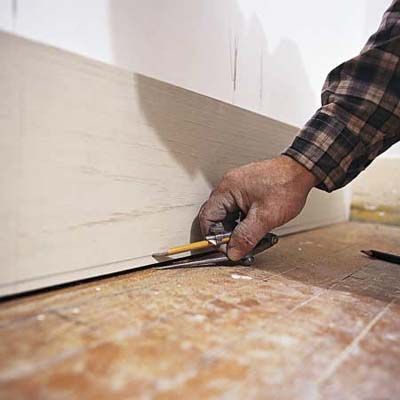
To address gaps, use caulk for small spaces or consider flexible molding for larger gaps. For tight corner joints, practice your coping and mitering skills and don’t hesitate to make adjustments as needed. If baseboards don’t sit flush with the floor, you may need to scribe the bottom edge to follow the floor’s contours.
Maintaining Your Newly Installed Baseboards
Regular maintenance is key to keeping your baseboards looking their best. Dust baseboards weekly with a microfiber cloth or vacuum attachment. For deeper cleaning, wipe them down with a damp cloth and mild soap solution, being careful not to oversaturate the wood. Touch up paint or stain as needed to keep them looking fresh. Periodically inspect for any loose sections or gaps that may have developed over time, addressing these issues promptly to maintain the integrity of your installation.
