
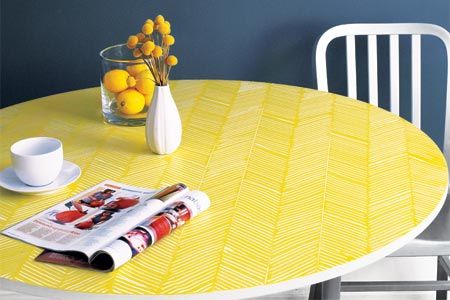
 Tape measure
- Painter’s tape – 3-inch
- plastic putty knife
- Mini paint roller
- Pencil
We may be compensated if you purchase through links on our website. Our team is committed to delivering honest, objective, and independent reviews on home products and services.
Creating a herringbone pattern tabletop is a great way to add visual interest and texture to a plain surface. This do-it-yourself (DIY) project transforms a simple table into a striking piece of furniture using paint, glaze, and a few basic tools. With some patience and attention to detail, you can achieve a professional-looking result that will become a focal point in any room. In this guide, we’ll walk you through the process of creating a beautiful herringbone pattern on your tabletop.
Understanding the Herringbone Pattern
Before diving into the project, it’s important to understand what a herringbone pattern is and why it’s an attractive choice for tabletops. This knowledge will help you appreciate the design and execute it more effectively.
What Is a Herringbone Pattern?
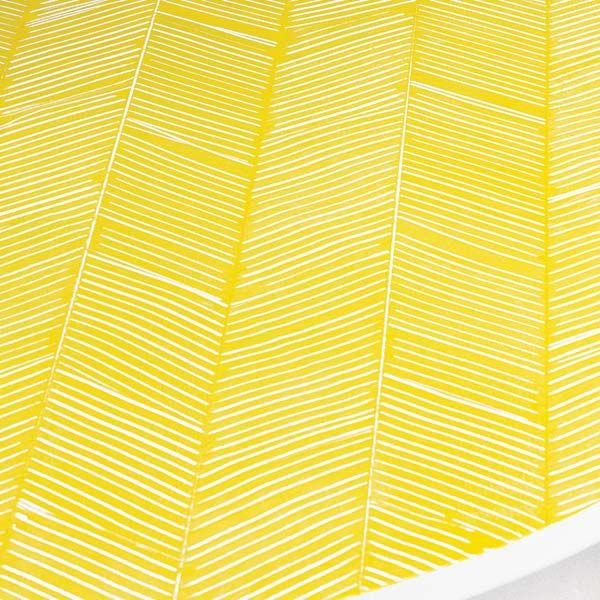
A herringbone pattern consists of rectangular shapes arranged in a zigzag formation. The pattern resembles the skeleton of a herring fish, hence its name. In interior design, this pattern is often used in flooring, tile work, and now, increasingly in painted furniture designs. The distinct angles and directionality of the herringbone pattern create a visually dynamic surface that catches the eye.
Why Choose Herringbone for Your Tabletop?
The herringbone pattern adds sophistication and visual interest to any surface. When applied to a tabletop, it creates depth and texture, making even the simplest table appear more luxurious. This pattern is versatile enough to complement various decor styles, from traditional to modern, making it an excellent choice for updating furniture. Whether you’re looking to refresh an old table or personalize a new piece, the herringbone pattern offers a stylish solution.
Materials and Tools Needed for a Herringbone Pattern Tabletop
To create your herringbone pattern tabletop, you’ll need to gather specific supplies and tools. Having everything ready before you start will ensure a smooth process.
Essential Supplies
Collect the following items:
- Base coat paint (satin finish recommended)
- Clear acrylic glaze
- Latex paint for the pattern
- Mini paint roller and tray
- Painter’s tape (3-inch width)
- Pencil
- Plastic putty knife
- Polyurethane for the protective topcoat
- Primer
- Sandpaper
- Tape measure
Optional Equipment
Though not essential, the following tools can make the job easier and more precise:
- Paint comb (can be purchased or DIY)
- Drop cloth to protect your work area
- Yardstick or straightedge
Preparing Your Workspace and Table to Apply a Herringbone Pattern
Proper preparation is key to achieving a professional-looking finish. Take the time to set up your workspace and prepare your table surface carefully. This will lay the groundwork for a successful project.
Cleaning and Sanding the Surface
Start by thoroughly cleaning the tabletop to remove any dirt or grease. Use a mild cleaner and ensure the surface is completely dry before proceeding. Once clean and dry, lightly sand the surface to create a better adhesion for the primer and paint. Wipe away any dust with a tack cloth, ensuring a smooth, clean surface ready for painting.
Applying the Base Coat
Apply a coat of primer to the tabletop and allow it to dry completely. Follow with your chosen base coat color in a satin finish. Decorative painter Ingrid Leess mentions that this part is forgiving: “The best part is, if you don’t like the way the pattern looks, as long as the glaze is still wet, you can just wipe it away and start again.” This forgiving nature allows for trial and error, so don’t be afraid to take your time to get it right.
Creating the Herringbone Pattern
The key to a successful herringbone pattern lies in precise measurements and careful taping. This section will guide you through the process of laying out your design.
Measuring and Marking the Table
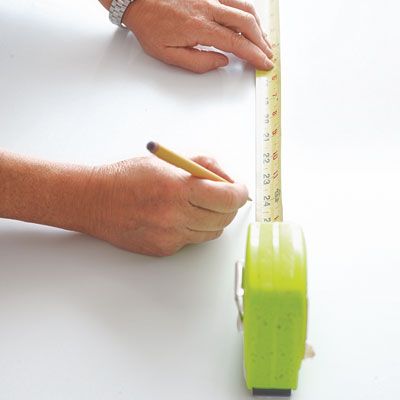
To start the herringbone pattern, find and mark the center point of your table. For a round table, use a tape measure to find the longest cross section (diameter) and mark its midpoint. This will serve as your starting point for taping. Draw light pencil lines from the center point to each edge of the tabletop to create a guide.
Taping Techniques for Perfect Lines
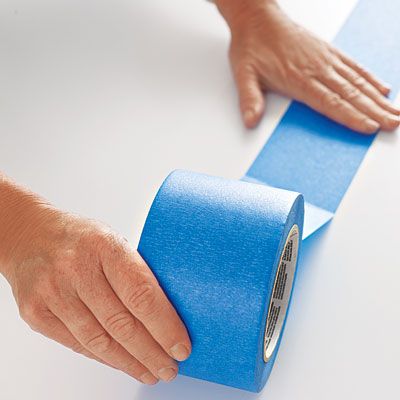
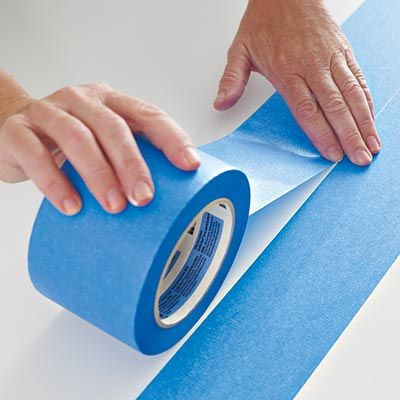
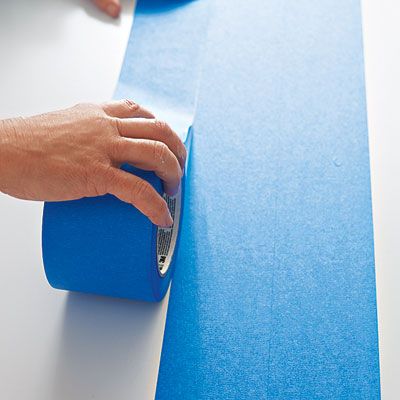
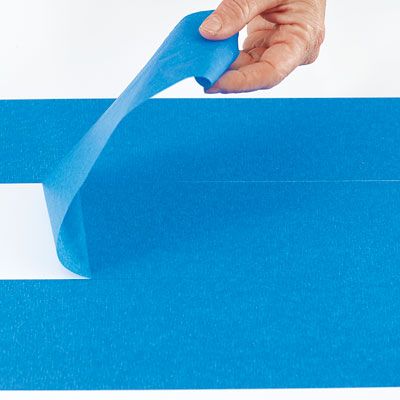
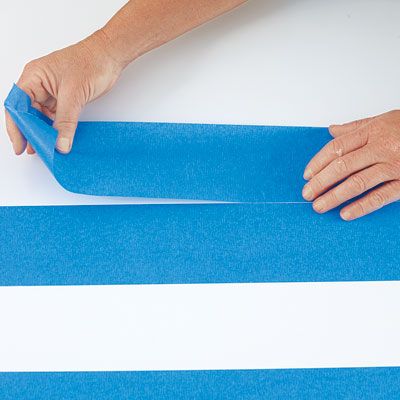
Begin by placing your first piece of tape along the diameter, using the center point as a guide. Add a second piece of tape alongside the first, then a third. Remove the middle piece to use as a spacer for the next row. Continue this process, leapfrogging the spacer tape and adding new rows until you cover the entire surface with alternating stripes of tape and exposed table.
Additional Tips for Taping
- Keep a consistent pressure while applying the tape to avoid bubbles or crooked lines.
- Use a straight edge or yardstick to ensure the tape lines are perfectly straight.
Make the Combing Tool
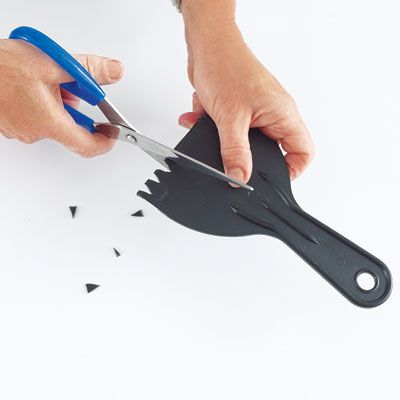
If you want to make your own tool, it’s easy with a plastic putty knife. Using a pair of sharp scissors, cut V-shaped notches into the tip of the knife to clip out teeth. The wider the putty knife, the fewer passes you’ll have to make through the glaze.
Applying the Glaze
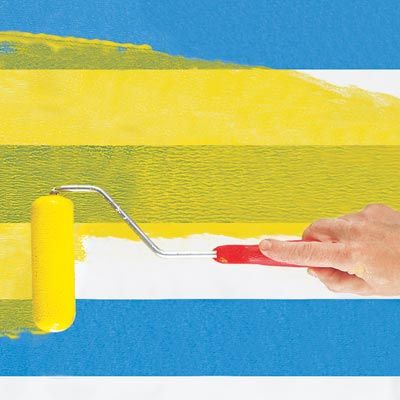
The glaze is what gives the herringbone pattern its depth and texture. Proper mixing and application are crucial for achieving the desired effect.
Mixing the Glaze
Mix equal parts of your chosen latex paint color and clear acrylic glaze. The glaze slows drying time and lightens the color, so choose a shade slightly darker than your desired final result. Ensure the mixture is well-blended for even consistency.
Rolling Techniques for Even Coverage
Pour the glaze mixture into a mini roller tray. Using a small foam roller, apply a thick coat of the tinted glaze to the exposed areas between the taped lines. Ensure complete coverage of the exposed surface. Roll in the direction of the tape to prevent pushing the glaze underneath the edges.
Additional Tips for Applying Glaze
- Apply the glaze in a well-ventilated area to speed up drying time.
- Use a gentle touch while rolling to avoid disturbing the tape.
Combing the Pattern
The combing technique creates the distinctive texture of the herringbone pattern. This step requires patience and a steady hand.
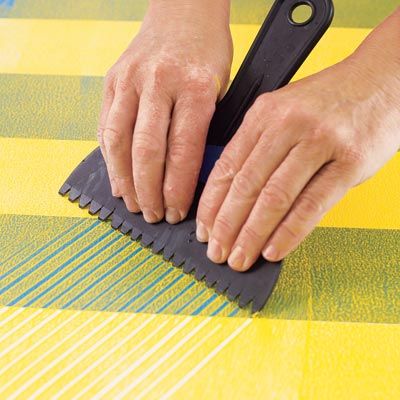
Mastering the Combing Technique
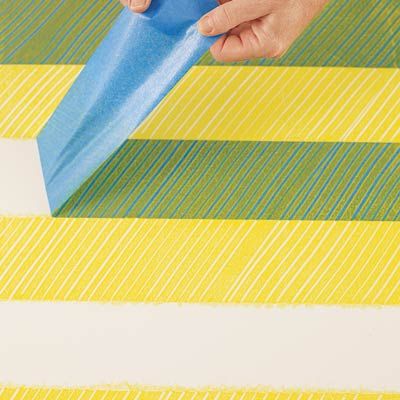
Set your comb at a 45-degree angle to the stripes and pull it steadily across the surface, cutting through the glaze. Keep the comb at a shallow angle to avoid scraping up the tape. On subsequent passes, overlap several teeth with the previous pass to maintain parallel grooves. Repeat this process across the entire surface.
Additional Tips for Combing
- Practice the combing technique on a spare piece of wood or cardboard to perfect your method before starting on the tabletop.
- Clean the comb frequently to maintain clear, crisp lines.
Finishing Touches
The final steps in creating your herringbone pattern tabletop involve removing the tape and applying a protective finish to ensure the longevity of your work.
Removing Tape and Touching Up
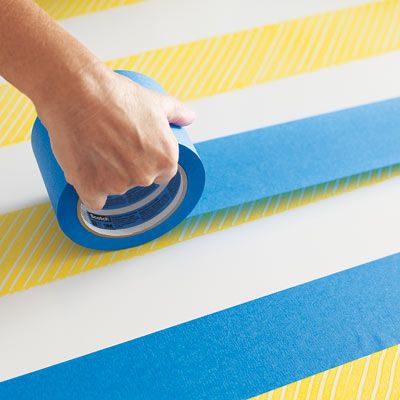
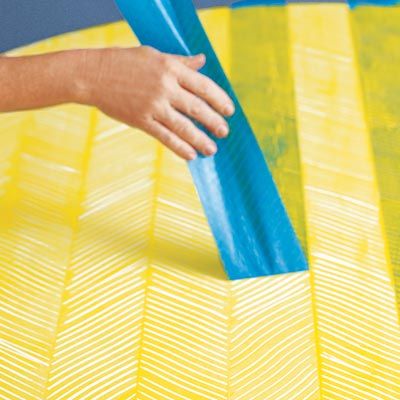
Remove the tape while the glaze is still tacky to prevent peeling. Pull the tape at a diagonal angle for clean lines. Allow the glaze to dry completely, which may take up to a day, depending on humidity and temperature. Once dry, tape over the combed stripes and repeat the glazing and combing process in the opposite direction to complete the herringbone pattern.
Additional Tips for Removing Tape
- Use a craft knife to gently score the edges of the tape if it sticks to the glaze.
- Remove the tape slowly and steadily to avoid damaging the glaze.
Applying a Protective Coat
After the pattern is complete and fully dry, apply a clear protective coat of polyurethane. This will seal your work and protect it from wear and tear, ensuring your herringbone pattern tabletop remains beautiful for years to come. Apply multiple coats for added durability and a polished finish.
Additional Tips for Applying a Protective Coat
- Use a high-quality brush or foam applicator to avoid streaks.
- Sand lightly between each coat of polyurethane for an ultra-smooth finish.
Troubleshooting Common Issues with Herringbone Pattern Painting
Even with careful preparation, issues can arise during the process. Below are some common problems and how to address them.
Dealing with Uneven Patterns
If your pattern appears uneven, ensure your comb teeth are clean between passes. Wipe the comb frequently to maintain consistent lines. For major issues, you may need to sand down the area and start over, but this is rarely necessary with careful technique. Double-check your measurements and tape placement to prevent uneven lines.
Fixing Bleeds and Smudges
If paint bleeds under the tape, carefully remove it with a razor blade once dry. For smudges in the wet glaze, simply reroll the area and comb again. The forgiving nature of the glaze allows for easy corrections. Having a clean, dry cloth on hand can help to quickly remove any minor smears before they dry.
Enhancing the Herringbone Design
While a traditional herringbone pattern is stunning on its own, you can enhance your tabletop further with creative additions. Consider incorporating metallic paints, multicolored glazes, or distressed finishes for a unique twist. These enhancements can add even more character and style to your piece.
Adding Metallic Accents
Metallic accents can add a touch of glamour to your herringbone pattern. Use metallic paint in a similar tint to your primary color, or choose a contrasting shade for a bolder look. Apply metallic accents sparingly to avoid overwhelming the design.
Using Multiple Glaze Colors
By combining different glaze colors, you can create a more dynamic and intricate pattern. Layering various shades can add depth and complexity, making your tabletop a true conversation piece. Test combinations on a small area before committing to the entire table.
