
Project details
Skill
Cost
Estimated Label
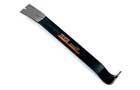
 Flat pry bar
- Pencil
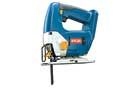
- Jigsaw
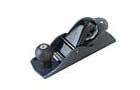
- Planer
- palm sander
- Drill/driver
- Caulk gun
Just like an old window, the glass in a vintage cottage door is typically cased in wood, with a decorative stool and apron moldings at the bottom. To transform my door into a dressing table, I widened the stool to create a sturdy shelf for holding grooming supplies and my morning cup of coffee. I then filled the empty space above the shelf with a new $70 mirror instead of replacement glass for what had long ago shattered. Because my door was unrestored, I paid $350—a savings of about $300 over pristine models. I covered the holes where two deadbolts once pierced the wood with antiqued bronze hooks I got on sale at Pottery Barn for just $5 apiece. Two more hooks on the opposite side add symmetry and provide more places to hang stuff.
Steps:
1. Remove the stop molding on the back side of the window opening using a small pry bar, and set them aside. Behind the stops are grooves that used to hold the old window glass in place. This is where the new mirror will fit.
2. Flip the door face-up and gently pry off the apron and stool moldings (you’ll use these to make the shelf). To prevent the wood from splitting, loosen a corner, then work the pry bar down the line. Now stand the door against a wall.
3. Trace the outline of the stool’s inner edge on a board that’s been cut to the same length. This is the board you’ll use for the shelf, so choose one that closely matches the stool’s thickness and the wood’s patina. Mine is a cypress rail scavenged from another door.
4. Steady the board, with its opposite, unmarked edge flush against the door where the stool used to sit. Mark where to notch the corners so that the board will fit snugly in the frame.
5. Cut along the lines with a jigsaw. The cut board and stool should fit together like puzzle pieces and slide easily into the door’s window frame. To match the eased contours of the stool, plane and sand the projecting sides of the cut board.
6. Join the stool and board with glue and 3-inch trim-head screws driven through the front of the stool. Be sure to first predrill the holes and countersink the screws.
7. Adhere the shelf to the frame with wood glue. Then predrill holes in its center and ends. Drive in 4-inch screws, anchoring them in the wood on which the shelf sits. Replace the apron molding, securing it with finish nails.
8. Return the door to the work table, back side up. Squeeze silicone adhesive into the mirror grooves.
9. Ease the mirror into the grooves, reflective side down. Glue plywood on the back of the mirror, and reattach the stop moldings with finish nails. Add the hooks and commence grooming.
TOH TIP: To hide joinery seams and screw holes, use a filler made from wood glue and sawdust. Blend until the mixture is the consistency of peanut butter.
