We may be compensated if you purchase through links on our website. Our team is committed to delivering honest, objective, and independent reviews on home products and services.
Taking care of your washer and dryer not only leads to cleaner clothes but also enhances the efficiency and safety of your appliances. Regular upkeep can prevent costly repairs, reduce energy consumption, and minimize the risk of water damage or fire hazards. Learn about maintenance tasks, from cleaning routines to addressing common issues, that will keep your laundry appliances running smoothly.
Essential Tools and Supplies for Washer and Dryer Maintenance
Before performing maintenance tasks, gather a few tools and supplies. Having these items on hand will make your maintenance routine more efficient and effective.
Cleaning Tools
To keep your washer and dryer in top condition, you’ll need the following items:
- All-purpose cleaner
- Baking soda
- Microfiber cloths
- Soft-bristled brushes
- Vacuum cleaner with attachments
- White vinegar
Replacement Parts
It’s also wise to have the following replacement parts available:
- Dryer belt (specific to your model)
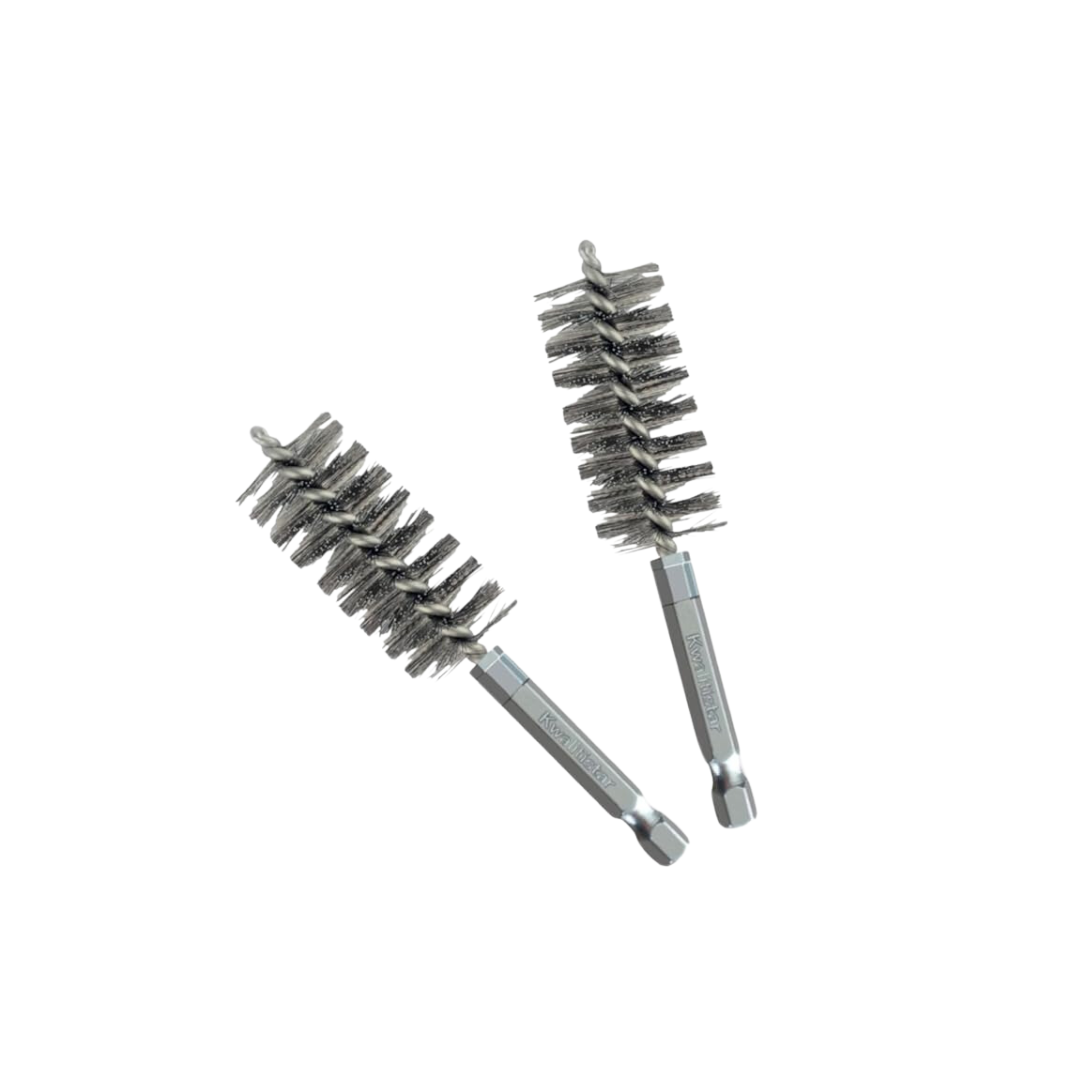
- Dryer vent brush
- Lint trap
- Washer hoses
Regular Cleaning and Inspection Routines
Having a regular cleaning and inspection schedule is key to maintaining your washer and dryer. By breaking tasks into weekly and monthly routines, you can keep your appliances in good condition without feeling overwhelmed.
In the video below, Kevin O’Connor shares tips for maintaining washers and dryers.
Weekly Maintenance Tasks
Incorporate these quick tasks into your weekly laundry routine:
- Clean the washer’s detergent dispenser
- Wipe down the washer’s door seal or gasket
- Leave the washer door open after use to prevent mold growth
- Clean the dryer’s lint trap after each use
- Inspect hoses for signs of wear or leaks
Monthly Maintenance Tasks
Set aside time each month for the following more thorough maintenance checks:
- Run an empty hot water cycle in the washer with vinegar to clean and deodorize
- Clean the washer’s filter (if applicable)
- Vacuum around and under the washer and dryer
- Inspect and clean the dryer vent
- Check the dryer’s exterior vent flap for proper operation
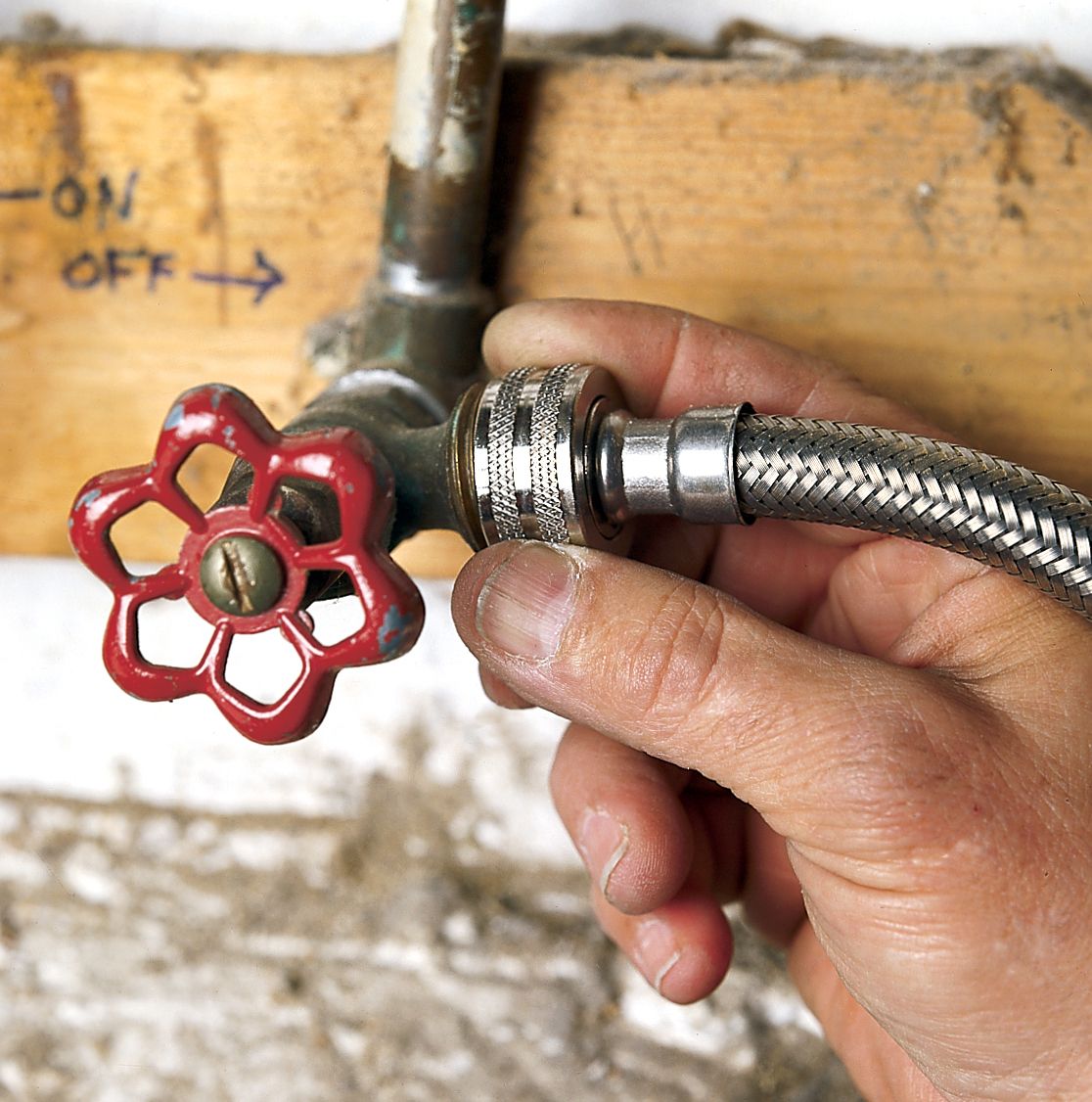
Washer Maintenance: How Do You Keep Your Machine in Top Shape?
Proper washer maintenance not only results in clean clothes but also prevents water damage and mold growth.
Cleaning the Washer Drum
A clean washer drum leads to hygienic laundry. Follow these steps monthly:
- Run an empty hot water cycle with two cups of white vinegar
- Scrub the drum with a soft brush and all-purpose cleaner
- Wipe down the drum with a microfiber cloth
- Run another empty cycle to rinse
This process removes soap scum, mineral deposits, and potential mold spores.
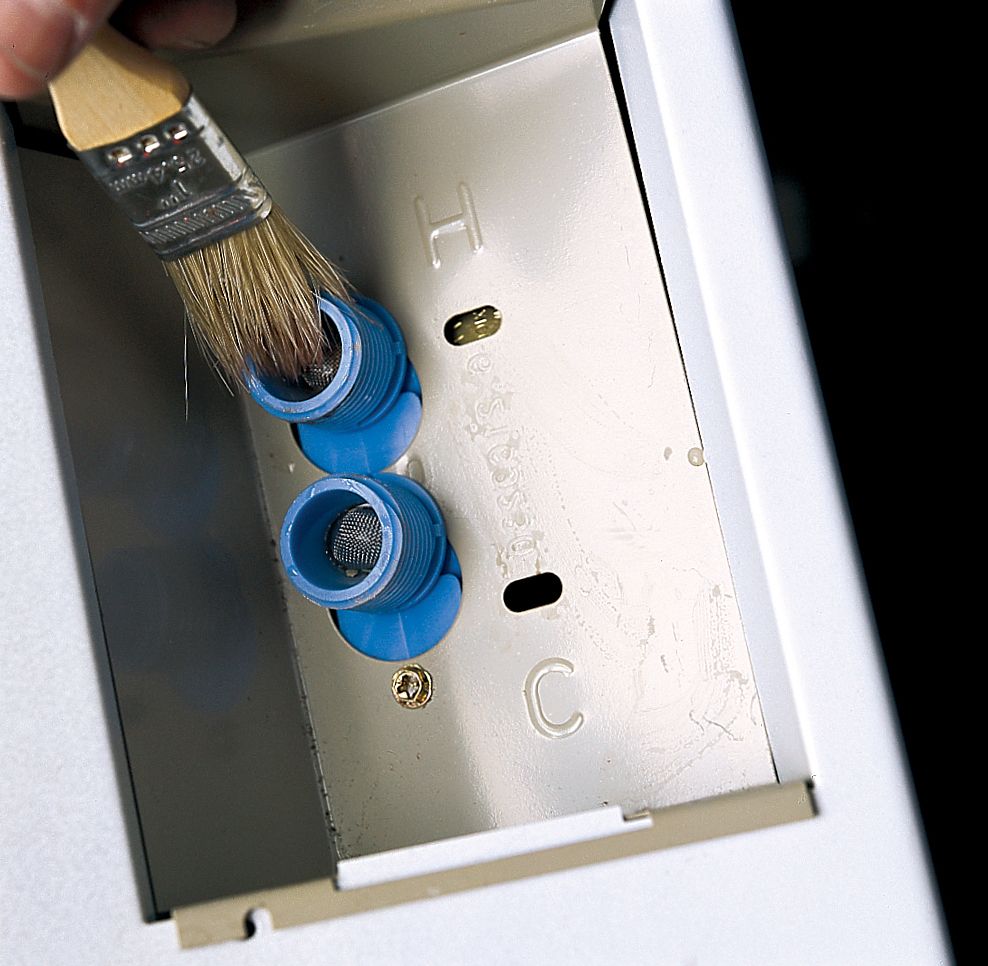
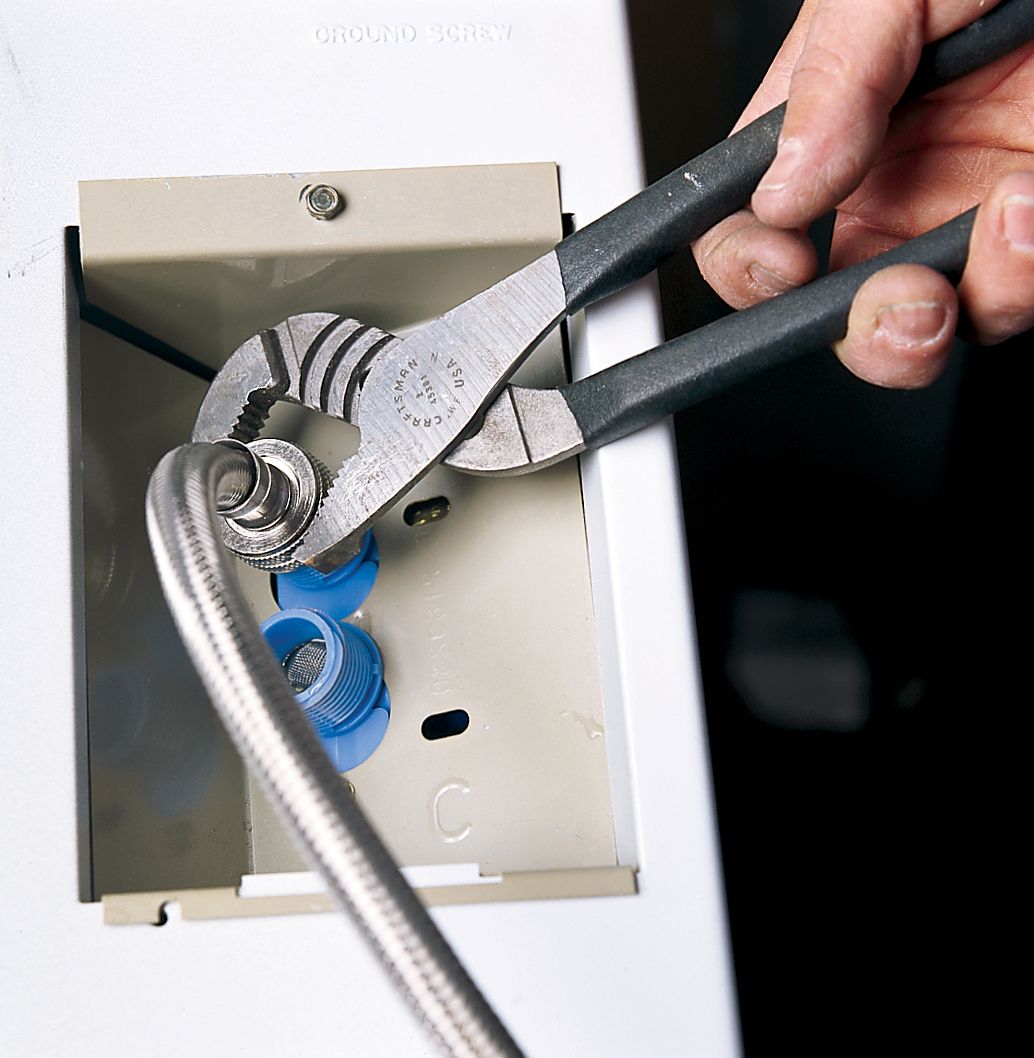
Maintaining Hoses and Connections
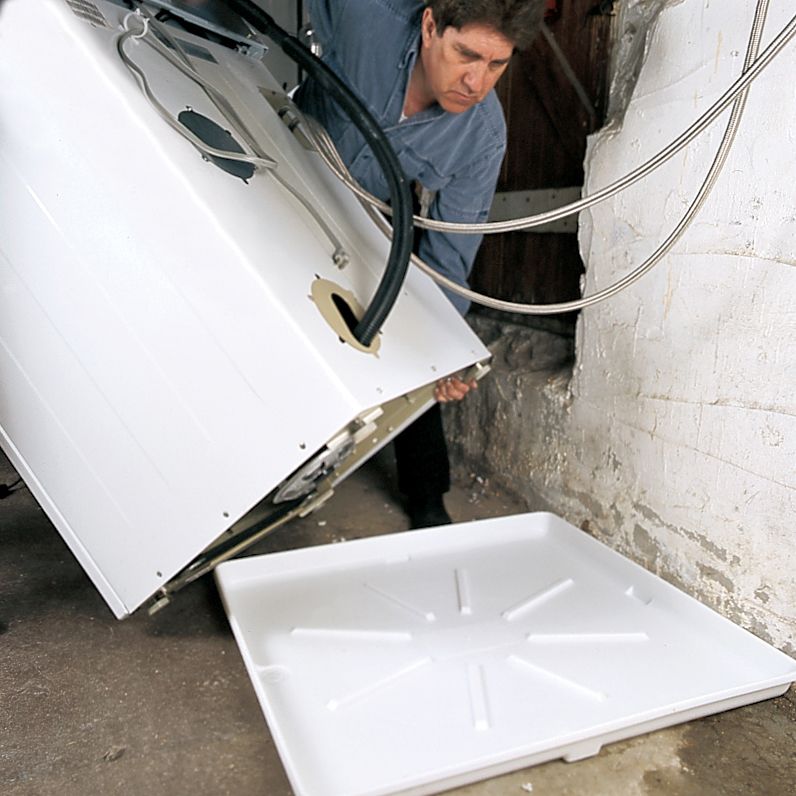
Hoses require regular inspection. Take the following steps:
- Check for cracks, bulges, or signs of wear
- Confirm connections are tight and leak-free
- Replace rubber hoses with steel-braided ones for added durability
- Install a drip pan under the washer to catch potential leaks
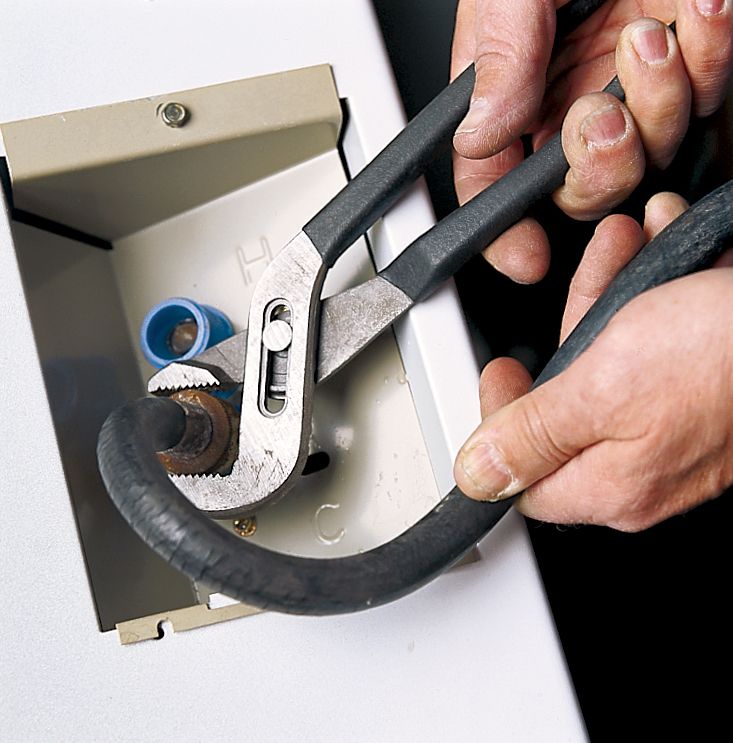
Addressing Common Washer Issues
Be proactive in addressing the following common washer problems:
- Unbalanced loads: Redistribute clothes evenly to prevent excessive vibration
- Strange noises: Check for foreign objects in the drum or pump
- Slow draining: Fix slow-draining tubs by cleaning the drain hose and pump filter
- Foul odors: Clean the gasket and run empty cycles with vinegar or a washer cleaner
Promptly addressing these issues can prevent more serious problems down the line.
Dryer Maintenance: Ways To Ensure Efficiency and Safety
Proper dryer maintenance matters for both energy efficiency and fire prevention.
Cleaning the Lint Trap and Vent
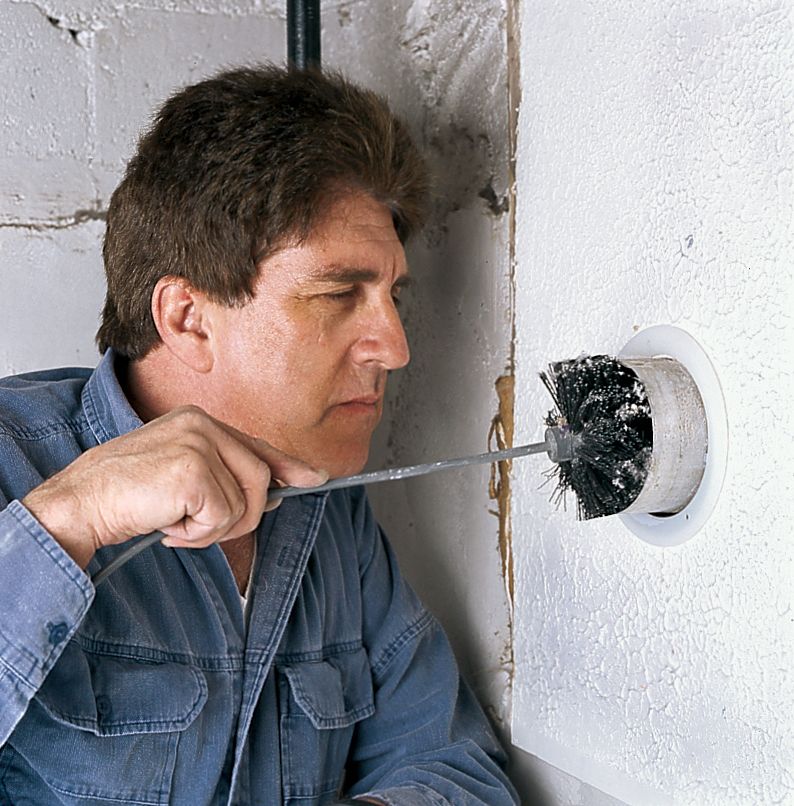
Lint buildup is the primary cause of dryer fires. Follow these steps to keep your dryer lint-free:
- Clean the lint trap after every use
- Vacuum the lint trap area monthly
- Clean the entire vent system every six months
- Inspect the exterior vent for blockages or damage
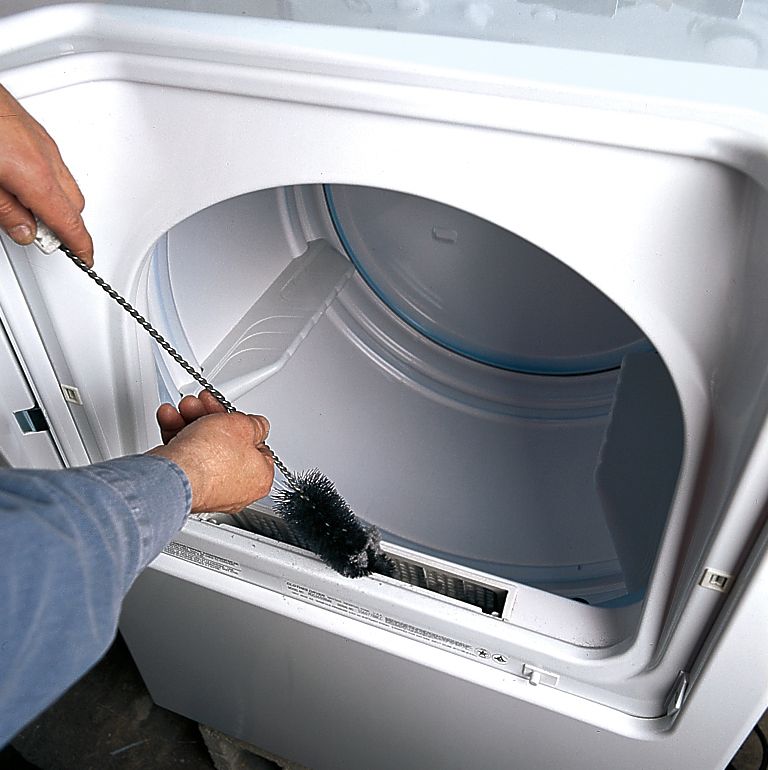
Inspecting the Dryer Drum and Belt
Regular inspection of the dryer’s internal components can prevent costly repairs. Take the following steps:
- Check the drum for sharp edges that could snag clothes
- Listen for squealing noises that may indicate a worn belt
- Make sure the drum turns smoothly and doesn’t wobble
- Clean the moisture sensors to maintain accurate drying cycles
Troubleshooting Dryer Problems
Address these common dryer issues promptly:
- Clothes not drying: Check for vent blockages or thermostat issues
- Excessive noise: Inspect for loose drum supports or worn rollers
- No heat: Verify the heating element and thermal fuse are functioning
- Auto-shutoff not working: Clean moisture sensors and check the timer
How Can You Extend the Lifespan of Your Washer and Dryer?
Proper usage habits and energy-saving practices can extend the lifespan of your laundry appliances while reducing utility costs.
Proper Usage Habits
Adopt these habits to minimize wear and tear:
- Sort laundry by weight to balance loads
- Use the appropriate amount of detergent
- Don’t overload the machines
- Clean pockets to prevent damage from forgotten items
- Use delicate cycles for appropriate fabrics
Energy-Saving Tips
Implement these strategies to reduce energy consumption:
- Wash full loads when possible
- Use cold water for most washes
- Clean the dryer’s lint trap before each use
- Utilize moisture sensors to avoid over-drying
- Consider air-drying clothes when weather permits
Water Management Tips
Using less water can extend the life of your washer and help the environment. Incorporate the following tips:
- Use high-efficiency detergents to reduce water residue
- Opt for shorter wash cycles for lightly soiled clothes
- Regularly inspect the water inlet and drain hoses for leaks
- Install a water softener if you have hard water to prevent mineral buildup
- Set the proper water level for each load to avoid overfilling
When To Call a Professional
While regular maintenance can prevent many issues, some problems require professional attention. Knowing when to call an expert can save time and prevent further damage.
Signs of Serious Issues
Contact a professional if you encounter any of the following:
- Persistent leaks or water damage
- Burning smells or smoke
- Electrical issues or sparking
- Drum not spinning or agitating
- Excessive vibration or movement
These symptoms may indicate serious problems that require specialized knowledge and tools to address safely.
Our Conclusion
Caring for your washer and dryer can help them last longer and efficiently clean your laundry. By implementing regular cleaning routines, addressing minor issues promptly, and knowing when to call in professionals, your washer and dryer will continue to operate smoothly. Remember, the key to effective maintenance is consistency. Set reminders for your weekly and monthly tasks, and don’t hesitate to consult your appliance manuals or seek professional advice when needed.
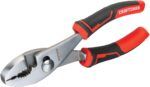
Below are some tools best suited for this task.