Project details
Skill
Cost
Estimated Time
If you’ve noticed the cost of new appliances, countertops, and cabinets, it’s no surprise that renovating a kitchen is one of the most expensive remodeling projects. While few homeowners find ways to boost the look of a dated refrigerator or tired granite, transforming a kitchen by freshening the cabinets that make up most of the room’s visual space is entirely within reach. But there’s more to the job than buying a gallon of your favorite color.
Read our step-by-step instructions and watch expert painter Mauro Henrique demonstrate how to get the job done right.
How Much Does it Cost to Paint Kitchen Cabinets?
Renovating a kitchen is one of the most expensive remodeling projects that you can take on, and replacing the cabinets can account for nearly 40 percent of that cost.
Cabinets for a 10-by 12-foot kitchen can easily top $5,000—and your new cabinets may actually be of lower quality than the ones you’re replacing. On the other hand, a few fresh coats of paint can go a long way toward transforming your existing cabinets for a fraction of that price. In fact, the cost of painting should be no more than about $200, plus a weekend or two of your time.
Should I Paint My Cabinets?
Before you head out to the paint store, however, examine your cabinets to see if they can be resuscitated in the first place. Even the highest-quality paint job can’t revive cheap cabinets that have grown frail with age. Thin veneers peel or delaminate, particleboard cabinet bottoms or shelves sag or break, and hanging rails come loose. If these are the issues you’re dealing with, you’d actually be better off replacing your kitchen cabinets.
Assuming that everything is still in fine shape and good working order, let’s examine some of the questions you’ll need to address before you start repainting your kitchen cabinets.
What Type of Paint Do I Need for Cabinets?
Oil or latex?
Latex paints have been improving steadily, leading some pros to give up oil-based paints entirely. Because they dry quickly and clean up with water, latex paints are more user-friendly than oil-based paints. But many pros still favor oil-based topcoats, arguing that they form a harder, more durable paint film and level out to a smoother finished surface. Latex paints also take longer (up to three weeks) than oil-based paints to fully cure. In the meantime, they’re susceptible to damage.
Bottom line: Either oil or latex will provide a good finish. If you do use a latex paint, make sure it’s a 100 percent acrylic formulation, which offers greater durability and adhesion than vinyl acrylic paints.
Brush or Spray Paint?
A sprayed-on finish is the smoothest option, but there’s a learning curve for doing it properly. You’ll also likely need to rent the spray equipment, which drives up your costs, and you’ll have to mask off all the areas in the kitchen that could accidentally get sprayed, including countertops, cabinet interiors, and appliances, which is a time-consuming process.
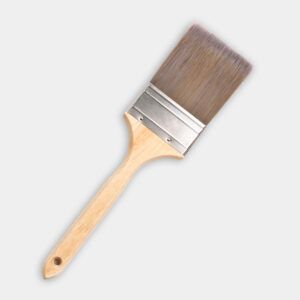
For these reasons, we recommend you opt for using high-quality brushes instead. Invest in a good, 3- to 4-inch-wide square brush, whose straight ends will make short work of large, flat panels, as well as an angled brush in the 2½- or 3-inch-wide range, which will help you get paint into the corners of doors with molding and can coat door frames in one pass. Latex paint should be applied with a synthetic bristle brush, which doesn’t absorb water; oil-based paint should be applied with a natural-bristle brush.
Can you just paint over cabinets or should you strip them?
When the existing finish is a clear coat, the best course of action is to strip the finish down to the bare wood before painting. This eliminates a potential adhesion problem between the old finish and the new paint.
But while stripping may be the ideal for purists, it’s not always practical or absolutely necessary. A thorough cleaning followed by light sanding should be enough to prepare the surface for new paint.
Regular or faux finish?
If you’re open to spicing up your kitchen’s look, incorporating a faux finish can transform its style into shabby chic, rustic, provincial, or modern. Crackling glaze, which is available at paint stores, can, with very little effort, give your cabinets a weathered look. Just apply the glaze over a dry base coat, brushing in only one direction (thick for large cracks, thin for fine cracks), and let it dry. Finish with a flat topcoat of the base color brushed on perpendicular to the glaze. The paint will start to form cracks as it dries, a process that takes about an hour.
Another rustic style is the distressed look, which doesn’t require a special paint. This finish is made up of layered colors and spattered dark paint. When the paint is dry, to reveal the colors underneath, distress the finish by hitting it with a chain and lightly sanding in the spots where the cabinets get the most use.
Similarly, the antiqued, slowly aged look can be achieved with some paint magic. Simply dip the tip of a paintbrush in a color lighter than the cabinets and dab the excess onto a cloth until the brush is almost dry, then lightly graze the surface of the detail trim, corners, and seams.
On the other end of the spectrum is a high-gloss finish, which will transform your kitchen into a polished, modern space. To shine up your cabinets, paint a high-gloss clear acrylic varnish over your final coat. This technique will add depth to the color and cover the surface of your kitchen with a glassy sheen.
Steps for Painting Cabinets
1. Prep the room
A successful paint job lies in diligent prep work, and the first few steps are focused on prepping the room and cabinets for painting.
- Start by emptying the cabinets, clearing off the counters, and removing any freestanding appliances.
- Relocate tables and other furniture to another room.
- Tape rosin paper over the countertops and flooring, and, to protect the rest of the house from dust and fumes, tape plastic sheeting over the backsplash, windows, fixed appliances, and interior doorways.
- Mask off the wall around the cabinets.
- Set up a worktable for painting doors, drawers, and shelves.
TIP: Set Up a DIY Paint Station
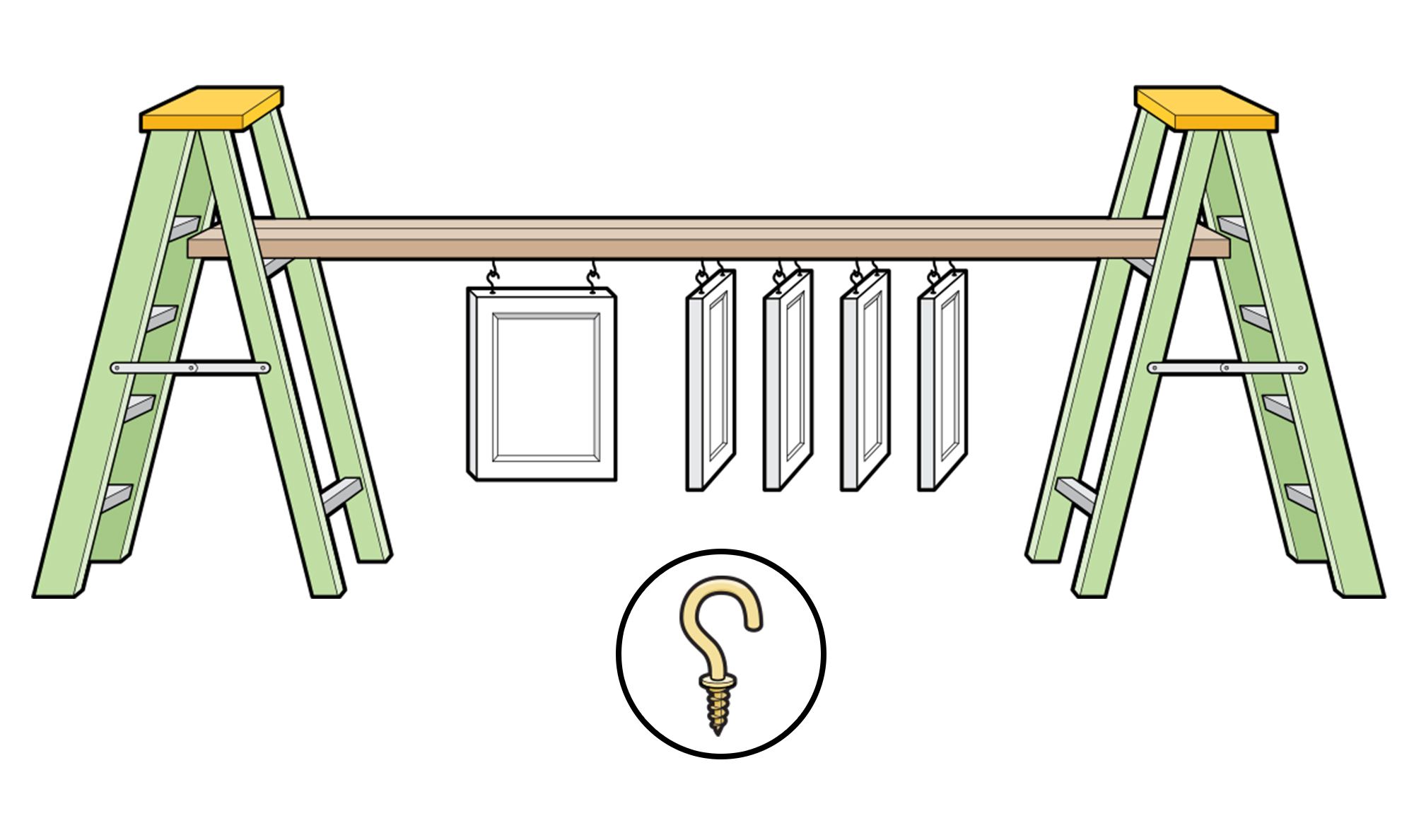
This makeshift jig provides access to all sides of a cabinet door to reduce downtime during drying. Here’s how to set it up:
- Span a pair of 2x4s at eye level between two ladders.
- Screw eye hooks into one end of a 2×4, where doors will be painted, and at the other end, screw hooks into both 2x4s to hang painted doors from.
- Add corresponding hooks to the top edges of upper cabinet doors and the bottoms of lower doors and drawers, where the holes left behind won’t be visible.
2. Remove the doors, drawers, and shelves
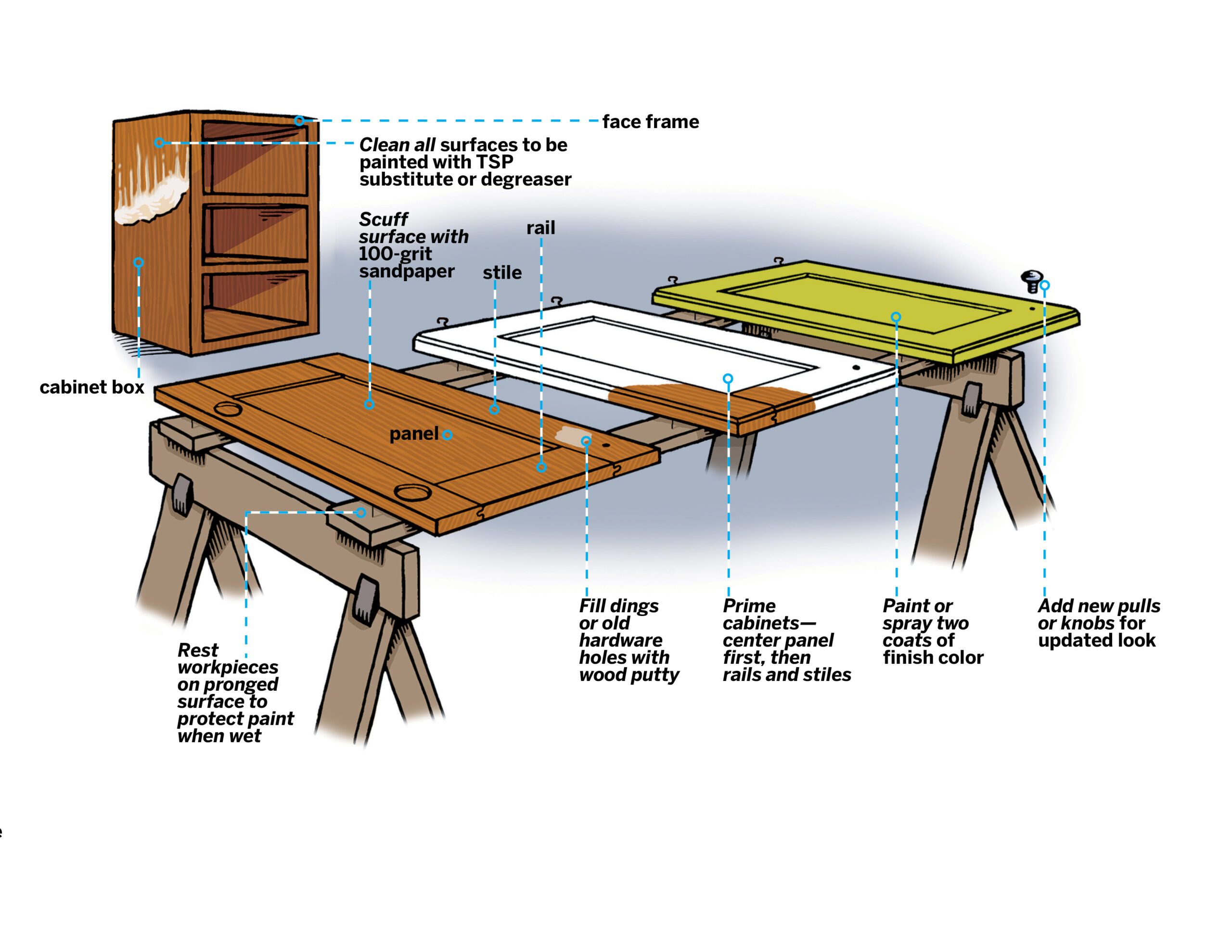
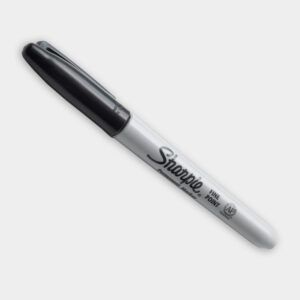
- Be sure to mark each drawer front and door with a marker to prevent mixing up the doors. The best place for this mark is behind the hinge location.
- Back out the hinge screws from the cabinet frame and remove the doors.
- Working from left to right, top to bottom, label each one with a numbered piece of tape. Also, number the edges of cabinet shelves and the bottoms of drawers.
- Set aside the shelf-hanging hardware.
- At your worktable, remove the pulls and hinges and save what’s being reused.
- On the doors, transfer the number from the tape to the exposed wood under one hinge.
- Cover it with fresh tape.
3. Clean all the surfaces
- Clean the cabinet by spraying it with a degreaser solution and wiping it down with a rag. This removes all the oils and grease that could prevent a perfect finish. If ordinary cleaners aren’t effective, consider using a stronger cleaner like trisodium phosphate (TSP), which is sold at hardware and paint stores. Just make sure you follow the safety precautions on the container.
- Once all the cabinet pieces are clean, rinse them thoroughly with water and let them dry.
4. Prep the boxes
- Open the windows for ventilation and put on safety gear. Using an abrasive pad dipped in a liquid deglosser, scrub down all of the surfaces.
- Hold a rag underneath to catch drips. Before the deglosser evaporates, quickly wipe away the residue with another clean, deglosser-dampened rag.
- If you’re relocating the hardware, fill the old screw holes with a two-part polyester wood or autobody filler.
- It sets in about 5 minutes, so mix only small batches. The filler shrinks a bit, so overfill the holes slightly.
- As soon as it sets, remove the excess with a sharp paint scraper. If it hardens completely, sand it smooth.
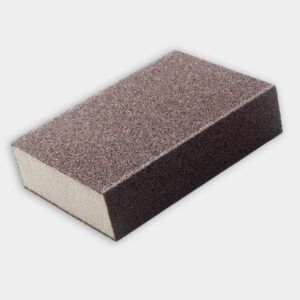
- Use a foam sanding block to scuff the surfaces of the cabinet, drawers, and doors. This is a light sanding meant to give the primer something to adhere to, so don’t sand to the bare wood. Use a tack cloth to remove the sanding dust before moving on.
- Vacuum the cabinets inside and out to make sure no bits of dust mar the finish, then rub them down with a tack cloth for extra measure.
5. Prime the cabinet boxes
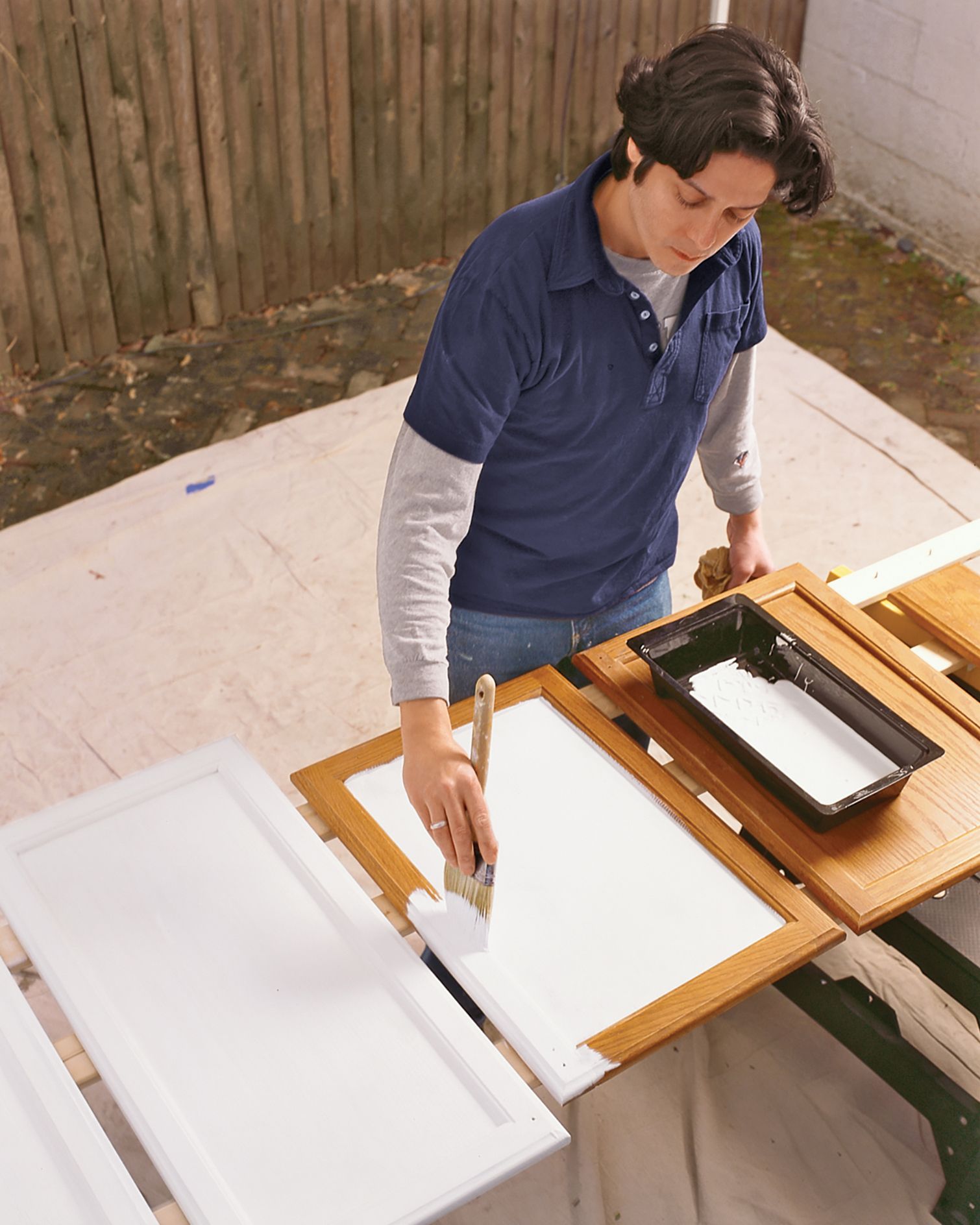
Now it’s time for the primer. If the cabinets are heavily stained, use a stain-blocking primer, which dries quickly and seals knots and other surface defects that might bleed through the topcoats. In most situations, however, stain-blockers shouldn’t be necessary, and an oil-based or 100 percent acrylic latex primer will work just fine.
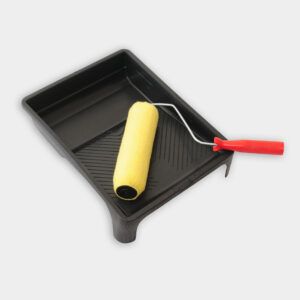
- Pour some primer into the paint tray and load the roller and brush. Using the brush along the edges and tight spots, and the roller on the large, flat surfaces, coat the cabinet, doors, and drawer fronts with a coat of primer.
- Starting at the top of the cabinet, brush on the primer across the grain, then “tip-off”—pass the brush lightly over the wet finish in the direction of the grain. Always tip-off in a single stroke from one end to the other.
- Make sure to follow the underlying structure of the cabinet or door with the brush. Where a rail butts into a stile, for instance, paint the rail first, overlapping slightly onto the stile, then paint the stile before the overlap dries.
- While you’re allowing the primer to dry, wash your brush and roller sleeve, and pour the excess primer back into the can before washing the paint tray.
6. Sand, caulk, and fill
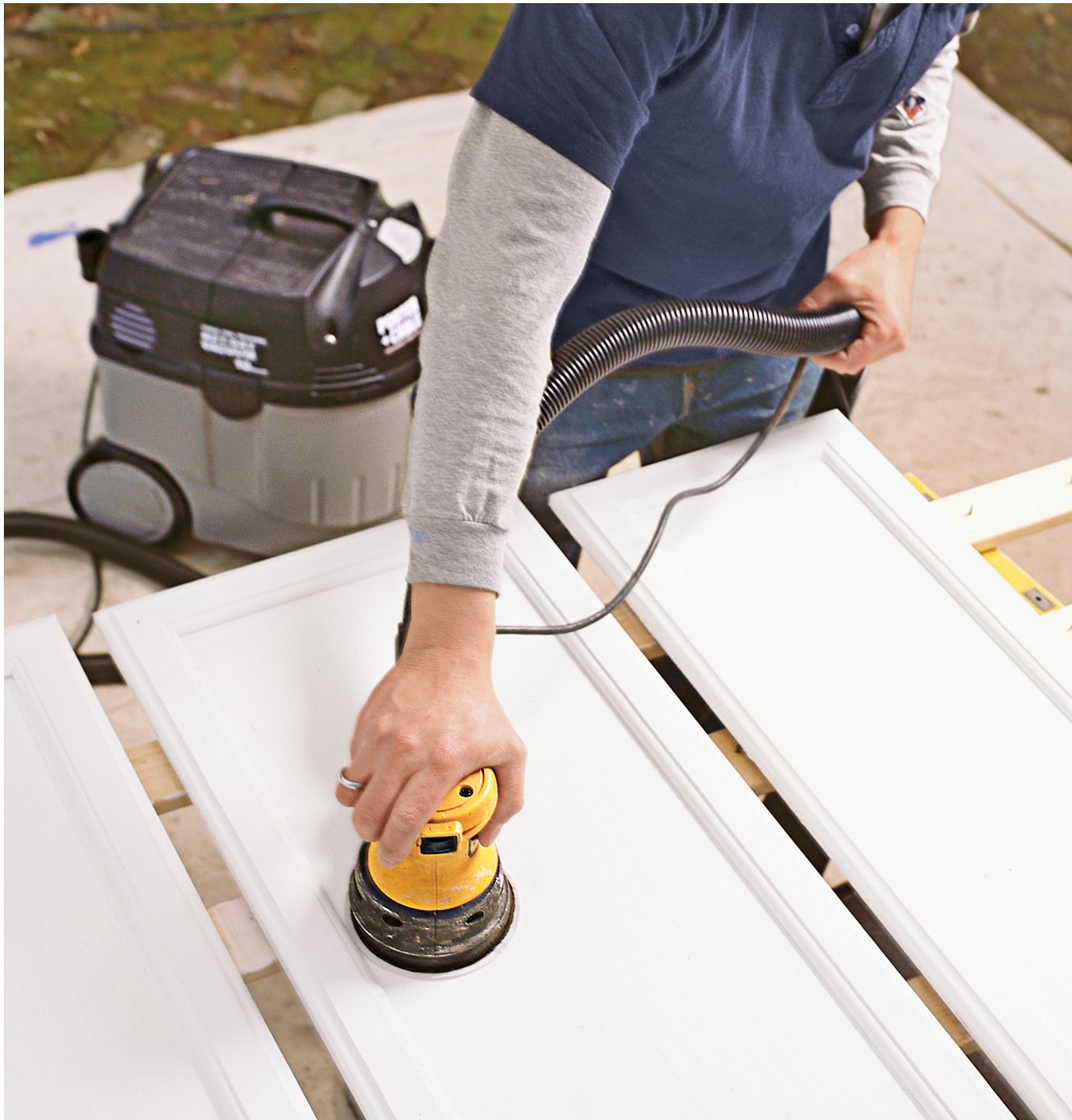
- After the primer is dry, sand the flat surfaces with 220-grit paper.
- Sand any profiled surfaces with a medium-grit sanding sponge. The wood should end up feeling glass-smooth.
- Squeeze a thin bead of latex caulk into any open seams. (The hole in a caulk tube’s tip should be no bigger than the tip of a sharp pencil.)
- Pull the tip as you go, then smooth the caulk with a damp finger. Fill any small dents, scratches, or dings with vinyl spackle, smoothed flat with a putty knife.
- Once the spackle is dry (about 60 minutes), sand again with 220-grit paper, vacuum, and wipe with a tack cloth.
- With a spray can of fast-drying oil-based primer, spot-prime the spackle and any spots where the sandpaper has “burned through” the primer.
- Wait an hour, then sand the primer lightly with 280-grit paper.
- Vacuum all the surfaces, and wipe them with a tack cloth.
7. Paint the cabinet boxes
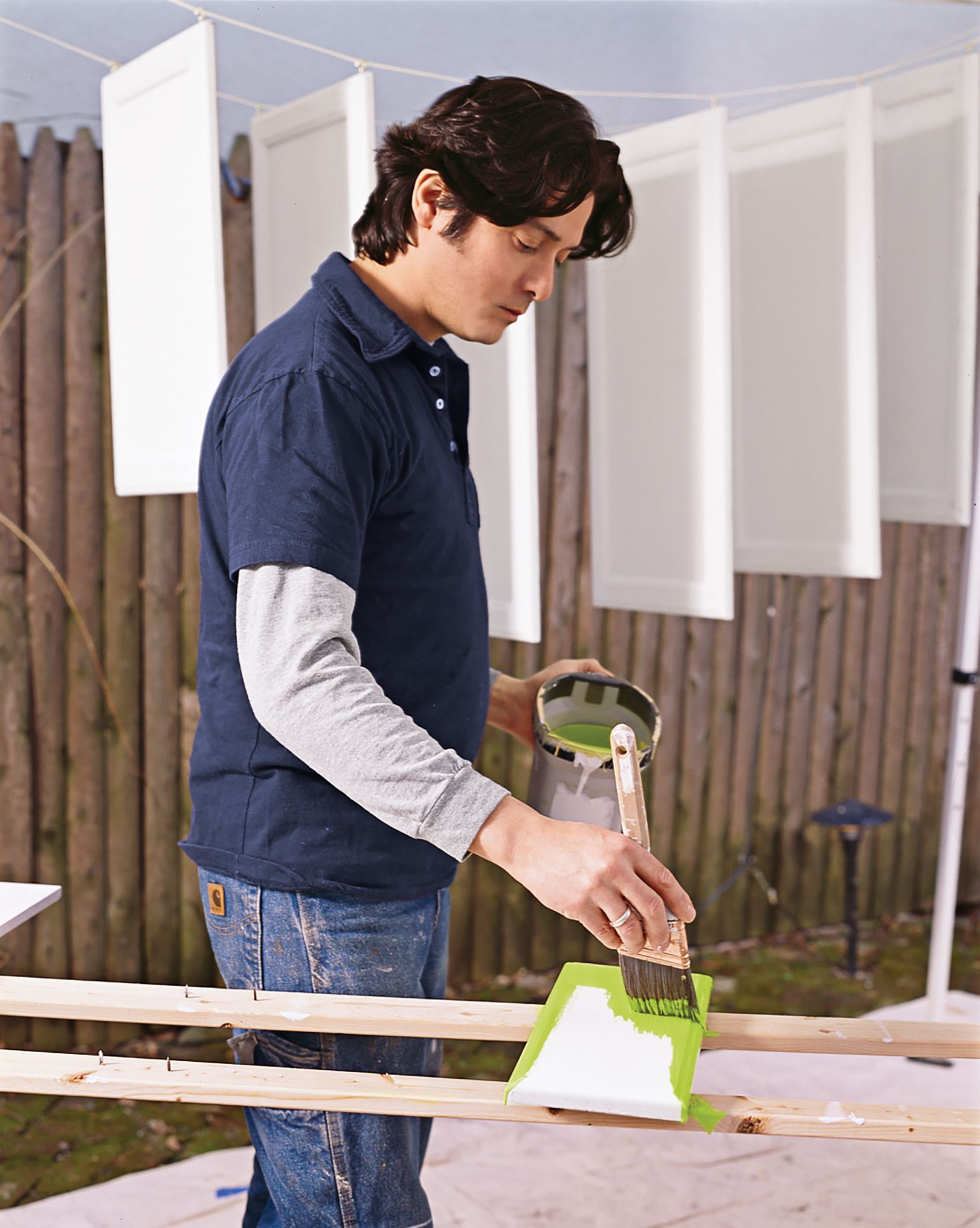
You’re finally ready to paint! If you’re using roughly the same shade as the existing color, two coats ought to do the job. You might even get away with one. Painting over a dark finish with a light color is tougher and could require three coats. Break out a new brush for each coat.
- Pour some trim and cabinet enamel paint into the paint tray and load the brush and roller with paint. Use the brush to cut in along the edges, push the paint into the corners, and leave out roller strokes. Use the roller to apply enamel paint to the large flat surface where possible.
- For the cabinet interior, apply the paint with a smooth-surface mini roller, which leaves a slightly bumpy, orange-peel texture.
- Cover the brush and roller with plastic bags to prevent them from hardening while you wait for the first coat to dry.
- Between coats, sand the surfaces lightly, making sure to clean up the debris afterward.
- Apply a second coat to the cabinet. This coat should provide a perfect, consistent finish without any thin or light areas where wood might show through.
8. Prep, prime, and paint the doors, drawers, and shelves
The strategy for prepping, priming, and painting doors, drawers, and shelves is the same as for the cabinets, except that all the work is done on a table to reduce the chance of drips, runs, and sags.
- When painting paneled doors, start with the area around the panel.
- Then, do the main field of the panel, and finish with the stiles and rails around the edges.
- As you go along, wipe up any paint that ends up on adjacent dry surfaces to eliminate the chance of lap marks.
Tip: To speed up the drying time for doors, you can twist two screw hooks into holes drilled in an inconspicuous door edge (the lower edge for bottom cabinets, the upper edge for top cabinets). Paint the door’s outside face and let it dry for an hour while resting flat, then tilt the door up onto its hooks and put a drywall screw into an existing hardware hole. Hold the tilted door up by the screw and paint the door’s back side.
- When you’re done painting, pick up the door by the screw and one hook and hang both hooks on a sturdy clothes hanger.
- Suspend the door from a shower curtain rod or clothes rod until it dries.
9. Put back all the pieces
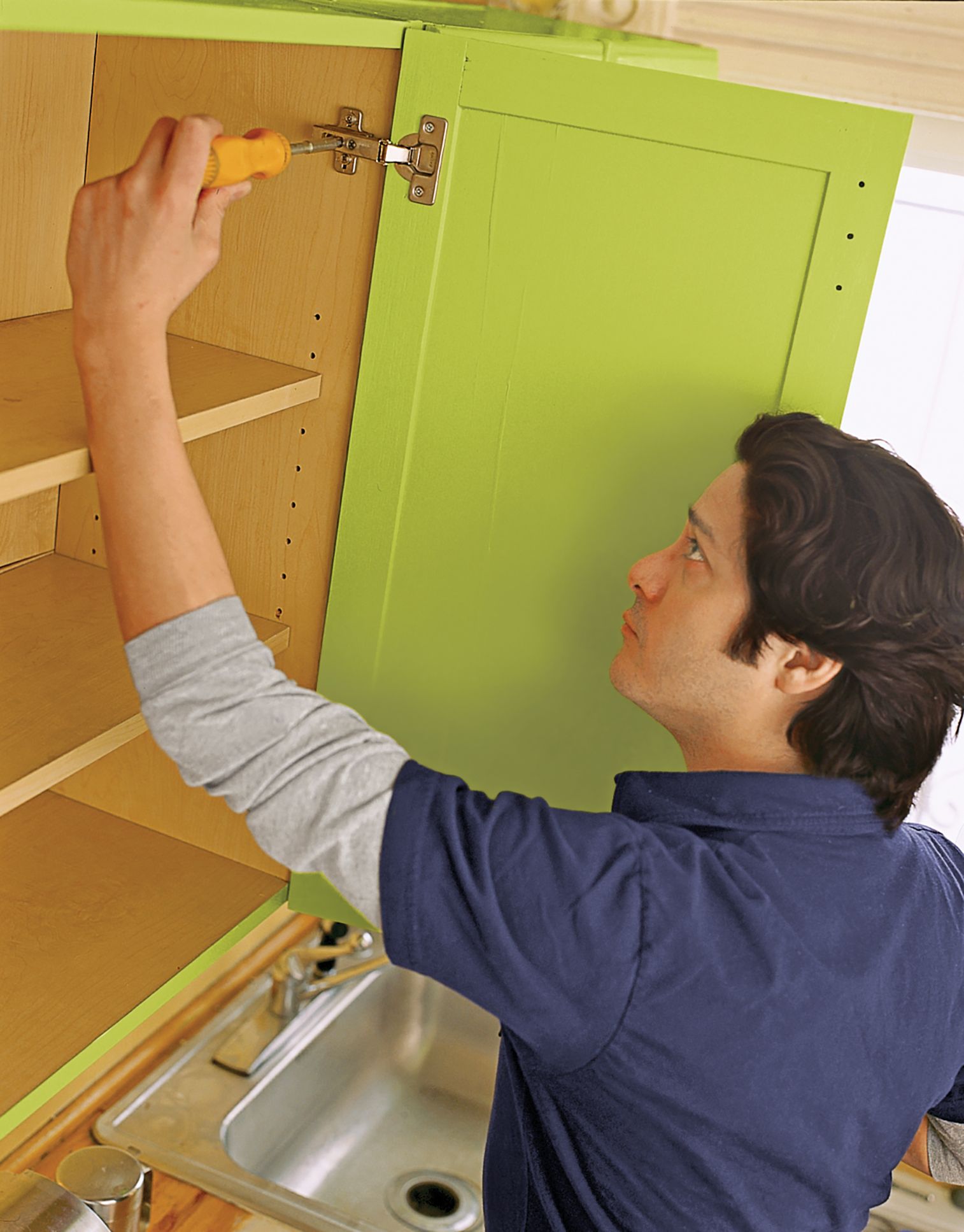
- Once the second coat dries, reattach the door and drawer fronts. Enjoy the fact that you’ve given your kitchen cabinets a fresh new look without investing a lot of time or money.
- Remove the tape over each door’s number, install the hinges and knob, and hang them in their original opening.
- Replace the drawer pulls (or add new ones) and reinstall each drawer.