
Power outages can strike at any time. Backup power systems offer a reliable solution to keep your household running even during an outage, whether it’s caused by severe weather, equipment failures, or other unforeseen circumstances.
This comprehensive guide will explore various backup power options, helping you choose the best solution for your home. When you’re ready to buy, you can review our list of the best home generators on the market today.
Understanding Backup Power Systems
Backup power systems are designed to provide electricity to your home when the main power grid fails. The primary goal of any backup power system is to maintain essential functions in your home during an outage, such as keeping lights on, refrigerators running, and heating or cooling systems operational.
Types of Backup Power
These systems range in size and complexity from portable generators to permanent standby units and backup batteries. Each type has its own advantages and considerations, catering to different needs and budgets.
Portable Generators
Portable generators are versatile and cost-effective solutions for temporary power needs. These units run on gasoline and can be moved to where power is needed most. They’re ideal for powering essential appliances during short outages or for use in outdoor settings.
The following are key advantages of portable generators:
- Mobility and flexibility
- Lower initial cost compared to standby generators
- Ability to power select appliances and devices rather than your entire home
However, portable generators require manual setup and operation, which can be inconvenient during sudden outages. You’ll also need a supply of fuel to keep them running.
Standby Generators
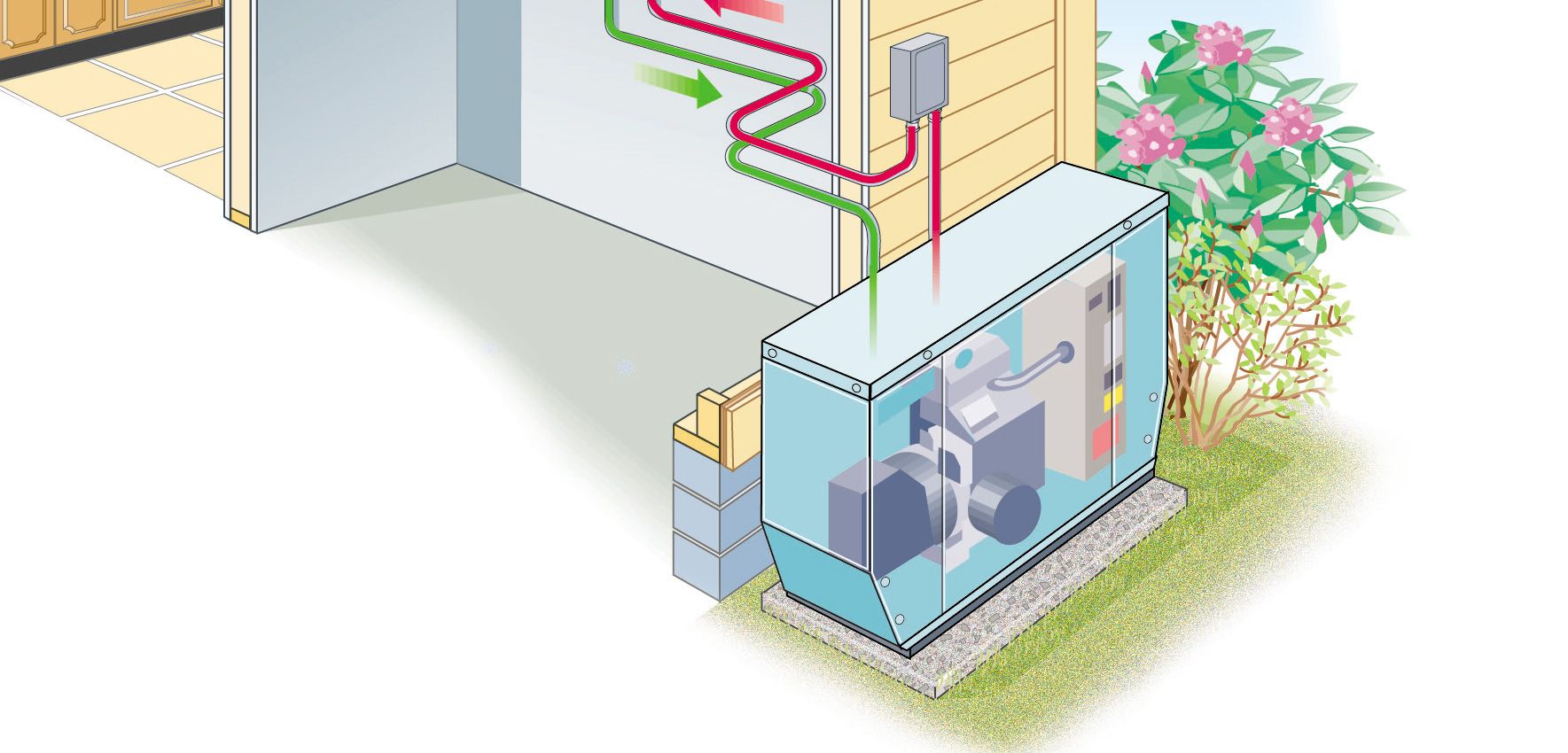
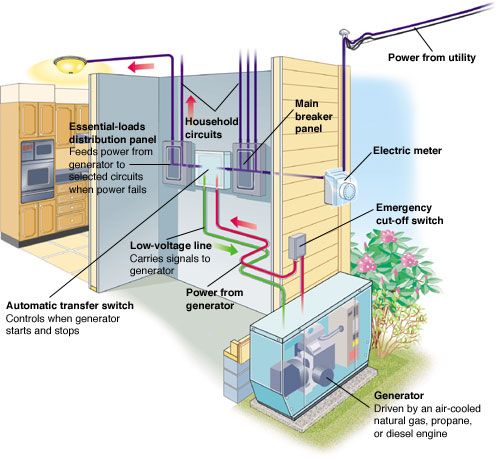
Standby generators offer a more comprehensive and automated backup power solution. These permanent installations are connected directly to your home’s electrical system and typically run on natural gas or propane.
The following are key features of standby generators:
- Automatic operation during power outages
- Ability to power most or all of your home’s electrical needs
- Seamless transition from grid power to backup power
While more expensive initially, standby generators provide peace of mind and convenience, especially for areas prone to frequent or prolonged outages. Again, though, you’ll need a ready supply of fuel to keep them running.
Battery Backup Systems
Battery backup systems, also known as home battery storage, are gaining popularity as a clean and quiet alternative to traditional generators. These systems store electricity and can power your home during outages.
The following are key features of battery backup systems:
- Silent operation
- No fuel required
- Potential integration with solar panels for renewable energy storage
Battery-powered home backup systems appeal to environmentally conscious homeowners or those looking for a low-maintenance solution. These systems are complex and expensive to set up, however, and not all homes are in the position to store solar power.
Assessing Your Home’s Power Needs
Before selecting a backup power system, assess your home’s electrical requirements during an outage. This evaluation will help determine the appropriate size and type of backup power.
Calculating Essential Load Requirements
To calculate your essential load requirements:
- List all appliances and devices you need during an outage
- Note the starting and running wattage for each item
- Add up the total wattage to determine your power needs
Remember to prioritize essential items like refrigerators, heating/cooling systems, and medical equipment.
Determining Generator Size
Once you’ve calculated your essential load, you can determine the appropriate generator size. As a general rule, choose a generator that can handle 10% to 20% more than your calculated load to ensure you have plenty of power. For example, if your essential load totals 7,000 watts, consider a generator rated for 8,000-9,000 watts to provide a safe margin of power.
Installation and Maintenance of Backup Power Systems
Proper installation and regular maintenance are crucial for the reliable operation of your backup power system. Installing a backup power system, especially a standby generator, requires professional expertise. The process typically involves:
- Site assessment and planning
- Obtaining necessary permits
- Installing the generator on a concrete pad
- Connecting fuel lines and electrical wiring
- Installing the transfer switch
- Testing and commissioning the system
Routine Maintenance Requirements
Regular maintenance is essential to keep your backup power system in top condition. This includes:
- Checking and replacing air filters
- Conducting regular system tests
- Inspecting and cleaning fuel systems
- Periodic oil and filter changes
- Testing battery condition
Many manufacturers offer maintenance plans, which can simplify upkeep and ensure your system is always ready when needed. Remember to change your air filter regularly as part of your maintenance routine.
Transfer Switches
Transfer switches are essential components in any backup power system, ensuring safe and proper connection between your home’s electrical system and the backup power source. As you install a backup power system, you’ll also need to install the transfer switch.
Manual Transfer Switches
Manual transfer switches require human intervention to switch between utility power and generator power. While less expensive, they necessitate someone to be present to activate the switch during an outage.
The benefits of manual transfer switches include the following:
- Direct control over power source selection
- Lower cost
- Simpler installation
Automatic Transfer Switches
Automatic transfer switches provide a seamless transition between utility and backup power without human intervention. These switches constantly monitor incoming power and activate the backup system when needed. For most homeowners, the convenience and reliability of an automatic transfer switch outweigh the additional cost.
The benefits of automatic transfer switches include the following:
- Immediate response to power outages
- No need for manual operation
- Reduced risk of human error
Fuel Options for Generators
The choice of fuel for your generator can impact its performance, convenience, and operating costs.
Natural Gas
Natural gas generators are clean-burning and efficient. If they can be connected to municipal gas lines, they have a continuous fuel supply, and the fuel is more affordable than propane or diesel. However, natural gas may not be available in all areas, and service can be disrupted during severe weather events.
Propane
Propane generators are popular because their fuel can be stored on-site and has a long shelf life. These generators are also clean-burning and efficient. However, propane can be more expensive than natural gas and requires periodic tank refilling.
Diesel
Diesel generators are known for their durability and long lifespan, fuel efficiency, and high power output. However, diesel fuel can be more expensive and has a shorter shelf life than propane.
Cost Considerations for Backup Power
When evaluating backup power options, it’s important to consider both initial and long-term costs.
Initial Investment
Initial costs vary widely depending on the type and size of the system. According to Angi, the following costs are typical for backup power systems:
- Portable generators: $500–$2,000
- Standby generators: $5,000–$25,000
- Battery backup systems: $10,000–$25,000
Long-Term Operating Expenses
Long-term costs include fuel expenses, regular maintenance and servicing, and potential repairs or part replacements. Consider these ongoing costs when budgeting for your backup power solution.
| Additional Costs | Average Cost |
| Maintenance | $80–$300 |
| Propane fuel | $220 daily for 20 kW unit |
| Diesel fuel | $175 daily for 20 kW unit |
| Wireless monitoring | $200–$400 |
| Smart load management | $150–$300 |
| Backup battery | $10,000–$25,000 |
| Upgrade electrical subpanel | $500–$2,000 |
| Install circuit | $570–$1,000 |
Backup Power: Our Conclusion
Backup power systems protect your home against the inconvenience and potential dangers of power outages. Whether you choose a portable generator for occasional use, a comprehensive standby system for full home coverage, or an eco-friendly battery solution, having a backup power plan is a wise investment for any homeowner.
Consider your specific needs, budget, and local regulations when choosing a backup power system. Proper installation and maintenance are key to making sure your chosen solution performs reliably when you need it most. With the right backup power system in place, you can face power outages with confidence, knowing your home will remain functional and comfortable regardless of grid conditions.
