
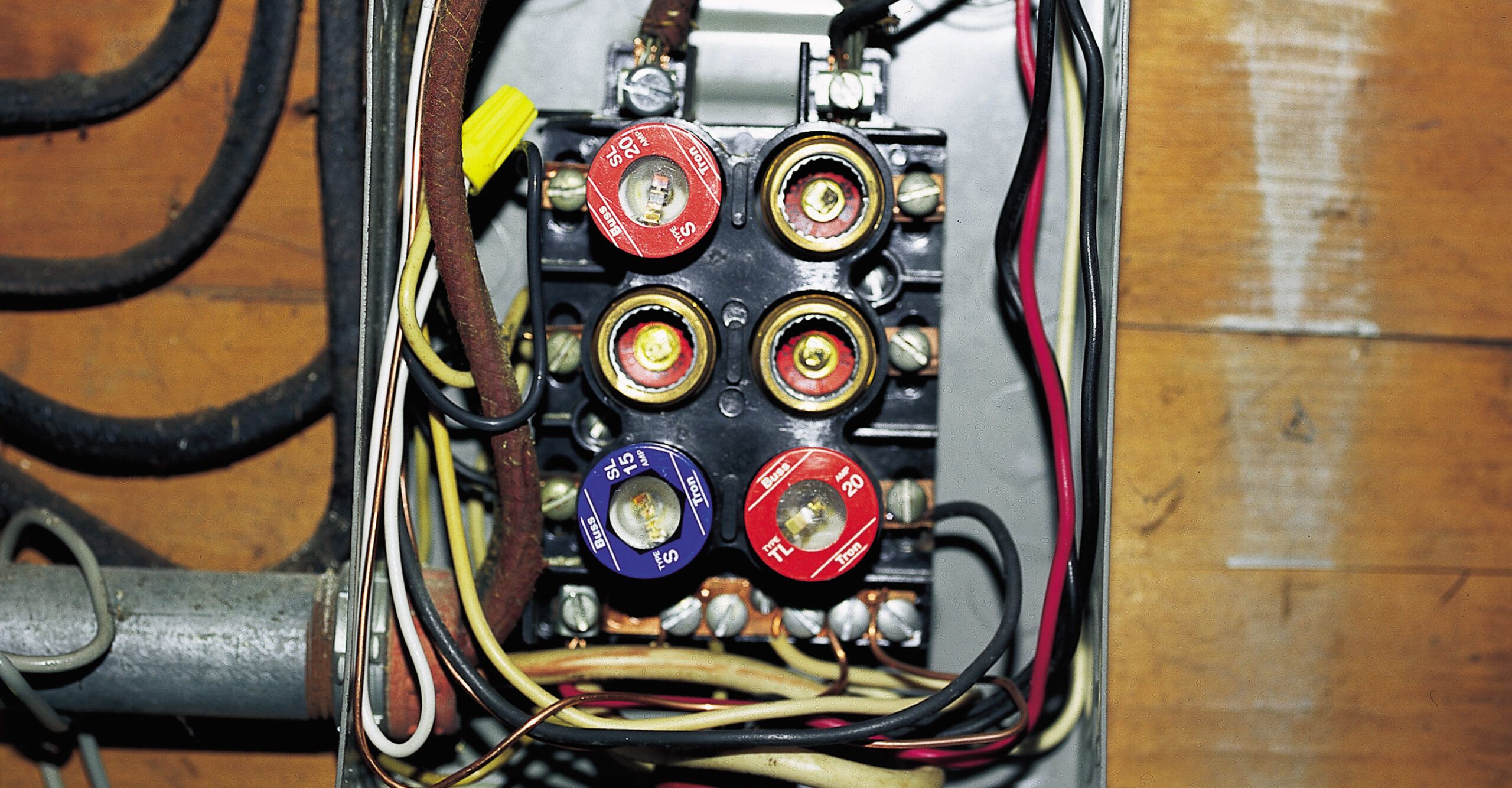
If you have an older home, there’s a good chance its wiring is out of date. This can cause problems in a modern household, with our ever-growing collections of electricity-hungry appliances, lighting, and electronics.
“The circuits in these older homes weren’t designed to power the many gadgets of modern life,” says electrician Allen Gallant, who has wired six This Old House TV project houses.
The signs of strain may be obvious — a tangle of extension cords and power strips sprouting from a single outlet — or lurking unseen behind walls, ceilings, and cover plates. In this guide, we’ll give you tips for dealing with the most common problems caused by older, outdated wiring.
Hire an Electrical Pro and Avoid Fire Hazards
Some wiring problems are just inconveniences. But others can pose serious fire or electrocution hazards. If you’re buying a house (especially one that’s more than 50 years old), or if you’ve never had your wiring inspected, it’s a good idea to hire a licensed electrician to give your home a thorough going-over.
“He’ll look at the insulation on the wires to see if it’s dried out and fraying, he’ll look for corrosion in the service panel, and he’ll look to see if a previous owner did anything unsafe,” Gallant says. After that, he recommends getting a quick follow-up inspection every five years.
Don’t be alarmed if the inspection turns up code violations. Each time the electrical code is revised, old wiring is “grandfathered,” assuming it was installed correctly. The code only requires you to update wiring in rooms being gut-renovated.
To help you assess the state of your own electrical system, we’ve asked Gallant to identify the 10 most common wiring problems he sees, the dangers they pose, and his recommended solutions.
Remember: Anytime you work with wiring, be sure to turn off the circuit at the main breaker panel.
Common Electrical Problems
1. Overlamping
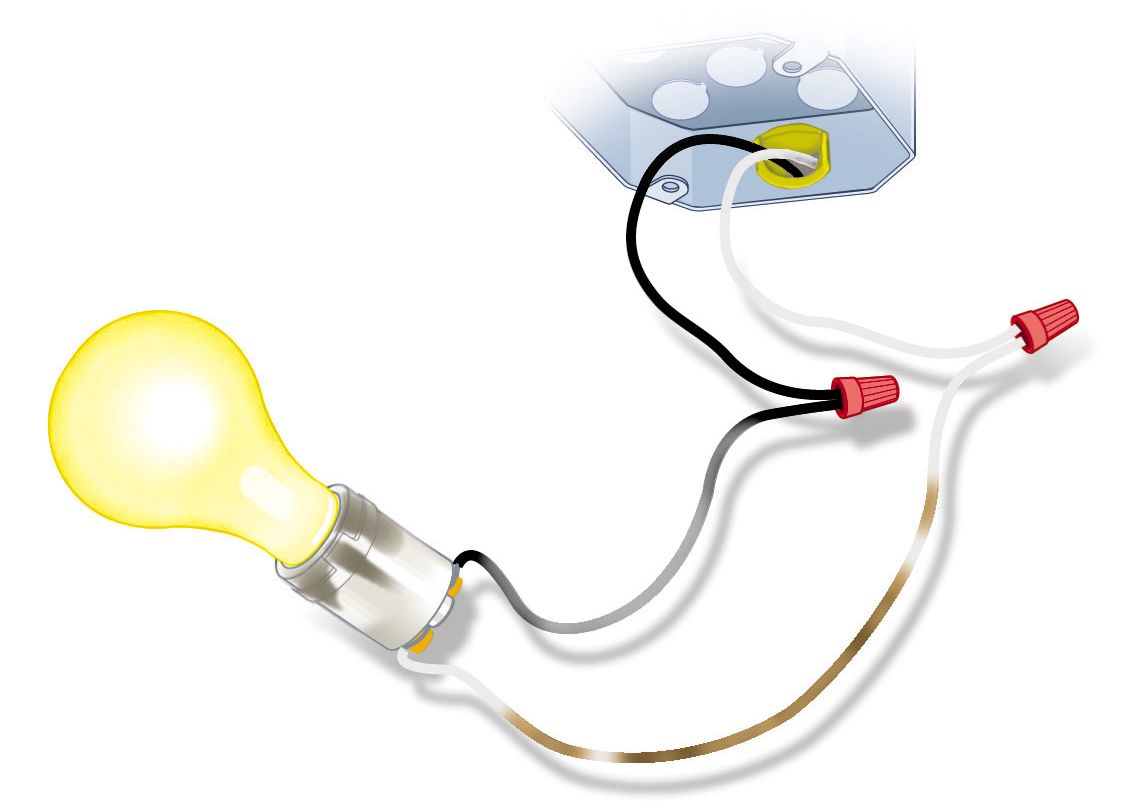
What it means: A fixture has a light bulb with a higher wattage than the fixture is designed for.
Code violation? Yes.
Danger level: High. The bulb’s intense heat can scorch or melt the socket and insulation on the fixture’s wires, which increases the risk of arcing — sparks that jump through the air from one wire to another. Arcing is a chief cause of electrical fires. The damage to socket and wires remains even after the bulb has been removed.
Solution: Stay within the wattage limit listed on all light fixtures made since 1985. For older, unmarked fixtures, use only 60-watt bulbs or smaller. When in doubt, opt for LED bulbs, which use less energy and produce less heat.
2. Uncovered Junction Boxes
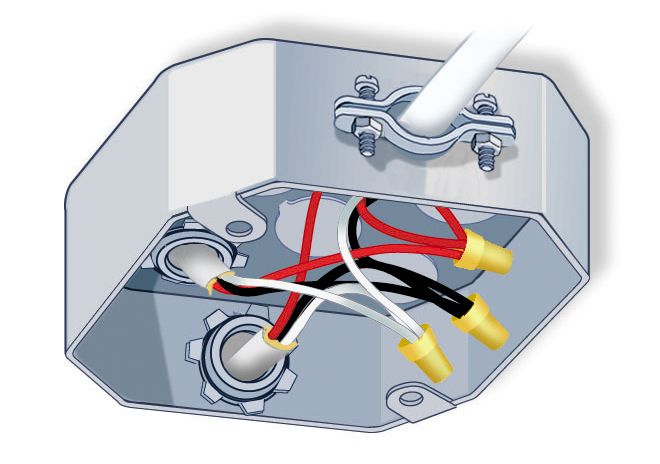
What it means: Because a junction box houses the splices where wires are connected to one another, a person could inadvertently damage the wires or get a shock.
Code violation? Yes.
Danger level: Minimal, as long as wires aren’t within reach.
Solution: Spend a few cents to buy a new cover and install it with the screws provided.
3. Flickering Lights When It’s Windy
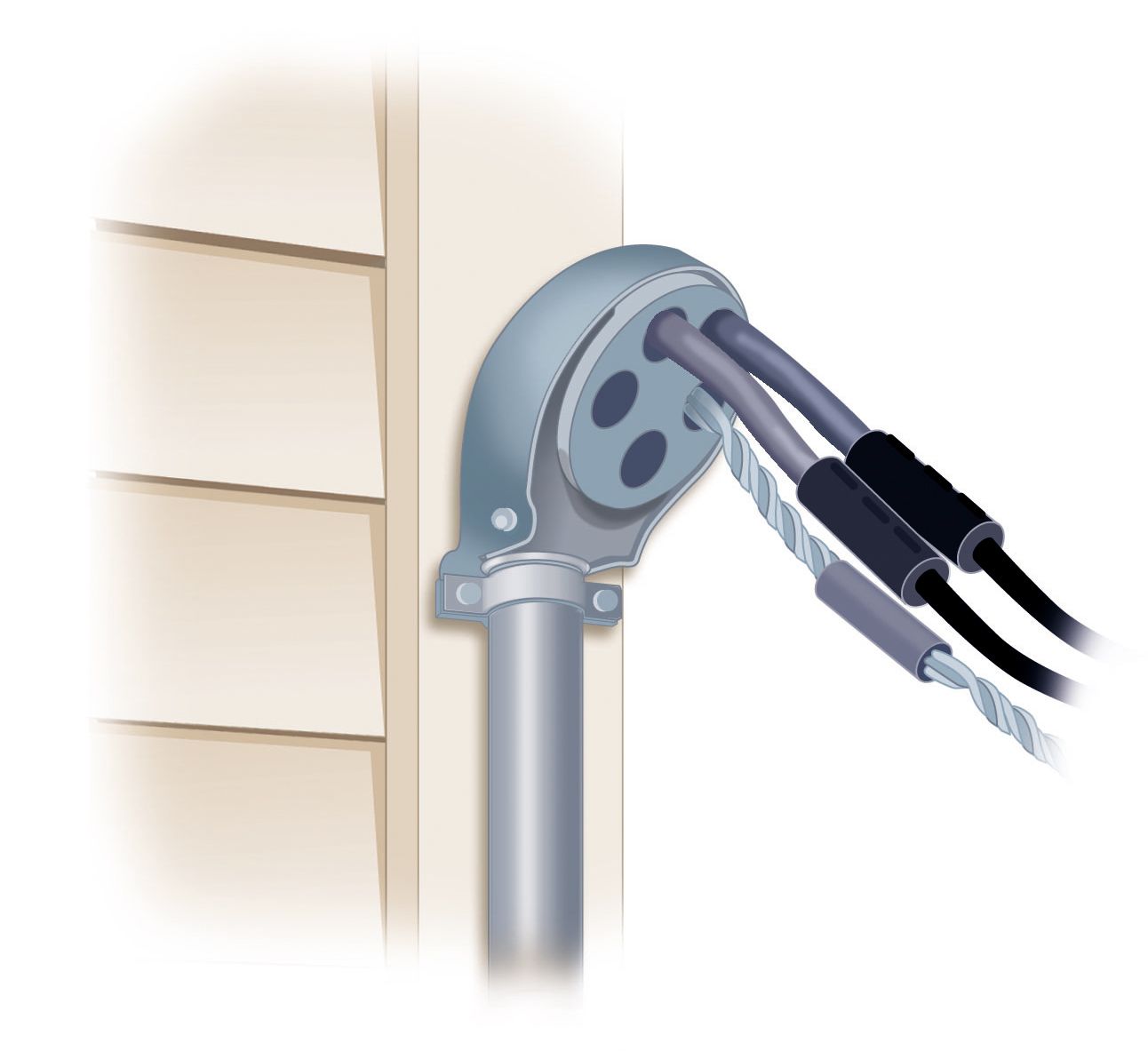
What it means: Frayed wiring in the weatherhead (the outdoor fitting where overhead cables from the power line come into the house) is causing a short whenever the cables move.
Code violation? No.
Danger level: High. Aside from the annoyance, the frayed wiring can arc and start a fire.
Solution: Contact the electric utility, which may replace the weatherhead at no charge.
4. Too Few Outlets
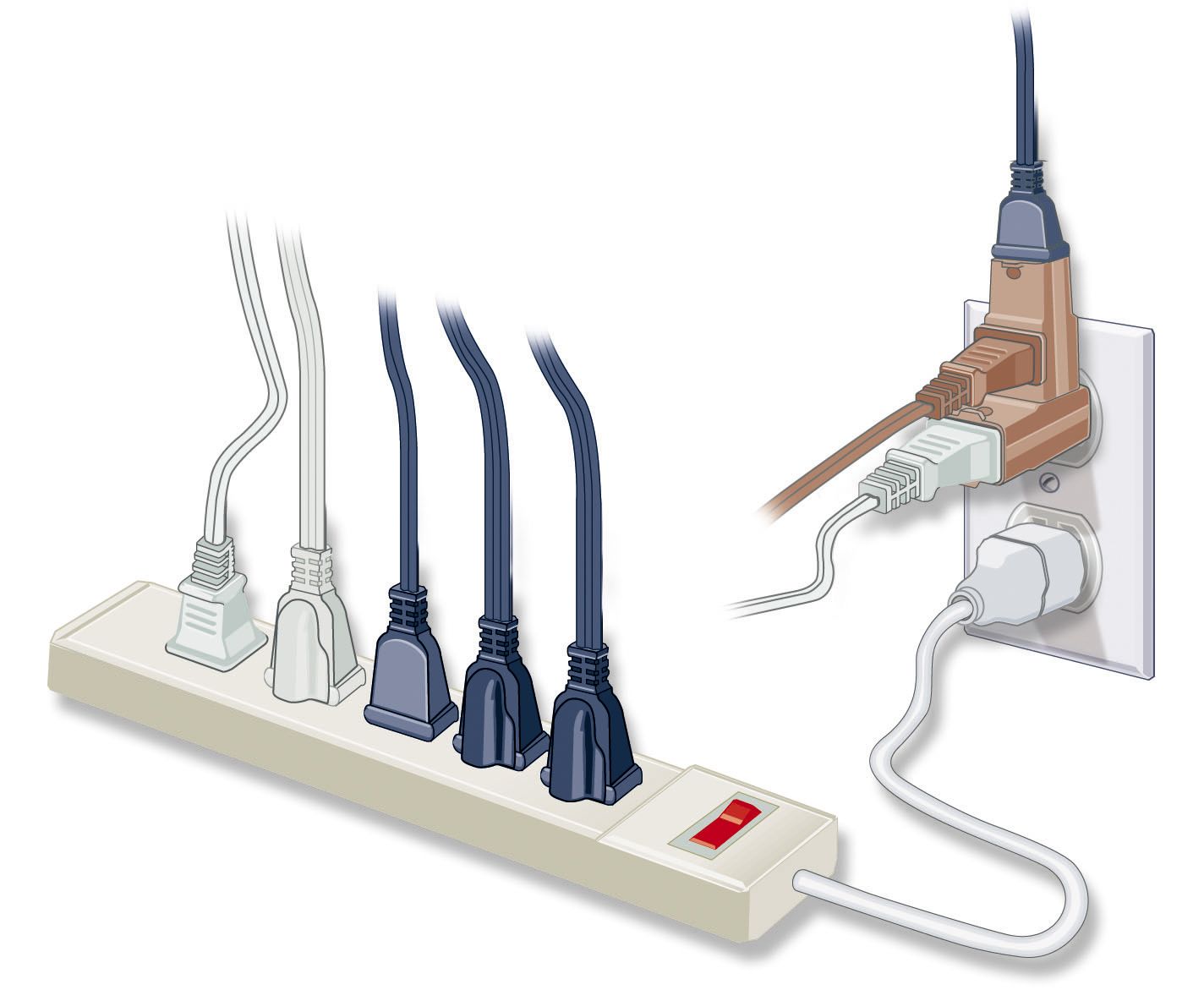
What it means: Heavy reliance on extension cords and power strips.
Code violation? No; grandfathered in. Today’s codes require receptacles within 4 feet of a doorway and every 12 feet after that.
Danger level: Minimal, as long as you use heavy-duty extension cords, 14-gauge or thicker. (The thicker the wire, the lower the gauge number.) Undersized extension cords (16-gauge or smaller) can overheat and ignite a fire if loads are too heavy.
Solution: Add more outlets. You’ll pay more for second-floor installations than first-floor outlets This work requires cutting holes in walls and ceilings to snake the wires. Some electricians will patch the holes; others leave the patching to you.
5. No GFCIs
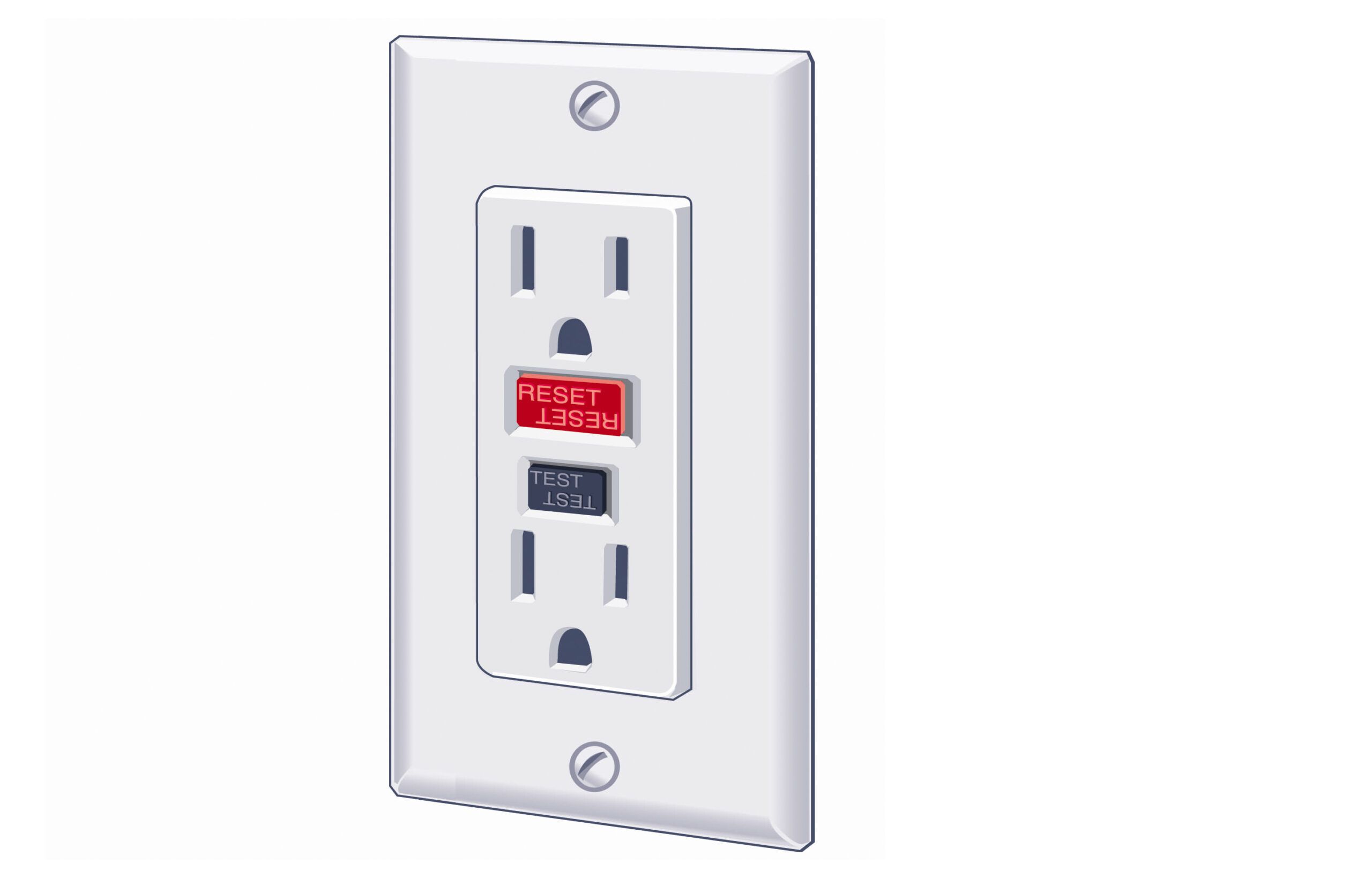
What it means: There is an increased risk of electrocution in wet areas, such as baths and kitchens. GFCIs (ground-fault circuit interrupters) shut down circuits in 4 milliseconds before a current can cause a deadly shock.
Code violation? No; grandfathered in. (Codes today require GFCIs in the kitchen, garage, basement, and outdoor outlets.)
Danger level: High.
Solution: Replace old receptacles with GFCIs. This is a simple job that many homeowners do themselves or hire an electrician to handle the work. As an alternative, GFCI breakers can be installed on the main electrical panel. But then every time one trips, you have to go down to the basement to reset it.
6. Overwired Panel
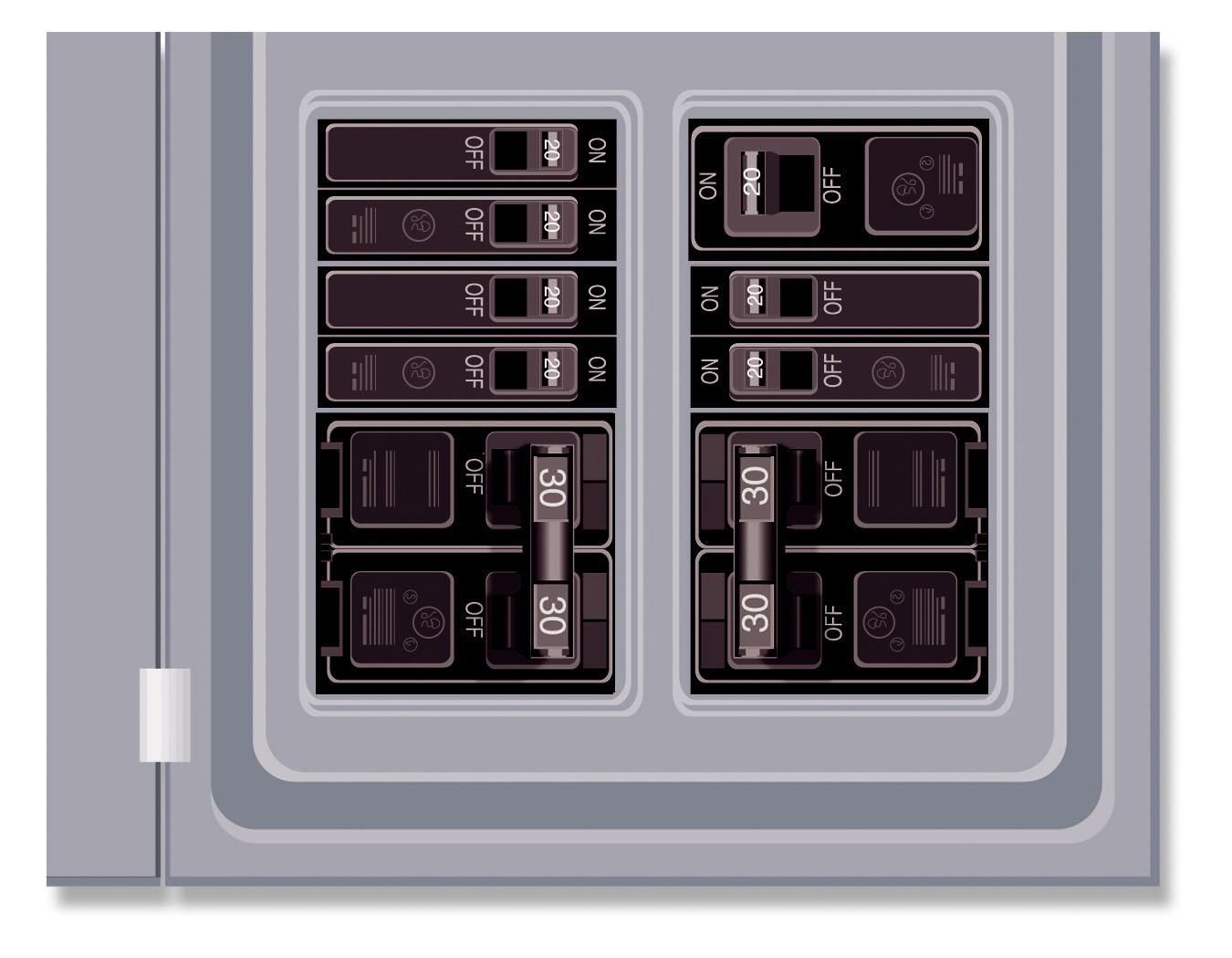
What it means: The panel contains more circuits than it’s rated to handle because too many single-pole breakers (one circuit) have been replaced with tandem breakers (two circuits) in one slot. (Tandem breakers aren’t the same as high-amp double-pole breakers, which take up two slots with one circuit.) A label on each panel specifies how many circuits the panel can accommodate.
Code violation? Yes.
Danger level: Minimal. It may become an issue when the house is being sold and an inspector looks inside the panel.
Solution: Add a subpanel with a few extra slots, or, if you’re planning major home improvements, replace the existing panel with a larger model.
7. Aluminum Wiring
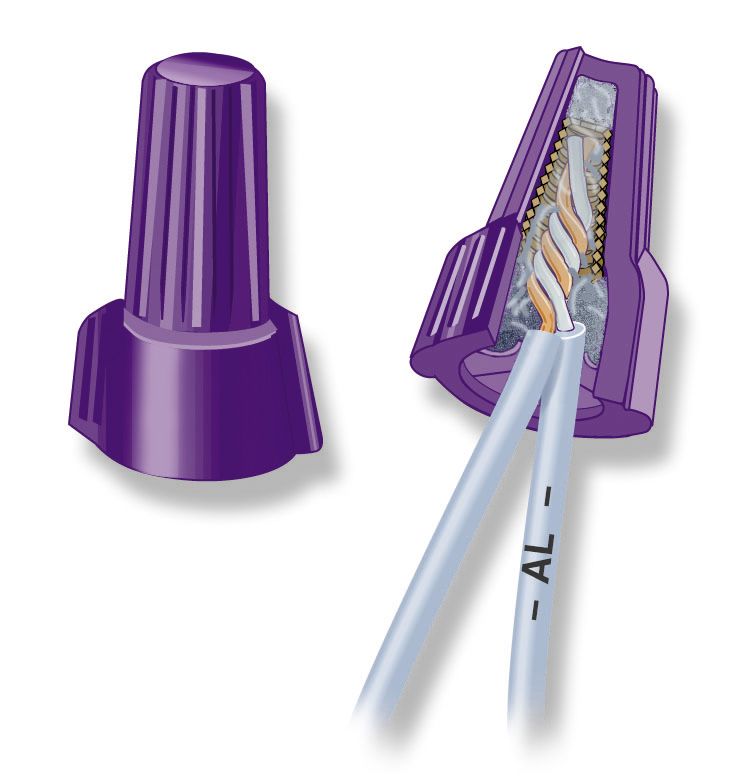
What it means: You have a type of wiring, used in the 1960s and ’70s as a cheap substitute for copper, that is no longer considered safe.
Code violation? No; grandfathered in.
Danger level: High. Aluminum corrodes when in contact with copper, so connections loosen, which can lead to arcing and fires.
Solution: Retrofit a dielectric wire nut approved for aluminum wire onto each copper/aluminum connection in light fixtures. These nuts have a special grease that stops corrosion while maintaining conductivity. Make sure any replacement switches and receptacles are labeled AL-compatible.
8. Backstabbed Wires
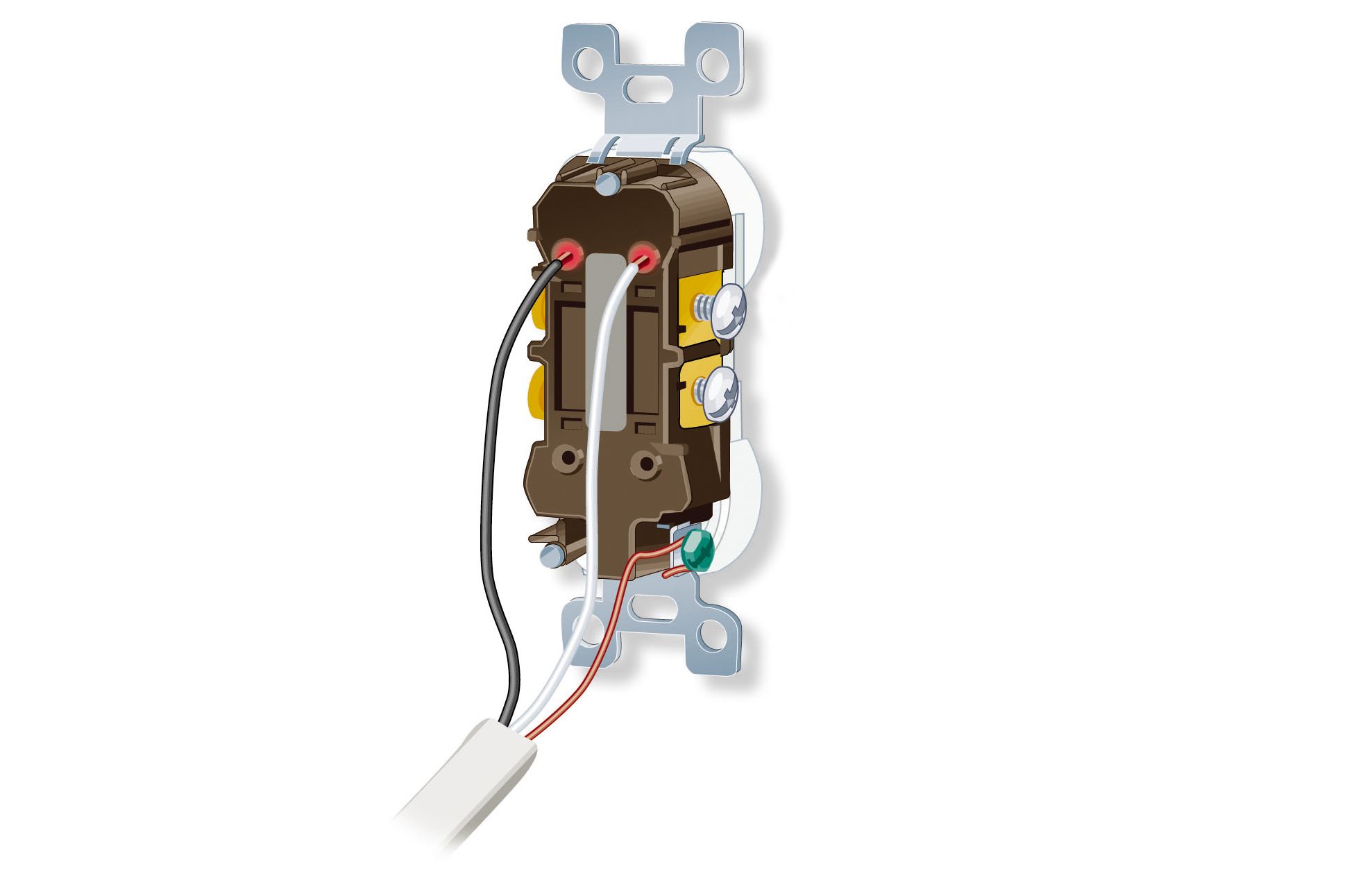
What it means: On newer switches and receptacles, wires pushed in the back are more likely to come loose than those anchored around screw terminals.
Code violation? No. The practice is allowed, even for new construction.
Danger level: It depends. At a minimum, loose wires can cause a receptacle or switch to stop working. In the worst case, they can start a fire.
Solution: Check for backstabbed connections by removing a switch or receptacle from its outlet box. If one is backstabbed, there are likely to be more. Release the wires and attach them to the appropriate screw terminals on the receptacle.
9. Ungrounded (2-prong) Receptacles
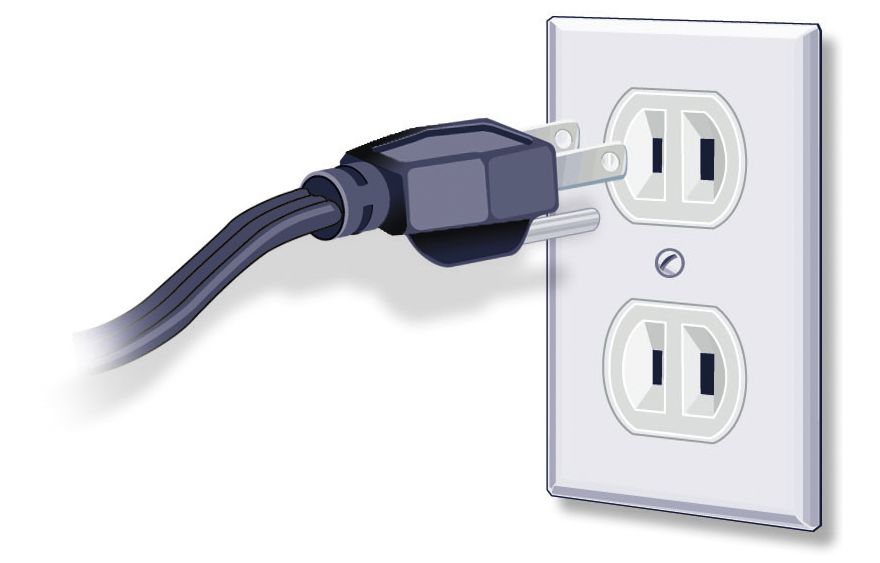
What it means: Your house’s wiring has no way to safely conduct any stray current that escapes the confines of the wires.
Code violation? No; grandfathered in. Today’s code requires grounded circuits and receptacles.
Danger level: Minimal, as long as you don’t use an adapter to fit a three-prong plug into a two-prong receptacle. Doing so could destroy the device you’re plugging in and increase the chance of electrocution.
Solution: If wiring allows, replace two-prong receptacles with properly grounded three-prong ones. Test all existing three-prong receptacles with a GFCI circuit tester to make sure they’re grounded. Rewire any that aren’t.
10. Plug Falls Out of Receptacle
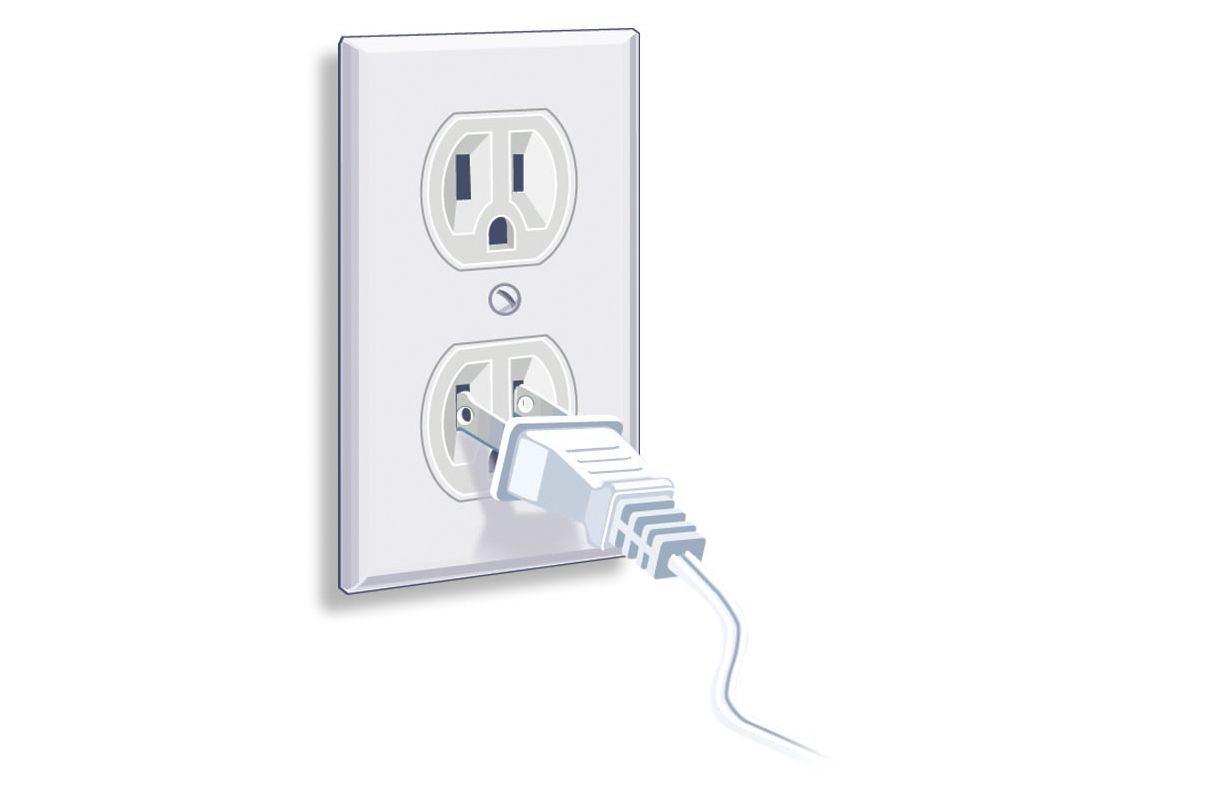
What it means: Worn contacts in the receptacle no longer grip the prongs firmly.
Code violation? No.
Danger level: High. Loose contacts can cause arcing, which can ignite dry wood and dust.
Solution: Replace the old receptacles as soon as possible. Many homeowners feel comfortable doing this themselves. You can hire an electrician for this job, although there’s likely to be a minimum charge for small jobs like this.
Old Electrical Wiring: Is It Safe?
Today’s standard household wiring is a plastic-sheathed, insulated three-wire cable, universally known by the trade name Romex. But the vintage copper wiring in many older houses works just as well as the new stuff, as long as it’s in good condition and hasn’t been altered in a way that violates code. Here are some wiring systems you’ll find in older homes.
Knob and Tube
The earliest residential wiring system has a cloth-covered hot wire and a neutral wire, which run parallel about a foot apart. Ceramic knobs anchor the wires to the house framing; ceramic tubes are used where wires cross or penetrate framing.
Caveats: Knob and tube wiring cannot be grounded or spliced into a grounded circuit. Its soldered connections may melt if too much current flows through them. Rewire or disconnect any circuits covered with building insulation; it causes this wiring to overheat.
Armored Cable (Bx)
This is the successor to knob and tube. A flexible steel sheath covers hot and neutral wires, which are insulated with cloth-covered rubber. The sheath provides a ground, so grounded receptacles are easy to retrofit.
Caveats: Sheath must be anchored securely to a metal outlet box. Check condition of insulation every five years or so; it degrades over time, as shown above, or if too much current is allowed to flow through the circuit.
Two-Wire Plastic-Sheathed Cable
An early PVC-insulated (Romex) wire.
Caveats: Plastic is easily damaged. Grounded receptacles cannot be retrofitted to this wire.
Signs of Faulty Electrical Wiring
The signs of faulty electrical wiring can manifest in various ways, alerting homeowners to potential issues before they escalate into more serious problems.
Visual Indicators
Visual cues are often the most obvious signs of electrical wiring problems. If you notice any of these signs, it’s important to address them promptly to prevent further damage or potential hazards. Keep an eye out for:
- Discolored or scorched outlets and switches
- Frequently tripping circuit breakers or blown fuses
- Loose outlet plates or plugs that don’t stay in place
- Visible frayed or exposed wires
Auditory Warnings
Your ears can also alert you to electrical issues. These sounds often indicate loose connections or arcing, which can lead to electrical fires if left unchecked. Listen for:
- Buzzing or humming sounds coming from outlets or switches
- Crackling noises within walls
- Popping sounds when plugging in or unplugging devices
Unusual Smells
Any unusual odors associated with your electrical system warrant immediate attention from a qualified electrician, as they could indicate overheating wires or other serious issues. Be alert for burning odors, especially near outlets or appliances. In addition, a persistent ozone or fishy smell can also indicate a serious issue.
DIY Electrical Troubleshooting
While many electrical issues require professional attention, homeowners can safely perform some basic troubleshooting. However, safety should always be the top priority when dealing with electricity.
Safety Precautions
Before attempting any electrical work:
- Never work on wet surfaces or with wet hands
- Turn off power to the circuit at the main breaker panel
- Use a non-contact voltage tester to confirm the power is off
- Wear insulated gloves and use tools with insulated handles
Basic Diagnostic Tools
Several tools can help homeowners diagnose common electrical issues:
- Circuit tester: Checks if an outlet is properly wired
- GFCI tester: Verifies that GFCI outlets are functioning correctly
- Multimeter: Measures voltage, current, and resistance
When To Call a Professional
While DIY troubleshooting can be helpful, many electrical issues require professional expertise. Electrical work can be dangerous if not done correctly. When in doubt, it’s always safer to consult a licensed electrician.
Call an electrician when faced with the following scenarios:
- You’re uncomfortable working with electricity
- The problem persists after basic troubleshooting
- You encounter any signs of major wiring issues or fire hazards
- Your home has aluminum wiring or knob-and-tube wiring
- You need to add new circuits or upgrade your electrical panel
Regular professional inspections can catch potential issues before they become serious problems and ensure your home’s wiring meets current safety standards.
What To Expect
During a professional electrical inspection, an electrician will typically:
- Check for proper grounding throughout the system
- Examine your main service panel and circuit breakers
- Inspect visible wiring for signs of wear or damage
- Look for any code violations or outdated wiring methods
- Test outlets and switches for proper function
Frequency of Inspections
For most homes, electrical inspections should be conducted every 3-5 years for homes less than 40 years old. If your home is older, an electrical inspection every 1-2 years is warranted.
The electrical system should also be inspected before purchasing a home and after any major renovation or addition.
More frequent inspections may be necessary for homes with a history of electrical issues.
Energy Efficiency and Wiring
Upgrading your wiring can lead to more efficient energy use and potentially lower electricity bills. For example, replacing old aluminum wiring with copper can improve conductivity and reduce energy loss.
Impact of Old Wiring on Energy Bills
Outdated or deteriorating wiring can lead to increased energy consumption in several ways:
- Loose connections can create heat, wasting energy
- Outdated wiring may not support energy-efficient appliances effectively
- Resistance in old wires can cause voltage drops, making appliances work harder
Smart Home Integration Challenges
As smart home technology becomes more prevalent, older electrical systems may struggle to support these devices. Issues can include:
- Interference from old wiring affecting Wi-Fi and other wireless signals
- Insufficient power for smart home hubs and devices
- Lack of neutral wires in switch boxes, necessary for many smart switches
Smart home integration could include adding dedicated circuits for smart home equipment or ensuring all switch boxes have neutral wires.
