We may be compensated if you purchase through links on our website. Our team is committed to delivering honest, objective, and independent reviews on home products and services.
Project details
Skill
Cost
Estimated Time
Staining and finishing wood furniture can breathe new life into a piece, whether it’s brand new or a cherished antique. This process enhances the natural beauty of the wood while providing protection against wear and tear. In this guide, we walk you through the steps to achieve a professional-looking finish on your wood furniture. In the video, wood finishing expert Bruce Johnson demonstrates key techniques for both new and old furniture pieces.
*Unless otherwise noted, costs in this article reflect an average of prices that our team found from hardware stores like Lowes and Home Depot, and on Amazon.com.
Finishing New Wood Furniture
First, we’ll walk through the processes required to finish new furniture.
Preparing the Wood Surface
Proper preparation of the wood surface is necessary before applying any stain or finish. Proper preparation ensures the best possible outcome for your project and creates a stable foundation for further treatment.
Sand the Wood
Sanding is the first step in preparing your wood furniture for staining and finishing. Here’s how to do it effectively:
- Use 150-grit sandpaper for light sanding
- Sand in the direction of the wood grain
- Focus on removing nicks and scratches and smoothing the surface
- Be cautious with potentially veneered surfaces to avoid sanding through the thin layer
Sanding helps open up the wood’s pores, making it more receptive to treatments. Remember, taking the time to sand thoroughly sets the foundation for the entire staining and finishing process.
Clean the Surface
After sanding, it’s essential to remove all dust and debris from the wood surface:
- Use a tack cloth to wipe down the entire piece
- Ensure all sanding dust is removed, as it can interfere with the finish
- For older furniture, clean with a soft cloth dampened with a commercial wood cleaner
This cleaning step prevents unsightly blemishes or rough textures in the final finish. A well-cleaned surface provides a smooth canvas for applying the conditioner and stain.
Applying Wood Conditioner
Wood conditioner is a vital step, especially for softwoods or woods that tend to absorb stain unevenly. This step is vital for ensuring a consistent and polished appearance.
Benefits of Wood Conditioner
Applying wood conditioner before staining offers several advantages. Wood conditioner ensures even absorption of the stain and prevents blotchiness in the final finish. In general, it enhances the overall appearance of the stained wood.
Using a wood conditioner is especially useful for porous woods, significantly improving the final result. It prevents the stain from soaking more deeply in some areas than others, leading to patchy finishes.
Application Process
To apply wood conditioner effectively:
- Brush on a thin, even coat of wood conditioner.
- Allow it to penetrate the wood for about 15 minutes.
- Wipe off any excess conditioner with a clean cloth.
- Let the conditioner dry completely before moving on to staining.
After applying, wait for the conditioner to dry thoroughly before proceeding. This ensures it has interacted properly with the wood, setting the stage for staining.
Staining the Wood
Staining enhances the natural beauty of the wood and can dramatically change the appearance of your furniture. Through staining, you can create depth and warmth that highlights the wood grain.
Choosing the Right Stain
When selecting a stain, consider the following:
- Oil-based penetrating stains work well for most projects
- Choose a color that complements your decor and enhances the wood grain
- Test the stain on an inconspicuous area before applying it to the entire piece
Choosing the right stain involves evaluating different tones to match your furniture’s existing decor. Testing the stain on a small portion of the surface ensures it will achieve your desired result without compromising the entire piece.
Staining Technique
To achieve the best results when staining:
- Stir the stain thoroughly before use.
- Put on rubber gloves to protect your hands.
- Apply the stain using a clean cloth, working in circular motions.
- Wipe off excess stain with a clean cloth after five to 10 minutes for a darker color, or immediately for a lighter shade.
- Allow the stain to dry for six to eight hours before applying a finish.
Proper stain application involves working methodically to avoid streaks and uneven coloration. The right drying time allows the stain to fully penetrate the wood, achieving an even hue.
Applying the Wood Finish
The final step is applying a protective finish to your stained wood furniture. A protective finish can make or break its longevity and appearance.
Choosing a Finish
Polyurethane is a popular choice for finishing wood furniture because:
- It provides excellent durability
- It resists heat, water, and alcohol
- It’s easy to apply and dries relatively quickly
Choosing the right finish involves considering the furniture’s practical use and how it will interact with its environment. Polyurethane’s versatility makes it a safe, reliable choice for many home projects.
Application Process
To apply polyurethane effectively:
- Ensure the stain is completely dry.
- Brush on a thin, even coat of polyurethane.
- Use long, light brush strokes to remove bubbles and prevent lap marks.
- Allow the first coat to dry completely.
- Lightly sand with fine-grit sandpaper between coats if desired.
- Apply additional coats as needed, following the manufacturer’s instructions.
Proper application ensures a smooth, resilient finish, protecting the wood and keeping the surface visually appealing.
Refinishing Old Furniture
Breathing new life into old furniture requires a slightly different approach than finishing new pieces. Refinishing allows you to preserve sentimental value while modernizing the look.
Assess the Current Finish
Before refinishing, evaluate the existing finish. Clean the surface with a commercial wood cleaner to remove dirt and grime, then determine if the current finish needs to be removed or can be worked with. Proper assessment helps understand the underlying condition and decide the necessary steps to achieve the desired result.
Remove Old Finishes
If the old finish is in poor condition:
- Use an antique furniture refinisher, which is a blend of solvents.
- Apply the refinisher with steel wool, working in small sections.
- Wipe away the dissolved finish with a clean, soft cloth.
- Repeat the process as necessary to remove all of the old finish.
Removing old finishes requires patience and care to avoid damaging the wood beneath. The goal is to strip away layers without compromising the piece’s integrity.
Protect the Refinished Surface
Once the old finish is removed:
- Allow the wood to dry completely.
- Apply a coat of stain if desired, following the steps outlined earlier.
- Protect the newly refinished surface with a coat of polyurethane or other suitable finish.
Careful protection ensures that the refinished piece maintains its beauty and durability. The additional stain and finish steps mirror those used in new furniture, creating a cohesive look.
Our Conclusion
Staining and finishing wood furniture is a rewarding process that can transform both new and old pieces. With the right techniques and materials, you can achieve professional-looking results at home. Whether enhancing the charm of a family heirloom or updating a new purchase, staining and finishing offer satisfying, enduring improvements to your furniture. Remember to take your time, follow each step carefully, and always work in a well-ventilated area for the best outcome.
Tools and Materials
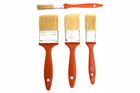
 Paint brushes
- Nitrile gloves