
Make This Old House My Homepage
Window Glazing
Tom Silva installs a tilt-in double-hung sash
Photo: Mark Hooper
Single-pane window
Photo: Mark Hooper
Double-pane insulate glass
Photo: Mark Hooper
Triple-Pane Insulated Glass
Photo: Mark Hooper
Low-E and Heat Mirror Glass
Photo: Mark Hooper
Window-rating criteria chart
Photo: Mark Hooper

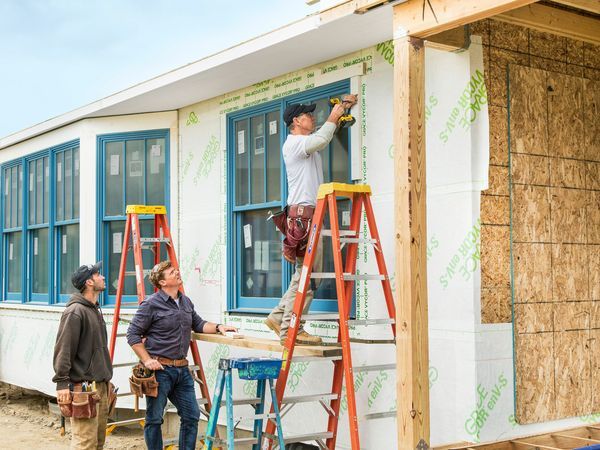
Double-pane insulated glass with low-E coating is a major energy saver. Here, This Old House general contractor Tom Silva installs a tilt-in double-hung sash

Single-Pane Window

Double-Pane Insulated Glass

Triple-Pane Insulated Glass

Low-E and Heat Mirror Glass

Browse Doors & Windows Galleries:

How-To Video

Browse More

What's New in Windows

This Old House general contractor Tom Silva talks to Andersen Windows about decorative options for new, energy efficient windows

Advertisement

On Newsstands Now

In the Magazine
April 2010: Easy Spring Makeovers
Bedroom with Beautiful Rafter Ceilings Woman at Sink in Kitchen Retro Vintage Stove
Advertisement

Window glass, called glazing, has come a long way since the days when windows had only a single pane between you and the elements. Today's energy-efficient windows come with glazing "systems" that incorporate multiple panes of glass, gas fillings, and high-tech, heat-sensitive coatings. Sorting through the options takes a bit of effort, but it more than pays off in increased comfort and reduced energy costs.

Single-Pane
Windows with just one layer of glass suck energy dollars from a house and offer little protection against heat or cold. That explains why few new single-panes are sold today. If you opt for single-pane windows because of their traditional look, choose ones in well-made wood frames, and combine them with snug-fitting storm panels to boost their energy efficiency.

Double-Pane Insulated Glass
Most new windows sold today are dual-pane glass (sometimes called insulated glass or by the formerly trademarked name Thermopane), in which a layer of inert gas — typically argon or krypton — is sealed between inner and outer panes. The gas is a poor thermal conductor, so it slows the passage of heat through the glass, eliminating the need for storm windows.

Triple-Pane Insulated Glass
More efficient still are triple-pane windows, which seal two layers of gas within the frame. Triple-panes are excellent performers in extreme northern climates (and good sound- reducers for houses near highways), but the extra pane of glass makes for a very thick, heavy, and expensive sash.

Low-E and Heat Mirror Glass
Adding panes and gas-filled spacers is one way to get a more efficient window. Another way is with low-emissivity (low-E) coating, an invisible layer of metallic oxide that reduces the amount of heat that passes through the glass. Virtually all new windows sold today offer this feature.

Depending on the climate, low-E coatings can be tailored to let the sun's energy in or to block it out. In cold regions, where heating costs dominate, homeowners can choose coatings that maximize the amount of heat transmitted from the outside, called solar heat gain; in hot regions, low-solar-gain coatings can keep cooling costs down.

While low-E coatings add 10 to 15 percent to the cost of a window, research has shown that they cut energy expenditures by about 25 percent over plain insulated glass. That means that depending on the type of fuel used in a home, low-E windows can pay for themselves in 5 to 10 years. It's possible to buy dual-pane glass without a low-E coating, but Tom Silva doesn't recommend it. "The extra cost is minimal, and it's really beneficial in the long run," he says, pointing out that because low-E coatings also filter ultraviolet radiation, they protect furniture, rugs, and artwork from fading.

Another high-tech glazing system, called Heat Mirror, can match or even exceed the energy efficiency of triple-pane windows — without the extra weight. It's made by suspending a sheet of low-E film between panes of insulated glass. Superglass, the most expensive glazing system on the market and one of the best insulators, suspends two layers of Heat Mirror between panes of glass with gas-filled spacers.

Page:  123 Next
Article: Windows: Getting Your Money's Worth
Sign Up for Our Free Newsletters

Add new comment

The rules: Keep it clean, and stay on the subject or we might delete your comment. If you see inappropriate language, e-mail us.

1000 characters remaining