
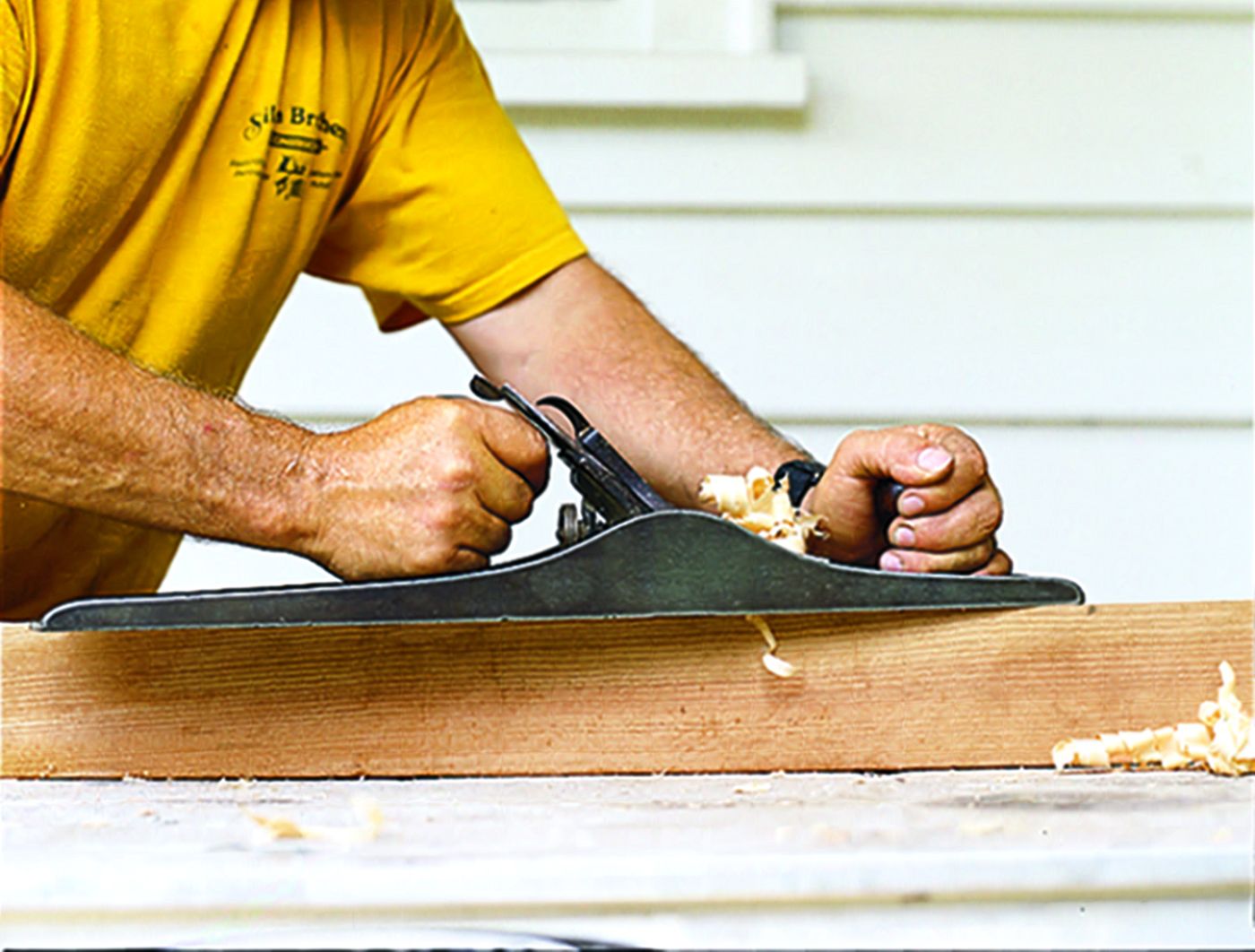
Hand planes are woodworking tools designed to shape and smooth wooden surfaces. While power tools have become more common, hand planes are still a great tool for precision and control. We explore the various types of hand planes available, their uses, and how to choose the right one.
Hand Planes’ Role in Woodworking
Hand planes work to smooth rough surfaces, straighten edges, and create fine, detailed adjustments that power tools sometimes can’t match. The main advantage of a hand plane is its ability to pare off a thin slice of wood with precision, making it perfect for shaving the edge of a sticking door, chamfering the corner of a board, or straightening out wood that is twisted or warped.
While power tools have taken over many woodworking tasks, hand planes offer more control. They’re useful for working with delicate or valuable woods where the risk of tear-out or over-removal of materials needs to be minimized.
Types of Hand Planes and Their Uses
Hand planes come in various sizes and styles, each designed for specific woodworking tasks. Understanding the different types and their purposes will help you choose the right tool for your project.
Bench Planes
Bench planes are a common hand plane tool, ranging in length from 9 to at least 22 inches. The longer the plane, the better it will straighten an edge as the extended body dips and rises on the board’s surface.
- Jointer plane: At 22 inches or longer, the jointer is the largest bench plane. It’s the best choice for trimming, squaring, and straightening the edges of doors or longboards.
- Jack plane: Before power planers, a jack plane was used to smooth and square rough lumber. At 12–17 inches, it’s more versatile than the larger jointer plane and is great for truing longboards and removing warp or twists.
- Smooth plane: Designed to flatten and smooth the face of a board, this 9- to 10-inch-long plane is ideal for leveling off high spots and general planing. It’s considered the best all-around bench plane if you can have only one.
Block Planes
Block planes are smaller, more portable options that are perfect for detail work and quick adjustments.
- Standard block plane: This pocket-sized plane has a blade pitched at 20 degrees, making it most efficient for trimming smaller areas.
- Low-angle block plane: With a 12-degree pitch, the low-angle block plane is ideal for severing end grain. It’s comfortable to use with one hand, making it perfect for fitting shingles, quickly shaving down the corners of sticking doors, and fine-tuning cuts on trim.
Specialty Planes
There are also many specialty planes designed for specific tasks:
- Rabbet plane: Used for cutting rabbets (rectangular grooves) along the edge of a board.
- Router plane: Ideal for cleaning up dadoes (a slot or trench cut into the surface of wood) and other grooves.
- Shoulder plane: Perfect for trimming tenons (joints that connect two pieces of wood) and cleaning up joints.
Key Features To Look for in a Quality Hand Plane
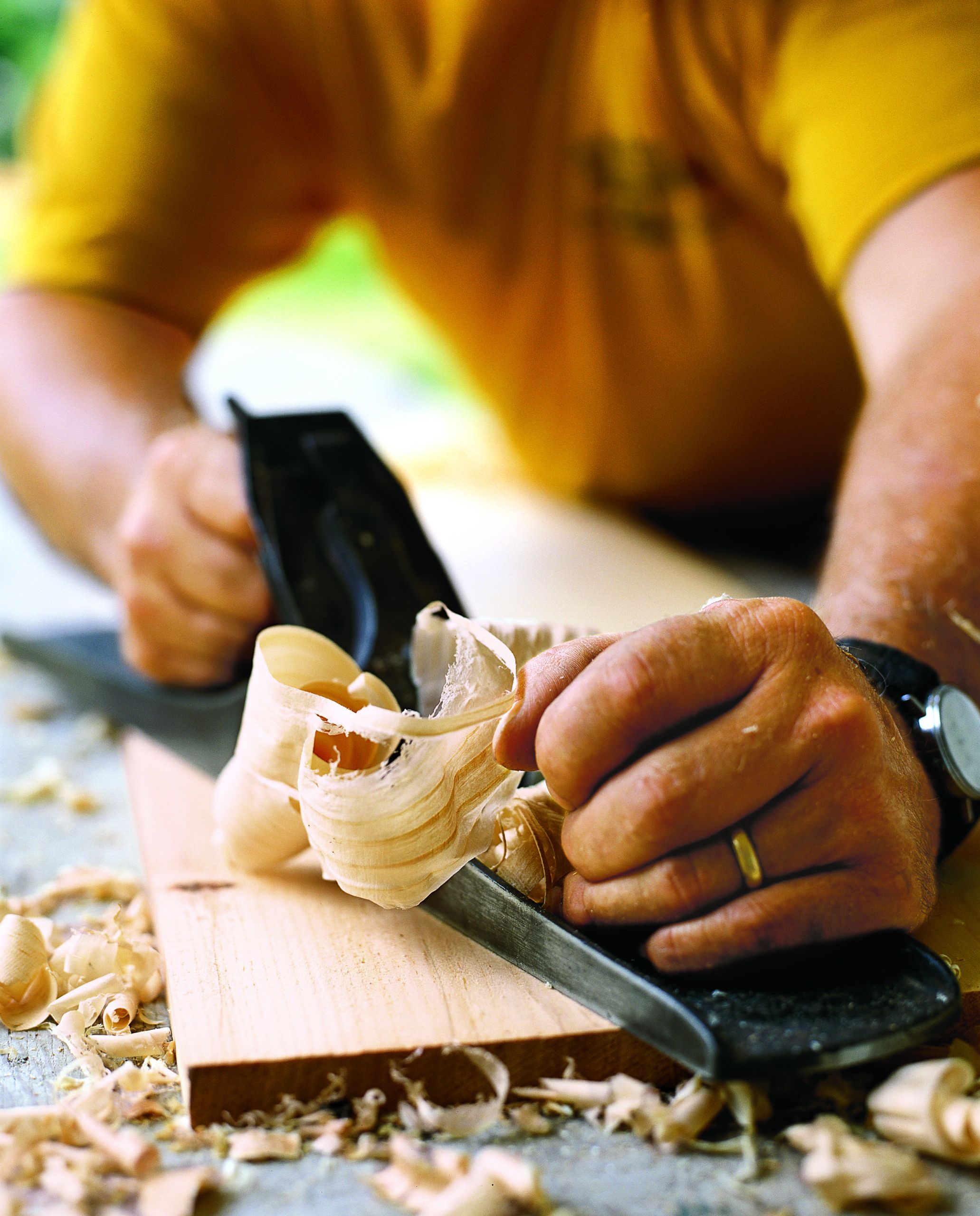
Knowing what to look for in a good hand plane will help you choose a tool that meets your needs and lasts for years. The below features affect a hand plane’s performance and durability.
Blade Material and Thickness
The blade, or iron, is the most important part of the plane. Look for high-carbon steel or tool steel blades, which hold an edge well and are easy to sharpen. Thicker blades (3/32 inch or more) are less prone to chatter and provide smoother cuts.
Adjustability Mechanisms
Quality planes have precise adjustment mechanisms for both depth of cut and lateral alignment. Look for planes with smooth, accurate adjusters that allow for fine-tuning of the blade position. Adjustability mechanisms found on some hand planes also make these more adjustable and tailored to your specific project.
Sole Flatness and Material
The plane’s sole should be perfectly flat to ensure smooth, even cuts. Cast iron is a common material for plane bodies, offering good stability and wear resistance. Some premium planes have bronze bodies, which are heavier in weight but more rust-resistant.
Essential Hand Planing Techniques
Mastering hand planing techniques is the first step to getting great results. Here are some fundamental approaches to improve your woodworking skills when using hand planes.
Preparing the Workpiece
Before planing, be sure your workpiece is secured firmly. We suggest using bench dogs, a vise, or clamps to prevent movement. Check the grain direction of the wood and plan to work with the grain to avoid any tear-out.
Proper Grip and Stance
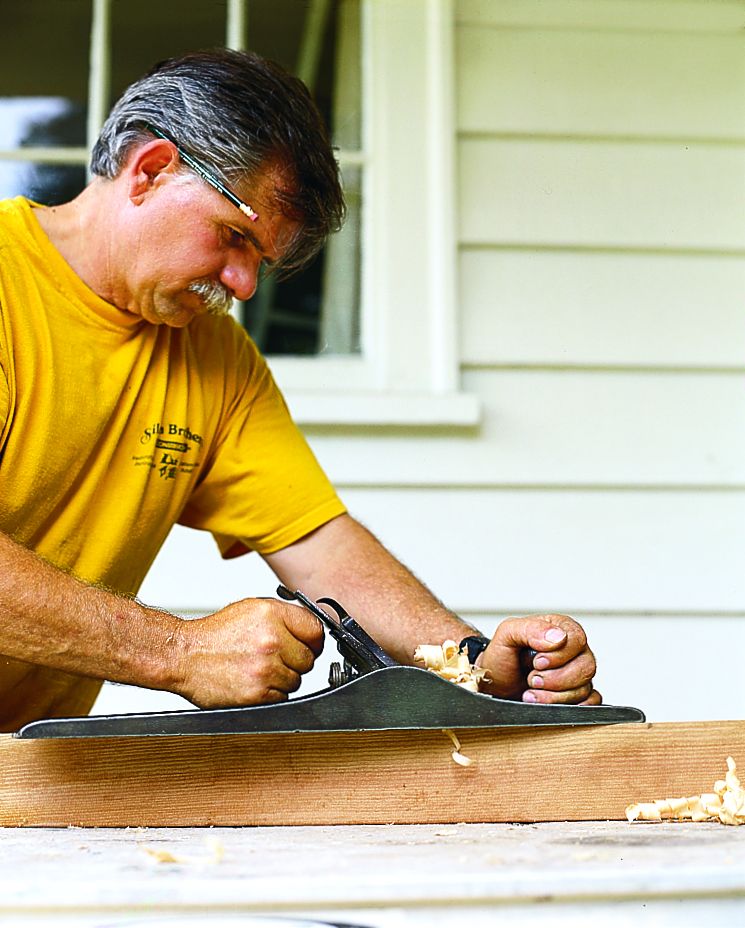
Hold the plane with your dominant hand on the rear handle and your other hand on the front knob. Stand slightly to the side of the plane’s path, with your feet shoulder-width apart for stability. This stance allows for a smooth, full-body motion as you push the hand plane forward.
Planing With the Grain
Planing with the grain: With the working edge facing up, examine the side of the board to see which way the grain rises and plane in that direction. If the grain tears out, try planing in the opposite direction or skewing the plane diagonally as you push. Apply even pressure throughout the stroke, lifting the plane slightly on the return stroke to avoid dulling the blade.
Maintaining Your Hand Plane
Proper maintenance and care will keep your hand plane performing well for years. Here are some tips.
Sharpening the Blade
A sharp blade provides clean cuts and smooth operation. Sharpen your plane iron regularly using a combination of sharpening stones or sandpaper. Maintain a consistent angle (typically 25-30 degrees) and work through progressively finer grits until you get a razor-sharp edge.
Adjusting the Plane
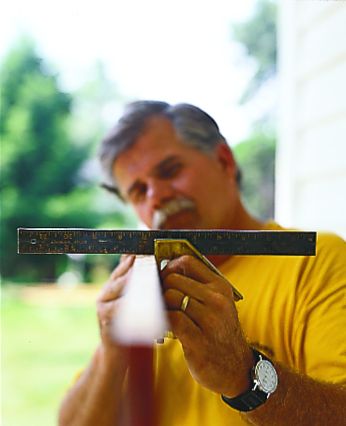
When planing a long edge, apply even pressure with both hands, pushing down on the front knob and forward with the rear handle. To make the cut easier, skew the plane so that diagonally opposite corners of the bottom or sole are aligned on the same edge. Periodically check the edge with a square, adjusting the blade laterally if you’re off.
Proper adjustment is key to achieving the desired results. Set the cutting depth by turning the depth adjustment wheel until the blade protrudes slightly below the sole. Use the lateral adjustment lever to make the cutting edge parallel to the mouth. For block planes, adjust the mouth opening to suit your task – narrower for fine finishing, wider for faster material removal.
Cleaning and Storage
After use, clean your plane to remove wood dust and resin. Wipe down metal parts with a light oil to prevent rust. Store your planes on their sides to protect the blade edge, and keep them dry to prevent corrosion.
Hand Plane Alternatives for Different Materials
Hand planes are primarily designed for wood, but there are alternatives designed to work with other materials. These tools you to apply planing techniques to a broader range of materials without damaging your fine woodworking hand planes.
- Replaceable-blade plane: Ideal for engineered wood products, plywood, and materials that might damage a traditional plane iron.
- Surface-forming plane: With a blade resembling a cheese grater, this tool is suitable for shaping drywall, PVC, or plastic laminates.
Choosing a Hand Plane Within Your Budget
Hand planes vary significantly in price, from affordable options for beginners to premium models for more experienced woodworkers.
Budget-Friendly Options
If you’re just starting out or on a tight budget, consider more affordable brands offering decent quality. Budget-friendly planes can often be found at home improvement stores for around $15, making them accessible for those new to woodworking.
Midrange Options
For woodworkers looking for a step up in quality without breaking the bank, midrange planes can lead to better craftsmanship. Priced around $30, these planes are a solid investment for serious hobbyists and can handle various tasks with improved precision and durability.
Premium Options
These planes often feature high-quality materials, precision engineering, and superior adjustability. Expect to pay $50 or more, but the investment can be well worth it for the results.
Used and Vintage Planes
Budget-conscious woodworkers might also find good value in used or vintage hand planes. Websites like eBay, estate sales, and auctions can have great deals on high-quality vintage planes. With gentle cleaning, a well-maintained used plane can provide performance comparable to new premium models, often at a fraction of the cost.
Supporting Your Hand Planing with Proper Workbenches and Accessories
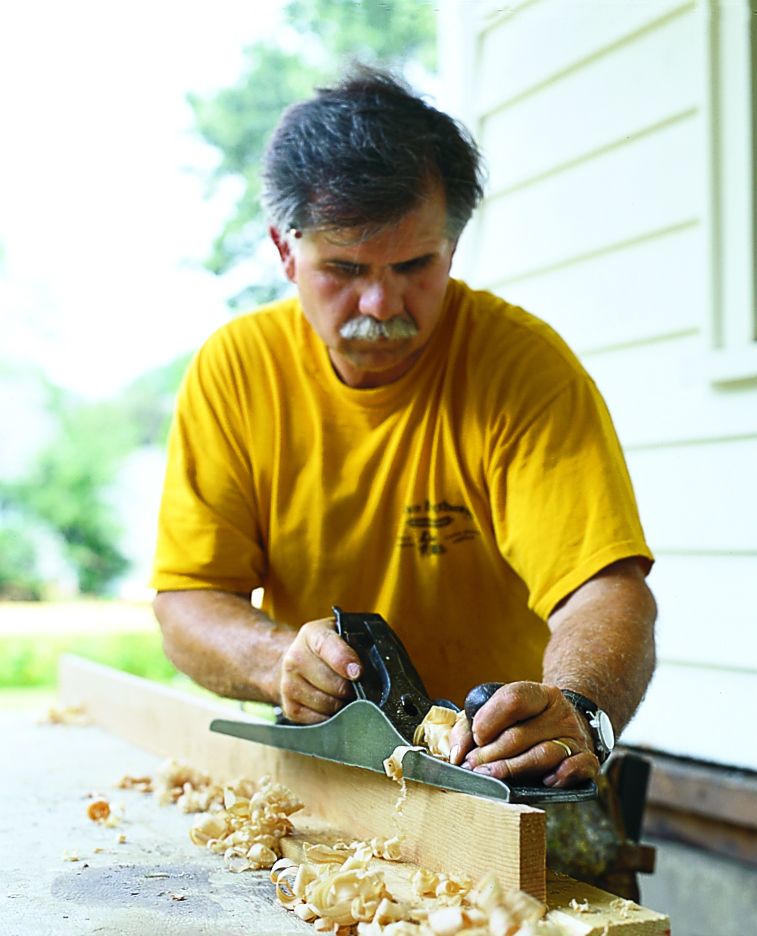
The right workbench and accessories can enhance the effectiveness of your hand planes. A stable workbench with proper clamping mechanisms can improve your ability to plane accurately and efficiently.
Choosing the Right Workbench
A solid, heavy workbench is necessary for hand planing. Look for one that offers good stability and plenty of clamping options. Features to consider include a sturdy base, a thick hardwood top, and built-in vises.
Essential Accessories
Several accessories can complement your hand planing efforts, making the tasks more manageable and precise. Bench dogs, holdfasts, and clamps help keep your workpiece steady. Sharpening guides keep your plane irons working correctly and effectively. A good set of winding sticks helps check for twists in workpieces, checking that your hand planing progress is accurate.
Tool Storage Solutions
Proper storage extends the life of your hand planes and accessories and keeps them ready for use without needing a deeper cleaning. Consider a dedicated tool chest or cabinet with padded drawers to minimize the risk of damage. Wall-mounted tool racks or pegboards in your workshop can also keep your planes easily accessible and organized.
Our Conclusion
Hand planes are essential tools in woodworking. They offer precision, control, and greater attention to detail than power tools. By understanding the different types of planes, their uses, and how to maintain them, you can take your woodworking projects to new levels.
