
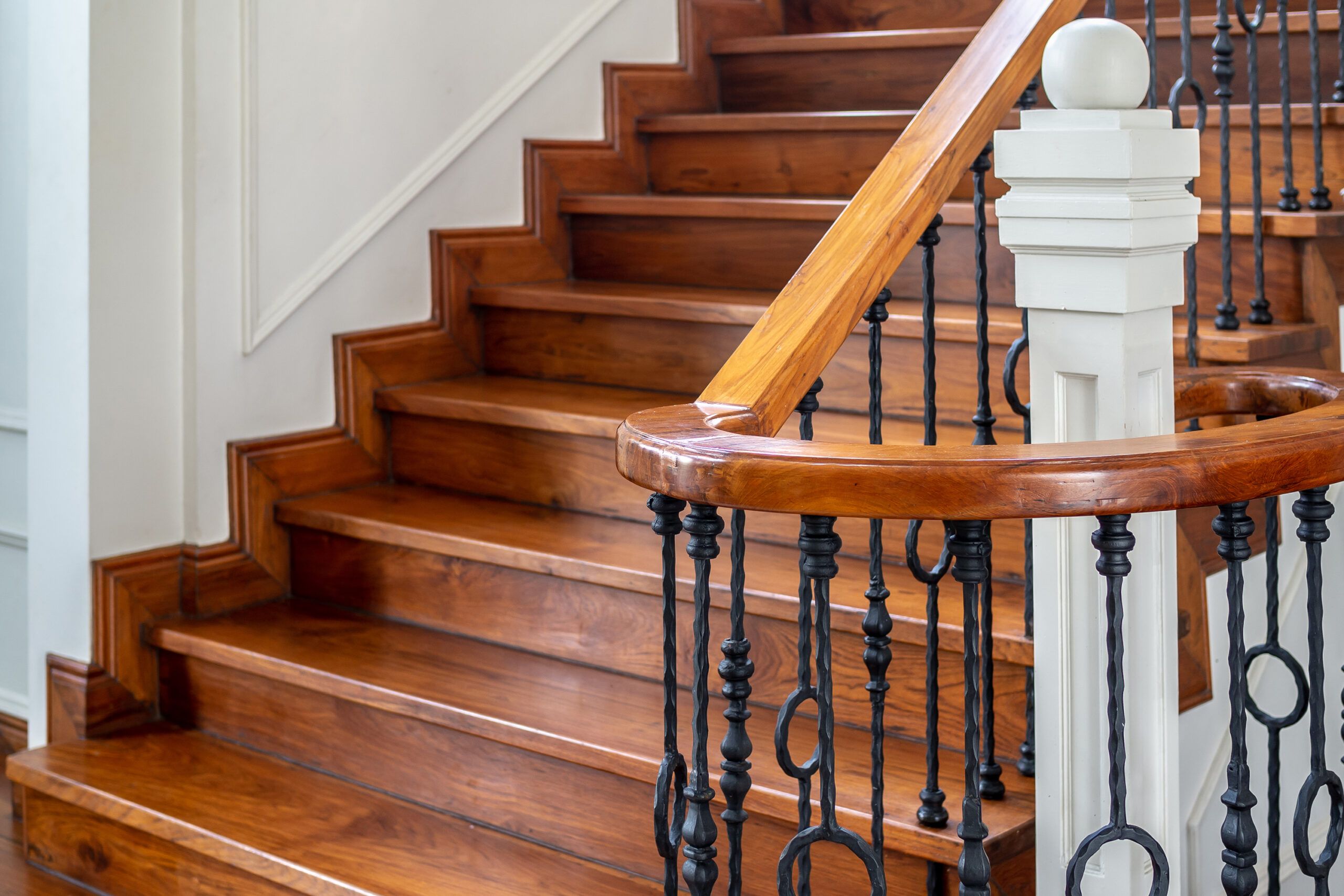
Squeaky stairs can be a constant source of irritation, announcing every trip upstairs or down. While the noise doesn’t necessarily indicate a structural issue, it can be annoying and even frightening in the dark. Fixing squeaky stairs is often a manageable DIY project that can restore peace and quiet to your home. We’ll walk you through the process in our guide.
Understanding the Anatomy of Stairs
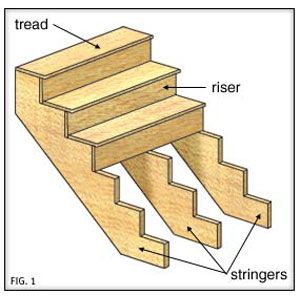
Before diving into repairs, take time to understand the basic components of a staircase so you can pinpoint the source of the squeak and the best fix.
Staircase Components
A typical hardwood staircase consists of several elements:
- Treads: The horizontal surfaces you step on
- Risers: The vertical boards between each step
- Stringers: The saw-tooth pieces that support the stairs from underneath
- Nails and screws: Fasteners that hold everything together
Common Causes of Squeaky Stairs
Stairs tend to develop squeaks for a number of reasons. Over time, simple wear and tear can cause your stairs to get squeaky, the joints in your stairs can loosen due to age, or seasonal changes can cause the wood to expand or contract due to temperature and moisture changes. There’s also the possibility that your stairs weren’t constructed correctly or didn’t have enough glue to hold them together. These issues can cause wooden treads to rub against risers and stringers, creating the characteristic squeaking sound.
Identifying the Squeak Source
To identify where the squeak is coming from, walk slowly up and down the stairs, paying attention to which steps make noise. Apply pressure to different areas of each squeaky step to pinpoint the exact location of the sound, and note whether the squeak occurs at the front, back, or sides of the tread.
Front squeaks may indicate that the tread has come loose from the riser, while back squeaks could mean that the tread has separated from one or more stringers. If the squeaks are coming from the sides of the stairs, there may be problems with side stringers or loose balusters.
Squeaky Stairs in Old vs. New Homes
Your home’s age and construction can influence the causes of stair squeaks and the most effective repair methods.
Older Houses
Older homes could have squeaky stairs because the stairs may have been built without glue, relying solely on nails or screws. Also, the wood may be more prone to expansion and contraction due to years of exposure.
New Construction
Squeaks in newer homes may be caused by settling or the use of lower-quality materials.
Preparing for Squeaky Stair Repair
Preparation includes getting everything you need in one place, taking necessary safety precautions, and removing any carpet covering the stairs.
Tools and Materials
Before you start, gather everything you need to make the process smooth and straightforward. Here’s what we recommend:
- Drill with appropriately sized bits
- 8- or 10-penny finish nails
- Wood screws
- Construction adhesive
- Wood filler or putty
- Hammer
- Screwdriver
- Pry bar (if removing carpet)
Safety Precautions
Fixing squeaky stairs involves handling nails and tools and potentially coming into contact with splinters and dust. Consider the following safety precautions before getting started:
- Safety glasses: Wear safety glasses to protect your eyes from wood dust and debris.
- Work gloves: Use work gloves to prevent splinters and protect your hands.
- Lighting: Ensure the work area is well-lit and free from obstacles.
- Power tools: If you’re using power tools, follow all manufacturer safety guidelines.
Removing Carpet from Stairs
If your stairs are carpeted, take the following steps to prepare the area:
- Carefully remove the carpet and padding, starting from the top of the stairs.
- Use a pry bar to remove any staples or tacks holding the carpet in place.
- Clean the exposed wood surface of any debris or old adhesive.
Fixing Squeaks in the Front of the Stair
Squeaks at the front of the stairs often indicate that the tread has come loose from the riser. Here are two effective methods to address this issue.
Reattaching Tread to Riser
To reattach a loose tread to its riser, follow the steps below:
- Have a helper stand on the stair to compress the tread and riser together.
- Drill two pilot holes at opposite 45-degree angles where the tread meets the riser.
- Drive 8- or 10-penny finish nails through these holes into the riser.
- Countersink the nails slightly below the surface of the tread.
- Fill the holes with wood putty to conceal the repair.
This method creates a clamp-like effect that securely holds the tread in place.
Using Adhesives
For added strength and to prevent future squeaks, use this method:
- Apply a bead of construction adhesive along the joint between the tread and riser.
- Press the tread firmly against the riser.
- Secure with nails or screws as described in the steps above.
- Wipe away any excess adhesive before it dries.
The combination of adhesive and mechanical fasteners provides a long-lasting, squeak-free connection.
Addressing Squeaks in the Back of the Stair
Squeaks coming from the back of the stairs typically indicate issues with the stringers. Fixing these requires a slightly different approach.
Locating Stringers
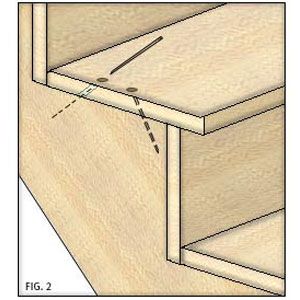
Stairs typically have three stringers: one on each side and at least one in the middle. To find the stringers, look for existing fasteners on the tread surface, which often show stringer locations. You can also examine the underside of the stairs to confirm the stringer position, if possible.
Tightening Loose Stringers
Once you’ve located the stringers on the squeaky stair, follow the steps below to tighten them:
- Have a helper stand on the stair, placing one foot on either side of the stringer to compress it.
- Drill two pilot holes at opposite 45-degree angles into the tread above the stringer.
- Drive 8- or 10-penny finish nails through these holes into the stringer.
- Countersink the nails and fill the holes with wood putty.
This technique secures the tread to the stringer and eliminates squeaks. If the squeaks persist or you have access to the stairs’ underside, consider more advanced repair methods, like installing wood blocks or using brackets.
Installing Wood Blocks
If you can access the underside of the stairs, follow the steps below:
- Cut small wooden blocks to fit between the tread and riser.
- Apply wood glue to the blocks.
- Wedge the blocks into place, creating a tight fit.
- Secure with screws from underneath for added stability.
This method provides additional support and reduces movement that causes squeaks.
Using Brackets from Underneath
Another effective underside repair involves using brackets. This technique is useful for reinforcing multiple weak points simultaneously.
- Purchase L-shaped metal brackets.
- Position the brackets where the tread meets the riser or stringer.
- Screw the brackets into place, ensuring a tight connection.
DIY vs. Professional Squeaky Stair Repair
While many stair repairs are DIY-friendly, some situations may call for a professional. Understanding when to tackle the job yourself and when to call in an expert can save you time and give you the best possible results. Weigh the DIY savings against the expertise and guarantees offered by professionals.
If you’re uncomfortable working with tools or making structural repairs, or your stairs keep squeaking even after your repair attempts, it’s time to contact a professional. It’s best to get professional help if you suspect more serious structural issues or if your stairs are antique or require specialized care.
Preventing Future Stair Squeaks
Once you’ve addressed existing squeaks, take preventive measures to help keep your stairs quiet. To prevent small issues from progressing, regularly check and tighten any visible fasteners on your stairs and immediately address any signs of wear and tear. You can also apply a thin layer of wax or talcum powder between treads and risers to reduce friction.
Wood tends to expand and contract with changes in humidity, which can lead to squeaks. To help combat this, maintain consistent humidity in your home if you can. Using a dehumidifier is a great solution for high humidity, especially in areas prone to dampness like basements. You may also want to apply a moisture-resistant sealant to exposed wood surfaces on your stairs for an added layer of protection.
Our Conclusion
Fixing squeaky stairs is a manageable DIY project that can significantly improve the comfort and quiet of your home. By understanding the anatomy of your staircase, identifying the source of the squeak, and applying the right repair techniques, you can restore peace. Whether your stairs are in an older home or a new construction, these methods will help you address the squeaks effectively. Use the right tools and materials, and don’t hesitate to call in a professional for more complex issues.
