
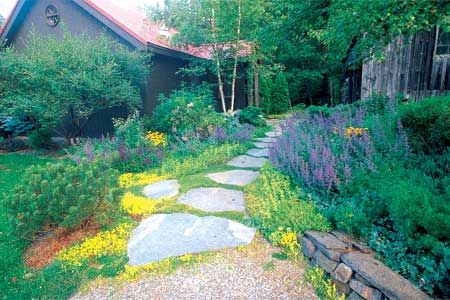
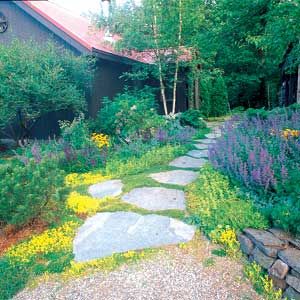
A well-designed garden path does more than keep your feet dry and provide safe access to your home. It shapes and defines garden areas, connects unrelated parts, and creates a coherent whole. As Vermont landscape designer and author Gordon Hayward notes, “One of the most important functions of a path is to link the house to the garden visually as well as physically. ” This guide will walk you through the process of creating the perfect path for your outdoor space, from planning to installation and maintenance.
The Purpose of Your Path
Before breaking ground, let’s examine the different types of paths and their function.
Primary Paths: Connecting Key Areas
Primary paths are the main arteries of your outdoor space. They lead to and from the front and back doors, often connecting with the street or sidewalk. These paths see the most foot traffic, so keep durability and ease of use in mind.
Secondary Paths: Adding Garden Depth
Secondary paths branch off from primary paths, extending further into the landscape. They might lead to a vegetable garden or a tucked-away bench. These paths can be narrower and less obtrusive than primary paths, adding depth and interest to your garden design.
Tertiary Paths: Creating Intimate Spaces
Tertiary paths are the most casual and least traveled. They might be narrow bark-mulch paths leading into a wooded area behind the house. These paths create intimate spaces and encourage exploration of your garden’s hidden corners.
Planning Your Path’s Route
Your path’s success largely depends on how you plan to traverse it. When planning your path’s course, consider both aesthetics and functionality.
Straight vs. Curved Paths
Straight paths often work well near the house, extending its architecture and creating a formal look. However, you can soften this formality by planting along the edges. Curved paths, on the other hand, can make your garden feel more casual and natural.
Using Paths To Create Visual Interest
A curving path that disappears around a corner draws attention to what lies beyond, while a straight, narrow path can make a garden appear longer, especially if the endpoint is not visible.
Considering Practical Factors
When plotting your path, consider practical factors such as drainage, sun exposure, and existing landscape features. Design the path so it doesn’t interfere with your yard’s natural water flow, and take advantage of shady spots for comfortable strolls during hot summer days.
Determining the Ideal Path Width
The width of your path should relate to its use and the overall scale of your garden.
Width Guidelines for Different Path Types
Primary paths should be at least 48 inches wide to allow two people to walk side by side comfortably. Secondary paths are narrower, typically 30 to 36 inches wide. Tertiary paths are slimmer still, and varying widths can add interest to the walk.
Accommodating Garden Equipment
Make your paths wide enough to accommodate various outdoor equipment. For example, a lawn mower or garden cart typically requires about 3 to 4 feet. On the other hand, a tractor may need 5 feet or more.
Keep in mind the requirements of those who might use the path. For households with wheelchairs or strollers, wider paths will offer increased convenience and ensure all family members can enjoy the garden. When in doubt, go bigger to deliver comfort, convenience, and safety.
Choosing the Right Materials for Your Path
The surface material you choose for your path will significantly impact its appearance, durability, and maintenance requirements.
Soft Surface Options
Soft surfaces include materials like mulch, pine needles, and grass. These options provide a natural, informal look and are often less expensive than hard surfaces. However, they may require more frequent maintenance and replacement.
Hard Surface Options
Hard surfaces include materials like brick, concrete pavers, and natural stone. These options are more durable and often provide a more formal look. They typically require less maintenance but can be more expensive to install.
Factors To Consider When Selecting Materials
When choosing materials, focus on those that complement your house style. Conversely, contrasting materials can liven up a path. For example, it is aesthetically pleasing and budget-friendly to blend pricier options like cut stone, typically ranging from $15 to $50 per square foot, with more affordable choices like brick, which usually costs between $10 and $20 per square foot.
However, incorporating too many disparate materials in one area may create a chaotic appearance. Choose a balanced mix that enhances rather than confuses the overall design.
Sustainability Considerations
We recommend using recycled or locally sourced materials to reduce your environmental footprint. Permeable materials, such as mulch, sand, and gravel, can also help with water management by allowing rainwater to filter through the path surface and replenish the groundwater.
7 Popular Path Surface Materials
Let’s explore some of the most popular materials for garden paths.
Gravel and Crushed Stone
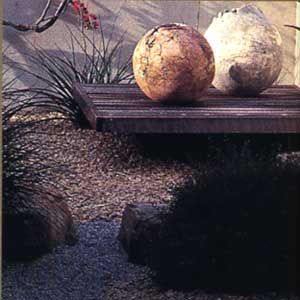
Gravel and crushed stone provide a low-cost, fast-draining surface and are available in various colors, sizes, and materials. They are easy to install and offer a nonslip surface. It is important to note they will require edging to keep the stones in place and occasional raking to maintain a neat appearance.
Here are the average prices of gravel per square foot:
- Rock base: $0.65–$1.50
- Crushed granite: $1–$3
- Lava rock: $3.50–$11
- Quartz gravel: $3–$10
- Rock pebbles or river rocks: $1.75–$2.60
Brick
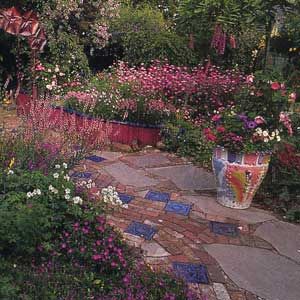
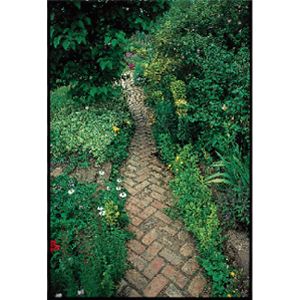
Brick paths offer a classic look and provide numerous patterns. They cost up to $20 per square foot, making them relatively affordable. Brick requires little maintenance and is easy to work with due to its uniform shape. Choose paving bricks for durability, especially in cold or wet climates.
Natural Stone
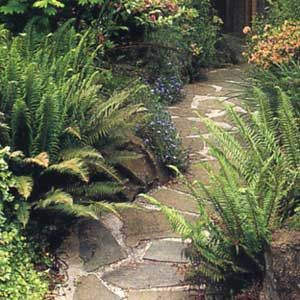
Stone paths provide an elegant, timeless look. While potentially expensive and challenging to install, they offer unmatched beauty and durability. Stone can be set loose in sand or mortared in concrete, with the latter requiring professional installation. You can expect to pay between $15 and $50 per square foot.
Concrete Pavers
Concrete pavers offer versatility in design and are often more affordable than natural stone. They come in many shapes, sizes, and colors, allowing for creative patterns and designs. Costs are typically between $8 to $15 per square foot.
Mulch
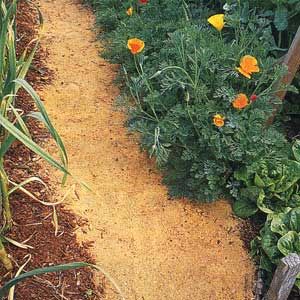
Mulch paths, including bark, pine needles, or sawdust, are best for informal, low-traffic areas. They provide a natural, casual look and feel but may need periodic replenishment as the material decomposes. If you plan to install mulch, expect to pay anywhere from $15 to $80 per yard. Delivery could add another $20 to $80, plus a flat fee of $50 to $100 per yard. Meanwhile, professional installation will cost up to $50 per yard.
Grass
A grass path can create a seamless look in your garden, providing a soft, natural surface. However, it requires regular maintenance, including mowing, watering, and fertilizing. Grass paths may struggle in high-traffic areas or deep shade.
Here are the average prices of grass per square foot:
- Sod: $0.35–$0.85 per square foot
- Turf: $2–$6 per square foot
- Grass seed: $3–$10 per pound
Essential Steps for Path Installation
Preparing the Base
The base is what will provide stability and longevity for your path. Most paths require a base of coarse crushed stone to stay level over time. The depth of this base depends on your soil type and climate, typically ranging from 4 to 8 inches, except for grass and large stepping stones.
Ensuring Proper Drainage
Improve drainage by sloping the path away from your foundation or driveway at a rate of 1/4 inch per foot of path width. We recommend installing a perforated PVC pipe within the gravel base for heavy clay soils for additional drainage support.
Applying the Surface Material
Apply a 1- to 2-inch layer of sand over the base as a leveling course. This allows you to adjust stones or bricks for a perfect fit. Spread loose materials like gravel evenly over the prepared base. Landscaping fabric is an excellent choice for areas between gravel and sand.
Adding Edging and Finishing Touches
Professional-quality masonry edging helps hold bricks, concrete pavers, and small stones in place. If future lighting options are desired, consider installing an electrical conduit above the base. Finishing touches like lighting and planting alongside the path can enhance its overall aesthetic.
Maintaining Your Garden Path
Regular maintenance will keep your path looking great and functioning well for years to come.
Regular Cleaning and Sweeping
Sweep your path regularly to remove debris and prevent weed growth. Occasional power washing of hard surfaces can help maintain their appearance.
Repairing Damaged Areas
Address any damage promptly to prevent further deterioration. This might involve replacing individual bricks or stones, refilling gravel, or patching cracks in concrete.
Seasonal Maintenance Tips
Avoid using harsh de-icing chemicals in winter, which can damage your path’s surface. Instead, use sand or kitty litter for traction. In spring, check for any frost-heave damage and make necessary repairs.
Long-Term Maintenance
Some materials may need more attention in the long term. Watch natural materials like wood or mulch that decompose over time and replace them as needed. Hard surfaces like brick or stone may shift, requiring you to reset them to maintain the path’s look and functionality.
Our Conclusion
Building the perfect garden path involves careful planning, material selection, and proper installation. Whether you opt for a formal brick walkway or a casual mulch path, your choice should complement your home’s architecture and your garden’s style while effectively serving its intended purpose
Where to find it:
- Halquist Stone: Nationwide supplier of stones, including Wisconsin’s Lannon limestone
- Quikrete: Quikrete offers Walkmaker concrete molds, packaged concrete, and cement color
Reference books on paths:
- Garden Paths: A New Way to Solve Practical Garden Problems
- Garden Paths, Inspiring Designs and Practical Projects
Resources on materials and construction:
