Clear Any Clogged Drain
repairing a clogged drain
Unscrew the sink trap and drain the water into a bucket. Then remove the horizontal trap arm from the back wall.
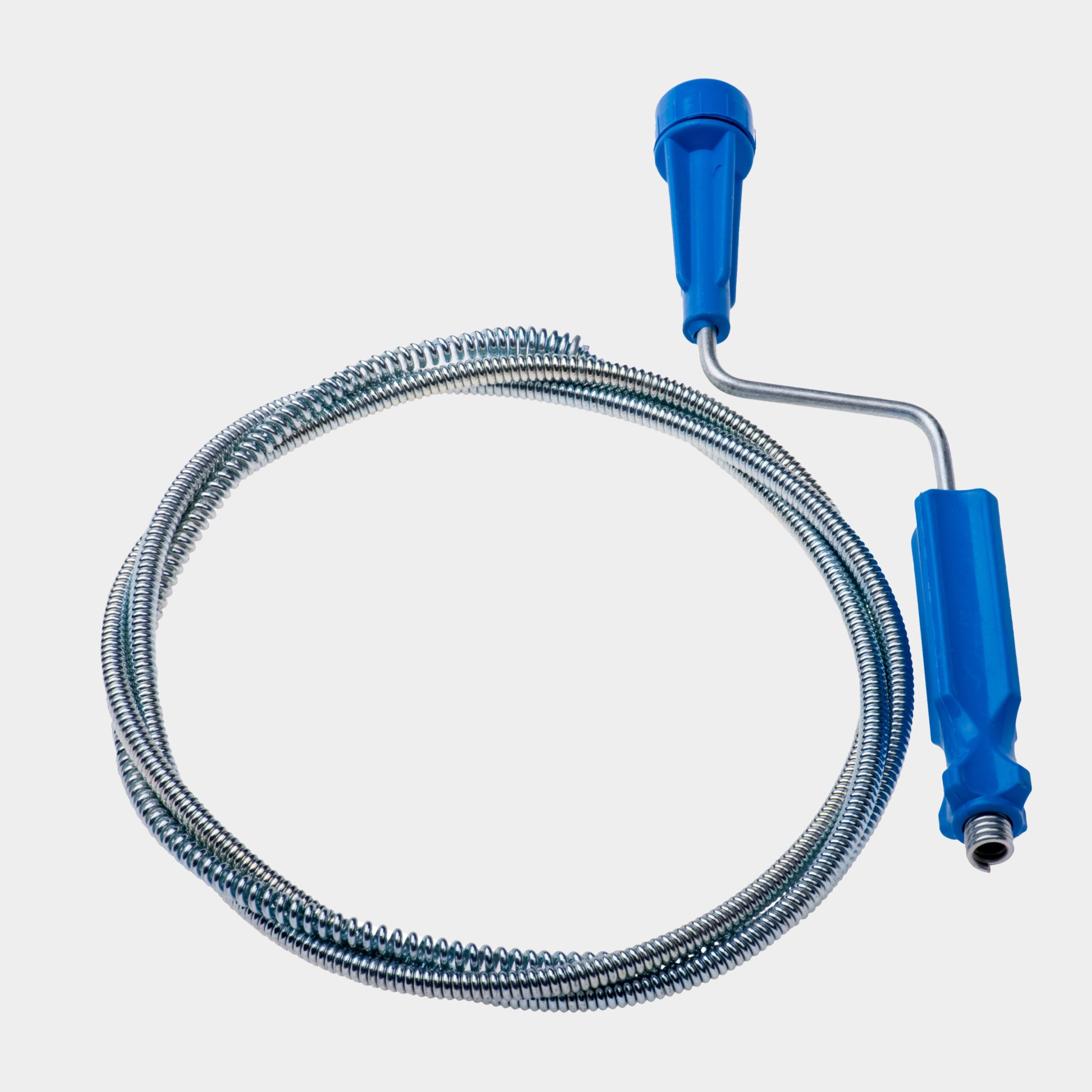
Photo 2: FEED THE flexible cable directly into the drainpipe. Turn the crank clockwise to advance the cable and cut through the clog.
Photo 3: HOLD A wet rag over the drain holes in the overflow plate to prevent the pressure built up by plunging from escaping.
Photo 4: REMOVE the overflow plate and snake the cable down the overflow tube. Retrieve it by turning the crank counterclockwise.
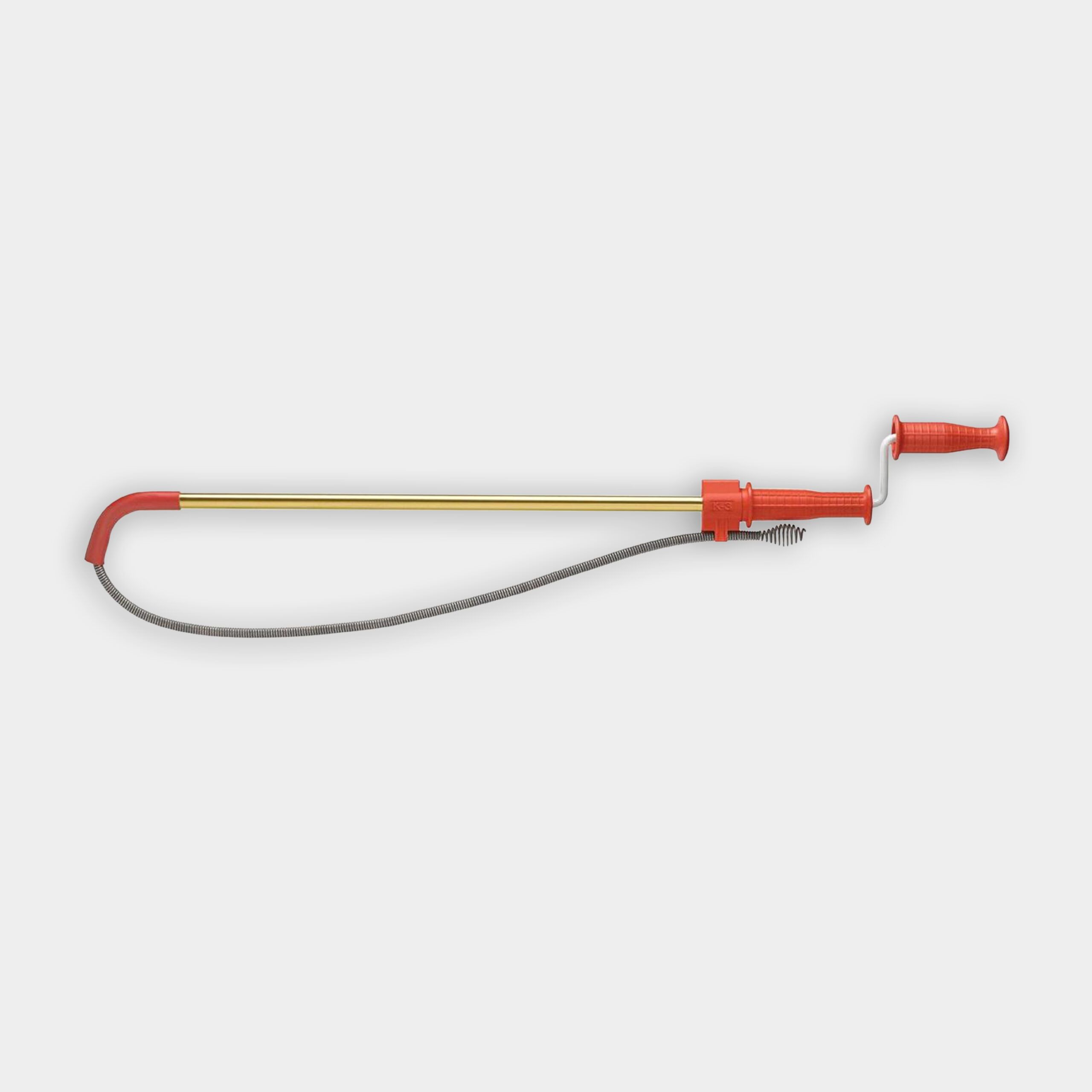
Photo 5: The angled shaft and spring head on a closet auger are specifically designed for clearing toilet clogs.
TURN THE crank and push down simultaneously to force the auger cable through the tight curves of the toilet trap.
Photo 7: REMOVE the clean-out plug from the floor drain. Loosen old, corroded brass plugs with a hammer and cold chisel.
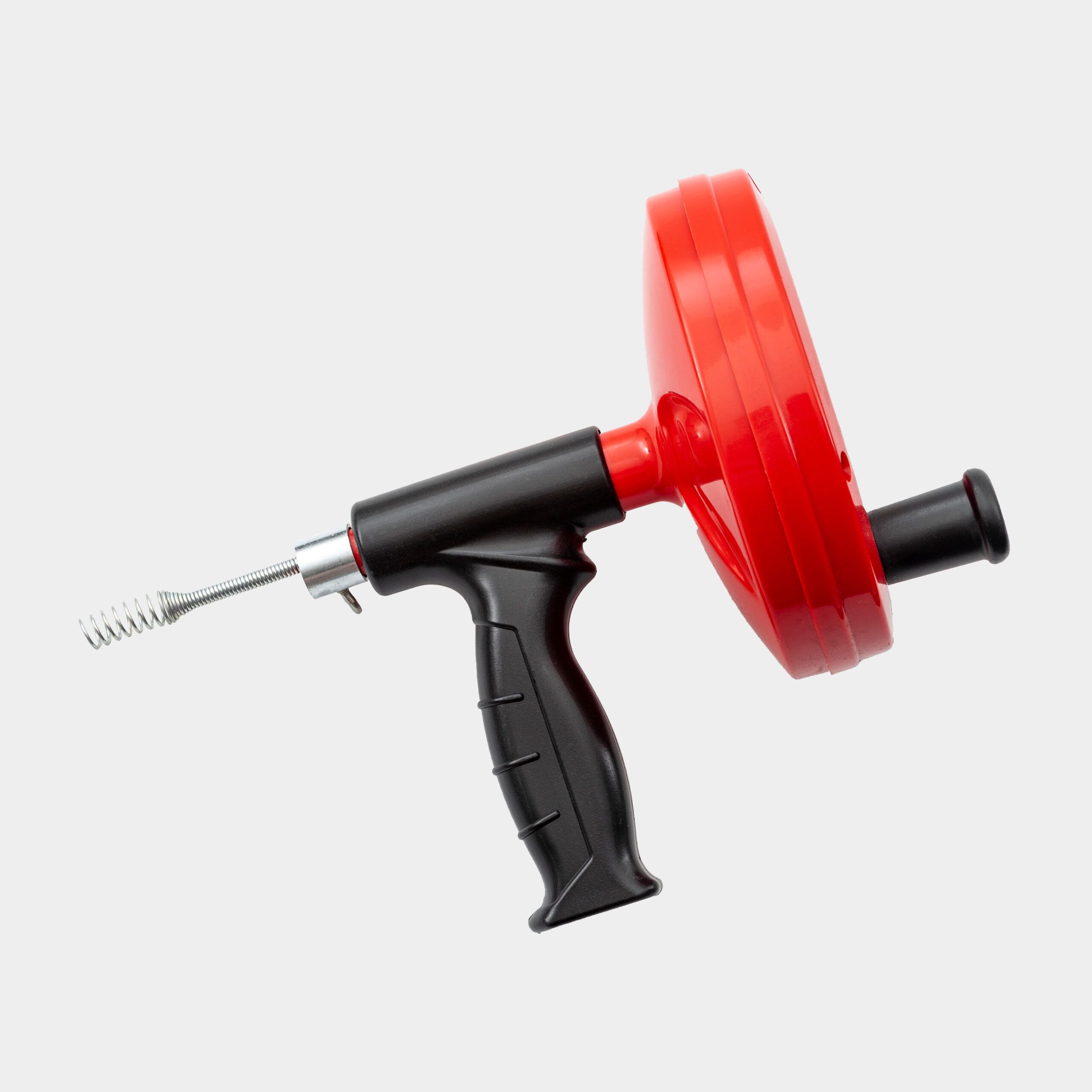
Photo 8: A POWER auger can break up the toughest clogs. Some models come with interchangeable cutting blades.

Unclogging a Sink:
1. Unscrew the sink trap and drain the water into a bucket. Then remove the horizontal trap arm from the back wall.

Unclogging a Sink:
2. Feed the flexible cable directly into the drainpipe. Turn the crank clockwise to advance the cable and cut through the clog.

Snaking a Tub Drain:
1. Hold a wet rag over the drain holes in the overflow plate to prevent the pressure built up by plunging from escaping.

Snaking a Tub Drain:
2. Remove the overflow plate and snake the cable down the overflow tube. Retrieve it by turning the crank counterclockwise.

Freeing a Toilet Clog:
1. The angled shaft and spring head on a closet auger are specifically designed for clearing toilet clogs.

Freeing a Toilet Clog:
2. Turn the crank and push down simultaneously to force the auger cable through the tight curves of the toilet trap.

Clearing a Floor Drain:
1. Remove the clean-out plug from the floor drain. Loosen old, corroded brass plugs with a hammer and cold chisel.

Clearing a Floor Drain:
2. A power auger can break up the toughest clogs. Some models come with interchangeable cutting blades.

Browse Plumbing Galleries:

How-To Video

Browse More

How to Repair Faucets and Drains

In this how-to video, This Old House plumbing and heating contractor Richard Trethewey fixes a faulty faucet and replaces a leaky drainpipe

Advertisement

On Newsstands Now

In the Magazine
July/August - Kitchen Bath issue
outdoor living room roger cook Yellow/Green Bathroom Mark Powers pot rack
Advertisement

Unclog a sink
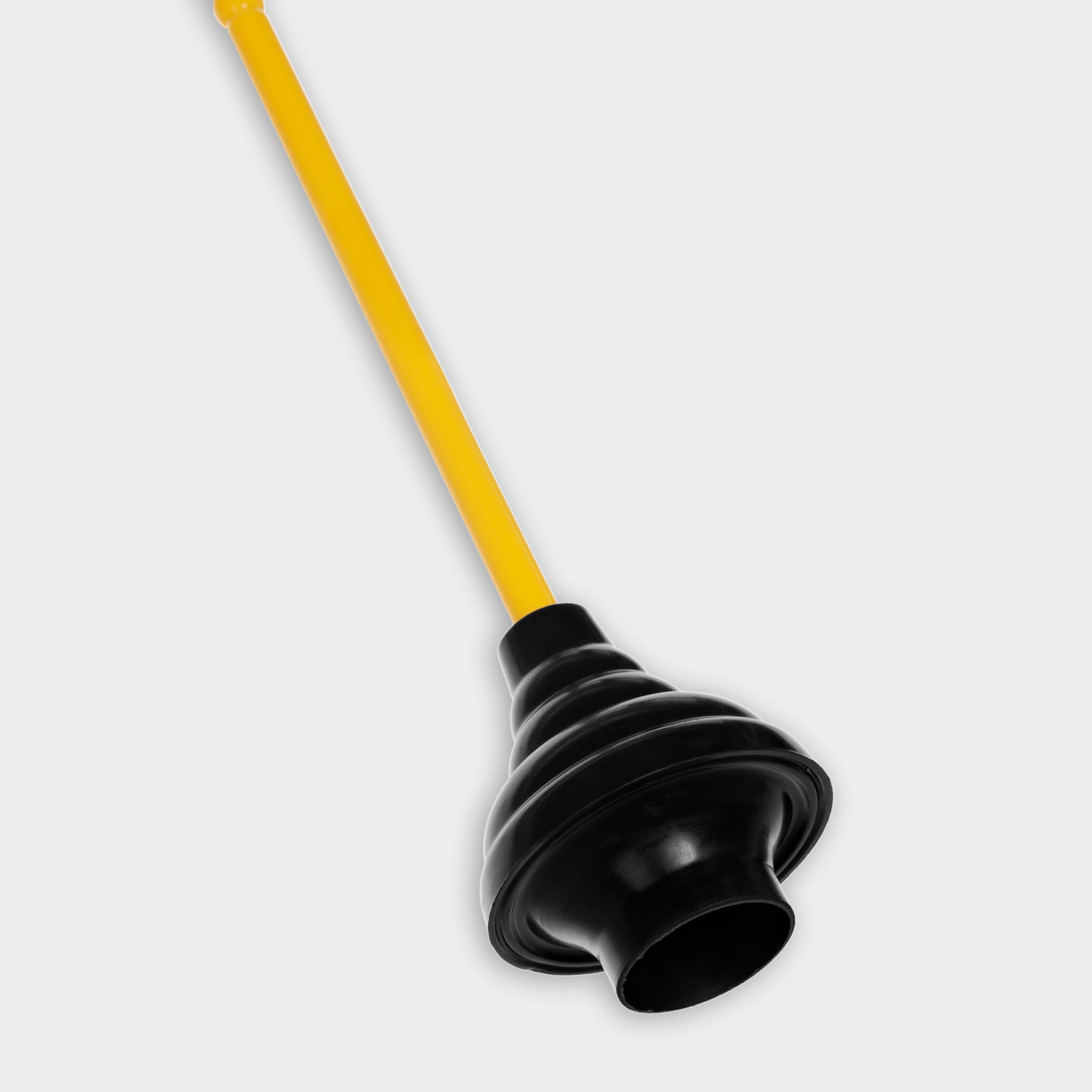
Most minor sink clogs can be cleared with a plunger. Partially fill the sink with water, then start plunging. Vigorously work the plunger up and down several times before quickly pulling it off the drain opening. If it's a double-bowl kitchen sink, stuff a wet rag into one drain opening while you plunge the other one. If it's a bath sink, stuff the rag into the overflow hole. In both cases, the rag helps deliver the pressure directly to the clog.

If plunging doesn't work, grab the cable auger and go to work under the sink. Remove the sink trap with a pipe wrench. The large, threaded coupling on PVC plastic traps can often be unscrewed by hand. Empty the water from the trap into a bucket (photo 1, above), then make sure the trap isn't clogged.

Remove the horizontal trap arm that protrudes from the stubout in the wall. Feed the cable into the stubout until you feel resistance. Pull out 18 in. of cable, then tighten the lock screw. Crank the handle in a clockwise direction and push forward at the same time to drive the cable farther into the pipe (photo 2).

Pull out another 18 in. of cable and repeat the process until you break through the blockage. If the cable bogs down or catches on something, turn the crank counterclockwise and pull back on the auger.

Once the cable is clear, crank and push forward again.

Retrieve the cable and replace the trap arm and trap. Turn on the hot-water faucet to see if the sink drains properly. If it doesn't, don't worry. Debris from the busted-up clog sometimes settles into a loose blockage. Partially fill the sink with hot water and use the plunger to clear the debris. Follow up with more hot water.

Article: How to Stop a Flood in its Tracks
Sign Up for Our Free Newsletters

Comments

Post a Comment