
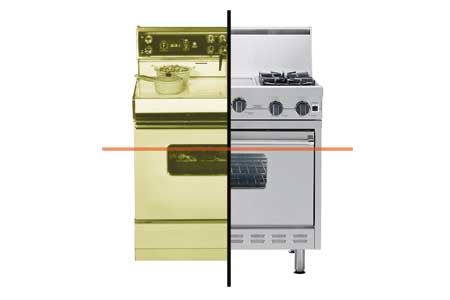
The American kitchen has undergone many transformations over the decades. From basic four-burner electric ranges to high-tech smart ovens, cooking appliances have evolved to meet changing needs and technological innovations. This article explores the journey of stoves, cooktops, and ovens. We’ll also examine how these essential tools have adapted to new technology, cooking trends, and energy demands.
A Brief History of Cooking Appliances
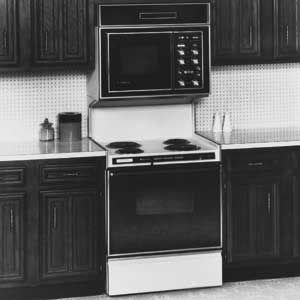
The story of modern cooking appliances begins in the early 20th century. From hotplates to the first fully electric ranges, early innovations set the stage for the modern appliances we use today.
Early 20th Century Innovations
In 1910, Hotpoint introduced the first electric range, marking a shift in home cooking. This innovation paved the way for more convenient and controlled cooking methods. By 1911, the electric frying pan hit the market for more versatility in the kitchen. These were followed by thermostat-controlled ovens for more precise baking and roasting.
The Rise of Electric Ranges and Gas Stoves
By the 1970s, electric ranges were common in homes. These appliances generally featured four 8,000 British thermal unit (BTU) burners and a single oven. Gas stoves were also popular because of their precision with temperature control.
Electric stoves quickly became a favorite in the kitchen when self-cleaning features were introduced. The capability to clean without harsh chemicals became a selling point for electric ranges, making them more appealing to many homeowners.
Technological Cooking Advancements in the Late 20th Century
Innovations during the late half of the 20th century made cooking faster and more efficient, opening up new possibilities for home cooks.
Convection Ovens
Convection ovens were a game-changer in the late 1970s. These ovens use fans to circulate hot air, cooking food 25–35% faster than conventional ovens. The even heat distribution also gave better results for baked goods, meats, and casseroles, making convection ovens a versatile addition to the kitchen.
Microwave Ovens
Microwave ovens were first designed in 1955, but by the late 1970s, over-the-range microwaves with built-in ventilation became the standard in many kitchens. Microwave ovens offer convenience and space-saving benefits. The ability to heat and cook food in minutes transformed the way people approached meal preparation, making it easier to manage busy schedules.
Smooth Cooktops
The introduction of smooth cooktops in the 1970s provided sleek surfaces and covered concealed electric burners, making cleaning spills and splatters much easier. While early models had issues with glass discoloration, the update to ceramic surfaces in the 1980s solved this problem.
Professional-Grade Kitchens
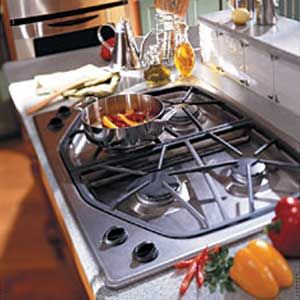
The development of many high-end appliances brought the power and precision of restaurant kitchens into homes.
Pro-Style Ranges
The 1980s saw the rise of professional-grade ranges for home use, although early models weren’t always the safest option for residential kitchens. This quickly changed with the creation of a better-insulated range featuring power burners, durable construction, and advanced features like griddles and convection ovens.
Dual-Fuel Ranges
Dual-fuel ranges combine gas cooktops with electric ovens, offering precise temperature control and even heating. This combination gave homeowners the best of both worlds.
Modern Innovations Reshaping Home Cooking
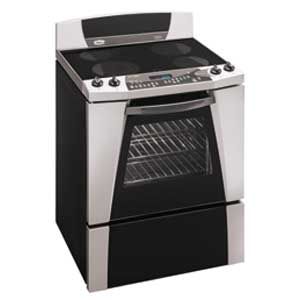
From smart connectivity to advanced cooking methods, modern appliances make cooking more enjoyable and efficient.
Induction Cooking
Induction cooking uses electromagnetic fields to heat pots and pans directly, heating food faster than gas or traditional electric cooktops. While it requires special cookware, many see induction as the future of stovetop cooking. The temperature control and rapid heating capabilities make induction cooktops a favorite among tech-savvy and eco-conscious homeowners.
Smart Ovens
Smart ovens with Wi-Fi connectivity and mobile app control are becoming more common because they offer features like remote preheating, temperature monitoring, and recipe guidance. Some models combine thermal, convection, and microwave energies to cook food up to five times faster than conventional ovens.
Steam Ovens
Steam ovens can cook food quickly while retaining nutrients and moisture. These appliances can handle everything from vegetables to meats and even baked goods. The gentle cooking process preserves food’s natural flavors and textures.
Specialized Cooking Appliances for Modern Kitchens
As cooking trends evolve, specialized appliances have found their way into many kitchens. These devices cater to specific cooking techniques and preferences.
Air Fryers
Air fryers offer a healthier alternative to deep frying while cooking food quickly. These appliances use hot air circulation to crisp food with minimal oil. They extend beyond traditional frying and can be used for baking, roasting, and grilling, making them a multi-purpose appliance for homeowners.
Sous Vide Machines
Sous vide cooking, once limited to professional kitchens, has become more accessible for homeowners. These devices allow for very precise temperature control, resulting in perfectly cooked meats and vegetables. Sous vide machines provide a simple way to get consistent results because of the slow, controlled cooking process that evenly cooks food and retains natural flavors.
Energy Efficiency and Sustainability in Kitchen Appliances
Today, there’s an increased concern about energy efficiency and environmental impact, as well as changing appliance design and manufacturing. These considerations have led to the development of more sustainable products that align with eco-friendly living.
Energy Star Ratings
Energy Star ratings help consumers identify energy-efficient appliances. These ratings consider factors like power consumption and water usage, helping homeowners make environmentally conscious choices while potentially saving money on utility bills.
Eco-Friendly Materials and Manufacturing Processes
Manufacturers are increasingly using sustainable materials and eco-friendly manufacturing processes. This includes using recycled materials, reducing harmful chemicals, and designing appliances for easier recycling. The shift towards sustainability also includes packaging and supply-chain practices for a better approach to minimizing environmental impacts.
Design in Modern Kitchens
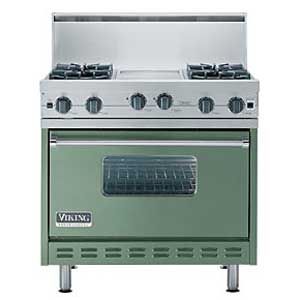
The appearance of kitchen appliances has evolved alongside their functionality, reflecting changing tastes and design trends. Modern kitchens are not only about utility but also about creating a personal and customized space.
Stainless Steel
Stainless steel has dominated kitchen design for years because of its sleek, professional look and durability. Its high-end appeal and ability to blend with various design styles make stainless steel a versatile choice for contemporary kitchens.
Retro and Colorful Appliances
In recent years, there’s been a resurgence of retro-styled appliances, including ranges in bold colors reminiscent of the 1950s and ’60s. These appliances combine modern technology with vintage designs, allowing homeowners to add a pop of color and personality to their kitchens.
Safety Features in Modern Cooking Appliances
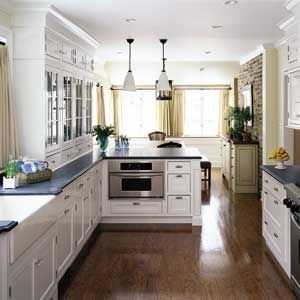
As cooking appliances have become more powerful, safety features have evolved to protect users and homes. These features help prevent accidents and provide peace of mind in the kitchen.
Automatic Shut-Off Systems
Many modern ranges and ovens come with automatic shut-off features. These systems can detect when a burner has been left on too long or when the oven reaches dangerously high temperatures, reducing the risk of fires and other accidents. The integration of smart sensors and fail-safes keeps appliances operating safely in your home.
Child-Safety Locks
Child-safety locks have become standard on many cooking appliances. These features prevent young children from accidentally turning on burners or opening hot ovens, providing peace of mind for parents and families.
Emerging Trends in Cooking Appliances
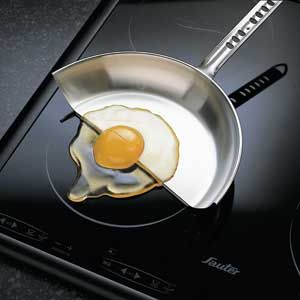
As kitchens continue to evolve, new trends are shaping the direction of cooking appliances. From global influences to technological advancements, these trends are driving innovation and expanding the possibilities for cooking at home.
Multi-Function Appliances
Multi-function appliances, such as combination ovens and multi-cookers, are gaining popularity in many homes. These appliances save space and offer convenience by combining several functions into one unit. For example, a combination oven might have conventional baking, convection baking, and steam cooking in a single device.
Connected Kitchens
The rise of smart home technology has led to the development of connected kitchens, where appliances communicate with each other while you’re cooking. Features such as voice control, predictive cooking algorithms, and integrated recipe platforms are becoming standard in high-end appliances. This allows for greater control, efficiency, and ease of use, transforming the way people interact with their kitchen spaces.
