
Rain barrels are an eco-friendly solution for homeowners looking to conserve water and reduce their environmental impact. These simple yet effective devices collect rainwater from your roof, providing a sustainable water source for various outdoor needs. In this comprehensive guide, we explore different rain barrel options, their benefits, and how to choose and install the right system for your home.
Understanding Rain Barrels and Their Benefits
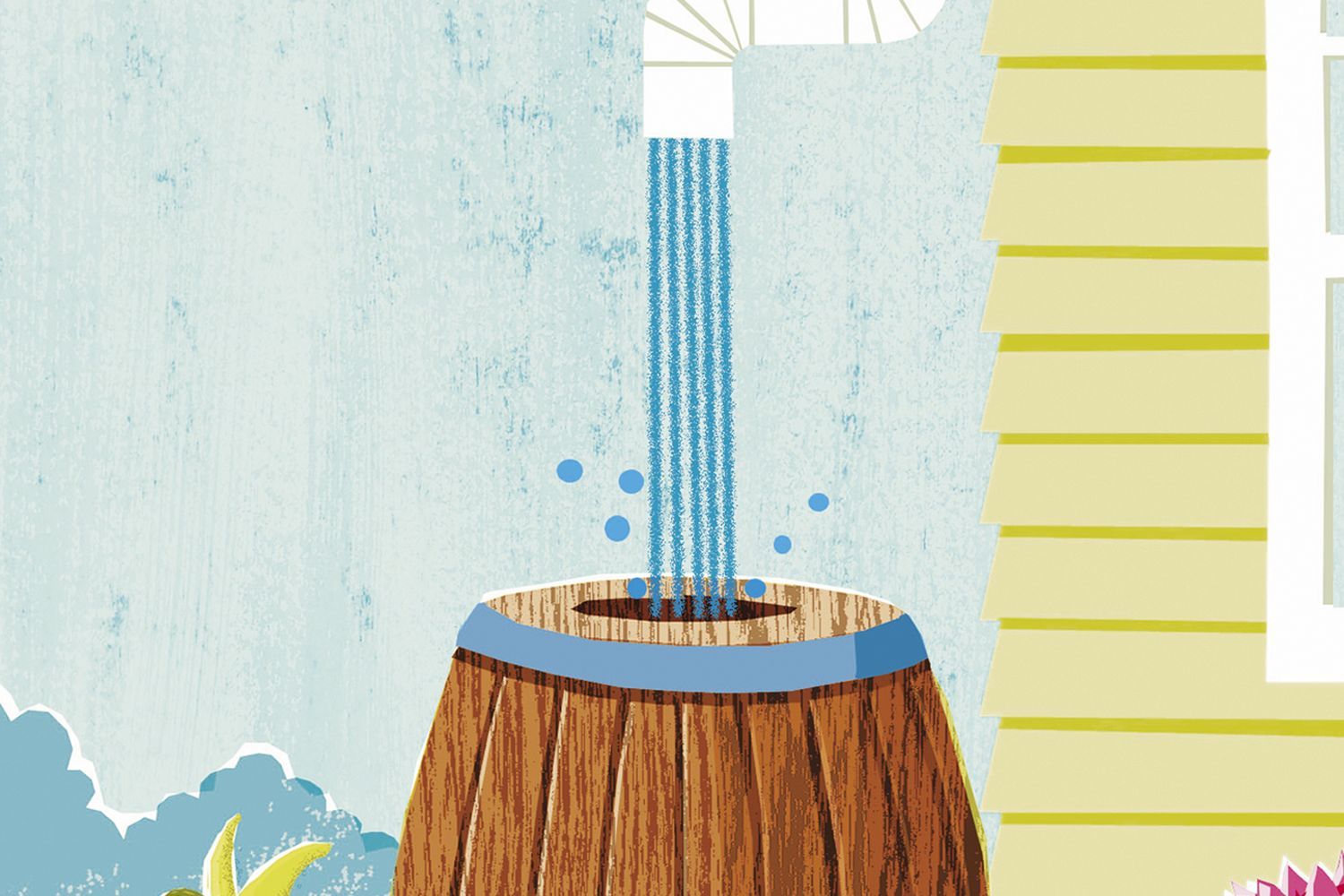
Rain barrels are containers designed to capture and store rainwater from your roof’s downspouts. This collected water can be used for activities such as watering gardens, washing cars, and other outdoor tasks. The benefits of using rain barrels extend beyond water conservation, including:
- Reduced water bills
- Decreased reliance on municipal water supplies
- Improved plant health due to chemical-free water
- Mitigation of stormwater runoff
Stephen Barry, a rain barrel enthusiast, shares his experience: “Just an inch of rainfall from a 1,000 square-foot roof produces 632 gallons!” This substantial amount of water can significantly impact your water usage and conservation efforts.
In addition to these advantages, rain barrels help homeowners become more conscious of their water usage. By capturing and reusing rainwater, you can reduce your environmental footprint and actively participate in sustainable practices. A well-implemented rain barrel system contributes to resource conservation and helps you save money in the long run.
Types of Rain Barrels
There are several types of rain barrels available to suit different needs and preferences. Each type offers unique features and benefits.
Plastic Rain Barrels
Plastic rain barrels are the most popular and widely available option. They offer several advantages:
- Lightweight and easy to move
- Durable and resistant to cracking
- Available in various sizes and colors
- Affordable, with prices ranging from $130 to $300*
Many plastic rain barrels are made from recycled materials, adding to their eco-friendly appeal. These barrels typically come with essential features such as a spigot, overflow valve, and debris screen. Their versatility makes them suitable for a wide range of applications, providing a convenient and sustainable water collection solution.
*Unless otherwise noted, costs in this article reflect an average of prices that our team found from hardware stores like Lowes and Home Depot, and on Amazon.com.
Wooden Rain Barrels
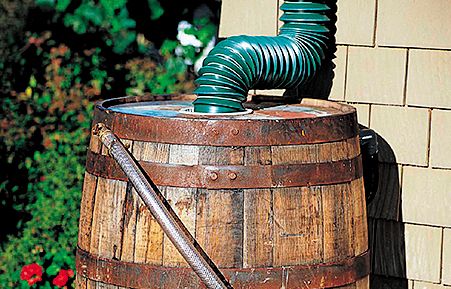
For those seeking a more rustic or natural look, wooden rain barrels are an attractive option. These barrels often repurpose old wine or whiskey barrels, adding character to your outdoor space. Benefits of wooden rain barrels include:
- Aesthetic appeal
- Natural insulation properties
- Potential for customization
However, wooden barrels require more maintenance to prevent leaks and decay. Regular upkeep, such as sealing and treating the wood, ensures their longevity. Prices for high-quality wooden rain barrels typically range from $300 to $500. Despite the extra maintenance effort, many homeowners find the visual appeal and unique charm of wooden barrels worth the investment.
Decorative Rain Barrels
Decorative rain barrels combine functionality with aesthetics, designed to complement your home’s exterior. These barrels come in various styles, shapes, and finishes, including:
- Faux stone or ceramic designs
- Textured or patterned surfaces
- Slim profiles for tight spaces
While decorative rain barrels may be on the expensive side, ranging from $200 to $400, they offer a visually appealing solution for water conservation. They blend seamlessly into your garden or patio, enhancing the overall look while providing the benefits of rainwater collection. Decorative barrels can be an excellent choice for homeowners who want both practicality and style in their outdoor spaces.
DIY Rain Barrels
For the hands-on homeowner, creating a DIY rain barrel can be a cost-effective and rewarding project. You can repurpose food-grade containers, like Stephen Barry did with recycled Coke barrels, or use other suitable materials. Benefits of DIY rain barrels include:
- Cost savings
- Customization options
- Sense of accomplishment
When creating a DIY rain barrel, ensure you use food-grade containers and properly seal all connections to prevent leaks. This hands-on approach allows you to custom-fit the barrel to your specific needs and preferences. Moreover, DIY rain barrels can be tailored to match the aesthetic of your home, making them an extremely versatile choice.
Metal Rain Barrels
Metal rain barrels are an option for those who want a durable and long-lasting solution. Often made from galvanized steel, these barrels are resistant to rust and corrosion. Benefits of metal rain barrels include:
- Durability and strength
- Long lifespan with minimal maintenance
- Ability to withstand harsh weather conditions
However, metal barrels can be heavier and more challenging to move, and they typically range from $100 to $300. Metal rain barrels are an ideal choice for those seeking a robust and reliable water collection system.
How To Choose the Right Rain Barrel for Your Needs
Selecting the ideal rain barrel depends on several factors. Consider the following when making your decision:
Consider Your Climate
Your local climate plays a vital role in choosing the right rain barrel. In areas with heavy rainfall, you may need a larger capacity or multiple barrels. For regions with freezing temperatures, select a barrel that can withstand winter conditions or plan to empty and store it during cold months. It’s essential to take into account the specific weather patterns in your area to ensure the longevity and functionality of your rain barrel system year-round.
Assess Your Water Usage
Evaluate your outdoor water needs to determine the appropriate barrel size. Consider factors such as:
- Garden size and watering requirements
- Frequency of car washing or other outdoor cleaning tasks
- Potential for expanded water usage in the future
Understanding your water consumption habits and future needs can help you choose a rain barrel with the right capacity. A barrel that is too small may not meet your needs, while one that is too large may be unnecessary and cumbersome.
Evaluate Available Space
Measure the area where you plan to install your rain barrel. Consider the following:
- Proximity to downspouts
- Available width and height for the barrel
- Accessibility for maintenance and water retrieval
Choose a rain barrel that fits comfortably in your designated space while providing adequate capacity for your needs. Ensuring proper placement and easy accessibility will make maintenance and water collection more convenient.
Budget Considerations
Your budget is also important when selecting a rain barrel. Prices can vary widely, so decide how much you are willing to invest. Factor in not only the initial cost of the barrel but also any additional expenses for accessories and installation. By setting a realistic budget, you can find a rain barrel that meets your needs without breaking the bank.
Installing Your Rain Barrel System
Proper installation is required to maximize the efficiency of your rain barrel system. Follow these steps for a successful setup:
Selecting the Ideal Location
Choose a location that allows easy access to your downspout and provides a stable foundation for your rain barrel. Consider the following:
- Level ground or a sturdy platform to support the barrel’s weight when full
- Proximity to areas where you’ll use the collected water
- Adequate space for overflow management
A well-chosen location ensures your rain barrel system functions effectively and is easy to maintain. It also helps manage overflow and prevent water damage to your home’s foundation.
Setting Up the Downspout Connection
Modify your existing downspout to direct water into the rain barrel:
- Cut the downspout above the barrel’s height.
- Install a diverter or flexible extension to guide water into the barrel.
- Ensure a tight seal to prevent leaks.
Ensuring Proper Overflow Management
Implement an overflow system to handle excess water during heavy rainfall:
- Install an overflow valve near the top of the barrel.
- Connect a hose or pipe to direct overflow away from your home’s foundation.
- Consider linking multiple barrels for increased capacity.
These steps ensure that your rain barrel system remains efficient and minimizes the risk of overflow-related issues.
Enhancing Security
Secure your rain barrel to prevent tipping and unauthorized access. Use straps or brackets to anchor it firmly, especially if you live in a region prone to high winds. Additionally, cover the top with a mesh screen to keep out debris and critters while allowing water to flow in.
Maximizing Your Rain Barrel’s Efficiency
To get the most out of your rain barrel system, consider these strategies:
Connecting Multiple Barrels
Increase your water storage capacity by linking multiple barrels:
- Connect barrels using overflow hoses or pipes
- Ensure proper leveling to maintain even water distribution
- Install valves to control water flow between barrels
This method allows you to store a larger amount of rainwater, making more water available for use during dry spells. It also helps in better management and distribution of collected water.
Implementing a Filtration System
Add a simple filtration system to improve water quality:
- Install a fine mesh screen to catch debris
- Consider a first-flush diverter to remove initial, potentially contaminated runoff
- Use a sediment filter for cleaner water, especially if using for sensitive plants
These filtration techniques enhance the quality of the collected rainwater, ensuring it is suitable for various uses. Clean water minimizes the risk of blockages and extends the lifespan of your rain barrel system.
Maintaining Your Rain Barrel
Regular maintenance ensures optimal performance and longevity:
- Clean the barrel and filters seasonally.
- Check for leaks and repair as needed.
- Empty and clean the barrel before winter in colder climates.
Routine maintenance keeps your rain barrel system in top condition and helps you avoid potential issues. It also ensures that the water you collect is free from contaminants and safe for use.
Legal Considerations and Regulations Surrounding Rain Barrel Systems
Before installing a rain barrel system, check local regulations. Some areas may have restrictions on rainwater harvesting, and homeowners’ associations may have guidelines on barrel placement or appearance. On the other hand, certain regions offer incentives or rebates for rain barrel installation.
Contact your local water authority or municipal office for specific information about rainwater harvesting regulations in your area. Understanding local laws ensures compliance and may provide opportunities for financial incentives.
Insurance Implications
Review your homeowner’s insurance policy to understand any implications of installing a rain barrel system. Some insurance providers offer discounts for sustainable home improvements, while others may have specific requirements or restrictions. Knowing the details can help you avoid potential issues and take advantage of possible savings.
Cost Analysis: Rain Barrels vs. Traditional Water Usage
Investing in a rain barrel system can lead to significant savings over time:
- Initial costs range from $100 to $1,000 for a complete system
- Potential water bill savings, depending on usage
- Additional savings from reduced reliance on chemical fertilizers
Calculate your potential savings based on local water rates and estimated usage to determine the long-term benefits of rain barrel installation. By comparing initial costs and ongoing savings, you can assess whether investing in a rain barrel system is a financially sound decision for your home.
Comparing Maintenance Costs
Consider the long-term maintenance costs of a rain barrel system compared to traditional water usage. Rain barrel systems often require minimal maintenance, resulting in lower overall expenditures. Traditional water usage, on the other hand, may involve higher costs for repairs, replacements, and chemical treatments.
Environmental Impact of Rain Barrel Usage
Rain barrels offer substantial environmental benefits beyond personal water conservation.
Reducing Storm Water Runoff
By capturing rainwater, rain barrels help mitigate stormwater runoff issues:
- Decreased erosion in local waterways
- Reduced strain on municipal storm sewer systems
- Minimized pollution from surface runoff
Conserving Municipal Water Supplies
Rain barrel usage contributes to overall water conservation efforts:
- Reduced demand on treated municipal water
- Lower energy consumption for water treatment and distribution
- Preservation of natural water sources
These environmental benefits highlight the broader impact of using rain barrels. By implementing a rain barrel system, homeowners contribute to the protection of natural resources and the well-being of their local community. You can combine rain barrels with other environmentally friendly gutter solutions, such as Mastershield gutter guards to make your gutters as efficient as possible.
Promoting Biodiversity
Using rainwater for your garden can promote biodiversity by providing chemical-free water that supports a diverse range of plant species. Healthier plants can attract beneficial insects and wildlife, creating a more balanced and thriving ecosystem in your garden.
Our Conclusion
Rain barrels offer an accessible and effective way for homeowners to participate in water conservation efforts while reaping personal benefits. By choosing the right barrel, properly installing it, and maintaining the system, you can significantly reduce your water usage and environmental impact. Combining a rain barrel with one of the best gutter guards for heavy rain can insulate your home from water damage and flooding. Embracing this green practice fosters a sense of responsibility and connection to the environment while offering practical benefits that extend beyond your water bill.
