
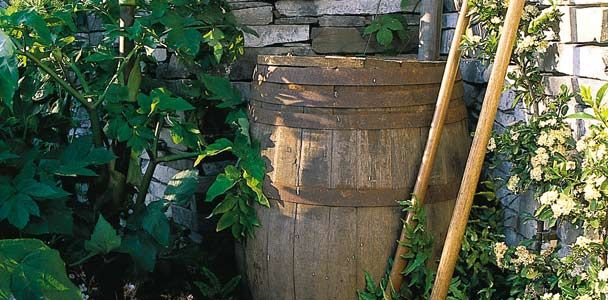
Collecting rainwater is a great way to conserve water, save money, and reduce your environmental impact. Rain barrels come in various sizes, materials, and designs, but all serve the same primary purpose: to collect and store rainwater for later use. We’ll walk you through the types of rain barrels available, how to set up and maintain your system, and other important considerations.
Types of Rain Barrels
There are several types of rain barrels to choose from. These are some of the most popular:
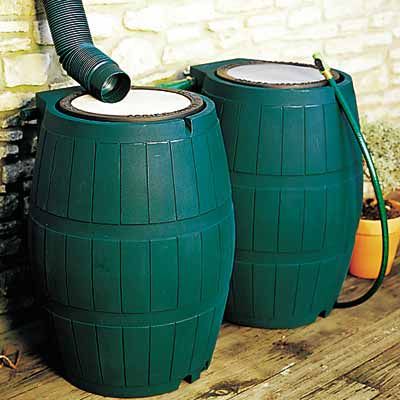
- Daisy-chained multiple barrel systems
- Slim-design barrels for tight spaces
- Standard plastic barrels
- Wooden barrels (such as repurposed wine barrels)
Choosing the Right Rain Barrel
Consider the following factors when picking a rain barrel for your home.
Size Considerations
The size of your rain barrel depends on your water needs and available space. A typical residential rain barrel ranges from 50–80 gallons. To determine the right size, consider your average rainfall, roof area, and intended water usage.
Rain Barrel Materials
Rain barrels are commonly made from the following materials:
- Fiberglass: Durable and UV-resistant but pricier
- Metal: Long-lasting but can be heavy and expensive
- Plastic: Durable, lightweight, and affordable
- Wood: Better curb appeal but may require more maintenance
Choose a material that suits your climate, budget, and aesthetic preferences.
Safety and Durability
Check that your barrel is made from food-grade materials to avoid leaching harmful chemicals into your water supply. Also, opt for barrels with UV-resistant materials to prolong their lifespan and maintain water quality.
Customizable Features
Some rain barrels have customizable features to enhance functionality and appearance. Look for options such as built-in planters, decorative facades, or additional spigots to improve the versatility and look of your rain barrel system.
Setting Up Your Rain Barrel System
Follow these steps to get your rain barrel system up and running.
Selecting the Ideal Location
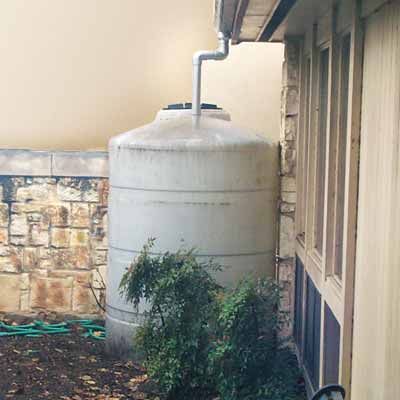
Place your rain barrel on a stable, level surface near a downspout. Elevate it slightly to improve water pressure and access to the spigot. Ensure the overflow is directed away from your home’s foundation.
Installing Gutters and Downspouts
Gutters and downspouts are essential components of a rain barrel system. If you don’t already have them, install gutters and downspouts to direct water into your rain barrel. Clean them regularly to prevent debris from clogging your system.
How To Connect a Rain Barrel
To connect your rain barrel:
- Cut the downspout above the barrel height
- Install a diverter or flexible downspout extension
- Position the barrel under the diverter
- Attach an overflow hose to redirect excess water
Secure and Test Your System
After setting up the rain barrel system, ensure it’s securely in place to prevent tipping or damage. Test the setup by running water through the downspout to confirm that the water flows correctly into the barrel and that the overflow functions as intended.

Maximizing Water Collection Efficiency
To get the most out of your rain barrel system, think about how much water you can collect and optimize your system accordingly.
Calculating Potential Water Collection
A general rule is that 1,000 square feet of roof will collect about 600 gallons of water for every inch of rainfall. To calculate your potential collection:
- Measure your roof’s footprint.
- Multiply by your average rainfall.
- Multiply by 0.6 (the collection factor).
This gives you an estimate of how much water you can collect annually.
Optimizing Roof Surface for Collection
Your roofing material affects water quality and collection efficiency. Smooth, nontoxic surfaces such as metal or slate are ideal. If you have asphalt shingles, consider installing a first-flush diverter to remove initial runoff that may contain more contaminants.
Enhancing Collection Efficiency
Simple modifications can enhance collection efficiency. For instance, consider adding a rain chain to your downspout to guide water more effectively and reduce splashing. This can be particularly useful in areas with frequent but light rainfall.
Maintaining Your Rain Barrel System
Regular maintenance ensures your rain barrel system functions properly and provides clean water for your needs.
Regular Cleaning and Inspection
Clean your rain barrel at least twice per year. Empty the barrel completely, then scrub the interior with a mild soap solution. Rinse thoroughly and check for leaks or damage.
In addition to regular cleaning, seasonal maintenance can help extend your rain barrel systems’ longevity. Inspect and clean the barrel and system components at the beginning and end of each season for best performance.
Preventing Mosquito Breeding
Take these steps to prevent mosquitoes from breeding in your rain barrel:
- Add a few drops of vegetable oil to the water surface
- Consider using mosquito dunks
- Install a fine mesh screen over openings
- Use a tight-fitting lid
Consider natural mosquito repellents such as essential oils or garlic extract. Adding these to the water can help deter mosquitoes without chemicals.
Winterizing Your Rain Barrel
In colder climates, take these steps to protect your rain barrel during winter:
- Drain the barrel completely.
- Disconnect and store it indoors if possible.
- If left outside, turn it upside down and secure it.
- Reconnect downspouts to direct water away from your foundation.
Preparing for Spring
Before the arrival of spring, inspect and reinstall your rain barrel system. Check that all components are in good condition and functioning properly to begin collecting rainwater as soon as the rainy season starts.
Using Collected Rainwater
Rainwater has many uses around your home and garden.
Watering Gardens and Lawns
Rainwater is excellent for plants, as it’s free of chemicals. Use it to water your garden, lawn, and potted plants. Consider installing a soaker hose for efficient distribution.
Non-Potable Household Uses
Collected rainwater can be used for various non-drinking purposes, such as the following:
- Cleaning outdoor furniture and tools
- Flushing toilets (with proper system setup)
- Laundry (check local regulations)
- Washing cars
Filtering for Potable Use
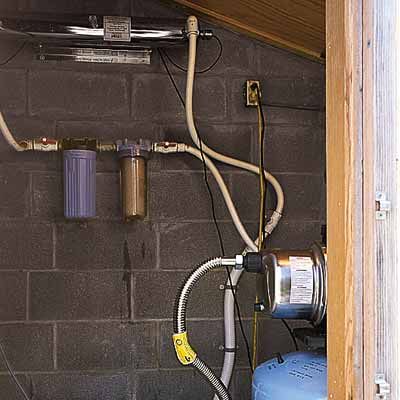
While not recommended without proper treatment, you can make rainwater drinkable with advanced filtration systems. This typically involves sediment and activated carbon filtration, and UV sterilization or chemical treatment. Always consult local health authorities before using rainwater for drinking.
Troubleshooting Common Rain Barrel Problems
Even well-maintained systems can encounter issues. Here are solutions to common problems:
- Overflow: Install an overflow hose or multiple barrels connected in series to handle excess water during heavy rains.
- Low water pressure: Increase water pressure by elevating your barrel, using a pump system, or installing a pressure tank for more consistent flow.
- Algae: Prevent algae growth by keeping your barrel in a shaded area, using opaque materials to block sunlight, and adding a small amount of vinegar periodically.
- Leaks: Small leaks can often be repaired with waterproof sealant. For larger cracks or damage, consider replacing the barrel.
Rain Barrel System: Other Considerations
Keep the following in mind when determining if a rain barrel system is right for your home.
Rainfall Levels
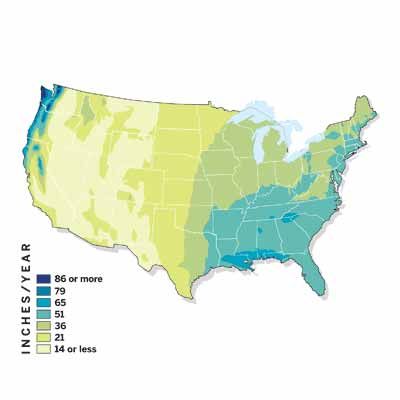
By looking at the average rainfall levels in your area, you can figure out how much rainwater you can expect to collect per year and whether that will meet your family’s water needs. An average household with newer plumbing fixtures, such as 1.6-gallon-per-flush toilets and 2.5-gallon-per-minute showerheads, uses roughly 55 gallons per person per day.
Remember that 1,000 square feet of roof will collect roughly 600 gallons of water for every inch of rain that falls. Actual rainfall amounts fluctuate with the seasons, while household needs remain reasonably steady.
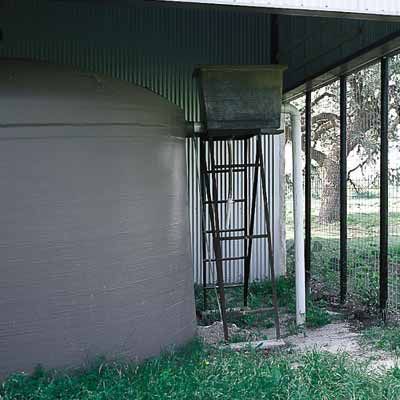
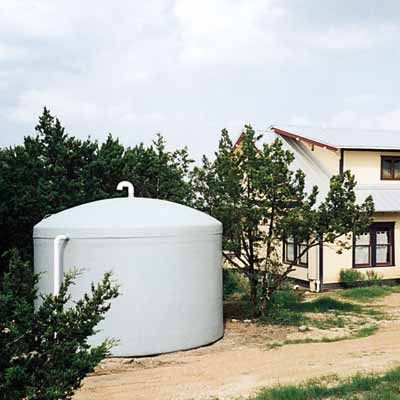
If you’re depending on rainwater for all or most of your water needs, your tanks have to be big enough to get you through the dry spells. Plus, you’ll need a fair amount of space to house those tanks.
Legal Considerations and Regulations
Before installing a rain barrel system, make sure you understand and comply with local laws and regulations.
Local Laws and Permits
Some areas require permits for rainwater harvesting systems, especially for larger setups. Check with your local building department for specific requirements.
Insurance and Liability
Check with your homeowner’s insurance provider to ensure your rainwater harvesting system is covered. This step will help protect you from potential liability issues related to system failure or damage.
Water Rights Issues
In some regions, particularly in the western United States, there may be restrictions on rainwater collection due to water rights laws. Research your local regulations.
Staying Updated
Regulations regarding rainwater harvesting can change. Stay informed about updates or changes in local laws that might affect your system’s legality and operation. Joining local or online rainwater harvesting communities can help keep you informed about regulatory developments.
