
Going Native in the Garden
climate zone map for native plants of United States
Map:: Courtesy of Jane Marinelli
Native plants grow according to climate zones
Map:: Courtesy of Jane Marinelli
the fragrant evening primrose is ideal for sunny, dry climates
Map:: Courtesy of Jane Marinelli
the sagebush penstemon's blue flowers prefer sunny, dry climates.
Map:: Courtesy of Jane Marinelli
the bush anemone's scented white flowers bloom in late spring and summer
Photo:: Cliff Hutson
the Saguaro cactus grows about 1 inch per year
Photo:: Cliff Hutson
the Red elderberry's edible red fruit prefers sun to partial shade and climates with moderate moisture
Photo:: Cliff Hutson
the Big bluestem blooms in summer and fall
Photo:: Cliff Hutson
the aromatic witch hazel blooms in late winter
Photo:: Cliff Hutson
The maidenhair fern has graceful black stems that are ideal for shade and partial sun.
Photo:: Cliff Hutson
the Oakleaf hydrangea's white roses bloom in summer
Photo:: Cliff Hutson
The yellow beach sunflower attracts butterflies in sunny, dry climates
Photo:: Elissa Malcohn

Native Plant Climate Zone Map
1. Northern Pacific Coastal/Cascade Mountain Forests
2. Palouse
3. Great Basin Desert
4. Sierran Foothills/Alpine Vegetation
5. California Grasslands, Chaparral, and Woodland
6. Mojave and Sonoran Deserts
7. Rocky Mountain Forests/Alpine Vegetation
8. Central Prairies and Plains
9. Eastern Deciduous Forests
10. Boreal Forests
11. Coastal Plain Forests
12. Tropical

Fragrant evening primrose, a wildflower of the Great Basin desert

Sagebush penstemon, a wildflower of the Sierran foothills and Alpine region

Bush anemone, a shrub of California grasslands, chaparral, and woodlands

Saguaro, a cactus of the Mojave and Sonoran Deserts

Red elderberry, a shrub of the Rocky Mountain forests and Alpine regions

Big bluestem, grass of the central prairies and plains

Witch hazel, a shrub of the eastern deciduous forests

Maidenhair fern, of boreal forests

Oakleaf hydrangea, shrub of the coastal plain forests

Beach sunflower, a tropical wildflower

Browse Yard & Garden Tools Galleries:
Advertisement

On Newsstands Now

In the Magazine
May 2008 - Patios, Decks & Porches
Decking spring Shaker New Orlreans house landscaping May Kitchen
Advertisement

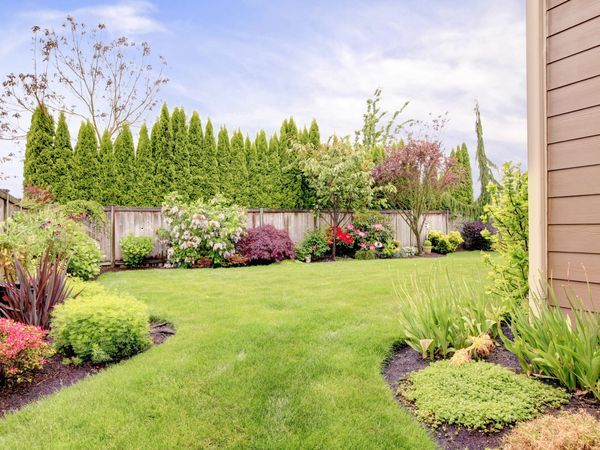
Native plants don't know anything about state lines—they grow in distinct communities based on climate, as shown on this map of the continental U.S. However, within each zone there are numerous microclimates as well—for example, the central prairies and plains province includes shortgrass prairie in the drier west and tallgrass prairie in the moister east. So when making selections from this plant list, determine your zone, then select plants from your zone that are adapted to drier conditions for the hottest part of your garden and that need more water for the areas where the soil naturally stays moist.

1. North Pacific Coastal and Cascade Mountain Forests

Shrubs:
• Indian plum Oemleria cerasiformis: Very early bloomer. Fruit draws birds. Sun or shade. Slightly dry to moist. 15 feet.
• Tall Oregon grape Mahonia (Berberis) aquifolium: Holly-shape leaves. Edible blue fruit. Sun or shade. Little to moderate water. 10 feet.
• Red flowering currant Ribes sanguineum: Early pink flowers draw hummingbirds. Sun or shade. Dry soil. 12 feet.
• Red osier dogwood Cornus stolonifera (sericea): Prized for winter twig color. Berries draw birds. Sun. Dry to wet. 15 feet.
• Pacific Nine Bark Physocarpus capitatus: Interesting bark and seeds in winter. Sun to part shade. Moist to moderate soil. 12 feet.

Wildflowers:
• Western columbine Aquilegia formosa: Red and yellow flowers draw hummingbirds. Sun or partial shade. Dry to moist. 3 feet.
• Bleeding heart Dicentra formosa: Pink, heart-shape flowers. Shade to partial shade. Dry soil. 1½ feet.
• Piggyback plant Tolmiea menziesii : Grows new leaves on top of old. Shade. Moist. 1 foot.

Ferns:

• Deer fern Blechnum spicant: Unusual form, with erect fertile fronds and low sterile fronds. Dry shade or moist sun. 2½ feet.
• Western sword Fern Polystichum munitum: Lance-shape fronds. Sun or shade. Moist or dry. 4 feet.

Resource:
Washington Native Plant Society

Sign Up for Our Free Newsletters

Comments

Post a Comment