
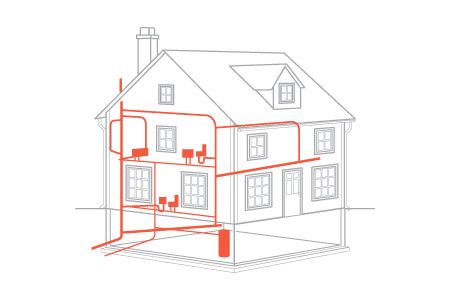
Once, state-of-the-art in plumbing was cast-iron drains and brass supply pipes. Now, those materials have been supplanted (for the most part) by PVC plastic, copper, and flexible cross-linked polyethylene, known as PEX. But whether the pipes are plastic, metal, or a combination of the two, it’s the plumber’s skill that determines how well the system works. A lot is at stake: One leaky joint can cause thousands of dollars worth of damage. An undersize, improperly sloped drain will continually clog. And supply pipes that aren’t anchored every 6 feet or so will rattle and thump every time a faucet is turned off.
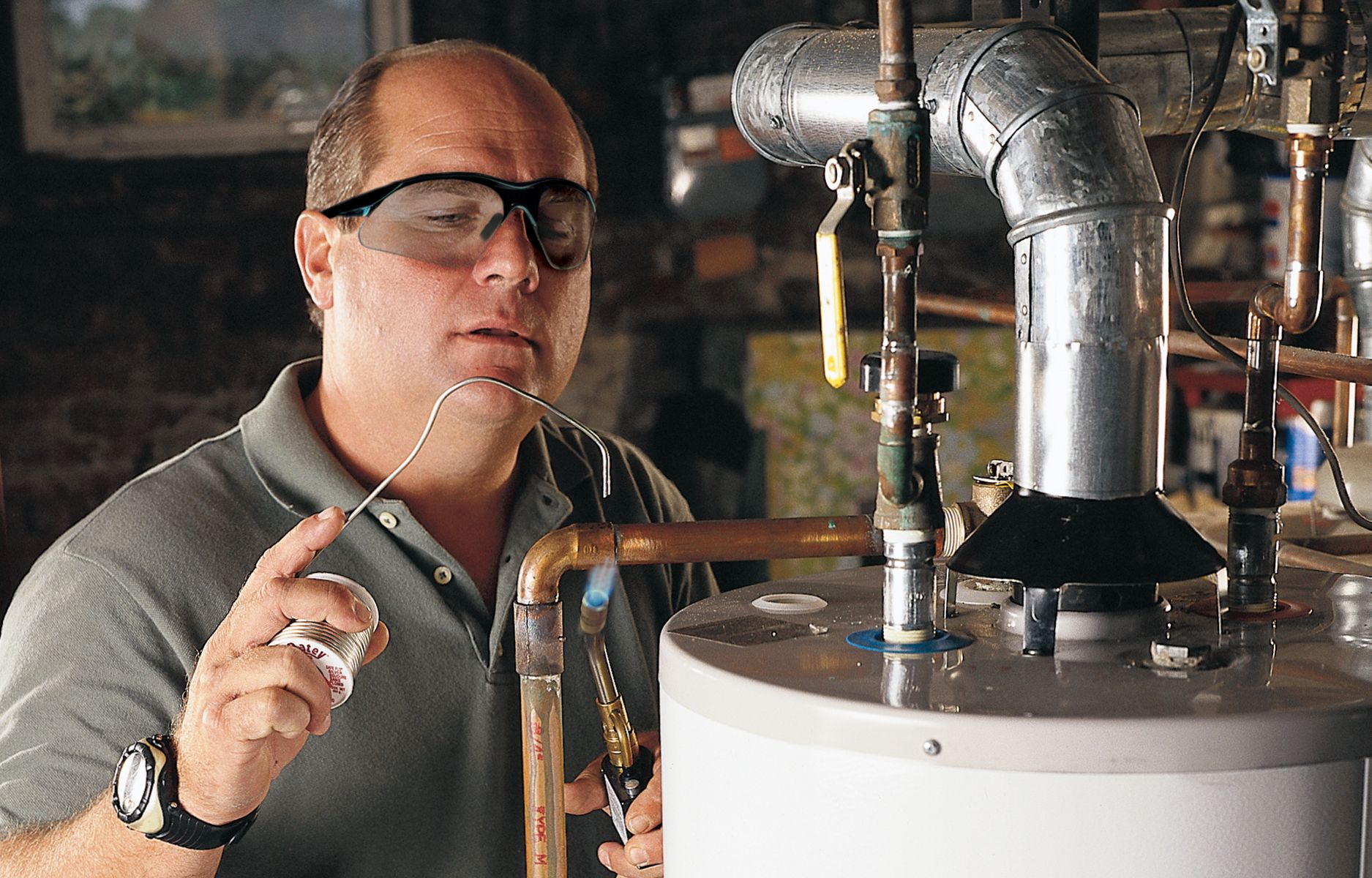
There’s more to proper plumbing than just following the codes and rules. Planning and installing a system that’s quiet, efficient, and leak free is something of an art. You’ll see it in the way a good plumber arranges pipes and valves for ease of maintenance, avoids wasting material or weakening framing, and takes care to wipe joints clean. “Too bad so much of our good work gets buried,” Richard laments. Turn the page for a look at a system that meets his exacting standards.
The Pipe Network
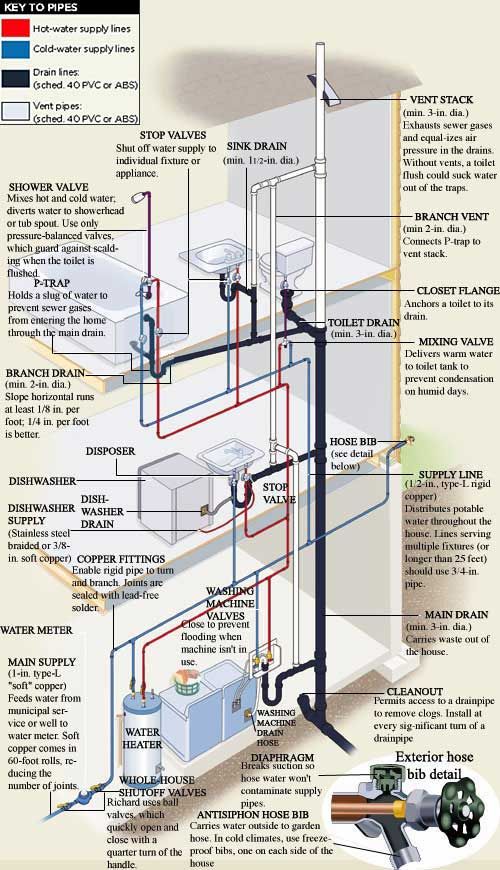
Clean water enters a house at a pressure of 50-60 psi through the supply lines. Dirty water, pulled down by gravity, exits through the drainpipes, while air coming through the vents keeps the drains flowing smoothly. It’s a wonderfully simple and durable setup. Valves may wear, hoses may break, and appliances will fail, but the underlying network of pipes should last as long as the house itself.
Turn Off the Taps
Modern plumbing has made it easier than ever for us to get clean water—and to waste it. “We have to change the mind-set that we can just turn on the water and let it run like Niagara Falls,” Richard says. He considers the 1994 law mandating low-flow, 1.6-gallon toilets and 2.5-gallon-per-minute faucets and showerheads a step in the right direction. What about those pre-’94 water-wasters? Refitting them with dams, flow restrictors, and aerator devices can make them as water-efficient as a new fixture, or even more so.
Beyond the Code: Richard’s rules for better systems
1. Shutoff Valves for Every Fixture and Appliance
Individual shutoffs allow you to quickly isolate a problem without cutting the water supply to the rest of your house. After plumbing a house, Richard always leads the owner in a guided tour of all the shutoff valves, most notably the main shutoffs.
2. Don’t Skimp on Vents
Codes dictate the proximity of vents to drains, and the rules should never be ignored. If the vent is too far away, it won’t be able to break the vacuum and allow fast drainage. “When you pull the plug on a bathtub,” says Richard, “you’ve got 40 gallons of water that want to scream down that pipe. If there’s a vacuum, it can pull the water out of all the traps in the house.”
Where to Find It
Ultra-Clean Water on Tap:
Reverse-osmosis system
Kinetico
800-944-9283
Plastic waterpipes:
Viega Pur Flow System
Stadler-Viega
Bedford, MA
800-370-3122
Hot water on demand:
Bosch Aquastar
Controlled Energy Corp.
800-503-5028
On the Horizon —
Ultra-low-flow toilet:
Walvit by Caroma
South Surrey, BC, Canada
604-538-7677
In-home fire control:
Aquasafe by Wirsbo
Need help with home maintenance? Read our reviews on home warranty providers.